工业与文旅融合

Search documents
工业遗产群灯火暖游人
Xin Lang Cai Jing· 2026-02-18 22:23
Core Viewpoint - The transformation of Benxi from an industrial hub to a cultural tourism city is highlighted through the successful integration of industrial heritage and traditional festivities in the recent lantern festival [1][2]. Group 1: Event Overview - The lantern festival features 32 large lanterns illuminating the century-old industrial site, creating a vibrant atmosphere for the Lunar New Year [1]. - The festival has attracted over 5,000 visitors daily since its inception, with increasing foot traffic during the Spring Festival [2]. Group 2: Cultural Significance - The lanterns symbolize Benxi's industrial heritage while incorporating traditional New Year elements, marking the city's transition from a "coal and iron capital" to a "cultural tourism city" [2]. - Interactive areas, such as the "Touch the Horse for Blessings" zone, allow visitors to engage with the displays, enhancing educational value about Benxi's industrial history [2]. Group 3: Community Engagement - Local residents express pride in the transformation of their hometown, noting the aesthetic improvements and the cultural significance of the festival [1][2]. - The festival serves as a platform for community bonding, with families gathering to celebrate and learn about their heritage [1][2].
传统工厂大变样,“工业游”成为文旅融合新引擎
Yang Shi Xin Wen· 2026-01-20 00:58
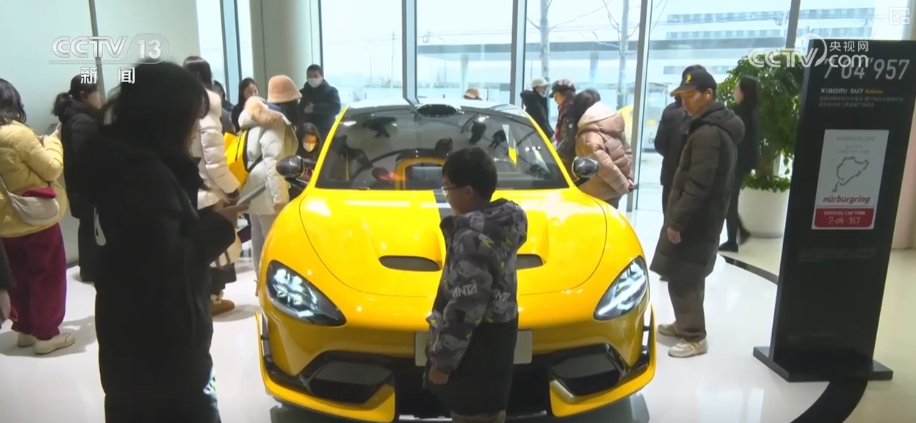
Group 1: Industrial Tourism Boom - Industrial tourism in China has become increasingly popular, with factory visits being highly sought after, sometimes more difficult to book than admission to competitive universities [1] - The rise of industrial tourism reflects the strength of China's industrial technology and the growing interest in understanding production processes [1][7] - Companies are leveraging factory tours to attract potential partners and clients, enhancing collaboration opportunities [1] Group 2: Visitor Experience and Engagement - Visitors to factories are experiencing advanced automation and technology, which enhances their understanding of modern manufacturing processes [1][5] - Interactive experiences during tours allow visitors to learn about food safety and production standards, increasing consumer confidence in products [5] - The transformation of traditional factories into tourist attractions demonstrates a shift in public perception and engagement with manufacturing [4] Group 3: Economic Impact and Growth Opportunities - Factory tours have opened new revenue streams for companies, with some reporting significant sales increases attributed to visitor engagement [5][6] - For instance, a food industry park reported a 20% increase in sales, with projections of reaching 5 billion yuan in sales by 2025, largely driven by industrial tourism [5][6] - The integration of industrial tourism with cultural experiences is creating a comprehensive consumer experience, combining education, dining, and leisure [5][7] Group 4: Policy and Industry Trends - The Chinese government is promoting the integration of industry and tourism, with 122 national industrial tourism demonstration bases established across the country [7] - The trend of industrial tourism is shifting from niche experiences to mainstream consumption, driven by consumer demand for transparency and knowledge [7][8] - Experts highlight that this trend not only boosts economic growth but also enhances cultural appreciation and supports the transformation of the manufacturing sector [7][8]
工业游从“小众体验”迈向“大众消费” “工业+文旅”多元场景释放新经济增长点
Yang Shi Wang· 2026-01-18 11:03
Core Viewpoint - The rise of factory tours in China, described as "industrial tourism," has become increasingly popular, with high demand for visits surpassing even that of competitive university admissions [1][26]. Group 1: Popularity and Demand - Factory tours have become a sought-after experience, with reports indicating that visiting factories is now more challenging to book than entering some prestigious universities [1]. - A significant number of visitors, nearly 200,000, have been received by a specific automotive factory, indicating the high interest in industrial tours [6]. - To address the overwhelming demand, factories have increased their visitor capacity from 10,000 to 25,000 per month and expanded group sizes from 40 to 60-80 people [7]. Group 2: Business Opportunities - The industrial tourism trend has opened new avenues for businesses, allowing them to attract partnerships and collaborations with other companies [2][4]. - The integration of industrial tourism has led to a 20% increase in sales for some companies, with projections of reaching around 5 billion yuan in sales by 2025, of which nearly 1 billion yuan is attributed to industrial tourism [19]. - The concept of "industrial + cultural tourism" is being developed, creating diverse experiences for visitors, such as camping and tasting fresh food directly from production lines [21]. Group 3: Industry Transformation - The industrial tourism sector is evolving from a niche experience to a mainstream consumer activity, driven by consumer demand for transparency in production and companies' strategic shifts towards new consumption scenarios [24]. - The Ministry of Industry and Information Technology has emphasized the importance of integrating industry with cultural tourism, with 122 national-level industrial tourism demonstration bases established across various provinces [22]. - Experts highlight that the deep integration of industry and tourism can stimulate new economic growth points and enhance the overall efficiency of manufacturing and service sectors [28].