工业网络安全

Search documents
2026年中国工业网络安全行业政策、市场现状、市场集中度、企业格局及发展趋势研判:行业规模高速扩张,冶金、应急与环保、能源为主要需求市场[图]
Chan Ye Xin Xi Wang· 2026-02-25 01:13
Core Insights - The industrial cybersecurity industry is experiencing rapid growth, driven by the increasing digitalization and connectivity of industrial assets, with a projected market size of 12 billion yuan by 2025, reflecting a 25% year-on-year growth [9][11]. Industrial Cybersecurity Industry Overview - Industrial cybersecurity, also known as industrial control system cybersecurity, employs systematic risk management methods and layered defense measures to protect IT and OT assets in industrial production processes from attacks [1][2]. - The industry is structured into three segments: upstream (core technology and hardware suppliers), midstream (cybersecurity product providers), and downstream (industrial sectors) [3][4]. Industry Policies - The Chinese government has implemented several policies to enhance cybersecurity in key industrial sectors, including guidelines and action plans aimed at improving security governance and protective capabilities [4][5]. Industry Development Status - The industrial cybersecurity industry in China has evolved through three stages: initial awareness (pre-2010), recognition and exploration (2010-2015), and rapid development (2016-present), with significant growth driven by national strategies and regulations [6][8]. - The market is characterized by a low concentration of participants, with the top three companies holding a market share of 19.5% and the top five at 30.4% as of 2024 [13][14]. Market Demand and Segmentation - Key demand markets for industrial cybersecurity include metallurgy, emergency and environmental protection, and energy, each accounting for approximately 13% of the market by 2025 [11][12]. - The industry faces unique challenges due to the fragmentation of industrial scenarios and the diverse security needs across various sectors [13][15]. Industry Trends - Future trends indicate a shift towards AI-driven cybersecurity solutions, with a focus on establishing behavior-based security mechanisms tailored to industrial processes [16][17]. - The integration of advanced technologies such as machine learning and big data is expected to enhance the efficiency and intelligence of cybersecurity measures in industrial environments [16][17].


中国工业网安龙头 天地和兴递表申港上市
BambooWorks· 2026-02-10 09:54
Core Viewpoint - Tian Di He Xing, a leader in industrial cybersecurity, has submitted its listing application to the Hong Kong Stock Exchange amid a surge in new stock offerings in Hong Kong [1][3]. Group 1: Company Overview - Tian Di He Xing was founded in August 2007 by Wang Xiaodong, who has approximately 20 years of experience in power automation and communication industries [3]. - Major shareholders include Zijin Mining and Fosun International, with Wang Xiaodong holding nearly 22% of the company's shares prior to the IPO [3]. Group 2: Market Context - The importance of industrial cybersecurity is underscored by frequent hacking incidents that not only compromise personal data but also disrupt financial and energy markets [3]. - The industrial cybersecurity market in China was valued at 4.1 billion yuan in 2020 and is projected to grow to 9.6 billion yuan by 2024, with a compound annual growth rate (CAGR) of 24.2% [5]. - By 2029, the market size is expected to reach 29.4 billion yuan, indicating a strong growth trajectory with a projected CAGR of 25% from 2024 to 2029 [5]. Group 3: Financial Performance - For the nine months ending September 2025, Tian Di He Xing reported a revenue increase of 22.2% year-on-year, reaching 439 million yuan [6]. - The company's revenue is primarily derived from integrated solutions, hardware and software sales, and technical services, with integrated solutions accounting for 58.3% of total revenue [6]. - Despite revenue growth, the company reported a loss of 94.67 million yuan for the same period, although this was a 7.9% improvement compared to the previous year [6]. Group 4: Future Prospects - The company has acquired Haibo Electric, which focuses on backup energy solutions, potentially driving new growth in its business [7]. - The competitive landscape for cybersecurity stocks is intense, with other companies like Qihoo 360 expected to turn profitable in 2025, raising concerns about valuation and market entry timing for Tian Di He Xing [7].

背靠十余家国资股东,天地和兴的并购成长故事能否让市场买单?
Zhi Tong Cai Jing· 2026-02-08 04:39
Core Viewpoint - The rapid development of China's industrial safety sector since 2016 is driven by regulatory and technological advancements, with the company Tian Di He Xing emerging as a market leader and preparing for an IPO [1][2]. Industry Trends - The implementation of the Cybersecurity Law and the introduction of compliance standards have accelerated product deployment in industrial control security [1]. - The integration of industrial internet and smart manufacturing has expanded the attack surface, prompting a shift towards systematic defense strategies [1]. Company Overview - Tian Di He Xing, founded in 2007, initially focused on technology promotion in the power industry and later transitioned to a professional security product provider [3]. - The company gained significant traction in the industrial cybersecurity market, particularly in the energy sector, where it holds an 8.4% market share [1]. Financial Performance - Revenue growth from 2023 to 2024 is projected to rise from 474 million RMB to 727 million RMB, but adjusted net profit is expected to decline from 70.2 million RMB to 55.4 million RMB, indicating a "growth without profit" scenario [2]. - By the first three quarters of 2025, revenue is expected to reach 439 million RMB, with a year-on-year growth of 22.19% and a return to profitability with an adjusted net profit of 4.15 million RMB [2]. Market Position - According to a report, Tian Di He Xing is projected to hold a 6.7% market share in China's industrial cybersecurity market by 2024, ranking first [1]. - The company has established a strong customer base, with over 69% of revenue coming from state-owned enterprises in recent years [4]. Strategic Developments - The company has entered a new phase of growth through strategic acquisitions, including Beijing Bi Ke Ce and Hai Bo Electric, to expand into energy digitalization and backup power solutions [6]. - The diverse shareholder structure, including several state-owned entities, provides financial support and industry resources [6][7]. Challenges - The company faces challenges with rising accounts receivable, which have increased significantly, leading to cash flow issues [10][11]. - The concentration of revenue from a few major clients poses risks to pricing power and revenue stability [12][13]. Future Outlook - The successful integration of acquired assets and the ability to leverage existing customer relationships will be critical for future growth [13].
新股前瞻|背靠十余家国资股东,天地和兴的并购成长故事能否让市场买单?
智通财经网· 2026-02-08 04:30
Core Viewpoint - The rapid development of China's industrial safety sector since 2016 is driven by regulatory and technological advancements, with the company Tian Di He Xing emerging as a market leader and preparing for an IPO [1] Group 1: Industry Trends - The implementation of the Cybersecurity Law and the second version of the classification and grading system for cybersecurity has made industrial control security compliance mandatory, accelerating product deployment [1] - The integration of industrial internet and smart manufacturing has expanded the attack surface, prompting a shift from point-based protection to a systematic defense approach [1] Group 2: Company Overview - Tian Di He Xing submitted its IPO application to the Hong Kong Stock Exchange on January 30, with a projected market share of approximately 6.7% in China's industrial cybersecurity market by 2024, and about 8.4% in the energy sector [1] - The company has experienced significant revenue growth from 474 million RMB in 2023 to 727 million RMB in 2024, but its adjusted net profit decreased from 70.2 million RMB to 55.4 million RMB during the same period, indicating a "growth without profit" situation [2] Group 3: Business Development - Established in 2007, the company initially focused on technology promotion and application services in the power industry, later transitioning to a professional security product provider as industrial cybersecurity risks became more apparent [2][3] - A pivotal moment occurred in 2014 when the company undertook a national pilot project for industrial control security, launching its first generation of security products and marking its entry into the industrial cybersecurity sector [3] Group 4: Market Position and Client Base - The company has provided solutions for over 6,000 projects across key industries, with more than 50% of its clients being state-owned enterprises, indicating a strong reliance on government contracts [4] - Revenue from state-owned or state-controlled enterprises has increased significantly, reaching 80.8% by the third quarter of 2025 [4] Group 5: Mergers and Acquisitions - Starting in 2024, the company entered a new phase of growth through strategic acquisitions, including Beijing Bico Measurement and Haibo Electric, expanding its service offerings to energy digitalization and backup power solutions [6] - The company has completed six rounds of financing before its IPO, establishing a robust shareholder structure with significant state-owned enterprise involvement [6] Group 6: Financial Performance and Challenges - Despite revenue growth, the company faced a decline in gross margin from 60.9% in 2023 to 50.4% in 2024, primarily due to high costs associated with new large enterprise projects and lower margins from new business lines [9] - The company has experienced continuous cash outflows from operating activities, with trade receivables rising significantly, indicating potential liquidity challenges [10][11] - The increasing concentration of revenue from a few major clients poses risks to the company's bargaining power and may lead to performance volatility [12] Group 7: Future Outlook - The company's ability to successfully integrate acquired assets and realize their growth potential will be a key determinant of its valuation post-IPO [13]
天地和兴赴港IPO:现金流持续为负、毛利率持续下滑 工业网络安全龙头陷盈利困局
Xin Lang Cai Jing· 2026-02-05 09:06
Core Viewpoint - Beijing Tiandi Hexing Technology Co., Ltd., a leading domestic industrial cybersecurity company, has submitted its application for a mainboard listing on the Hong Kong Stock Exchange, but faces significant challenges due to deteriorating cash flow and declining gross margins [5][6]. Group 1: Cash Flow Concerns - The company's cash flow situation is alarming, with net cash flow from operating activities showing negative figures of -83.52 million yuan, -91.63 million yuan, and -159 million yuan from 2023 to the first three quarters of 2025, totaling over 330 million yuan in outflows [6][7]. - As of September 2025, the company's cash and cash equivalents had decreased by 43% to 133 million yuan from 234 million yuan at the end of 2024, indicating severe liquidity pressure [6][7]. - High accounts receivable are a core issue, with trade receivables reaching 1.108 billion yuan and the collection period extending from 414 days in 2023 to 597 days in 2025, suggesting a near two-year cash recovery cycle [6][7]. Group 2: Declining Profitability - Despite revenue growth from 474 million yuan in 2023 to 727 million yuan in 2024, the company's profitability is weakening, with overall gross margin dropping from 60.9% in 2023 to 48.6% in the first three quarters of 2025, a decline of 12.3 percentage points [2][7]. - The decline in gross margin is attributed to an increase in low-margin business, with hardware and software sales gross margin at only 6.2% in the first three quarters of 2025 [2][7]. - Adjusted net profit figures show a decline from 70.24 million yuan in 2023 to 4.15 million yuan in the first three quarters of 2025, with the adjusted net profit margin falling to 0.9% in 2025, indicating shrinking profitability in core operations [7][8]. Group 3: Business Expansion and Risks - The company is attempting to expand into energy digitization and energy storage through acquisitions, but these new businesses have not yet provided effective support, with energy digitization solutions accounting for only 4.6% of revenue in the first three quarters of 2025 [7][8]. - The acquisition of Haibo Electric in 2025 targets the backup energy storage sector, which is highly competitive, raising doubts about the potential for technological synergy [7][8]. - There is a concerning overlap between customers and suppliers, with 15-20 entities acting as both, which could lead to risks of unfair pricing and potential profit transfer [7][8]. Group 4: Industry Outlook and IPO Plans - The industrial cybersecurity industry has a promising outlook, with an expected market size of 29.4 billion yuan by 2029, but the competitive landscape is fragmented [3][8]. - The company holds a market share of 6.7%, slightly above the second-ranked competitor at 6.6%, but its gross margin is significantly lower than comparable companies, reflecting a strategy of sacrificing profit for volume [3][8]. - Over 80% of the company's revenue comes from policy-driven sectors like energy and electricity, making it vulnerable to fluctuations in industry investment or changes in subsidy policies [3][8]. - The IPO proceeds are intended for technology research and market expansion rather than addressing liquidity issues, raising concerns about the company's ability to enhance its cash-generating capabilities [8].
天地和兴57岁总裁江炳思兼任联席秘书,曾是国电南京自动化公司董事长
Sou Hu Cai Jing· 2026-02-02 10:15
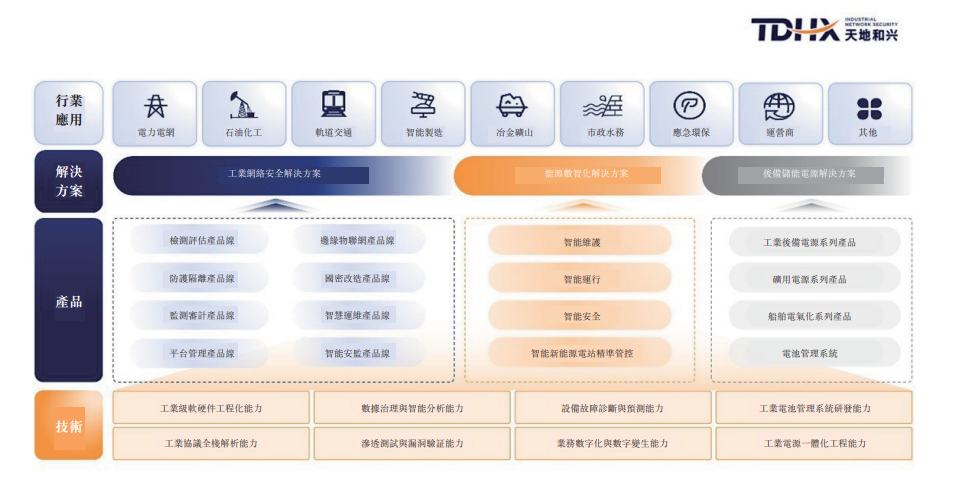
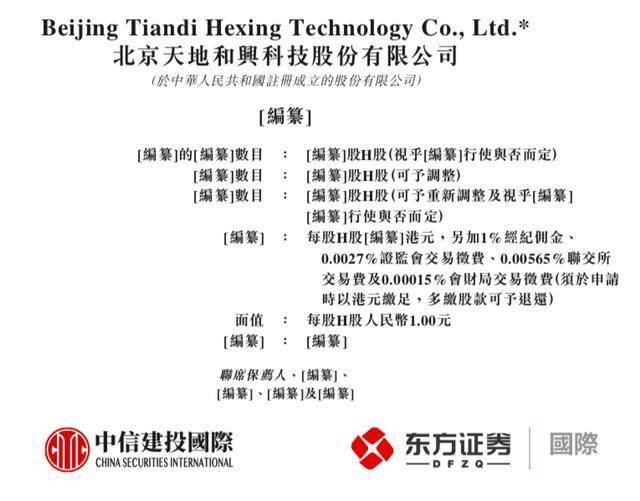
Group 1 - Tian Di He Xing Technology Co., Ltd. (referred to as Tian Di He Xing) submitted its listing application to the Hong Kong Stock Exchange on January 30, with CITIC Securities International and Orient Securities International as joint sponsors [2] - Established in 2007, Tian Di He Xing is a provider of industrial cybersecurity and energy digitalization solutions, recognized as a national "specialized, refined, and innovative small giant enterprise" [2] - By 2024, Tian Di He Xing is projected to hold the largest market share in China's industrial cybersecurity market at approximately 6.7% [2] Group 2 - Major subsidiaries of Tian Di He Xing include Beijing Bico Measurement (listed on the New Third Board) and Haibo Electric [3] - In October 2025, Tian Di He Xing acquired a total of 51% equity in Haibo Electric for 51 million yuan, and in November 2025, it further acquired approximately 13% equity in Beijing Bico Measurement for about 29.91 million yuan, bringing its total ownership to 51% [4] - The chairman, Wang Xiaodong, controls 34.91% of the company through direct and indirect holdings [4] Group 3 - Tian Di He Xing has not yet achieved profitability, with revenues of 727 million yuan in 2024, a 53.4% increase from 474 million yuan in 2023 [8] - The company reported a net loss of 193 million yuan in 2023, which narrowed to 46 million yuan in 2024, and a loss of 95 million yuan in the first three quarters of 2025 [8] - The gross profit margin for the company stands at 48.6% [8]
天地和兴递表港交所 中信建投国际、东方证券国际为联席保荐人
Sou Hu Cai Jing· 2026-02-01 23:56
Core Viewpoint - Tiandi Hexing has submitted its application to the Hong Kong Stock Exchange, with CITIC Securities International and Orient Securities International acting as joint sponsors [1] Company Overview - Tiandi Hexing is a well-known provider of industrial cybersecurity and energy digitalization solutions in China, focusing on asset security for critical infrastructure such as power and petrochemical sectors [1] Market Position - According to Frost & Sullivan, Tiandi Hexing is projected to hold the largest market share in China's industrial cybersecurity market in 2024, with a market share of 6.7%, and an even higher market share of 8.4% in the energy sector [1] Market Growth - The Chinese industrial cybersecurity market is expected to reach 29.4 billion yuan by 2029, with a compound annual growth rate (CAGR) of 25.0%. The market for digitalization solutions in the energy sector is anticipated to reach 118.2 billion yuan [1]

新股消息 | 天地和兴递表港交所
智通财经网· 2026-02-01 07:17
Group 1 - The core viewpoint of the article is that Beijing Tiandi Hexing Technology Co., Ltd. has submitted its listing application to the Hong Kong Stock Exchange, with CITIC Securities International and Orient Securities International as joint sponsors [1] - Tiandi Hexing is recognized as a leading provider of industrial cybersecurity and energy digitalization solutions in China, utilizing AI-driven technology to enhance security capabilities for enterprise users in various industrial scenarios [1] - According to Frost & Sullivan, Tiandi Hexing is projected to hold the largest market share in China's industrial cybersecurity market in 2024, with an overall market share of approximately 6.7%, and a market share of about 8.4% in the energy sector of this market [1]
2025年中国防火墙细分市场分析——工控防火墙【组图】
Qian Zhan Wang· 2026-01-21 01:40
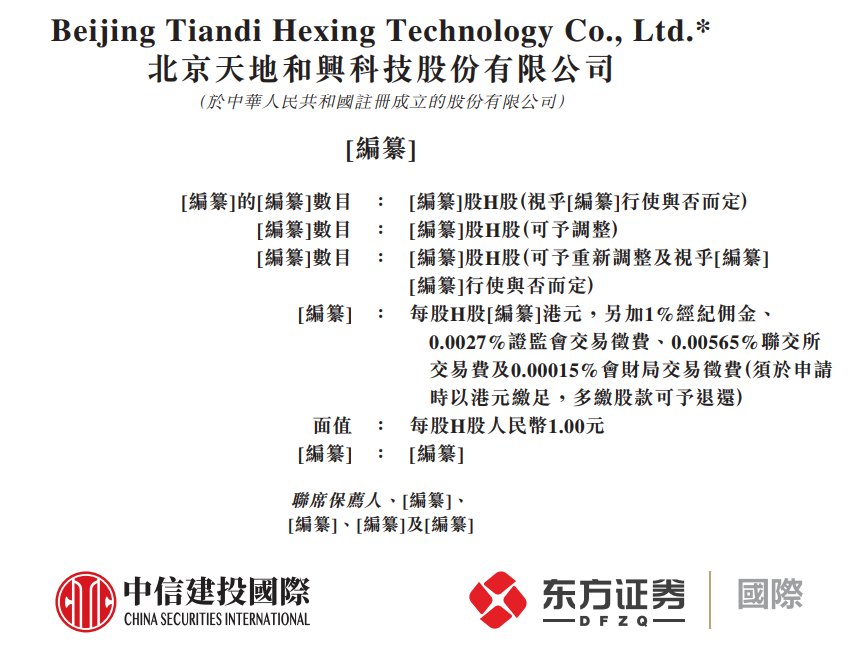
Core Insights - The industrial firewall market in China is experiencing rapid growth, with the market size expected to reach 1.61 billion yuan in 2024, representing a year-on-year increase of 11.8%, and projected to reach 1.9 billion yuan in 2025 [4]. Group 1: Definition and Key Capabilities - Industrial firewalls are specialized firewalls designed to protect industrial control systems, focusing on network security for industrial equipment and systems. Key functions include access control, security domain management, network address translation (NAT), protocol filtering, and deep packet inspection [3]. - Key capabilities of industrial firewalls include deep protocol analysis, whitelist mechanisms, and high reliability. They can deeply analyze specific industrial protocols to ensure data packet security and integrity, employ active defense techniques through whitelists, and maintain high operational reliability in harsh industrial environments [3][6]. Group 2: Market Growth and Delivery Models - The industrial firewall market is primarily channel-driven, accounting for 52% of the market. This model allows for efficient matching of product features, customer needs, and industry regulations, facilitating effective supply-demand connections [6]. - The energy sector is the most significant application area for industrial firewalls, accounting for 30% of the market in 2024. Industrial firewalls are essential for ensuring stable production by intercepting abnormal traffic and protecting against attacks, especially as the boundaries of industrial control systems become less defined [7]. Group 3: Regional Insights - The North China region has the highest sales volume for industrial firewalls, accounting for 31% of the market in 2024. This area is industrially significant, with many industries relying heavily on industrial control systems, making the demand for robust firewalls critical [9]. Group 4: Market Leaders - The leading companies in the Chinese smart industrial firewall market include Weinuo, Qimingxingchen, Liufangyun, Tiandihexing, Zhongdian Anke, Fortinet, and Zhongkong Technology. Weinuo holds the largest market share at 10.2% in 2024, recognized for developing the first industrial firewall in China [12].