
工资 - 物价循环

Search documents
日本加息应对通胀,核心CPI连续44个月超2%
Sou Hu Cai Jing· 2025-12-22 00:45
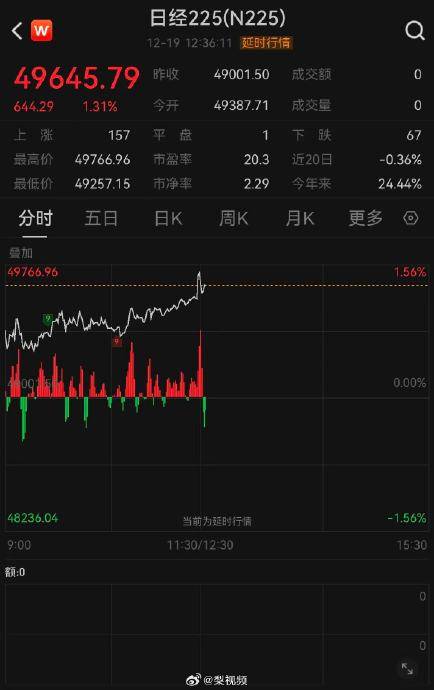
Group 1: Reasons for Japan's Rate Hike - Japan's core CPI has exceeded the 2% target for 44 consecutive months, reaching 3% in November, with food prices, such as rice, surging by 37% [4][2] - The average wage increase in the 2025 "Shuntō" negotiations is projected to be between 5.37% and 5.46%, led by major companies like Toyota, creating a wage-price spiral [4][2] - The Bank of Japan's decision to raise rates is seen as a necessary step towards normalizing monetary policy, with a target rate of 1%-2.5% [4][2] Group 2: Global Market Impact - The long-standing low interest rates in Japan have led to approximately $1.5 trillion in "yen carry trades," which may see some funds returning to Japan, potentially causing sell-offs in U.S. Treasuries and emerging market assets [6][5] - The market had already priced in the rate hike, with no significant panic observed; for instance, over 4,700 stocks in the A-share market rose on the day of the rate increase [6][7] - The Nikkei index rose by 1.16% following the rate hike, indicating a positive response from the stock market [7] Group 3: Impact on China - The A-share market demonstrated resilience, with capital controls mitigating the impact of the rate hike; previous rate hikes in Japan led to rebounds in A-shares [8] - The Chinese yuan appreciated to 7.032, offsetting some external disturbances [9] - Chinese export sectors, particularly those exporting to Japan (e.g., machinery, textiles, new energy vehicles), may benefit from the yen's appreciation, enhancing their price competitiveness [10] Group 4: Direct Effects on Consumers - The cost of traveling to Japan and purchasing goods online has increased due to the yen's appreciation, with the exchange rate changing from 1,000 yen for 480 RMB to 500 RMB [12] - For students studying in Japan, tuition fees converted to RMB have decreased, but living costs have risen, particularly for those with floating-rate mortgages, which may see monthly payments increase by 1,500 yen [12]

美国就业全面降温——全球经济观察第11期【陈兴团队•财通宏观】
陈兴宏观研究· 2025-09-07 01:56
Global Asset Price Performance - The US dollar assets have strengthened, with mixed performance in global stock markets; US stocks rose while European and Japanese markets generally declined. The S&P 500, Dow Jones, and Nasdaq indices increased by 0.6%, 0.2%, and 1.2% respectively [2] - The 10-year US Treasury yield continued to decline by 6 basis points, likely due to weak employment data reinforcing rate cut expectations [2] - Oil prices fell, with WTI and Brent crude down by 1% and 0.6% respectively, while London gold prices increased by 3% [2] - The US dollar index rose by 0.5% [2] Major Central Bank Monetary Policies - Employment data has catalyzed rate cut expectations; Federal Reserve Governor Waller reiterated the call for a rate cut in the next meeting. Following the August non-farm payroll data, the probability of a 50 basis point cut in September rose to 12%, with an expected average of 2.8 cuts by year-end [4] - In Japan, the Ministry of Health, Labour and Welfare announced a 6.3% increase in the minimum wage for the fiscal year, supporting the "wage-price loop" and providing backing for continued rate hikes by the Bank of Japan [4] US Economic Dynamics - Employment data showed weakness, with the unemployment rate rising to 4.3%, the highest since the end of 2021. The increase was attributed to more unemployed individuals re-entering the job market, while the U6 unemployment rate also rose by 0.2 percentage points [8] - The ADP reported that new job additions in August fell to 54,000, and initial jobless claims reached a six-month high, indicating a cooling labor market and reinforcing expectations for a rate cut by the Federal Reserve [8] - Tariffs are beginning to impact consumer spending, with the Fed's Beige Book indicating stagnant economic activity across most regions, and many households experiencing wage growth that has not kept pace with rising prices [9] Other Regional Economic Dynamics - In Europe, long-term bond yields have significantly increased, with the Eurozone CPI growth rate at 2.1% and the unemployment rate steady at 6.2%. Concerns over government debt have risen due to increased fiscal spending in response to geopolitical and economic recovery challenges [19] - In the UK, the 30-year government bond yield surpassed 5.7%, the highest since 1998, while France's 30-year bond yield exceeded 4.5% [19] - Japan's manufacturing sector remains under pressure, with the manufacturing PMI at 49.7%, indicating contraction, despite nominal wage growth reaching 4.1% in July [19]

日本将创纪录地上调最低工资 为日本央行加息提供支持
Xin Hua Cai Jing· 2025-09-05 08:26
Core Viewpoint - The Japanese Ministry of Health, Labour and Welfare announced a record increase in the national minimum wage by 66 yen per hour, marking the largest increase since records began in 1978 [1] Group 1: Minimum Wage Increase - The new minimum hourly wage will reach a record 1,121 yen (approximately 7.56 USD) [1] - This wage increase will apply to around 3 million workers and will gradually take effect starting in October [1] Group 2: Economic Implications - The wage hike is expected to strengthen Japan's wage-price cycle and support the Bank of Japan's continued interest rate hikes [1] - Employers may pass on the increased costs to consumers, potentially leading to further price increases [1] - The increase in disposable income for workers could reinforce the demand-driven inflation cycle that the Bank of Japan has been pursuing [1]