帕斯卡赌注

Search documents
“预测市场”Polymarket上押注“基督复活失败”,年化收益率达5.5%
Hua Er Jie Jian Wen· 2026-01-03 04:58
Core Insights - The emerging prediction market Polymarket has gained attention for a peculiar bet on whether "Jesus Christ will return to Earth in 2025," which has attracted approximately $3.3 million in funding over the past year, with most investors betting against the return [1] - The bet's popularity peaked in April, yielding a 5.5% annualized return for those who wagered against the return, surpassing the yield of U.S. Treasury bonds, typically seen as a safe investment benchmark [1] - As 2025 approaches, Polymarket declared the "no" camp as the winner on January 1, and new bets for Jesus's return by the end of 2026 have opened, with a mere 2% probability, suggesting a potential return of over 5700% for the "yes" side [1] Group 1 - Polymarket and its competitor Kalshi are viewed as innovative platforms that combine high-risk betting with collective intelligence to provide probabilities for significant real-world events, such as election outcomes and war outbreaks [2] - Despite serious discussions, these platforms are filled with bizarre contracts, including bets on movie performances and social media activity, which some argue distract from the true value of predictive markets [3] - The concept of applying secular odds to religious matters has historical roots, as seen in Blaise Pascal's "Pascal's Wager," which suggests that the probability game has continued into the present [3] Group 2 - The extreme low-probability speculative behavior observed in these markets is not surprising, as people are known to buy lottery tickets despite astronomical odds, indicating that markets will always find ways to turn uncertainty into speculative opportunities [4]
白捡钱?“预测市场”Polymarket上押注“基督复活失败”,年化收益率可达5.5%!
Hua Er Jie Jian Wen· 2026-01-03 03:41
Core Insights - The emerging prediction market Polymarket has gained attention for a peculiar bet on whether "Jesus Christ will return to Earth in 2025," which has attracted approximately $3.3 million in funding over the past year, with most investors betting against the return [1] - The bet's peak popularity in April allowed investors who wagered against the return to achieve a 5.5% annualized return before fees, surpassing the yield of U.S. Treasury bonds, typically seen as a safe investment benchmark [1] - As 2025 approaches, Polymarket announced the victory of the "no" camp on January 1, and new bets for Jesus's return by the end of 2026 have opened, with a probability of only 2%, suggesting a potential return of over 5700% for those betting on "yes" [1][3] Summary of Prediction Markets - Polymarket and its competitor Kalshi are viewed as innovative platforms that combine high-risk betting with collective intelligence to provide probabilities for significant real-world events, such as election outcomes or war outbreaks [2] - However, these platforms are also filled with bizarre contracts, including bets on movie performances and social media activity, which some critics argue distract from the value of genuine predictive markets [2] - The peculiar bet on Jesus's return has sparked discussions about its purpose, with some users speculating it may serve as a tax loss strategy, while others criticize it as a trivial market [2] Historical Context - The application of secular odds to religious matters is not without historical precedent, as Blaise Pascal's "Pascal's Wager" from the 17th century used probability calculations as a rationale for belief in God [2] - The ongoing speculation about the Messiah's return has deep roots in Christian history, despite biblical warnings that the exact timing is unknown [2]
控制最有可能的风险源头,投资会变得出奇安全
Sou Hu Cai Jing· 2025-11-03 12:36
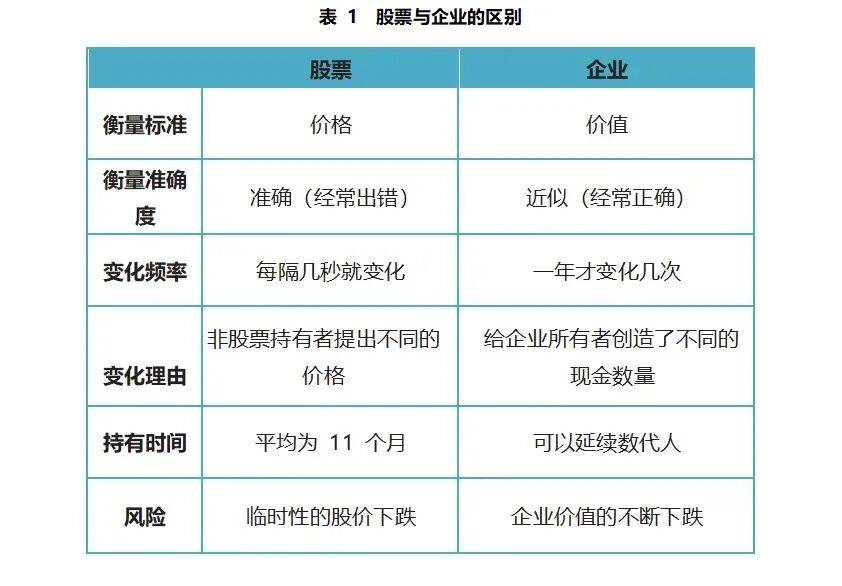
Group 1 - The core idea emphasizes the importance of not making impulsive investment decisions due to emotional fluctuations that can significantly affect risk perception [1][3] - Historical context is crucial for understanding market behavior, as past market downturns can inform current investment strategies [4][5] - The distinction between stock price and enterprise value is highlighted, indicating that investors often misjudge stocks based on price rather than underlying value [5][7] Group 2 - The necessity of having a written investment strategy is stressed, which serves as a guideline to prevent emotional decision-making [10] - The concept of using different framing techniques to assess risks and probabilities is introduced, suggesting that varying perspectives can lead to more balanced decisions [11][12] - The importance of self-awareness in understanding one's risk tolerance and the psychological factors influencing investment decisions is discussed [14][17]