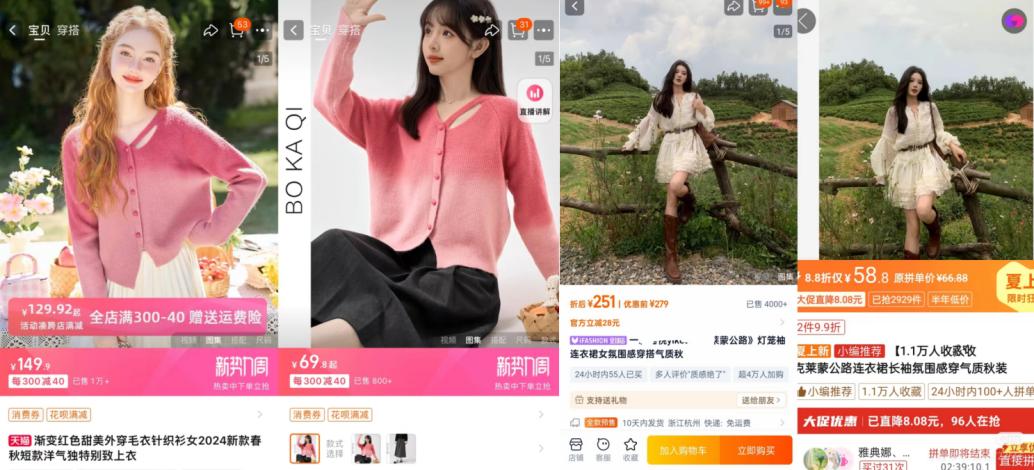
平替产品

Search documents
大牌羽绒服价格暴涨2000!消费者觉醒不买账,百元平替成香饽饽
Sou Hu Cai Jing· 2025-12-29 18:02
Core Insights - The rising prices of down jackets are attributed to increased costs of raw materials and brand premium strategies [2][4][6] - The cost of white duck down has surged to 420-550 RMB per kilogram, while white goose down has doubled to 840-1200 RMB [4] - The average cost of down material for a 150-gram white duck down jacket is approximately 63-83 RMB, making it difficult for retail prices to remain below 300 RMB [4] Cost Factors - The overall costs in poultry farming, including feed, facilities, and disease control, have risen, forcing farmers to either reduce scale or increase prices, which ultimately affects the down supply chain [4] - Despite rising costs, the price increase at retail levels has outpaced the cost increase, revealing significant profit margins in the industry [4][6] Brand Strategies - High-end brands have successfully linked down jackets to status symbols through celebrity endorsements and fashion marketing [6] - Some budget brands have transitioned to high-end positioning, raising their average prices to over 2000 RMB, which has led consumers to associate high prices with high quality [6] Consumer Behavior - Consumers are becoming more discerning and are less willing to pay for brand names, focusing instead on practical features like warmth and down content [7][10] - The emergence of "ribbed down jackets," which are lightweight and affordable (averaging under 300 RMB), has gained popularity, challenging traditional high-priced down jackets [10][12] Market Trends - The market for winter clothing is diversifying, with alternatives like double-faced wool coats and fleece-lined jackets emerging, which offer competitive warmth without the high price tag of down jackets [12] - The disconnect between industry pricing strategies and consumer expectations is leading to a shift towards transparency and value in the down jacket market [13][18] Recommendations for Brands - Brands should focus on enhancing product quality and clearly communicating key parameters like down content and fill power to regain consumer trust [16][18] - Companies are encouraged to adapt to consumer preferences by offering a range of products tailored to different needs rather than solely pursuing high-end pricing strategies [16][18]

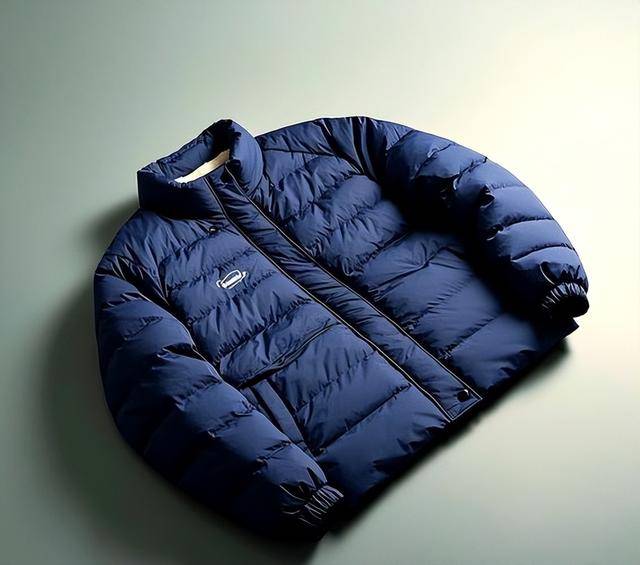
为何年轻人用平替产品反而更自信?
3 6 Ke· 2025-08-28 09:43
Core Insights - The report indicates that 57.2% of consumers prefer alternative products when functionality and quality are similar, with a significant 72.3% preference among the post-95 and post-00 generations [1][3] - This shift in consumer behavior reflects a transition from viewing alternative products as a compromise to recognizing them as a symbol of "smart consumption" among young people [1][6] Group 1: Consumption Trends - "Calculative consumption" has emerged as a mainstream trend, with brands like Perfect Diary and Xiaomi gaining market share by offering high-quality alternatives at lower prices [3][6] - The consumer decision-making process has shifted from brand-centric to data-driven evaluations, focusing on ingredients, performance, and cost-effectiveness [3][6] Group 2: Psychological and Social Factors - The cognitive dissonance theory explains that young consumers adjust their perceptions to align with their rational choices, reinforcing the idea that choosing alternatives is a smart decision [6][7] - Social identity theory suggests that consumers form communities around shared values, with alternative product users creating a "smart consumer alliance" that values efficiency over luxury [7][8] Group 3: Brand Engagement and Community Building - Traditional brands are encouraged to adopt a more approachable communication style to connect with the younger demographic, moving away from elitist attitudes [13][14] - Brands should focus on shared values such as innovation and rational consumption to build user communities, as exemplified by Huawei's "HuaFan Club" [14][17] Group 4: Consumer Empowerment - The evolution of consumer confidence is characterized by a shift from external validation through luxury goods to internal validation through informed decision-making [11][18] - Young consumers are redefining "good consumption" standards based on their rationality and judgment, indicating a revolution in consumer sovereignty [18]