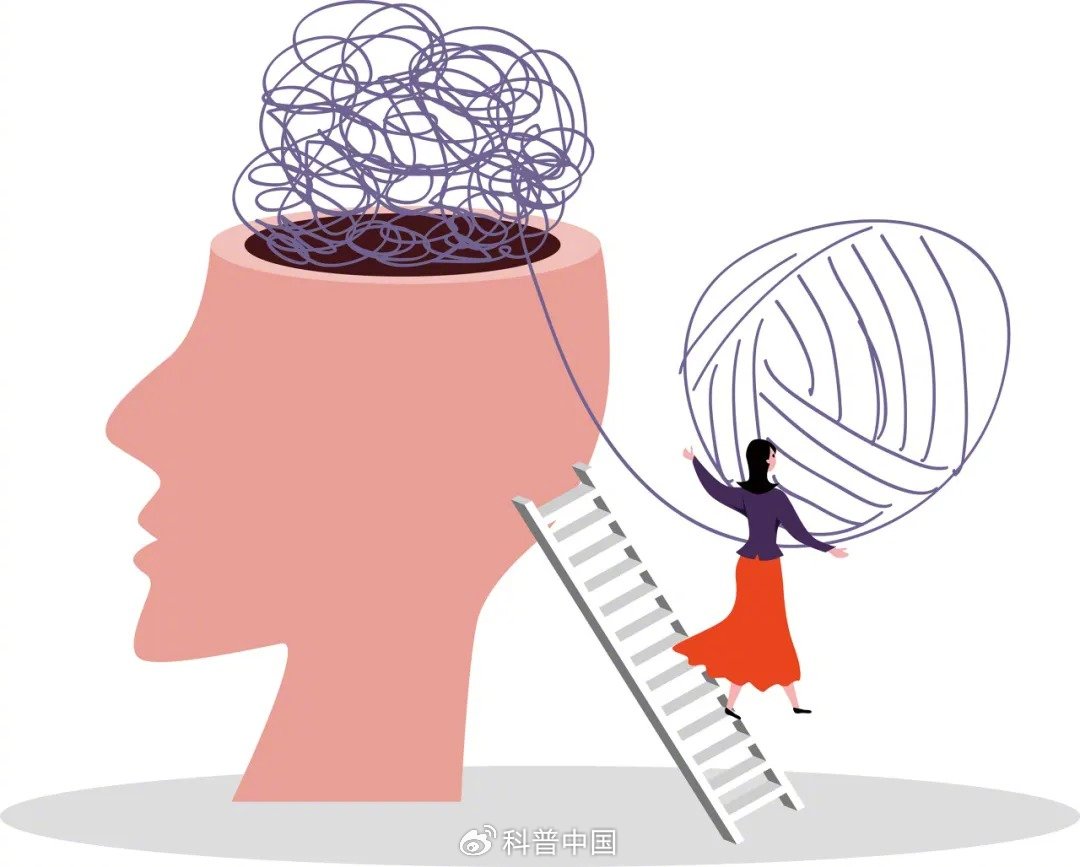
思维反刍

Search documents
一个人活得太累的根本原因:习惯性自责
洞见· 2026-03-15 12:36
Core Insights - The article discusses the psychological phenomenon of "habitual self-blame," where individuals tend to attribute negative events to their own shortcomings, leading to unnecessary emotional distress [5][10][32] - It emphasizes the importance of distinguishing between personal responsibilities and others' issues, advocating for a healthier mindset that allows individuals to let go of undue burdens [6][12][32] Group 1: Understanding Habitual Self-Blame - Habitual self-blame manifests when individuals instinctively blame themselves for negative outcomes, regardless of external factors [5][6] - The article introduces the concept of "target-type personality," where individuals see themselves as the cause of problems, leading to self-attack and emotional turmoil [7][8] - It highlights the detrimental effects of over-attributing blame to oneself, which can obscure personal boundaries and lead to emotional exhaustion [10][12] Group 2: Shifting Focus from Past to Present - The article presents the idea of "rumination," where individuals replay negative events in their minds, draining their energy and causing fatigue [13][19] - It encourages readers to break the cycle of self-criticism by focusing on solutions rather than dwelling on past mistakes [18][19] - The importance of proactive problem-solving is emphasized, suggesting that individuals should redirect their energy towards finding solutions instead of getting lost in negative emotions [19][21] Group 3: Establishing a Stable Self-Value System - The article suggests that having a stable self-value system helps individuals avoid self-doubt influenced by external opinions [21][22] - It provides practical methods for overcoming negative self-perceptions, such as writing down evidence of personal achievements to counter self-doubt [22][23] - The use of a "third-person perspective" is recommended, where individuals treat themselves with the same kindness they would offer a friend in similar situations [24][25] Group 4: Mindfulness and Self-Compassion Techniques - Mindfulness writing is introduced as a technique to clarify and challenge unreasonable beliefs that contribute to self-blame [27][28] - The article emphasizes the need to recognize and replace harsh self-judgments with more compassionate and rational thoughts [29][30] - It concludes that excessive self-blame does not lead to improvement but rather depletes one's emotional resources, advocating for a healthier approach to personal accountability [31][32][33]


寒假在家,陪女儿一起看这5部纪录片,告别敏感内耗,养出强大内核
洞见· 2026-03-01 12:35
Core Viewpoint - The article emphasizes the importance of strong female role models for young girls, highlighting how these figures can help them navigate anxiety and self-doubt, ultimately transforming their internal struggles into strength [4][6][58]. Group 1: Research Findings - A study from Washington University and the University of Queensland reveals that girls are nearly twice as likely to suffer from anxiety disorders before puberty compared to boys [4]. - The difference in brain structure, with girls having thicker cortices associated with complex cognitive processing, contributes to their tendency to overthink and self-doubt [6]. Group 2: Role Models and Documentaries - The article presents five documentaries featuring remarkable women who have turned their struggles into achievements, serving as inspiration for young girls [9][10]. - "Eileen Gu: A New Start" chronicles the challenges faced by the athlete, including a severe injury and public criticism, and her methods for emotional management [11][18]. - "Writing with Fire" showcases Dalit women journalists in India who bravely report on social issues despite facing threats, emphasizing the importance of courage over perfection [23][27]. - "Girl Rising" tells the stories of girls from developing countries who change their destinies through education, highlighting the power of perseverance [31][33]. - "Their Legends" features animated stories of legendary women, illustrating that the true barriers for girls are often self-imposed limitations rather than external challenges [43][50]. - "RBG" focuses on Ruth Bader Ginsburg's journey as a Supreme Court Justice, advocating for gender equality and encouraging girls to focus on action rather than dwelling on past grievances [53][57]. Group 3: Parenting Insights - The article encourages parents to teach their daughters about bravery rather than perfection, preparing them to face life's challenges independently [29][30]. - It stresses the importance of nurturing a strong internal core in girls, allowing them to remain resilient and confident in the face of external pressures [58].

讨好全世界,却弄丢自己?爱你老己自救指南
Xin Lang Cai Jing· 2026-01-11 02:48
Core Viewpoint - The article discusses the rising popularity of the phrase "I love you, old self, see you tomorrow," which emphasizes self-care and positive self-talk as a means to cope with stress and emotional challenges. It highlights the importance of self-compassion and encourages individuals to acknowledge their efforts and feelings in the face of difficulties [1][3][12]. Group 1: Positive Self-Talk Techniques - The article introduces five useful phrases for positive self-talk, such as "I have done well so far," which helps individuals recognize their efforts amidst pressure [1][3]. - It explains the concept of self-criticism versus self-compassion, where self-compassion leads to lower stress levels and a healthier mindset [3][4]. - The article emphasizes that acknowledging one's struggles does not equate to personal failure, promoting a more balanced self-assessment [4][5]. Group 2: Social Comparison and Individual Pace - The article addresses the phenomenon of social comparison, where individuals often compare themselves to others, leading to feelings of inadequacy [6][7]. - It points out that social media often presents an unrealistic view of others' lives, which can exacerbate feelings of jealousy and anxiety [7][10]. - The article encourages individuals to embrace their unique pace in life, reinforcing that differences do not imply deficiencies [10][12]. Group 3: Managing Uncertainty and Emotional Well-Being - The article discusses the concept of rumination, where individuals excessively dwell on negative events, which can worsen anxiety and depression [10][11]. - It suggests that accepting uncertainty and allowing oneself to not have all the answers can alleviate mental strain [11][12]. - The article concludes by advocating for self-compassion as a daily practice, especially during challenging times, to foster a healthier relationship with oneself [13].
当你感到不顺时,一定要主动丢掉这3样东西
3 6 Ke· 2025-12-20 10:24
Core Idea - The article emphasizes the importance of letting go of three burdens: regrets, perfectionism, and trivial concerns, in order to move forward in life and overcome challenges [3][23]. Group 1: Letting Go of Regrets - The first burden to release is the fixation on regrets or feelings of dissatisfaction with past actions [4]. - Many individuals experience regret over past decisions, whether related to education or work, leading to a cycle of rumination that drains mental energy [5][6]. - To overcome this, it is crucial to reconcile with the past and understand that regrets cannot be changed, thus avoiding unnecessary time spent on them [7][8]. Group 2: Overcoming Perfectionism - The second burden is the excessive obsession with perfection, which can trap individuals in a cycle of inaction due to fear of imperfection [9][10]. - This perfectionism often results in frustration and self-criticism, causing delays in important tasks as individuals focus on minor details instead of taking action [11][12]. - It is more beneficial to prioritize completion over perfection, as taking action and iterating based on feedback is essential in today's fast-paced environment [13][14][15][16]. Group 3: Avoiding Trivial Concerns - The third burden involves getting caught up in trivial matters when faced with significant challenges, leading to a phenomenon known as "triviality trap" [17][18]. - Engaging in minor tasks can distract from addressing core issues, resulting in feelings of fatigue and frustration without meaningful progress [19][21]. - To manage time effectively, it is important to focus on high-impact tasks and prioritize them, utilizing tools like task lists to ensure that energy is directed towards what truly matters [20][22].
习惯性复盘烂人烂事,是一种典型的自我内耗
洞见· 2025-09-02 12:35
Core Viewpoint - The article emphasizes the importance of letting go of negative experiences and not dwelling on past grievances, suggesting that doing so leads to self-inflicted emotional harm and hinders personal growth [6][10][14]. Group 1: Negative Reflection and Its Impact - The concept of "thinking rumination" is introduced, which refers to the excessive focus on negative emotions and events, leading to increased feelings of depression and anxiety [9][10]. - The article provides examples of individuals who have suffered from the consequences of revisiting painful memories, illustrating how this behavior can perpetuate emotional distress [10][14]. - It highlights that revisiting past grievances is akin to self-bullying, causing unnecessary emotional turmoil and preventing individuals from moving forward [6][9]. Group 2: The Importance of Moving On - The article advocates for the ability to "turn the page" on negative experiences, viewing this as a sign of wisdom and maturity [13][14]. - It shares anecdotes of successful individuals who have faced betrayal or disappointment but chose to focus on their work and personal growth instead of dwelling on the past [14]. - The message is reinforced that life is too short to be burdened by negative people and experiences, and that one should prioritize positive engagements and personal development [14][10]. Group 3: Cultivating a Positive Mindset - The article encourages readers to shift their focus from "replaying pain" to "replaying growth," suggesting that a positive mindset attracts good fortune [14][10]. - It concludes with the idea that true strength lies in the ability to let go of past grievances and embrace a forward-looking perspective [14][10].