恶性循环

Search documents
日元弱势或延续至2027年?经济学家这样说
第一财经· 2026-02-10 11:16
Core Viewpoint - Concerns about Japan's "re-inflation" risks are resurfacing as the ruling Liberal Democratic Party secures a supermajority in the House of Representatives, with expectations of a weak yen persisting until 2027, maintaining an exchange rate range of 150-160 yen per dollar [3][5]. Economic Conditions and Fiscal Policy - The Oxford Economics report indicates that the ruling party's proposal to potentially reduce the food consumption tax from 8% to zero could lead to an annual tax revenue loss of 5 trillion yen, but this will not alter fiscal forecasts for 2026 and 2027 due to the lengthy approval process [5]. - The basic fiscal deficit as a percentage of GDP is projected to be 2%-3% for the fiscal years 2026 and 2027, expected to persist until 2028 before gradually declining [5]. Inflation and Currency Dynamics - Japan is caught in a "vicious cycle" of currency depreciation and inflation, exacerbated by the central bank's lack of a strong anti-inflation stance, leading to increased risk premiums and further yen depreciation [6]. - The current inflation rate is around 3%, while short-term interest rates remain at 1%, indicating a lack of decisive action from the Bank of Japan to combat inflation, which maintains high inflation expectations [6]. Central Bank and Government Intervention - The Bank of Japan is unlikely to raise interest rates significantly to defend the yen, as it prefers to leave currency policy to the government, with the next expected rate hike in July [7][8]. - The central bank's cautious approach is influenced by the potential risks associated with yen financing arbitrage trades and the current political instability in Japan [8]. Asset Management and Market Trends - There is a trend towards reducing Japan's holdings of U.S. Treasury bonds as part of a broader strategy to manage the central bank's balance sheet, especially given the high valuation of these assets [9]. - Historical interventions by Japan in the currency market have shown that such actions can only temporarily mitigate volatility without altering the underlying market trends driven by fundamental economic conditions [9].


日元弱势或延续至2027年?经济学家:经济陷入“贬值”与“通胀”互相喂养的怪圈
Di Yi Cai Jing· 2026-02-10 11:12
Group 1 - The Japanese ruling party's acquisition of a "super majority" in the House of Representatives has reignited concerns about the risk of "re-inflation" in Japan [1] - Oxford Economics predicts that the weak yen will persist until 2027, with an exchange rate range of 150-160 yen per dollar [1] - The yield on Japan's 30-year government bonds rose significantly to 3.50%, an increase of 1.21 percentage points compared to the same period last year [1] Group 2 - Global investors are worried about the potential deterioration of Japan's fiscal situation due to the ruling party's commitment to explore reducing the food consumption tax from 8% to zero for two years, which is expected to reduce tax revenue by 5 trillion yen annually [4] - Despite the proposed tax cuts, Oxford Economics maintains its fiscal forecasts for FY2026 and FY2027, as the measures require at least two years of deliberation and may ultimately be shelved [4] Group 3 - The basic fiscal deficit as a percentage of GDP is expected to be between 2%-3% for FY2026 and FY2027, continuing until FY2028, with a gradual decline expected thereafter [5] - Japan is currently in a "vicious cycle" of currency depreciation and inflation, exacerbated by the central bank's lack of a strong anti-inflation stance, leading to an expanded risk premium [5][6] - The central bank's failure to signal a commitment to combat inflation has maintained high inflation expectations, further pushing up inflation [5] Group 4 - To break the current deadlock, three potential paths are suggested: the central bank could raise interest rates above inflation, inflation could suddenly decrease, or the government could shift to a tightening fiscal stance [6] - The likelihood of the latter two options is considered low, making the first option the most viable for restoring monetary credibility [6][7] Group 5 - The Bank of Japan is cautious about raising interest rates too soon, as it could destabilize risk assets supported by yen financing arbitrage [7] - The central bank has historically avoided political risks, leaving currency policy to the government, which may delay significant rate hikes until July [7][8] Group 6 - The potential for the Bank of Japan to intervene in the currency market is limited, as past interventions have only temporarily alleviated currency volatility without changing the underlying trend [9] - The central bank's focus is more on wage growth than on the yen's exchange rate, indicating a cautious approach to monetary policy adjustments [8][9]
政治危机叠加财政黑洞,英德法30年期国债收益率创多年新高
Hua Er Jie Jian Wen· 2025-09-02 13:54
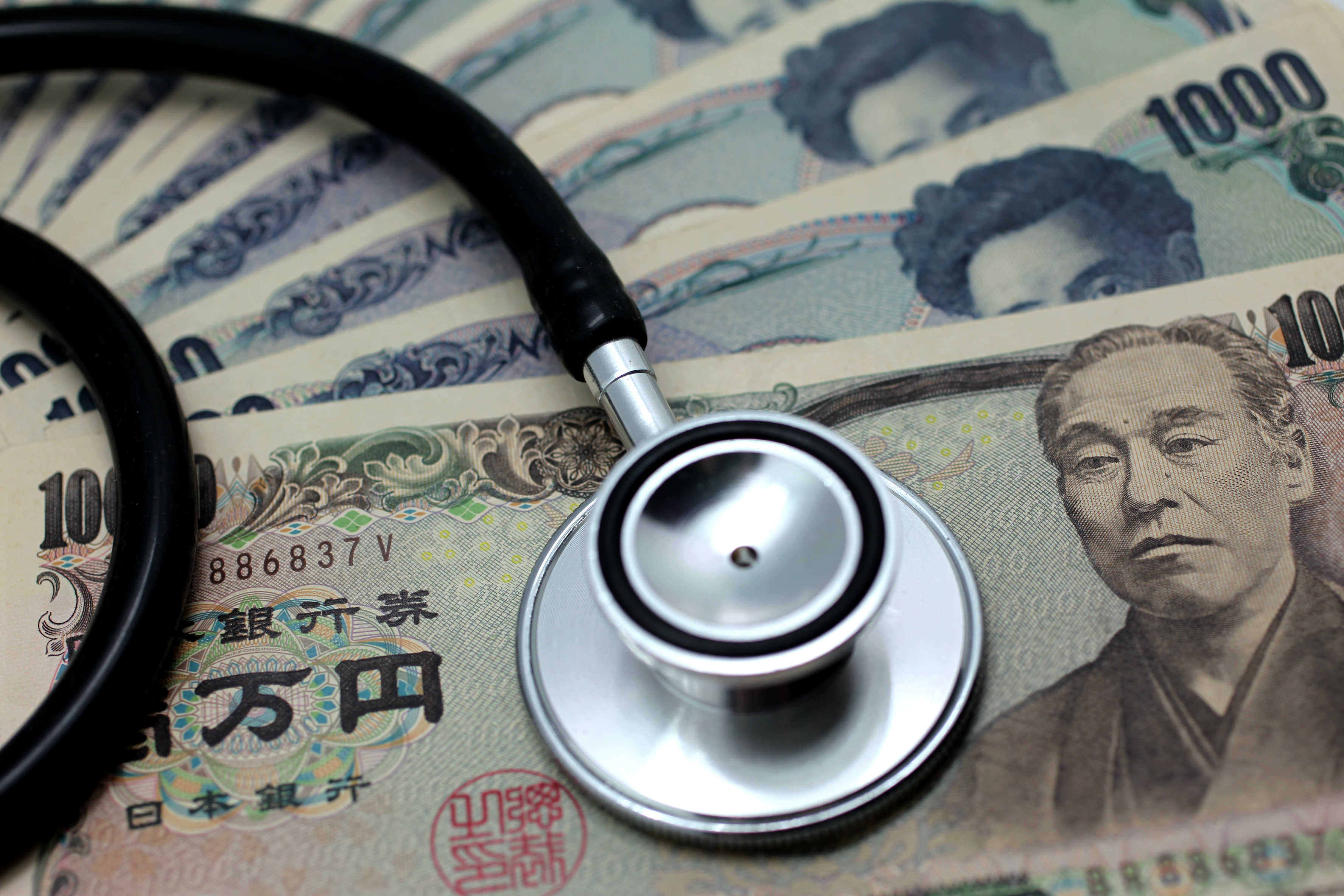
Core Viewpoint - The long-term government bond yields in major European economies are rising sharply, with the UK, Germany, and France reaching their highest levels since the financial crisis, driven by concerns over expanding fiscal deficits and policy uncertainty [1][4]. Group 1: Rising Bond Yields - The UK 30-year government bond yield has reached 5.72%, the highest since 1998, while Germany and France's yields have risen to 3.41% and 4.51%, respectively, marking their highest levels since 2011 and 2009 [1]. - The increase in yields is attributed to significant fiscal spending by European countries in response to geopolitical security and economic recovery, alongside political turmoil in France and the UK, which has heightened concerns about policy coherence [4][6]. Group 2: Fiscal Challenges and Political Uncertainty - The UK faces a £35 billion budget shortfall, with the Chancellor of the Exchequer, Rachel Reeves, struggling to alleviate investor concerns regarding fiscal prospects amid cabinet reshuffles [6]. - France's government is attempting to implement a $51 billion budget cut plan to curb deficits, but severe political divisions and uncertainty over trust votes complicate the situation, with last year's deficit reaching 5.8% of GDP [6]. - Germany's bonds, typically seen as safe assets, are also facing sell-offs due to increased defense and infrastructure spending, raising doubts about the sustainability of fiscal policies in the context of weak economic growth [6]. Group 3: Inflation and Central Bank Policies - Inflation pressures and uncertainties regarding central bank policies are significant factors contributing to rising yields [7]. - High inflation in the UK may limit the Bank of England's ability to cut interest rates further, reducing economic stimulus potential, while Eurozone inflation data exceeded expectations, leading to predictions of sustained high interest rates from the European Central Bank [8]. - Concerns over high debt levels and trade policies in both the US and Europe may introduce new inflationary pressures, further elevating global long-term interest rates [8].