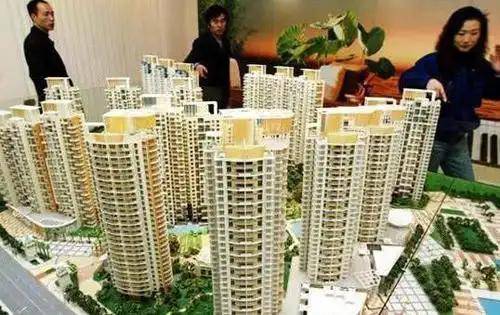
房产贬值

Search documents
10年后房产和存款都将贬值?银行行长直言:手握2样东西心中不慌
Sou Hu Cai Jing· 2026-02-11 17:08
Core Insights - The article highlights the significant reliance of Chinese households on real estate and bank deposits as primary means of wealth accumulation, with real estate accounting for 77% of total household assets and bank deposits at 23% [1] - A warning is issued by industry experts regarding the potential devaluation of both real estate and bank deposits over the next decade, urging individuals to plan accordingly [1] Real Estate Devaluation Concerns - Real estate prices in China have been on a continuous rise for over two decades, but recent adjustments in the market indicate that many cities still exhibit asset bubbles, with prices detached from local income levels [1] - The shift in home-buying behavior post-pandemic reflects a more rational approach, with families facing reduced incomes and job losses, making it difficult to sustain current high property prices [2] - The expectation is that the "investment myth" surrounding real estate may collapse, leading to a return to more reasonable price levels over the next ten years [2] Bank Deposit Value Risks - Since 2023, there has been a consistent decline in bank deposits, with three-year deposit rates falling below 3% and one-year rates dropping below 2% as of 2024 [4] - The ongoing high inflation rates mean that the interest income from bank deposits is insufficient to offset the loss of purchasing power, leading to a gradual devaluation of savings [4] Proactive Strategies for Future Challenges - To mitigate potential financial challenges in the future, experts suggest individuals should focus on acquiring one or two valuable skills that can enhance employability and income potential [5] - Mastering a core skill can provide job security even in times of layoffs, and individuals can also explore side jobs to diversify income sources [6] - Overall, possessing practical skills can serve as a safeguard against unemployment and contribute to increased income levels [6]


楼市再添新变革?新规下,这3类房产或将迎来贬值潮?
Sou Hu Cai Jing· 2025-10-11 04:35
Core Viewpoint - The article discusses the increasing concerns about real estate devaluation in China, highlighting specific types of properties that are more susceptible to depreciation due to market adjustments and demographic changes [1][12]. Group 1: Market Trends - The real estate market in China is experiencing a significant adjustment, with 38 out of 70 major cities reporting a year-on-year decline in second-hand housing prices, with the highest drop reaching 11.2% [1]. - The sales area of commercial residential properties nationwide decreased by 12.3% year-on-year, with first-tier cities down by 5.7%, second-tier cities by 8.9%, and third and fourth-tier cities by 18.6% [1][12]. Group 2: Types of Properties at Risk - **Suburban "Sleep Towns"**: Properties in suburban areas lacking adequate infrastructure and industry support are facing severe challenges, with average transaction cycles reaching 267 days, 2.8 times longer than city center areas [3][4]. - **Old Residential Communities**: Approximately 18.6 million old communities exist, with 25% predicted to face continuous depreciation due to lack of renovation opportunities [7][8]. - **Properties in Overcapacity Regions**: Areas reliant on single industries are experiencing population outflows, leading to reduced housing demand and increased risk of property devaluation [9][11]. Group 3: Factors Contributing to Devaluation - For suburban properties, high commuting costs, inadequate amenities, and population return to urban centers are key factors driving depreciation [4][5]. - Old properties face risks due to aging infrastructure, outdated layouts, and high energy consumption, making them less appealing to modern buyers [7][8]. - In overcapacity regions, reduced job opportunities and declining local government finances diminish the attractiveness of real estate investments [11]. Group 4: Future Outlook - The real estate market is transitioning from an "incremental era" to a "stock era," with a predicted annual housing demand of 8 million units from 2025 to 2035, significantly lower than previous years [12]. - The market is expected to focus more on the living attributes and service functions of properties rather than mere investment appreciation, leading to a clear differentiation between high-quality assets and those lacking competitive advantages [12][16].