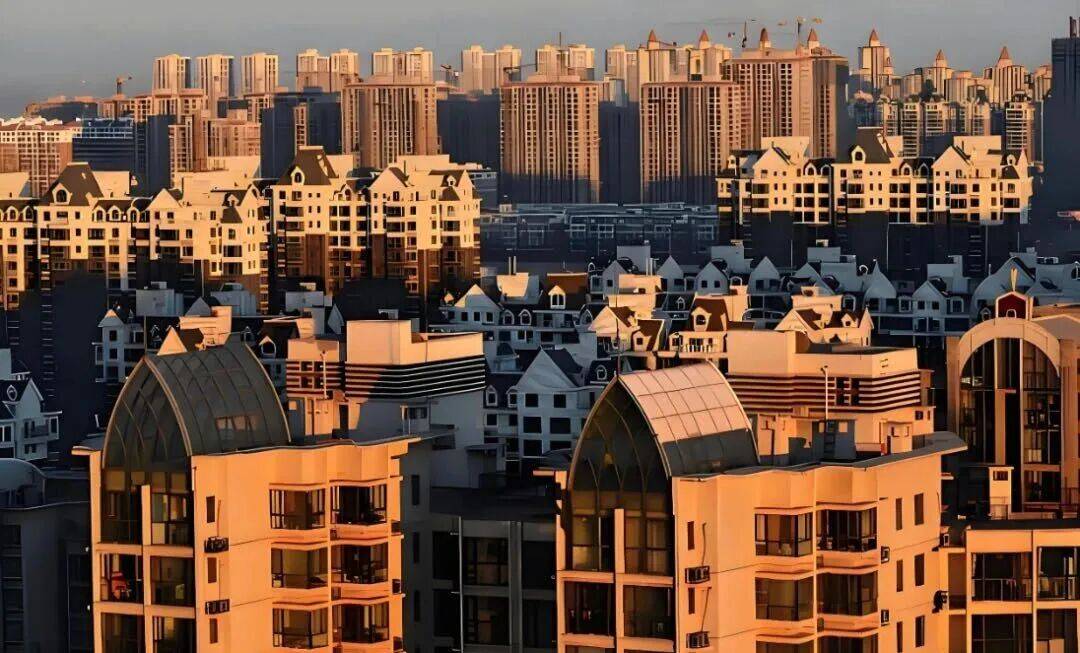
房地产结构性调整

Search documents
40万套公寓滞销!泰国房地产陷入近30年谷底:高债务、加息与中国买家退场叠加冲击市场
Sou Hu Cai Jing· 2026-01-19 06:17
自1997年亚洲金融危机以来,泰国房地产市场从未像今天这样承受多重系统性压力。未售住宅库存高企、开发商融资环境急剧恶化、家庭债务水平居高不 下,再叠加疫情后全球经济持续放缓,使这次低迷更像一场漫长而痛苦的结构性调整,而非一次短暂的周期性回调。 当前最直观、也最令人担忧的信号,是规模空前的未售库存。泰国房地产事务局(AREA)旗下房地产信息中心主席索蓬·蓬乔猜博士向《日经亚洲》表 示,仅曼谷地区就积压约22万套未售公寓,全国范围内可能高达40万套。这些库存绝大多数仍掌握在开发商手中,已从"暂时滞销资产"演变为持续侵蚀现 金流的沉重负担。 未售房源并不只是账面数字,它们意味着不断累积的贷款利息、物业管理与维护成本,以及在资本市场趋紧背景下日益迫近的债券到期压力。对不少高杠 杆扩张的开发商而言,这些库存正在成为决定生死的关键变量。 新项目锐减并非复苏信号,而是防御性收缩。市场的寒意同样体现在新供应端。房地产咨询公司世邦魏理仕(CBRE)的数据显示,2025年前九个月,曼 谷仅推出约13,700套新公寓,远低于2014年至2024年(包括疫情期间)年均约52,000套的水平。 泰国房地产市场正面临自1997年亚洲金融 ...

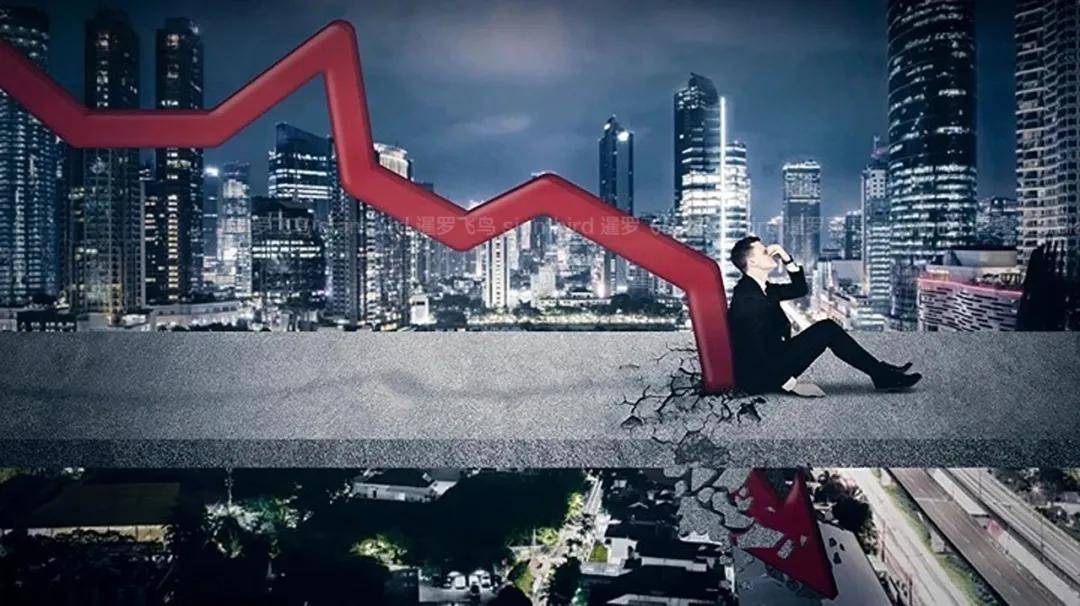
寒冬来临,房地产还有未来吗?
Sou Hu Cai Jing· 2025-10-22 05:05
Core Viewpoint - The real estate industry in China is transitioning from a phase of rapid growth to a new stage characterized by structural adjustments and a focus on high-quality development, indicating a future with different dynamics compared to the past two decades [2][3][6]. Group 1: Market Trends - New home sales are projected to drop to approximately 900 million square meters by 2025, a 50% decrease compared to 2021 [2]. - In the first half of 2025, the national commodity housing sales area saw a year-on-year growth of only 3.5%, marking the lowest growth rate in nearly five years [2]. - The average price of second-hand residential properties in 100 cities was 13,691 yuan per square meter in June, reflecting a year-on-year decline of 7.26% [2]. Group 2: Future Directions - The focus will shift from "incremental development" to "stock operation," emphasizing the revitalization and fine-tuning of existing properties rather than new construction [3]. - The concept of housing is evolving from merely being a "living machine" to creating "living scenes," where the quality of life and community engagement are prioritized [3]. - The market will transition from a "universal appreciation myth" to a "differentiation era," where property values will vary significantly based on location and quality [3]. Group 3: Property Value Determinants - Properties in core cities with scarce resources and strong product capabilities are expected to remain resilient, while properties in areas lacking industrial and population support will revert to their fundamental residential nature [4]. - The value of real estate will increasingly be determined by the quality of life it offers [5]. Group 4: Industry Resilience - The demand for housing is perpetual, indicating that while the industry has a future, individual companies may face challenges, particularly those with high leverage [6].