披萨本土化

Search documents
中国大佬,集体改造“披萨”
东京烘焙职业人· 2026-02-27 08:32
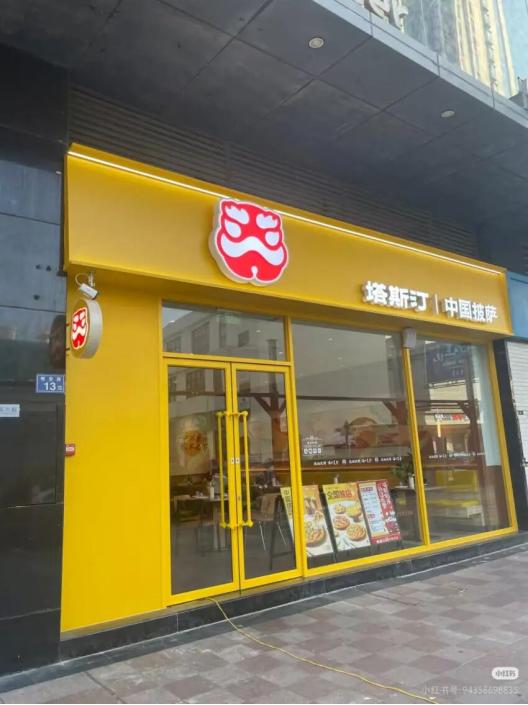
Core Viewpoint - The article discusses how Chinese restaurant giants are collectively transforming the pizza market, leveraging local flavors and business models to capture a rapidly growing market valued at nearly 500 billion yuan [6][32]. Group 1: Transformation of Pizza by Chinese Brands - Chinese brands are innovating pizza by integrating local flavors and culinary traditions, as seen with companies like Tastin, Haidilao, and Ziguangyuan [5][6]. - Tastin is applying its successful "Western form + Chinese core + extreme cost performance" model from the hamburger sector to the pizza category, aiming for a significant market share in the affordable pizza segment [7][13]. - Haidilao is utilizing its strong supply chain to explore a new fast-food model with its brand "Xiao Hai Ai Zha · Chinese Pizza," focusing on regional flavors and agile operations [14][19]. - Ziguangyuan is attracting younger consumers by combining traditional dishes like Peking duck with modern pizza formats, successfully breaking into new customer segments [22][27]. Group 2: Market Opportunity and Growth - The pizza market in China is projected to exceed 60.8 billion yuan by 2025, with a low concentration of major players, providing ample opportunities for innovation and market entry [38][39]. - The rapid growth in lower-tier cities, with a compound annual growth rate of 10%, is becoming a new engine for expansion in the pizza market [39][40]. - The article emphasizes that the pizza category meets all criteria for a good business opportunity: a large market, fast growth, easy standardization, and clear paths for localization [33]. Group 3: Proven Business Models and Supply Chain Efficiency - Major players are not starting from scratch but are replicating successful business models that have been validated in other food categories [41][42]. - Tastin's strategy of reintroducing its pizza business is based on its previously successful hamburger model, utilizing existing supply chains and operational capabilities [45]. - Haidilao's entry into the pizza market is a low-cost extension of its existing resources, leveraging its established supply chain and logistics [49][51]. Group 4: Consumer Trends and Market Adaptation - The trend towards affordable dining is pushing pizza from a casual dining option to a daily fast-food choice, with a significant portion of the market now focused on low-cost offerings [53][54]. - The article notes that as of October 2025, 48.1% of affordable pizza outlets have a per capita consumption of no more than 30 yuan, indicating a shift towards budget-friendly options [54]. - Innovations in pizza offerings, such as Ziguangyuan's local flavor adaptations, are reshaping the category to better align with Chinese consumers' daily eating habits [57]. Group 5: The Shift in Market Sovereignty - The article highlights a fundamental shift in market sovereignty, where the power to define product standards has transitioned from Western brands to local Chinese operators [58][60]. - The failure of Western fast-food models in China is attributed to their slow decision-making processes and inability to adapt quickly to local market demands [61][62]. - Chinese brands are now setting the rules for new categories, moving beyond imitation to redefine and recreate food categories based on local preferences and operational efficiencies [78][79].

中国大佬,集体改造“披萨”
3 6 Ke· 2026-02-09 23:45
Group 1 - Chinese restaurant giants are collectively transforming pizza, integrating local flavors and cultural elements into the product offerings [1][14] - Tastin is applying its successful model from the "Chinese hamburger" sector to the pizza category, focusing on local ingredients and affordable pricing [2][20] - The company aims to capture a significant share of the rapidly growing pizza market, projected to exceed 50 billion yuan this year, with a pricing strategy that keeps individual pizzas under 30 yuan [4][19] Group 2 - Haidilao is leveraging its strong supply chain capabilities to explore a new fast-food model with its brand "Xiao Hai Ai Zha · Chinese Pizza," introducing regional flavors into its offerings [6][24] - The pricing strategy for Haidilao's pizzas is positioned at a moderate level, focusing on unique flavors rather than engaging in price wars [10][27] - Ziguangyuan, a century-old brand, has successfully attracted younger consumers by innovating traditional dishes into pizza formats, such as the "Milk Skin Roast Duck Pizza" [12][36] Group 3 - The pizza market in China is characterized by a large scale and low concentration, providing ample opportunities for innovation and growth [15][19] - The market is expected to surpass 60.8 billion yuan by 2025, with a significant portion of growth coming from lower-tier cities [18][19] - Established players are replicating their successful business models in the pizza sector, as seen with Tastin's approach [20][22] Group 4 - The trend of affordable dining is driving the pizza category to penetrate deeper into everyday fast food consumption [27][28] - The adaptability of pizza as a meal option aligns with the growing demand for convenient and shareable food [28][36] - The transformation of Western fast food into a localized format reflects a significant shift in market dynamics, with Chinese brands now defining the rules of the game [28][39]