
收入分配失衡

Search documents
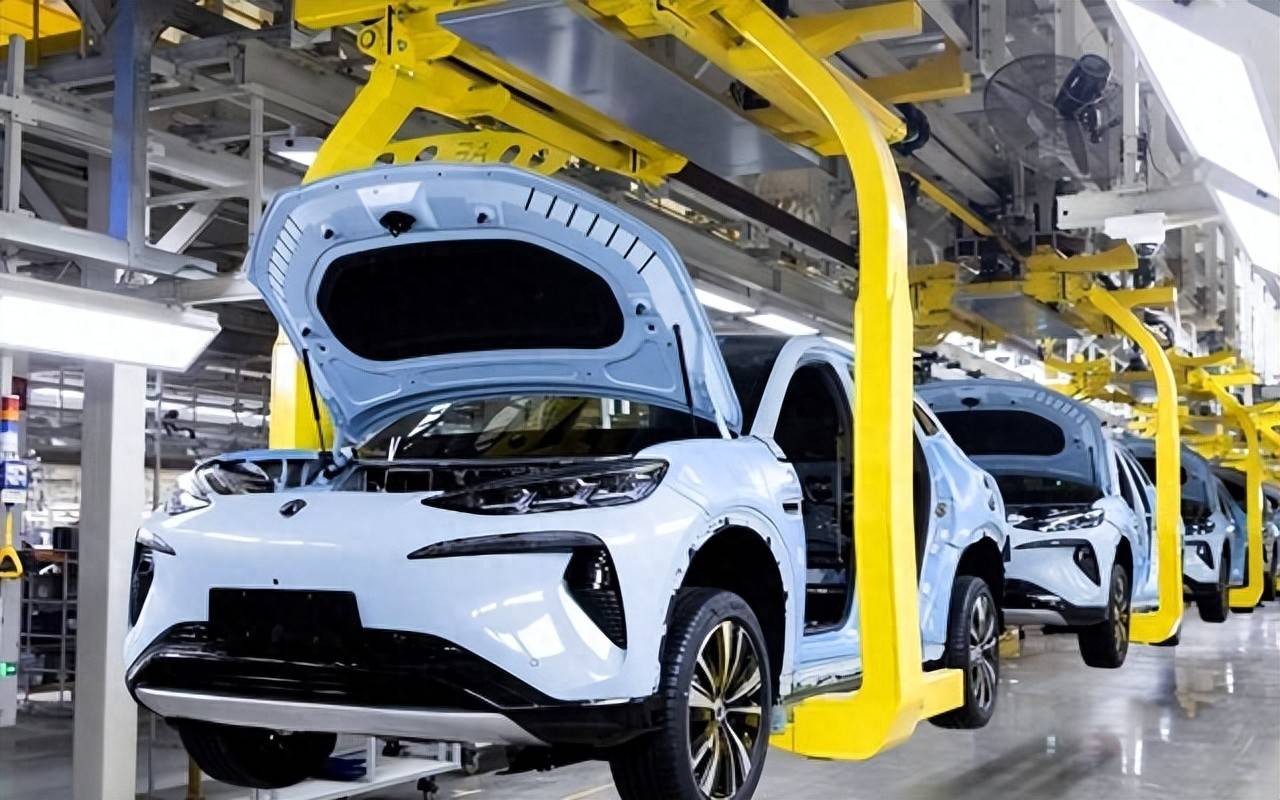
中国消费拉不动的真相,不是没钱,而是不敢承认产能已饱和?
Sou Hu Cai Jing· 2026-01-27 13:11
Group 1: Economic Overview - The apparent prosperity of China's economy, indicated by rising GDP figures, contrasts with the declining purchasing power of the populace, leading to complaints about sluggish consumption [1][7] - The root cause of the consumption issue lies in excessive production capacity, resulting in a surplus of goods that cannot be sold, rather than a simple lack of money [1][3] Group 2: Local Government Policies - Local governments have historically focused on investment and export-driven growth, leading to a proliferation of factories and projects, often at the expense of sustainable demand [3][5] - The tax system incentivizes local governments to prioritize production over consumption, exacerbating the issue of overcapacity [5][9] Group 3: Income Distribution and Consumer Behavior - Although household income is rising, its growth rate lags behind GDP, leading to unequal distribution and limited purchasing power among lower-income groups [7][11] - High housing prices and associated debt burdens have further constrained consumer spending, particularly among younger demographics [9][11] Group 4: Real Estate and Economic Impact - The real estate sector, once a significant driver of GDP, is now facing saturation and high vacancy rates, which negatively impacts consumer confidence and spending [9][11] - The shift from labor-intensive industries to technology and capital-intensive sectors has reduced the share of income going to labor, further limiting consumer purchasing power [11][13] Group 5: Policy Responses and Future Outlook - The government is beginning to recognize the need for structural changes, with plans to enhance income distribution and stimulate consumption while addressing overcapacity [13][15] - Infrastructure investment and labor market reforms are being proposed to create jobs and improve economic efficiency, although implementation challenges remain [15][17] - The future of China's economy hinges on breaking the cycle of overcapacity and enhancing income mechanisms to unlock consumer potential [17]

宏观经济专题研究:收入分配与政府支出结构如何催生通缩压力?
Guoxin Securities· 2025-10-10 10:34
Group 1: Economic Structure and Demand Gap - Income distribution is increasingly skewed towards capital, leading to a concentration of wealth among high-net-worth individuals with low marginal propensity to consume, while labor income shares shrink[1] - This structural imbalance creates a persistent "demand gap," as high-income groups do not consume enough to match their income, while low-income groups lack disposable income despite their higher consumption willingness[1] - The reliance on credit expansion to mitigate demand shortfalls is limited; if debt expansion among households, government, and net exports stalls, the demand gap will widen, resulting in deflationary pressures[1] Group 2: Debt Cycle and Economic Trends - From 1992 to 2009, China experienced alternating expansions of household debt and net exports to balance supply and demand[2] - Between 2009 and 2018, household leverage rose significantly, becoming the primary driver of demand, but from 2020 to 2024, household leverage plateaued while government leverage increased, failing to prevent deflation[2] - The capital income share in China has been on the rise since 2015, and the slowdown in service sector growth from 2021 to 2024 may further exacerbate income distribution issues, increasing the demand gap[2] Group 3: Policy Implications and Historical Context - The experience of price recovery in 2016-2017 is unlikely to be replicated due to the current plateau in household leverage and a significant demand gap[3] - Structural reforms in income distribution and government spending optimization are necessary to reduce the demand gap and enable future price recovery once households regain leverage capacity[3] - Risk factors include potential market volatility abroad and uncertainties in domestic policy execution, which could impact economic stability[4]