政府停摆对经济的影响

Search documents
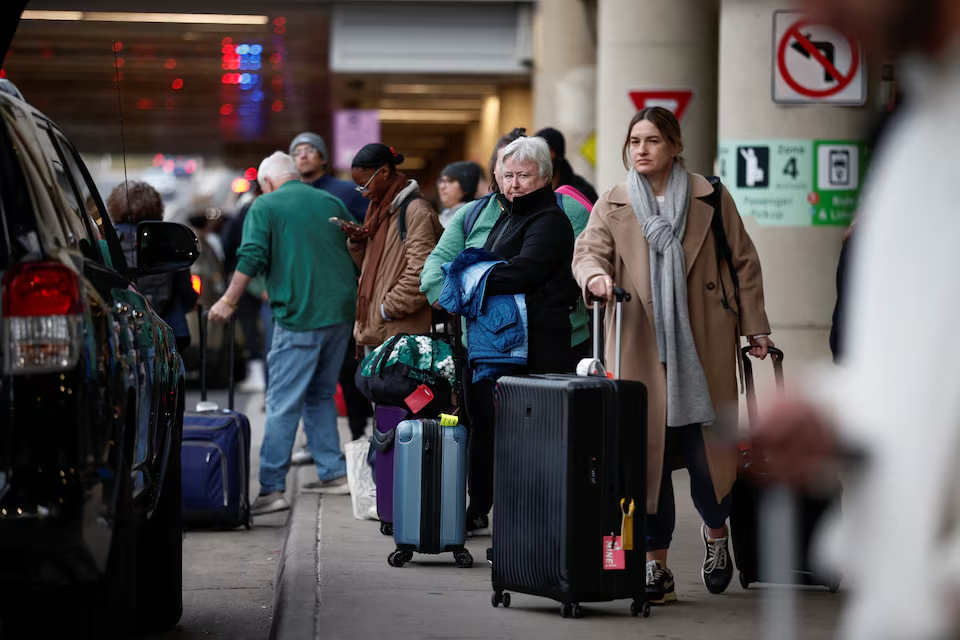
“停摆”加剧航班限流 美国民众出行难
Xin Hua She· 2025-11-10 11:51
Core Points - The ongoing federal government shutdown has led to a significant shortage of air traffic controllers, resulting in a mass retirement wave and operational challenges for the aviation industry [1][2] - The Federal Aviation Administration (FAA) has reported a staffing shortfall of 1,000 to 2,000 air traffic controllers, exacerbated by over 13,000 controllers and 50,000 Transportation Security Administration (TSA) workers working without pay for 40 days [2] - The impact of the shutdown has caused over 4 million travelers to have their travel plans affected, with significant flight cancellations and delays reported across major airports [3][4] Group 1: Air Traffic Control Shortage - The FAA has indicated that up to 12 air traffic control towers are understaffed, with retirements increasing from about 4 per day to between 15 and 20 due to the shutdown [2] - If the shutdown continues, the FAA may request a reduction of up to 20% in air travel capacity due to the increasing number of absent air traffic controllers [2] Group 2: Impact on Travelers - On November 9, over 2,800 flights were canceled and more than 10,000 flights were delayed, marking the most severe day since the shutdown began on October 1 [3] - Major airports like Newark Liberty International and LaGuardia have seen significant disruptions, with 27% of departing flights canceled and over half of flights delayed, respectively [3] Group 3: Economic Implications - The shutdown's impact on air travel could threaten U.S. economic growth, particularly during the critical holiday season, which is a peak time for consumer spending [4] - The American Airlines Association estimates that the economic loss due to the shutdown could range from $285 million to $580 million per day by November 14 [4]
“政治僵局已经演变为经济灾难”,美国1000架次航班被取消!
Zhong Guo Jing Ji Wang· 2025-11-08 09:07
Group 1 - The U.S. Senate failed to advance the Specific Federal Employee Appropriations Act (S.3012) with a vote of 53 to 43, indicating ongoing bipartisan divisions and prolonging the government shutdown [1] - The government shutdown has reached its 38th day, leading to significant disruptions in air travel, with over 3,500 flight delays and approximately 1,000 cancellations reported [2] - Major airlines such as American Airlines, Delta Air Lines, Southwest Airlines, and United Airlines have been affected, particularly in key hubs like Chicago O'Hare International Airport and Dallas-Fort Worth International Airport [2] Group 2 - Economic advisors warn that the government shutdown's impact on the U.S. economy is greater than expected, potentially causing long-term damage to government efficiency [3] - The shutdown is expected to slow GDP growth in the fourth quarter, with significant adverse effects on the tourism and leisure sectors [4] - The Labor Statistics Bureau's failure to release the October non-farm payroll report due to the shutdown raises concerns about missing unemployment data, complicating the Federal Reserve's decision-making for interest rate adjustments [4]
The shutdown is starting to ‘bite the economy,' top Trump aide warns. The Senate is struggling to make a deal.
MarketWatch· 2025-11-07 19:10
Core Insights - A top economist in the Trump administration has issued a warning regarding the adverse effects of the ongoing government shutdown, which is setting records in duration and impact [1] Group 1 - The Senate is currently facing challenges in reaching an agreement to end the government shutdown [1] - Airports have started to reduce flight operations as a direct consequence of the shutdown [1]


美联邦政府“停摆”进入第38天 美中情局警告称美国家安全面临风险
Yang Shi Wang· 2025-11-07 12:32
Group 1 - The U.S. federal government shutdown has entered its 38th day, leading to significant operational challenges for key agencies, including the CIA, which faces funding difficulties that could jeopardize national security [1] - The government shutdown has caused delays in the release of important economic data, which may impact the Federal Reserve's decision-making regarding interest rate cuts, as noted by the Chicago Fed President [2] - Major U.S. airlines have begun to reduce flight schedules due to the shutdown, with the FAA notifying airlines to cut 4% of flights at 40 busy airports, escalating to a 10% reduction next week, affecting daily operations significantly [3]
美国政府停摆刷新历史纪录,每周损失超百亿美元
Di Yi Cai Jing Zi Xun· 2025-11-06 14:16
Core Viewpoint - The ongoing U.S. government shutdown, now in its 37th day, is causing significant economic damage, with estimates of weekly losses ranging from $10 billion to $30 billion, potentially impacting the fourth-quarter economic growth rate by up to 2 percentage points if the deadlock continues [2][4][5]. Economic Impact - Historically, government shutdowns have had temporary effects, with furloughed employees receiving back pay. However, this shutdown is expected to have more severe consequences due to its prolonged duration and the current economic fragility, with many Americans concerned about inflation and job prospects [4][6]. - The shutdown is affecting millions of Americans, particularly during the holiday season, as many will lose access to food assistance programs [4][5]. - The Federal Aviation Administration (FAA) has announced a 10% reduction in flight operations at 40 major airports due to air traffic controller shortages caused by the shutdown [5][6]. Employment and Unemployment - The shutdown is contributing to a rise in the unemployment rate, with estimates suggesting it could increase from 4.3% to 4.7% in October due to furloughed federal employees being counted as unemployed [7]. - The shutdown has led to an estimated $24 billion in paused federal spending on goods and services, affecting contractors and suppliers who rely on these funds [7][8]. Consumer Confidence and Spending - Economists warn that if the shutdown extends into the holiday shopping season, it could further undermine consumer confidence and spending, exacerbating economic losses [8][9]. - Previous shutdowns have typically pressured consumer confidence, and this situation is expected to follow suit, despite some positive economic indicators such as rising stock markets and falling gasoline prices [9].
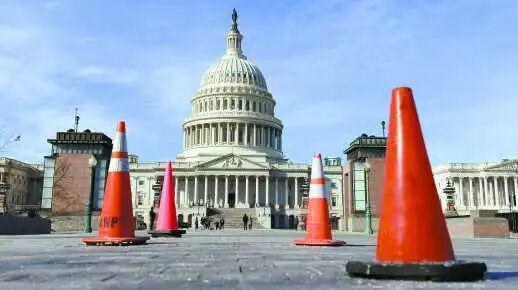
进入第37天!美国政府停摆刷新历史纪录,每周损失超百亿美元
Di Yi Cai Jing· 2025-11-06 11:44
Core Viewpoint - The prolonged U.S. government shutdown, now the longest in history at 37 days, could lead to a potential decline of up to 2 percentage points in the fourth-quarter economic growth rate, with weekly losses estimated between $10 billion and $30 billion [1][3][4]. Economic Impact - The Congressional Budget Office (CBO) warns that if the shutdown extends into Thanksgiving week, approximately $14 billion in losses will be irrecoverable [1]. - Historical data suggests that previous shutdowns had temporary impacts, but this shutdown is expected to have more severe consequences due to its extended duration and the current economic fragility, with many Americans concerned about inflation and job prospects [3][6]. - The Federal Aviation Administration (FAA) has announced a 10% reduction in flight schedules at 40 major airports due to air traffic controller shortages caused by the shutdown [4][5]. Broader Consequences - The shutdown's effects are widespread, impacting not only federal employees but also millions of Americans who rely on food assistance during the holiday season [3][5]. - The unemployment rate may rise from 4.3% to 4.7% as furloughed federal employees are counted among the unemployed [5]. - An estimated $24 billion in federal goods and services spending has been paused, affecting contractors and suppliers reliant on these funds [5][6]. Small Business and Community Effects - Approximately 4,800 small businesses have had $2.5 billion in loans frozen due to the shutdown, hindering their daily operations and expansion efforts [6]. - The Head Start program, which provides essential services for children and families, has already seen over 8,000 children lose access to services, with numbers expected to rise if the shutdown continues [6]. Consumer Confidence - The shutdown is anticipated to further erode consumer confidence, particularly as it coincides with critical shopping seasons like Thanksgiving and Christmas [6][7]. - Despite some positive economic indicators, such as rising stock markets and low unemployment claims, the political situation in Washington is expected to overshadow these factors, leading to a decline in consumer sentiment [7].
美媒:此次美国政府停摆很可能是破坏性最大的一次
Zhong Guo Xin Wen Wang· 2025-11-06 08:08
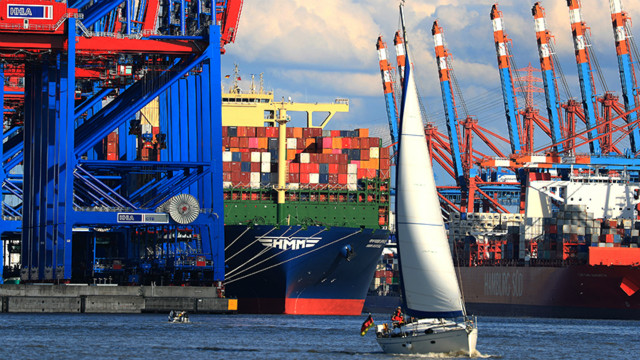
Core Insights - The current U.S. government shutdown, which began on October 1, has lasted at least 36 days and is likely to be the most destructive in history, impacting various sectors significantly [1][2] - Unlike previous shutdowns, this one has resulted in 100% of funding being unable to be executed, leading to severe economic repercussions [2] Economic Impact - Historically, government shutdowns have had short-term economic impacts, but this shutdown is expected to slow the fourth-quarter GDP growth by 1.15 percentage points, with a revised growth forecast of only 1% [1] - The Congressional Budget Office estimates that the shutdown could reduce the annual GDP growth rate by 1 to 2 percentage points, with permanent economic losses projected between $7 billion and $14 billion [2] Social Consequences - Millions of Americans are unable to receive essential benefits such as food stamps (SNAP), and approximately 1.4 million federal employees are working without pay [1] - The disruption in government data updates has hindered investors and policymakers from accurately assessing the state of the U.S. economy [1] Broader Economic Context - The timing of the shutdown is particularly detrimental as the economy was already slowing, exacerbated by high tariffs, low immigration numbers, and student loan repayment pressures [2] - The political implications of the shutdown have drawn criticism, highlighting the willingness of both parties to allow public suffering for political gain [2]
史上最长政府停摆!特朗普:冲击股市,但仍预计将创新高,应尽快重新开门
美股IPO· 2025-11-05 23:30
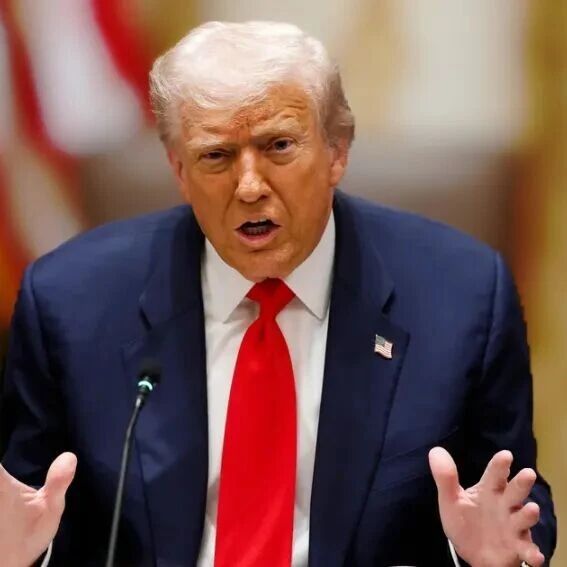
Core Viewpoint - The U.S. government shutdown has reached a historic 36 days, causing significant economic impacts, particularly on the stock market, aviation industry, and food assistance programs [1][3][5]. Economic Impact - The government shutdown is estimated to cause economic losses of $10 billion to $30 billion per week, with an average prediction of $15 billion [5]. - The current economic environment is more fragile compared to previous shutdowns, with inflation pressures and employment uncertainties affecting the public [5]. - Approximately $24 billion in federal procurement spending has been frozen during the first month of the shutdown, impacting contractors and suppliers [7]. Food Assistance and Social Programs - The shutdown has delayed food assistance, with only half of the expected SNAP benefits for November being funded, affecting 42 million people [7][8]. - Over 8,000 children and families have lost access to early education services due to funding interruptions from the shutdown [8]. Political Dynamics - Trump has urged the Republican Party to end the "filibuster" to facilitate the passage of legislation to reopen the government, but this proposal has faced resistance from party leadership [9]. - As of November 5, attempts to pass temporary funding bills to end the shutdown have repeatedly failed to secure the necessary 60 votes in the Senate [9].
美旅游协会警告:若“停摆”至感恩节假期旅行季,将对全美各州社区造成灾难性经济后果
Huan Qiu Wang· 2025-11-04 04:18
Core Points - The U.S. Travel Association has urged Congress to end the government shutdown, warning of immediate consequences for millions of travelers and devastating economic impacts on communities across the U.S. as the busy Thanksgiving travel period approaches [1][3] - The current government shutdown has already resulted in over $4 billion in economic losses, with the figure increasing daily, according to the U.S. Travel Association [3] - Travel spending during the holiday season generates billions in economic benefits, supporting jobs, local taxes, and small businesses across the country [3] - The ongoing shutdown is significantly suppressing travel demand and consumption, posing a real threat to American workers, businesses, and the overall economy [3] - As of November 3, the current federal government shutdown has become the second longest in U.S. history, nearing the record of 35 days, with over a million military personnel facing payroll issues and approximately 42 million Americans experiencing food insecurity [3] - The political stalemate continues, with Vice President Kamala Harris indicating that the shutdown could last until late November [3]
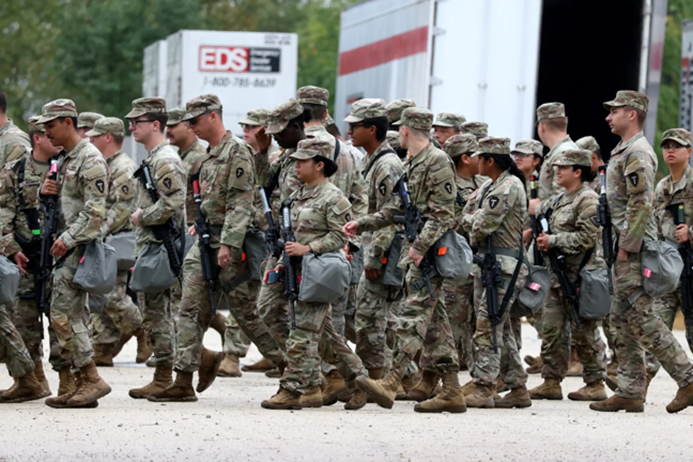
“最后一刻筹集到”,美媒披露美政府“停摆”期间为军人发放工资的资金来源
Huan Qiu Wang· 2025-10-30 04:58
Core Points - The U.S. federal government has been in a "shutdown" for nearly five weeks, leading to the use of approximately $5.3 billion from three accounts to ensure military personnel receive their salaries [1][3] - This is the second time funds have been reallocated to ensure military pay during the shutdown, with previous reallocations totaling around $8 billion [3] Funding Sources - $2.5 billion was drawn from the military housing fund to continue housing allowances for military personnel [3] - $1.4 billion was sourced from the research, development, testing, and evaluation fund, primarily for Army and Air Force salaries [3] - Another $1.4 billion was taken from a procurement account for naval vessel construction, mainly for Navy and Marine Corps salaries [3] Impact of the Shutdown - The shutdown began on October 1, after the Senate failed to pass a temporary funding bill, affecting approximately 750,000 federal employees who are on unpaid leave, with more working without pay [3] - The Congressional Budget Office warned that if the shutdown continues, it could result in economic losses ranging from $7 billion to $14 billion [3]