政策精准发力

Search documents
2026年消费展望:政策精准赋能、市场纵深拓展、热点多元涌现
Sou Hu Cai Jing· 2026-01-12 08:41
Group 1 - The core viewpoint of the articles highlights the expected deepening development of China's consumer market in 2026, driven by macroeconomic improvements and targeted policies that emphasize quality and efficiency [1][2][8] - The "old-for-new" policy has shown significant results in 2025, with over 2.6 trillion yuan in sales benefiting more than 360 million consumers, indicating a successful expansion of consumption scale and structural upgrades [2][3] - The 2026 consumption policies will focus on "precise efforts and quality enhancement," optimizing support scope, subsidy standards, and implementation mechanisms to ensure effective resource allocation [2][3] Group 2 - The county-level market is emerging as a new growth engine for consumption, with the instant retail sector expected to exceed 1 trillion yuan in 2026, driven by improved digital infrastructure and consumption upgrades [4][5] - Well-known brands in the hotel, restaurant, and retail sectors are accelerating their entry into county markets, indicating a positive outlook for county-level consumption [5] - New consumption hotspots are reshaping the market, with seasonal tourism and emotional consumption gaining traction, reflecting profound changes in consumer demand and driving domestic demand and industrial innovation [6][7][8]
武汉5月新房成交环比增38%,中心城区领涨,四代住宅与新政共促市场回暖
Chang Jiang Ri Bao· 2025-06-22 04:47
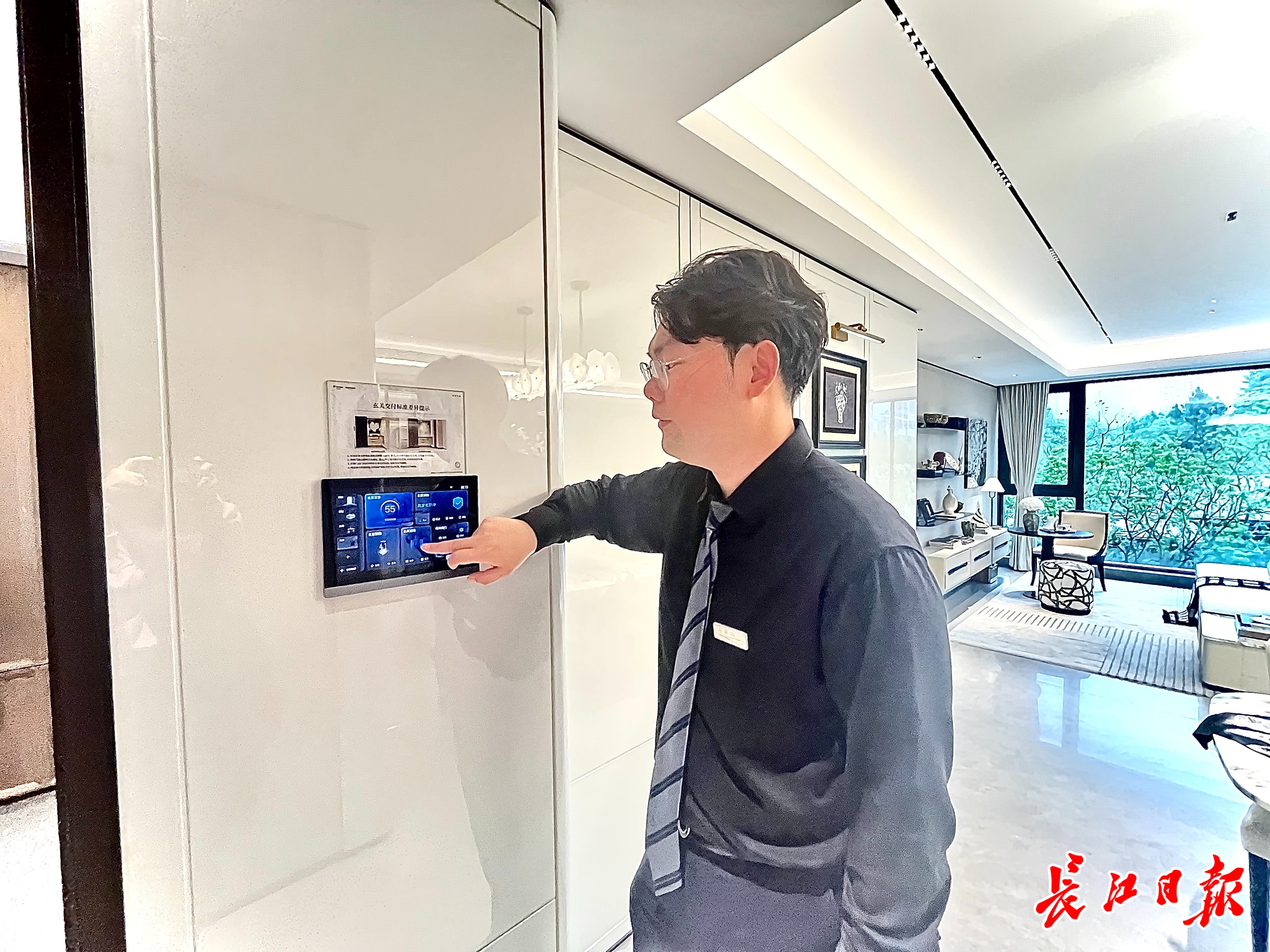
Core Viewpoint - The Wuhan real estate market is showing a clear trend of recovery, driven by national policies aimed at stabilizing expectations and the market, with significant increases in housing transactions and buyer interest [1][9]. Market Trends - In May, the total area of newly signed commercial housing in Wuhan reached 834,200 square meters, representing a month-on-month increase of 38.91% and a year-on-year increase of 21.32% [1]. - The average daily visitor count at the sales center of the Changjiang Tianqingfu project was nearly 100 groups, with over 60% of buyers being improvement-type customers [4][8]. - The transaction volume of newly built commercial housing in the central urban area was 467,400 square meters in May, with a month-on-month increase of 52.6% [9]. Buyer Behavior - Buyers are increasingly focused on quality living rather than just having a place to live, reflecting a shift from "having a house" to "living well" [8][19]. - The demographic of buyers is shifting, with a significant portion of visitors being young professionals aged 25 to 35, particularly from the technology sector [8]. Product Innovation - The fourth-generation residential projects are gaining popularity due to their high usable area and smart design features, aligning with the Ministry of Housing's standards for "good housing" [8][19]. - Innovations such as high usable area designs and smart home technologies are becoming key selling points, with some projects offering significant savings on usable space [14]. Policy Impact - The "Han Nine Articles" policy introduced in late April has injected new momentum into the market, supporting improvement-type housing demand and providing financial incentives for buyers [15][19]. - Specific measures include tax subsidies for "selling old to buy new" and financial support for families with multiple children, which are aimed at revitalizing both the new and existing housing markets [19]. Market Dynamics - The market is experiencing a structural change, with the proportion of fourth-generation residential projects exceeding 30%, indicating a shift towards higher quality housing [19]. - The land market reflects this trend, with a residential plot in Wuchang district sold at a premium of 30.59% after 38 rounds of bidding, showcasing developers' interest in prime locations [20].