
敌国条款

Search documents
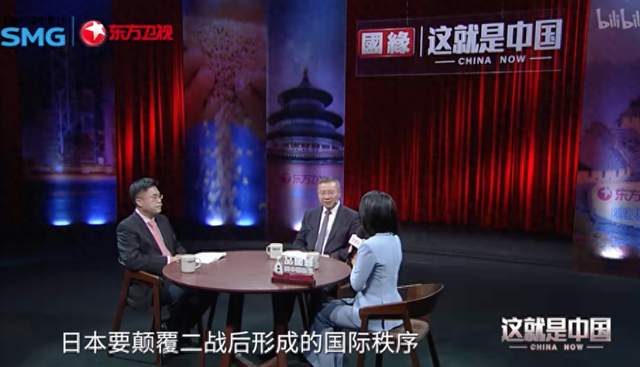
张维为《这就是中国》第316期:日本“搞事”?当迎头痛击!
Xin Lang Cai Jing· 2026-01-18 00:58
Core Viewpoint - The recent remarks by Japan's Prime Minister, Sanna Takashi, regarding Taiwan have provoked strong outrage among the Chinese populace, raising concerns about the resurgence of Japanese militarism [3][4][12]. Group 1: Political Context - Takashi's statement that "Taiwan's issues constitute a survival crisis for Japan" implies potential military intervention by Japan in the Taiwan Strait, which has been met with significant backlash from China [3][4]. - The comments are seen as undermining the political foundation established by the 1972 Sino-Japanese Joint Communiqué, prompting discussions about revisiting war reparations from Japan for its actions during the Second Sino-Japanese War [4][6][12]. Group 2: Public Sentiment and Media Response - A short video of the response to Takashi's remarks garnered over a million views on major social media platforms, reflecting a strong public sentiment against Japanese militarism [3][4]. - The program "This is China" serves as a platform for gathering public opinion and promoting consensus on significant issues, indicating a shift towards a more assertive stance in addressing Japan's actions [4][6]. Group 3: Strategic Recommendations - There is a call to accelerate the process of national reunification with Taiwan, suggesting that resolving this issue could diminish the influence of Japanese militarism [6][12]. - Recommendations include implementing various measures—political, military, economic, and legal—to expedite reunification and counteract Japanese militaristic tendencies [6][8]. Group 4: International Relations and Legal Framework - The U.S. National Security Strategy report indicates a shift in global power dynamics, suggesting that the U.S. may no longer maintain its previous level of dominance, which could impact Japan's military ambitions [6][12]. - The discussion includes the potential application of the "enemy clauses" in the UN Charter, which could allow for military action against Japan if it pursues aggressive policies [12][20]. Group 5: Historical Context and Future Implications - The historical context of Japan's militarism and its implications for regional stability are emphasized, with references to past conflicts and the need for accountability regarding Japan's wartime actions [4][12][20]. - The potential for Japan to seek a permanent seat on the UN Security Council is challenged, as its actions are viewed as a violation of post-war international order [20][22].

告诫日方停止妄言,划定涉台清晰红线,中方重申《联合国宪章》警告日本
Huan Qiu Shi Bao· 2025-11-23 22:48
Core Viewpoint - The Chinese government has issued a strong warning to Japan regarding its involvement in the Taiwan Strait situation, asserting that any military intervention would be considered an act of aggression, and China will exercise its right to self-defense as per the UN Charter and international law [1][2] Group 1: China's Position - China's permanent representative to the UN, Fu Cong, emphasized that Japan's Prime Minister Kishi's remarks violate international law and provoke the Chinese people and nations that suffered from Japanese aggression [1] - The letter sent to the UN will be distributed to all member states, aiming to alert Japan to cease its provocative rhetoric and to inform the international community about Japan's dangerous legislative moves to expand its collective self-defense capabilities [1][2] Group 2: International Reactions - The letter has been described as the strongest wording used by China in response to the most severe bilateral crisis between China and Japan in recent years, with a clear message to defend its rights [1] - The Chinese Embassy in Japan referenced the "enemy clause" of the UN Charter, which allows for military action against nations that have previously engaged in fascist or militaristic policies without needing Security Council authorization [2] Group 3: Historical Context - Analysts highlight that Japan's attempts to exercise collective self-defense and military threats are legally unfounded, given its status as a World War II defeated nation and its constitutional commitment to renounce war [2][3] - The shift in Japan's stance from a peace-oriented nation to one seeking military capabilities poses a significant threat to regional and global stability, challenging the post-war international order [3]
中国霸气宣布!有权军事打击实施侵略政策的日本,无需安理会授权
Sou Hu Cai Jing· 2025-11-23 12:08
Core Viewpoint - The recent statement from the United Nations reinforces China's position on Taiwan, asserting that Taiwan has historically belonged to China and that China does not need to seek approval from others regarding its territorial issues [1]. Group 1: International Law and Historical Context - The Chinese Embassy in Japan highlighted the "enemy clause" from the UN Charter, emphasizing that countries like Japan, which have a history of aggression, could face military action from the five founding members of the UN without Security Council approval if they show signs of aggression again [3]. - The "enemy clause" was established post-World War II to prevent the resurgence of Axis powers, specifically Germany, Japan, and Italy, ensuring that necessary actions, including military strikes, could be taken without lengthy Security Council procedures [6]. - China's reaffirmation of this clause is a response to Japan's recent militaristic actions, which are perceived as crossing red lines, including attempts to revive militaristic rhetoric and increasing defense budgets [8]. Group 2: Implications for Regional Stability - The Chinese Embassy's reference to the "enemy clause" serves as a legal warning, indicating that Japan must adhere to its post-war responsibilities and that any military intervention regarding Taiwan will be viewed as an act of aggression [10]. - The invocation of the "enemy clause" acts as a deterrent, aiming to halt any resurgence of militarism in Japan and reminding the international community of the historical lessons learned from past conflicts [12]. - The future actions of the Japanese government will significantly impact not only Japan's trajectory but also the broader peace and stability in Asia and the world [14].
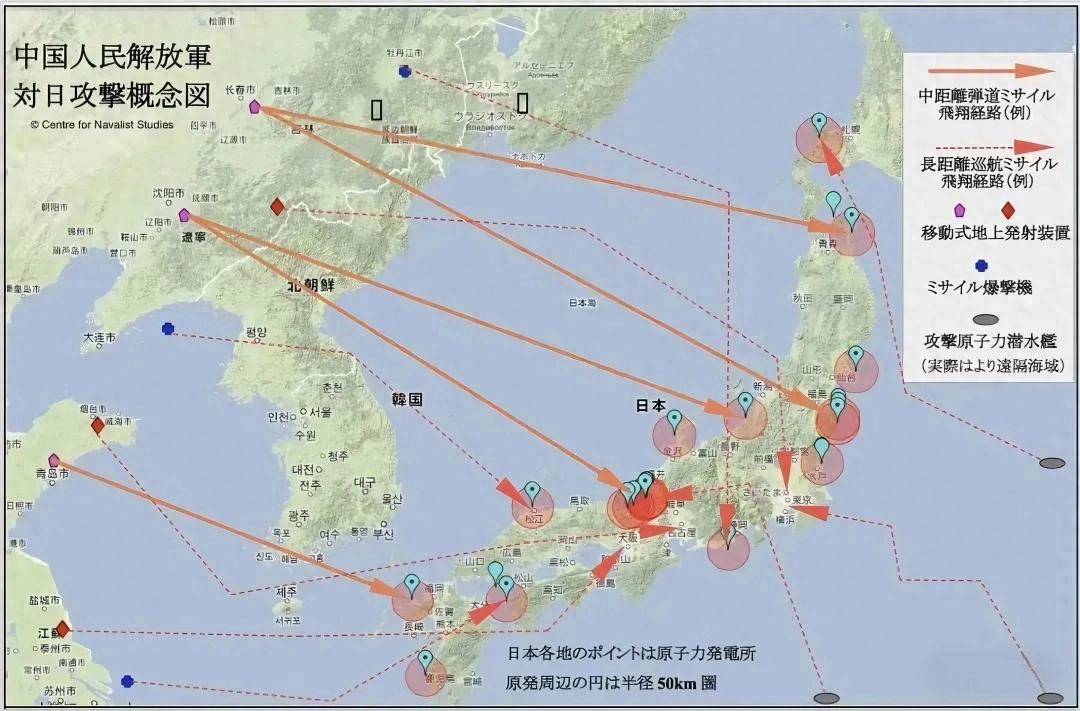
中国驻日使馆重申敌国条款
券商中国· 2025-11-21 12:27
Group 1 - The Chinese Embassy in Japan posted on social media about the "enemy state clause" in the UN Charter, which allows founding member states like China, France, the Soviet Union, the UK, and the US to take military action against countries like Germany, Italy, and Japan if they pursue aggressive policies again without needing Security Council authorization [1] Group 2 - There are significant market movements reported, including a sharp rise in Nvidia's stock following a major announcement, and a sudden drop in US stocks due to negative news from external markets [3] - The article highlights a surge in interest among users regarding Chinese stocks, indicating potential investment opportunities [3] - The overall market sentiment appears to be volatile, with reports of both significant gains and losses in various sectors [3]
中国驻日使馆重申敌国条款
第一财经· 2025-11-21 11:12
Group 1 - The Chinese Embassy in Japan posted on social media regarding the "enemy state clause" established by the UN Charter, which allows founding member countries like China, France, the Soviet Union, the UK, the US, and others to take military action against countries like Germany, Italy, and Japan if they engage in aggressive policies again without needing Security Council authorization [3]
这些历史红线就是高压线,不容高市早苗反复“横跳”
Xin Jing Bao· 2025-11-19 06:01
Core Viewpoint - The recent statements and actions by Japanese Prime Minister Kishi Sanae regarding Taiwan and Japan's defense policies have escalated tensions with China, prompting serious diplomatic repercussions and potential economic impacts on Japan [1][2][3][4][5][6][7][8] Group 1: Diplomatic Tensions - The Chinese Foreign Ministry has formally protested against Kishi's remarks, emphasizing that they violate international law and damage the political foundation of Sino-Japanese relations [1][2] - Kishi's comments about Taiwan being a potential military intervention point for Japan have been interpreted as a significant escalation in Japan's military posture [3][4] - The Japanese government's attempts to maintain dialogue with China while simultaneously making provocative statements have led to a perception of inconsistency in its foreign policy [2][7] Group 2: Historical Context and Policy Changes - Kishi's administration is seen as actively challenging Japan's post-war pacifist stance, particularly regarding the "Three Non-Nuclear Principles" [5][6] - The potential revision of Japan's defense policies, including the reintroduction of military terminology, indicates a shift towards a more aggressive military posture [5][6] - Historical grievances and territorial disputes, such as the issue of the disputed islands with South Korea, have been reignited, complicating regional relations [2][3] Group 3: Economic Implications - Analysts predict that the deteriorating relations between Japan and China could lead to a significant economic downturn, estimating a potential GDP loss of 1.79 trillion yen, equivalent to a 0.29% decrease [8] - The decline in Chinese tourist numbers, which constitute a substantial portion of Japan's tourism revenue, poses a serious threat to Japan's economic recovery [8]