
文化多样性保护

Search documents
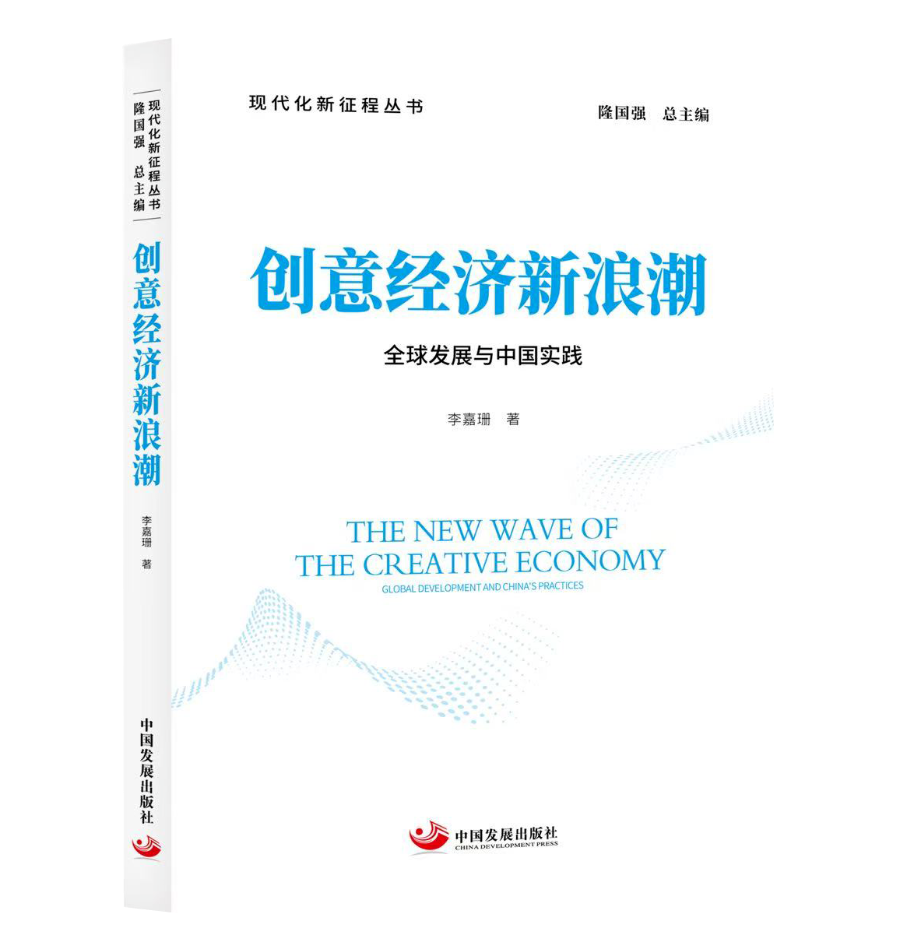
21书评|创意经济“出海”:需有针对性突破贸易壁垒
2 1 Shi Ji Jing Ji Bao Dao· 2026-01-12 08:05
Core Insights - The creative economy has become a significant driver of global economic growth, accounting for 6.8% of global economic value added, with notable performance in countries like the UK, US, and South Korea [1][5] - China's creative industry is rapidly expanding in international markets, facing challenges in statistics, policy support, and data capabilities [1][5] Group 1: Growth of China's Creative Industry - China's cross-border trade in creative industries has shown strong growth, with the number of key cultural export enterprises increasing from 142 in 2007 to 404 by 2025, reflecting an annual growth rate of 12.1% [5] - The total value of China's cultural trade has surged from $16.64 billion in 2007 to approximately $194.33 billion by 2024, representing a growth of over ten times [5] - In 2024, China's cultural trade accounted for 19.4% of the global total, with an annual growth rate of 12.7% from 2007 to 2024, significantly surpassing the international average [5] Group 2: Digital Transformation and Investment - The integration of digital technology is driving the growth of China's creative industries, particularly in digital content and cultural technology sectors, with areas like animation, online literature, and digital film becoming investment hotspots [6] - The number of digital culture-related enterprises among key cultural export companies increased from 15 (10.6% of the total) in 2007 to 144 (35.6%) in 2025, highlighting the impact of digital technology on cultural trade [5][6] Group 3: Challenges and Barriers - China's creative industries face several barriers in the globalization process, including digital trade restrictions, cultural recognition differences, and conflicts in international regulations [6][7] - The debate over "cultural exception" within the WTO framework presents challenges, as countries like France advocate for protecting local cultures while the US supports free trade principles for digital cultural products [7] - To navigate these challenges, Chinese cultural enterprises are encouraged to develop comprehensive risk management systems, utilizing big data for real-time monitoring and analysis of investment environments [7] Group 4: Cultural Exchange and Development - High-quality development of cultural trade requires a balance between exports and imports, promoting both the outbound flow of Chinese culture and the import of foreign cultural products [8] - Significant progress has been made in China's cultural trade through top-level design, the establishment of cultural free trade zones, and interdisciplinary talent cultivation [8]

让传统继续呼吸 从拉美经验看“活态遗产”的全球意义
Jin Rong Shi Bao· 2025-10-24 02:02
Core Insights - The article emphasizes the importance of intangible cultural heritage (ICH) as a living expression that evolves and adapts in contemporary society, rather than being a relic of the past [1][2][3] Group 1: Definition and Importance of ICH - ICH is redefined as a source of social energy that connects identity, memory, and community, rather than merely a nostalgic object [1][2] - The concept of "living heritage" was introduced by Mexican anthropologist Guillermo Bonfil Batalla, highlighting that heritage is a dynamic expression of beliefs and skills [2][3] Group 2: Latin America's Approach to ICH - Latin American scholars reject the "museumization" of culture, advocating for a view of heritage as a living, evolving entity that is continuously reinterpreted [3][4] - In Peru, the "Cultura Viva" initiative integrates ICH projects with community development, emphasizing the role of culture in improving social welfare and self-esteem [4] Group 3: Globalization and ICH - The article discusses how globalization can lead to the commodification of culture, but Latin America's experience shows that true globalization involves mutual learning and cultural resilience [5][6] - The Day of the Dead in Mexico exemplifies how ICH can be reinterpreted in global culture while retaining its core essence [6] Group 4: Lessons for China - Latin America's experience serves as a reference for China in understanding "living heritage," transitioning from mere protection to mutual learning and cultural exchange [7][8] - The integration of digital heritage and traditional craft revitalization in China highlights the importance of community participation in cultural preservation [7][8] Group 5: The Future of ICH - The article concludes that the future of ICH lies in maintaining its vitality and relevance in modern contexts, allowing for new interpretations and expressions [8]