
数字文化贸易

Search documents
聚焦上海两会 | 市政协现场咨询,来自统一战线的委员们与这些单位“面对面”→
Xin Lang Cai Jing· 2026-02-04 00:58
Group 1: International Medical Tourism - The international medical tourism industry in Shanghai is gaining traction, but faces challenges such as a lack of professional overseas promotion channels and unified industry standards [4][5] - Recommendations include strengthening policy support and top-level design through local legislation to solidify existing experiences and improve the international medical tourism service model [4][5] Group 2: Digital Culture Export - The global digital culture trade is thriving, with online literature, games, and micro-dramas emerging as key components for cultural export [6] - Suggestions for Shanghai include creating a comprehensive export ecosystem, enhancing talent development, and establishing international brand activities to boost global participation [6] Group 3: Park Space Utilization - There is a need to revitalize existing park buildings and spaces to provide more vibrant areas for citizens, as many resources are currently underutilized [7][8] - Recommendations include establishing clear policies and operational management systems to facilitate the activation of these spaces [8] Group 4: Public Parking Management - Issues with public parking management in residential areas have intensified, leading to a mismatch between supply and demand [9] - The government is working on standardizing public parking regulations and collaborating with community organizations to ensure effective implementation [9] Group 5: Maintenance of Old Residential Buildings - The aging stock of old residential buildings poses safety and quality of life concerns, with existing maintenance systems facing significant obstacles [11][12] - Proposed solutions include clarifying approval processes, establishing a tiered regulatory framework, and introducing special funding to support maintenance efforts [11][12] Group 6: Headquarters for Outbound Enterprises - The establishment of international headquarters for outbound enterprises is crucial for enhancing global competitiveness and resource allocation [13] - Recommendations include creating a comprehensive service platform for outbound enterprises and developing a monitoring and evaluation system for better policy implementation [13] Group 7: Social Organizations Going Global - The ability of social organizations to operate internationally is vital for enhancing China's soft power and global influence [14][15] - Suggestions include creating systematic guidelines for international activities and establishing dedicated funding to support these initiatives [15] Group 8: Silver Economy - The silver economy, particularly the consumption patterns of the 60-70 age group, presents significant growth potential [16][17] - Recommendations focus on tailoring products and services to meet the specific needs of this demographic, enhancing their quality of life through targeted offerings [17]


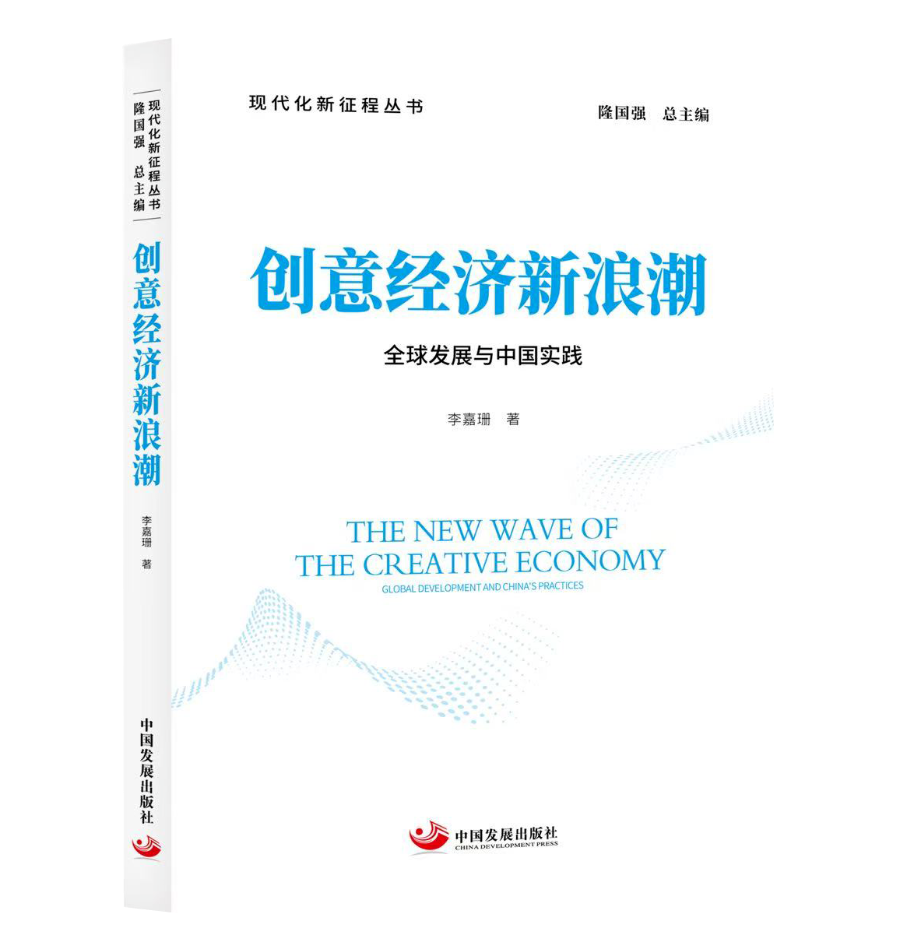
21书评|创意经济“出海”:需有针对性突破贸易壁垒
2 1 Shi Ji Jing Ji Bao Dao· 2026-01-12 08:05
Core Insights - The creative economy has become a significant driver of global economic growth, accounting for 6.8% of global economic value added, with notable performance in countries like the UK, US, and South Korea [1][5] - China's creative industry is rapidly expanding in international markets, facing challenges in statistics, policy support, and data capabilities [1][5] Group 1: Growth of China's Creative Industry - China's cross-border trade in creative industries has shown strong growth, with the number of key cultural export enterprises increasing from 142 in 2007 to 404 by 2025, reflecting an annual growth rate of 12.1% [5] - The total value of China's cultural trade has surged from $16.64 billion in 2007 to approximately $194.33 billion by 2024, representing a growth of over ten times [5] - In 2024, China's cultural trade accounted for 19.4% of the global total, with an annual growth rate of 12.7% from 2007 to 2024, significantly surpassing the international average [5] Group 2: Digital Transformation and Investment - The integration of digital technology is driving the growth of China's creative industries, particularly in digital content and cultural technology sectors, with areas like animation, online literature, and digital film becoming investment hotspots [6] - The number of digital culture-related enterprises among key cultural export companies increased from 15 (10.6% of the total) in 2007 to 144 (35.6%) in 2025, highlighting the impact of digital technology on cultural trade [5][6] Group 3: Challenges and Barriers - China's creative industries face several barriers in the globalization process, including digital trade restrictions, cultural recognition differences, and conflicts in international regulations [6][7] - The debate over "cultural exception" within the WTO framework presents challenges, as countries like France advocate for protecting local cultures while the US supports free trade principles for digital cultural products [7] - To navigate these challenges, Chinese cultural enterprises are encouraged to develop comprehensive risk management systems, utilizing big data for real-time monitoring and analysis of investment environments [7] Group 4: Cultural Exchange and Development - High-quality development of cultural trade requires a balance between exports and imports, promoting both the outbound flow of Chinese culture and the import of foreign cultural products [8] - Significant progress has been made in China's cultural trade through top-level design, the establishment of cultural free trade zones, and interdisciplinary talent cultivation [8]
数字文化贸易联合实验室亮相进博会中国馆
Zhong Guo Jing Ji Wang· 2025-11-07 08:11
Core Insights - The eighth China International Import Expo (CIIE) is being held in Shanghai from November 5 to 10, showcasing the "ZT World" immersive cultural experience space, which highlights innovative achievements in Chinese IP trend art [1] Group 1: Event Overview - The "ZT World" space is organized by the Digital Cultural Trade Joint Laboratory, featuring a blend of art displays and interactive experiences [1] - The exhibition includes three main sections: "Sci-Fi Future," "Intangible Cultural Heritage Fusion," and "Sports Trend Play," promoting a cultural dialogue that connects tradition with the future and the East with the West [1] Group 2: Featured Exhibits - Notable exhibits include Liu Cixin's sci-fi IP "Supernova Era | WaarWorld" and cross-disciplinary works by artist Chen Yanran, showcasing the integration of traditional Chinese craftsmanship with contemporary art [1] - Original IP figurines based on various sports stars are also featured, reflecting the diverse and international expression of contemporary Chinese cultural creation [1] Group 3: Engagement Activities - During the expo, "ZT World" has set up interactive lottery activities to enhance audience participation and further promote communication and dissemination of cultural content [1] Group 4: Background Information - The Digital Cultural Trade Joint Laboratory was officially launched on September 1, 2022, as a significant outcome of the second National Cultural Export Base Forum [1]
数字文化贸易超3700亿元 技术融合重塑网络文化产业模式
Bei Jing Shang Bao· 2025-09-23 14:56
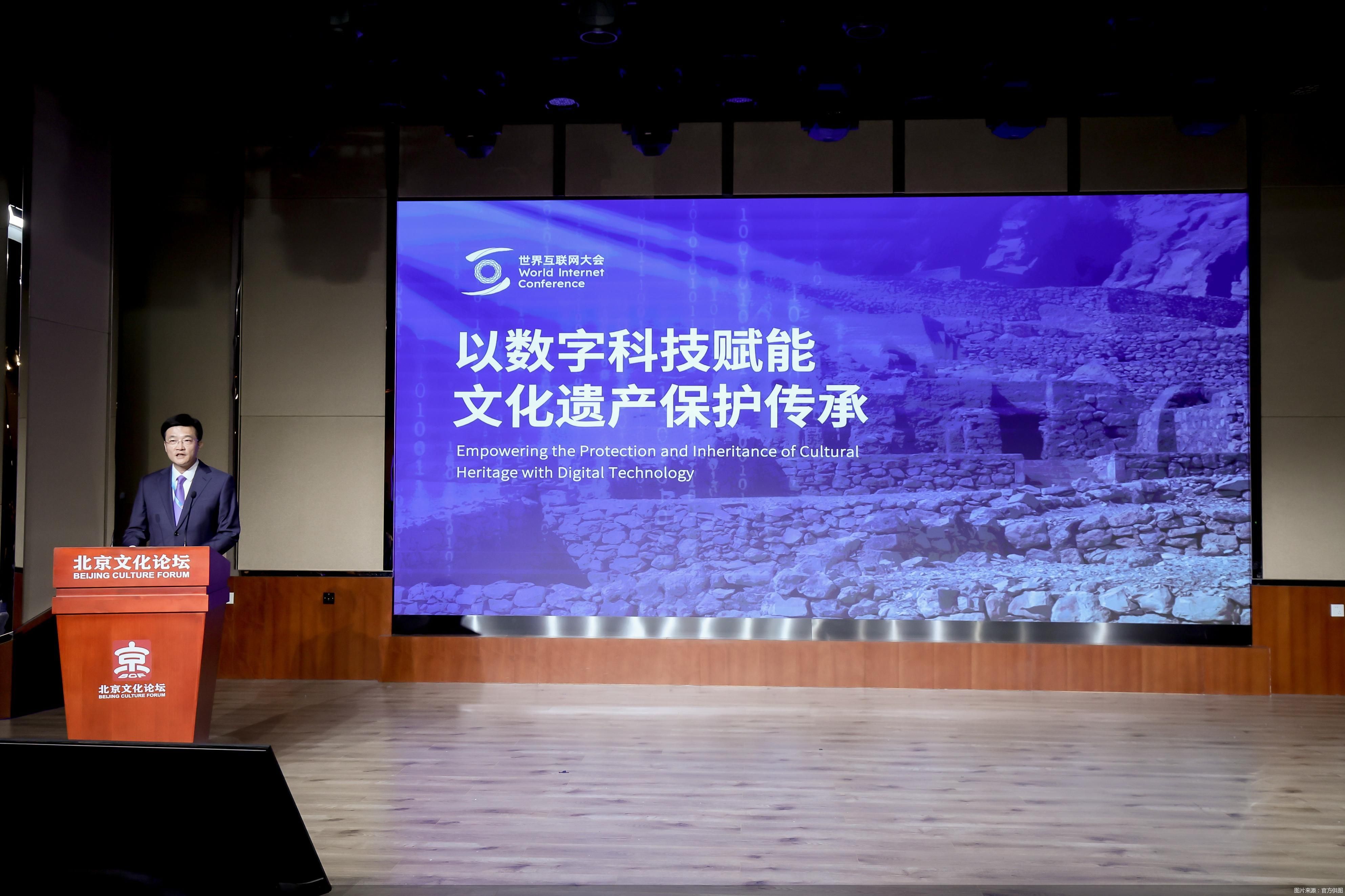
Group 1 - The integration of new technologies with the cultural industry is driving the development of diverse business models and reshaping production methods, becoming a core engine for the high-quality development of the online cultural industry [4] - In 2024, China's cultural trade is projected to reach 1.4 trillion yuan, with the digital cultural trade scale exceeding 370 billion yuan, accounting for 25.8% of the total cultural trade [4] - The IP industry exemplified by Pop Mart is highlighted, showcasing a full-chain operational system from products to stores and immersive experience parks [4] Group 2 - The number of active IPv6 users in China reached 834 million in the first half of 2025, representing 75.23% of all internet users, indicating a solid foundation for industry development through technological infrastructure upgrades [4] - The application of artificial intelligence in content production is breaking traditional boundaries, with potential expansions into film and animation [5] - The rapid rise of generative artificial intelligence has introduced new copyright issues, prompting the industry to reassess copyright protection models [5] Group 3 - Global collaboration and system building are deemed essential for creating a safe, healthy, and sustainable industry ecosystem to support high-quality development [5] - The establishment of the "Digital Heritage Committee" at the upcoming Wuzhen Summit aims to enhance global collaborative governance in copyright protection for cross-border online cultural dissemination [5] - Emphasis on the importance of security in the design of AI systems to prevent instability and potential vulnerabilities [6]

筑牢数字文化贸易硬实力
Jing Ji Ri Bao· 2025-06-11 22:15
Core Viewpoint - The rapid development of digital technology is driving the growth of digital cultural trade, which is becoming a new engine for global economic growth, particularly in regions like Guangdong and Zhejiang, leveraging their technological innovation and digital economy advantages [1][2]. Group 1: Definition and Current Status - Digital cultural trade is defined as a new type of cross-border cultural trade that focuses on digital technology, with digital content as the trade object and digital delivery as the implementation form [2]. - China has made significant progress in promoting digital cultural trade, with 29 national cultural export bases recognized by the Ministry of Commerce and other departments, providing continuous support in terms of systems, policies, and services [2]. - The "Digital Business Three-Year Action Plan (2024-2026)" aims to implement the "Thousand Sails Set Sail" plan for cultural trade, fostering brand projects and platforms focused on digital cultural trade [2]. Group 2: Future Strategies - To enhance the hard power of digital cultural trade, strategies should focus on improving innovation quality, participating in international governance, building open platforms, and implementing trade protection measures [3][4][5]. - Improving innovation quality involves transforming rich cultural resources into specific, understandable international cultural products while maintaining their original cultural essence [3]. - Active participation in international governance is necessary to establish unified international regulations for digital cultural trade and to prevent issues related to data control and concentration [3]. Group 3: Platform Development and Support Measures - Establishing high-standard, convenient online trading platforms for digital cultural trade is essential, integrating various administrative agencies to provide comprehensive services [4]. - Promoting existing policies and introducing more specific measures to support unicorn and gazelle enterprises in the digital cultural trade sector is crucial for enhancing confidence and fostering innovation [5]. - Encouraging collaboration between traditional cultural companies and new digital firms can create a synergistic development model, enhancing the competitiveness of the digital cultural industry [5].