文旅项目

Search documents
2.5吨白银建造的银楼,被拍卖!
Sou Hu Cai Jing· 2026-02-03 09:45
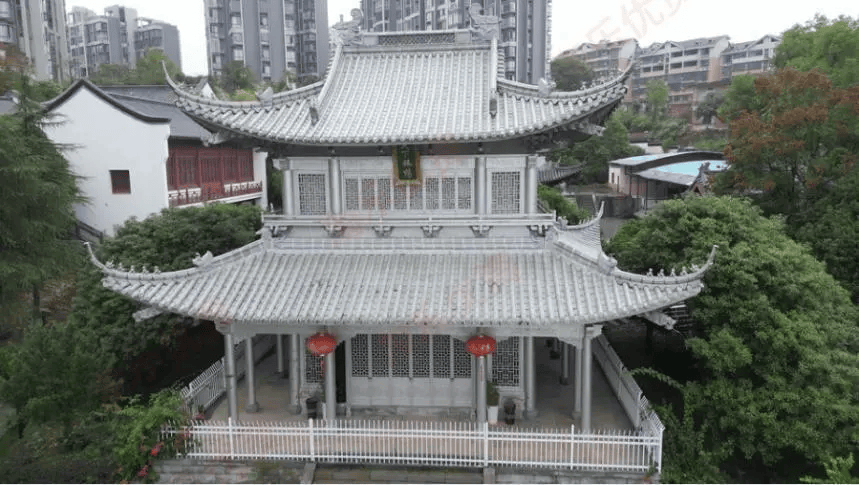
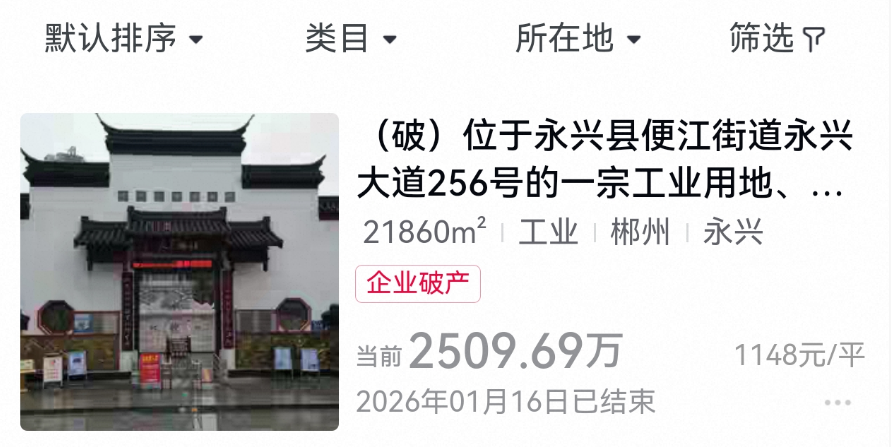
Core Viewpoint - The auction of the "Yongxing Silver Building," a significant cultural landmark in Yongxing County, failed to attract bids despite its high estimated value due to restrictions on its future use [4][6]. Group 1: Auction Details - The auction was conducted on January 16, with only two participants registering, but it ultimately ended without any bids [4]. - The auctioned property included industrial land, buildings, silver artifacts, and the Yongxing Silver Building, which is a key cultural site [4]. Group 2: Valuation and Market Context - A valuation report indicated that the Yongxing Silver Building is constructed from 50,000 taels of silver, with a total weight of 2.5 tons, containing 1.75 tons of pure silver [6]. - The estimated value of the pure silver, based on current market prices exceeding 29 yuan per gram, is over 50 million yuan [6]. Group 3: Restrictions and Future Prospects - The auction announcement included a clause that the buyer must maintain the building's status as a cultural tourism site, preventing any changes in its intended use [6][7]. - The Yongxing Silver Building is considered a key asset for the local economy and tourism development, as outlined in various strategic planning documents [7].

“2.5吨”银楼被拍卖
Zhong Guo Ji Jin Bao· 2026-02-02 04:41
Core Viewpoint - The landmark building "Yongxing Silver Building" in Hunan's Chenzhou City was auctioned with a starting price of 25.1 million yuan but ultimately went unsold due to lack of bids, despite its high silver content and perceived low price per gram of silver [1][7]. Group 1: Auction Details - The Yongxing Silver Building contains 1.75 tons of pure silver, with a silver content of 70%, and was evaluated at 12.05 million yuan, translating to a price of 6.88 yuan per gram of silver [3][5]. - The total assessed value of the auctioned assets, including land, buildings, and silver, was approximately 31.37 million yuan, with the starting bid set at 25.1 million yuan [5][7]. Group 2: Cultural Significance - The building is part of the "China Silver Culture Museum" and is a key cultural symbol of the "Silver Capital" of China, emphasizing the local heritage and tourism potential [7][8]. - The auction announcement specified that the buyer must maintain the building's status as a cultural tourism site and cannot change its intended use, ensuring the project's long-term operational stability [8]. Group 3: Market Reaction - The auction attracted significant public interest, with many online comments highlighting the perceived bargain price of the silver content, referring to it as "cabbage price" [3][4]. - Despite the initial excitement, the auction ended without any bids, indicating potential market hesitance or misalignment between perceived value and actual demand [7].
硕果累累天来村
Liao Ning Ri Bao· 2025-09-23 01:09
Core Insights - The transformation of Tianlai Village over 14 years showcases a successful model of rural development through agriculture, particularly fruit cultivation [1][4][6] - The village has significantly increased its fruit production capacity and variety, leading to substantial income growth for its residents [1][3][5] Agricultural Development - The area of fruit orchards expanded from 478 acres in 2010 to 8,500 acres in 2024, with the number of fruit varieties increasing from 2 to 22 [1] - The number of fruit farmers grew from 15 to 265, and fruit production surged from 310,000 pounds to 12.75 million pounds [1] - The village's collective debt was reduced from 650,000 yuan to zero, while collective savings increased from zero to 580,000 yuan [1] Economic Impact - The average annual income of villagers rose from 2,000 yuan to 26,000 yuan, reflecting the economic benefits of the agricultural initiatives [1] - The establishment of a fruit wholesale market and high-standard greenhouses has created a robust infrastructure for fruit sales [4][5] Community Engagement - The village has seen a reduction in the number of residents working outside, from over 400 to less than 100, as local job opportunities have increased [1] - The introduction of e-commerce and tourism projects has further diversified income sources for villagers, with young people actively participating in these initiatives [6][7] Social Responsibility - The village cooperative holds annual profit-sharing meetings, providing financial assistance to families in need based on the cooperative's performance [8] - Community-driven projects and initiatives have fostered a sense of unity and support among villagers, enhancing social cohesion [9]
当马拉松变成流水席,鹤岗正在成为中产新宠
Hu Xiu· 2025-09-01 09:17
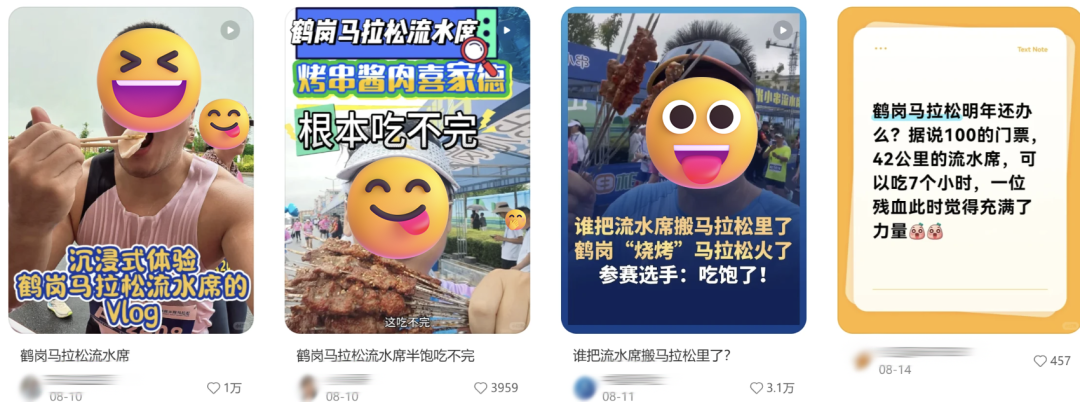
Core Insights - Hegang has transformed into a popular travel destination, with activities like marathons becoming a must-do alongside affordable housing and local cuisine [2][5][36] - The city is now associated with various appealing labels such as "Northeast Switzerland" and "Little Seoul," driven by its unique local culture and food scene [3][42] Group 1: Marathon Event - The inaugural Hegang Marathon featured a unique format where participants could enjoy local delicacies while running, creating a festive atmosphere [6][11] - Local food brands, particularly those specializing in Hegang's famous skewers, played a significant role in sponsoring the event, highlighting the integration of food culture into sports [17][18] - The marathon's structure encouraged a blend of running and dining, with various food stations set up along the route, making it a culinary experience as much as a sporting event [10][12][14] Group 2: Real Estate and Economic Trends - Hegang's real estate market has seen a significant shift, with prices rising over 800 yuan per square meter in the past five years, indicating a growing demand for housing [55][56] - The city, once known for its extremely low housing prices, is now attracting a considerable number of external buyers, with 5680 properties purchased by non-locals in 2024 [55][36] - The development of new infrastructure, such as an airport expected to open by 2027, is anticipated to further boost tourism and real estate prices in Hegang [52][54] Group 3: Cultural and Social Dynamics - Hegang's transformation is not solely based on its low-cost housing but also on the emergence of a vibrant local culture, including independent shops and cafes that appeal to younger demographics [38][39] - The city is leveraging its newfound popularity to redefine its identity, moving away from the "laid-back" image associated with low-cost living to a more dynamic cultural hub [30][31] - The rise of social media and self-promotion has played a crucial role in reshaping Hegang's image, attracting visitors and potential residents who are drawn to its unique offerings [49][41]
太可怕!卖不完、空置多!买这类房子,很多人都踩深坑了!
Sou Hu Cai Jing· 2025-07-26 17:21
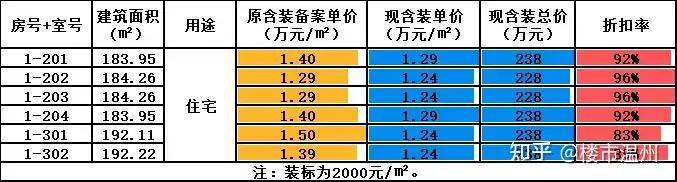
Core Viewpoint - The recent price adjustments of unsold properties in the Wen Cheng tourism projects, Swan Castle and Jia Nan Mei Di, indicate a challenging sales environment for these long-established developments, with most properties seeing price reductions of 7.8% to 9.7% from their original prices [1][2]. Group 1: Price Adjustments - Swan Castle and Jia Nan Mei Di have adjusted prices for several unsold units, with most seeing a discount ranging from 7.8% to 9.7% [1]. - Specific price adjustments for Swan Castle include reductions in unit prices from original values, with some units now priced at 0.82 to 0.54 per square meter [2]. Group 2: Sales Performance - The sales performance of these tourism projects is concerning, with Swan Castle having sold 89% of its 1,448 units and Jia Nan Mei Di selling 82% of its 2,745 units, indicating a significant number of unsold properties [7]. - Other tourism projects in the region show even poorer performance, with some like Tian Ding Hu only achieving a 34% sales rate [7]. Group 3: Market Challenges - The ongoing decline in the real estate market has led to developers lowering prices, but the adjustments in Swan Castle and Jia Nan Mei Di are not considered substantial given the broader market context [2][6]. - Many tourism projects are facing severe challenges, including stalled construction and unsold inventory, which raises concerns about their future viability [8][12]. Group 4: Developer Issues - Many of the tourism projects are managed by smaller developers lacking the necessary financial strength and operational experience, leading to difficulties in project completion and sales [12][15]. - The reliance on residential sales to fund tourism facilities has created a cycle of underperformance, with unsold residential units hindering further development [12][14]. Group 5: Government and Future Outlook - There is a call for local governments to intervene and assist in the resolution of stalled projects to protect consumer interests and ensure timely delivery of properties [16]. - The future of tourism projects in Wenzhou may require larger, more resourceful developers to ensure successful operation and management, moving away from the current reliance on small-scale developers [15].