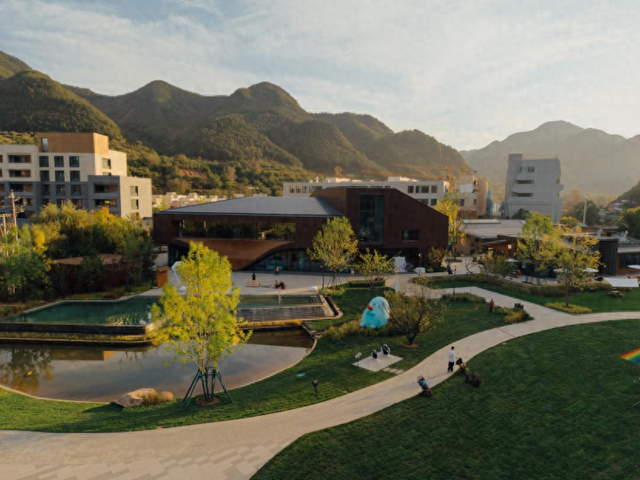
文旅地产

Search documents
复星国际(00656)拟通过中国商业不动产证券投资基金在上交所分拆并独立上市三亚亚特兰蒂斯项目
智通财经网· 2026-03-26 12:32
Core Viewpoint - Fosun International (00656) has submitted application materials for fund registration and listing to the China Securities Regulatory Commission and the Shanghai Stock Exchange, aiming to utilize the Sanya Atlantis project as the underlying asset for a proposed REITs structure [1] Group 1 - The company plans to use the Sanya Atlantis project, located in Haitang Bay, Sanya, Hainan Province, as the underlying asset for the fund [1] - The board of directors has carefully considered the proposed spin-off and believes it is fair and reasonable, aligning with the overall interests of the company and its shareholders [1] - Legal advice regarding the fulfillment of the "guarantee quota" requirement under PN15 has been taken into account in the decision-making process [1]

华晨宇跨界地产圈
财联社· 2026-02-11 13:32
Core Viewpoint - The recent move by singer Hua Chenyu to enter the real estate sector has sparked significant market discussion, particularly regarding the development of "Mars Paradise 2.0," which aims to create a comprehensive cultural tourism complex [1][3]. Group 1: Project Overview - Hua Chenyu has acquired three plots of land in Yuxi City, Yunnan Province, to develop "Mars Paradise 2.0," which will include amenities for dining, entertainment, and accommodation [1][2]. - The project is located in the core area of the Fuxian Lake tourism resort, which has an average annual temperature of 17.4 degrees Celsius and is approximately 50 kilometers from Kunming [2]. - The local government has initiated land leveling work and expressed anticipation for the project's implementation [2]. Group 2: Market Implications - The traditional model of cultural tourism real estate has faced challenges, leading to a need for innovative approaches. Hua Chenyu's project represents a new model that integrates entertainment and real estate, responding to emerging demands in the economy [3][4]. - The "Mars Paradise" project is expected to stimulate local tourism and consumption, potentially increasing employment and enhancing the purchasing power of local residents [5]. Group 3: Economic Impact - The entertainment economy is becoming a new driver for cultural tourism consumption, with events like concerts significantly boosting local economies. For instance, Hua Chenyu's concert in Haikou is projected to attract over 120,000 attendees, positively impacting local hotel occupancy rates and overall economic income [6]. - Various provinces and cities are implementing policies to encourage the development of the entertainment economy, with significant investments in music parks and large-scale outdoor music festivals expected to generate substantial economic activity [7]. Group 4: Performance Metrics - Data from the China Performance Industry Association indicates that in 2025, there will be approximately 30,000 large-scale performances, with ticket revenue projected to reach 32.448 billion yuan, reflecting a year-on-year growth of 9.49% [8]. - Large performances are estimated to have a multiplier effect on other consumer sectors, with a ratio of 1:6.85, leading to over 220 billion yuan in additional spending on transportation, accommodation, dining, tourism, and shopping [8].


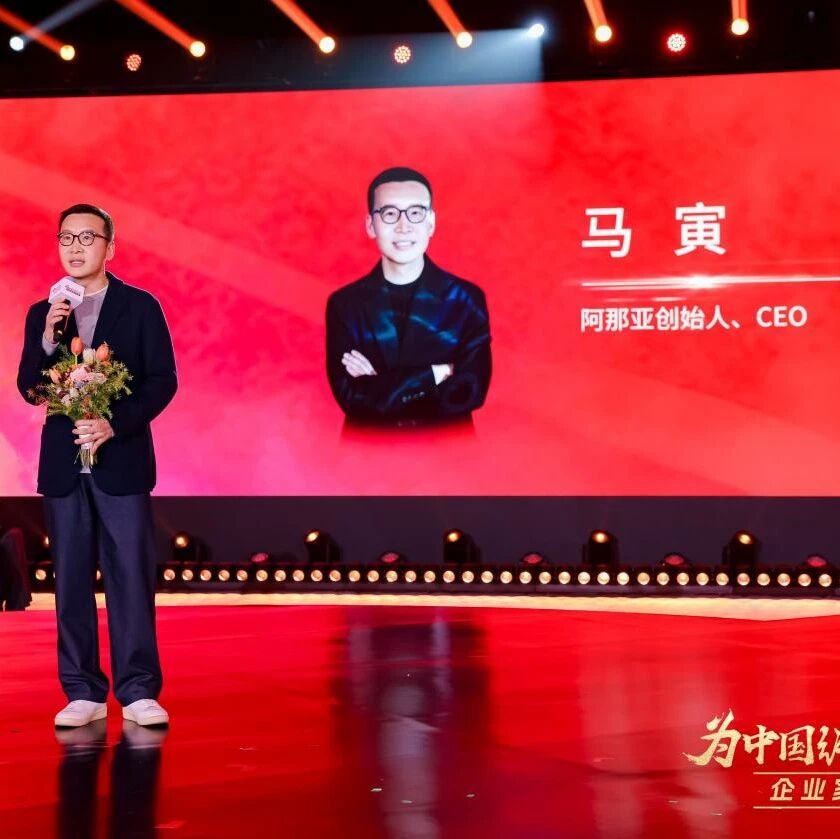
马寅的阿那亚新蓝图:在精神的海岸边,造一座有“一切可能”的乌托邦
新浪财经· 2026-02-06 10:24
Core Viewpoint - The article highlights the recognition of Ma Yin, the founder and CEO of Anaya, for his innovative contributions to creating a spiritual home for urban middle-class individuals, emphasizing the importance of community and sustainable living in a rapidly changing environment [6][10][20]. Group 1: Event and Recognition - The "Praise for China's Economy - Entrepreneur's Night" event took place on January 29 in Beijing, where Ma Yin was honored for his contributions [3]. - Guests including Zhao Yan and Hu Haiquan expressed admiration for Ma Yin's vision and the cultural significance of Anaya, highlighting its role in enhancing people's lives through art and beauty [4][5]. Group 2: Anaya's Philosophy and Development - Ma Yin reflected on the past twelve years of trial and error, emphasizing that true sustainable efficiency comes from respect for people and nature [6]. - Anaya has evolved from a simple landscape to a cultural and artistic hub, attracting thousands seeking a "spiritual home" [10]. - The success of Anaya is attributed to its ability to blend commercial and cultural elements, creating a unique experience for visitors [11]. Group 3: Future Directions and Innovations - Ma Yin is focused on understanding the emotional needs of the younger generation, exploring themes of wealth and health in new projects [13][15]. - Anaya is expanding its offerings to include a "Caishen-themed" cultural space and a Party History Museum, aiming to engage younger audiences through innovative design [15][16]. - The upcoming project in Huairou, Beijing, aims to address urban dwellers' need for "micro-vacations," combining outdoor activities with cultural experiences [19]. Group 4: Strategic Vision - Ma Yin believes that the speed and scale of development are not the ultimate measures of success; rather, the depth and impact of each project are paramount [20]. - Anaya is envisioned as a brand of "all possibilities," continuously evolving and responding to societal changes, rather than a static entity [20][21].
马寅的阿那亚新蓝图:在精神的海岸边,造一座有“一切可能”的乌托邦
Xin Lang Cai Jing· 2026-02-04 00:39
Core Insights - The event "Praise for China's Economy - Entrepreneur Night" was held on January 29 in Beijing, where Ma Yin, the founder and CEO of Anaya, was honored [2][20] - The guests expressed their admiration for Ma Yin's innovative approach and the cultural significance of his work, emphasizing the importance of creating spaces that resonate with people's emotional and spiritual needs [3][21][22] Group 1: Anaya's Development and Philosophy - Anaya has evolved from a quiet coastal area into a "spiritual homeland" for urban middle-class individuals, attracting tens of thousands of visitors annually seeking a place for emotional refuge [5][23] - Ma Yin highlighted the importance of learning from past mistakes and emphasized that sustainable efficiency comes from respecting people, nature, and local contexts [4][24] - The company aims to maintain a core value of enhancing quality of life while adapting to changing consumer demands, such as the desire for wealth and health among younger generations [9][30] Group 2: Future Projects and Market Position - Anaya is expanding its reach from coastal areas to mountainous regions, with a new project in Beijing's Huairou district set to launch in September, targeting the "urban micro-vacation" market [15][33] - The new project will combine outdoor activities with cultural experiences, addressing the dual needs for relaxation and cultural engagement among city dwellers [33] - Anaya's success in the luxury real estate market is evidenced by its leading sales figures, with "Anaya Sanya" topping the luxury villa sales charts in Hainan [8][27] Group 3: Innovation and Cultural Engagement - Ma Yin is focused on creating spaces that reflect contemporary emotional and spiritual needs, such as a "Caishen-themed" cultural space and a party history museum designed to engage younger audiences [10][29] - The company seeks to challenge traditional paradigms by integrating modern aesthetics and cultural relevance into its projects, aiming to resonate with the evolving preferences of younger generations [28][30] - Anaya's approach is characterized by a commitment to continuous growth and adaptation, positioning itself as a dynamic entity that responds to societal changes and consumer sentiments [34][35]
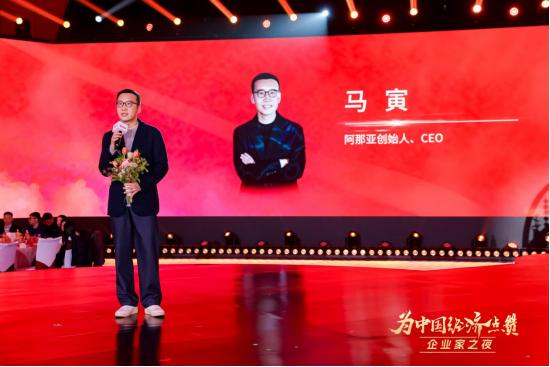
左手变卖文旅右手豪掷5.2亿元,盈新发展净利暴跌682%后追 “芯”:520%溢价赌局胜算几何?
Hua Xia Shi Bao· 2026-01-30 10:01
Core Viewpoint - The company, Yingxin Development, is making significant progress in its acquisition of Guangdong Changxing Semiconductor Technology Co., Ltd., aiming to acquire 60% of its shares for 520 million yuan, reflecting a premium of 520.69% over the assessed value, which indicates a strategic shift towards the semiconductor industry amidst declining performance in its core business [1][6]. Group 1: Acquisition Details - The acquisition price of 520 million yuan corresponds to a valuation of 9.27 billion yuan for 100% of Changxing Semiconductor, with a significant increase in revenue and profit reported by the target company [6][8]. - The acquisition was adjusted from an initial intention to acquire 81.8091% of the shares to 60% to mitigate risks and ensure the stability of the founding team, which is crucial for business continuity [1][2]. - The target company has shown impressive growth, with a revenue increase of 59% year-on-year and a net profit surge from 2.21 million yuan to 74.57 million yuan, indicating strong operational performance [6][8]. Group 2: Financial Performance - As of the third quarter of 2025, Yingxin Development reported a revenue of 1.169 billion yuan, a year-on-year decline of 48.38%, and a net loss of 486 million yuan, marking a staggering drop of 682% [2][9]. - The company is facing significant financial pressure, with cash reserves of 835 million yuan and substantial short-term and long-term debts totaling over 8.78 billion yuan and 11 billion yuan, respectively [6][9]. - The strategic shift towards semiconductor technology is seen as a response to the declining performance in its traditional real estate and tourism sectors, raising questions about the sustainability and rationale behind this transition [2][9]. Group 3: Market Reaction and Valuation - Following the acquisition announcement, the company's stock experienced a surge, reaching a historical high price-to-book ratio of approximately 4.45, reflecting market optimism about the strategic direction [4][6]. - However, the stock price quickly corrected, indicating a shift in market sentiment towards a more cautious evaluation of the acquisition's feasibility and the inherent risks associated with the semiconductor industry [1][4]. - The acquisition's high premium and the company's financial struggles have led to skepticism regarding the long-term benefits and the potential for actual synergy between the semiconductor and tourism sectors [10][11].


带货1亿,李亚鹏真反转了吗?
虎嗅APP· 2026-01-21 13:38
Core Viewpoint - The article discusses how a public relations crisis stemming from a rent dispute has unexpectedly turned into a successful marketing campaign for Li Yapeng, leading to significant public donations and a surge in sales for his live-streaming business [5][10]. Group 1: Public Response and Fundraising - Over 360,000 people donated more than 24 million yuan (approximately 3.3 million USD) to the "Li Yapeng invites you to help cleft lip and palate patients" charity project, which has since been taken offline [5][11]. - Li Yapeng's live-streaming viewership skyrocketed from 60,000 to 8 million, with sales increasing dramatically within a few days [5][10]. - Li Yapeng pledged to donate 291,000 yuan (approximately 40,000 USD) from recent live-streaming tips to the Yanyuan Angel Children's Hospital, with personal tax liabilities covered by himself [5][10]. Group 2: Background of the Rent Dispute - The rent dispute arose when the landlord requested a rent increase to market rates after the initial ten-year contract expired in 2019, which Li Yapeng accepted despite concerns about affordability [6][7]. - The landlord's assistant claimed that the initial low rent was based on the hospital's non-profit status and the support for public welfare, with the second contract reflecting a return to market pricing [7]. Group 3: Li Yapeng's Business History - Li Yapeng's business ventures have been marked by a pattern of starting with emotional appeal but ending in operational difficulties, as seen in his failed real estate project in Lijiang [9][10]. - His transition to live-streaming has also faced challenges, with high-priced product selections that did not resonate with the broader consumer market, leading to fluctuating sales figures [9][10]. Group 4: Impact of the Crisis on Public Image - The crisis led to a significant turnaround in Li Yapeng's public image, transforming him from a perceived failed businessman to a dedicated public welfare advocate [10][12]. - Following the crisis, his live-streaming sales surged to between 10 million and 25 million yuan (approximately 1.4 million to 3.5 million USD), with total sales exceeding 100 million yuan (approximately 14 million USD) in a month [10][11]. Group 5: Long-term Sustainability Challenges - Despite the immediate financial support, the operational model of the Yanyuan Angel Children's Hospital faces fundamental challenges, as public donations cannot be used to cover rent [14][17]. - The article emphasizes that while emotional appeal can drive short-term success, sustainable operations require more than just goodwill and must include professional financial management and market understanding [16][17].
原华侨城董事长段先念被带走?文旅地产模式终结?
Sou Hu Cai Jing· 2026-01-08 01:18
Core Viewpoint - The recent rumors surrounding the detention of Duan Xiannian have sparked significant reactions within the industry, highlighting the vulnerabilities of the Chinese cultural tourism real estate model [1] Group 1: Historical Context - During Duan Xiannian's leadership at Overseas Chinese Town A, the "culture + tourism + urbanization" and "cultural tourism + real estate" models were seen as golden formulas, with theme parks serving as traffic engines and real estate as cash machines [3] - The rapid expansion and prioritization of scale in the industry were initially successful, with examples like Happy Valley and Window of the World becoming industry benchmarks [3] Group 2: Structural Issues - The existing model relies heavily on asset expansion and future expectations rather than actual operating cash flow, leading to vulnerabilities when the real estate cycle reverses [4] - The Shenzhen Securities Regulatory Bureau and Shenzhen Stock Exchange have pointed out issues such as asset impairment and insufficient provisions, indicating structural risks in the cultural tourism projects [4] Group 3: Industry Challenges - The current environment, marked by the pandemic and deep adjustments in the real estate sector, has exposed the weaknesses of the model, resulting in significant losses for Overseas Chinese Town A in 2024 and consecutive deficits over three years [5] - Other state-owned enterprises are also facing similar challenges, indicating a broader issue within the integrated cultural tourism real estate model [5] Group 4: Future Considerations - The incident involving Duan Xiannian marks the beginning of a critical phase for Overseas Chinese Town, raising questions about asset revaluation, financial resilience, and the potential transformation of cultural tourism into a core business rather than a real estate appendage [6] - The industry must shift focus from scale to genuine customer flow, stay duration, consumption, and cash flow, with theme parks needing to evolve into sustainable content platforms [6] - The current situation compels the industry to confront the reality that cultural tourism is not merely a financial tool but requires patience, professionalism, and a long-term perspective [6]


传华侨城前董事长被查,资源叠加的央企巨头,为何陷入困局?
Sou Hu Cai Jing· 2026-01-06 12:47
Core Viewpoint - The news regarding the former chairman of Overseas Chinese Town, Duan Xiannian, being taken away by relevant authorities has caused significant turmoil in the industry, raising concerns about the company's governance and financial stability [1][3]. Group 1: Regulatory Actions and Governance Issues - In July 2023, the Shenzhen Securities Regulatory Bureau issued a warning regarding financial issues during Duan Xiannian's tenure, followed by a regulatory letter from the Shenzhen Stock Exchange in May 2024, specifically naming Duan and two other former executives for violations [3]. - The regulatory actions highlighted multiple violations, including inadequate assessment of asset impairment signs and insufficient provisions for asset impairment during Duan's leadership [3][4]. - The news of Duan's investigation confirms previous regulatory warnings and exposes significant governance weaknesses within Overseas Chinese Town, necessitating immediate internal reviews and improvements [4]. Group 2: Financial Impact and Market Reaction - The investigation is likely to impact market confidence, potentially leading to short-term volatility in the capital market, affecting the company's stock price and credit rating [3][4]. - The company may need to reassess past asset accounting and increase impairment provisions, which will directly affect its financial statements [5]. Group 3: Company Performance and Strategic Challenges - Since Duan Xiannian became chairman in September 2015, the company transitioned to a "culture + tourism + urbanization" model, achieving revenue growth from approximately 35.5 billion to 81.8 billion yuan and net profit growth from about 6.9 billion to 12.7 billion yuan between 2016 and 2020 [6]. - However, increased competition in the cultural tourism real estate sector and incidents like the roller coaster collision at Shenzhen Happy Valley have intensified challenges for the company [7]. - By 2024, the company reported revenue of 54.4 billion yuan but faced a net loss of 8.7 billion yuan, marking three consecutive years of losses and raising concerns about potential delisting [7].

地产 11 月观察及数据点评:延续趋势,金融风险减少
GUOTAI HAITONG SECURITIES· 2025-12-16 03:09
Investment Rating - The report assigns an "Accumulate" rating for the real estate industry [4] Core Insights - The industry continues to face downward pressure, but there is a reduction in expenditure pressure, which is expected to persist and provide a favorable financial environment for the macro economy [2] - The overall industry operation is still under downward pressure, with significant declines in development investment and sales figures [53] - The report anticipates that the real estate sector will not contribute to systemic financial risks in 2026, maintaining a favorable environment [53] Summary by Sections Investment Highlights - The report highlights that the real estate investment for January to November 2025 has decreased by 15.9% compared to the same period in 2024, with a notable decline in sales and new construction areas [7][11] - The anticipated trends for 2026 include continued financial risk reduction and persistent economic pressure, with a focus on financial risks in the real estate sector [53] Industry Data - For January to November 2025, the cumulative development investment reached 78,591 billion, with a year-on-year decrease of 15.9% [10] - The sales area of commercial housing for the same period was 787 million square meters, reflecting a year-on-year decline of 7.8% [23] - The report notes that the total funds available for real estate development decreased by 11.9% year-on-year, indicating a tightening financial environment [39] Recommendations - The report recommends several companies for investment, including: 1. Development: Vanke A, Poly Developments, China Overseas Development 2. Commercial and Residential: Longfor Group 3. Property Management: Wanwu Cloud, China Resources Mixc Life 4. Cultural Tourism: Overseas Chinese Town A [53]




北京山谷的破圈之道?中国电建地产以“文旅理科生”的思维作答
Huan Qiu Wang· 2025-12-11 02:18
Core Viewpoint - The article discusses the challenges faced by the cultural tourism real estate sector in China, highlighting the need for practical solutions and comprehensive planning to create sustainable and livable communities, as exemplified by China Electric Power Construction Real Estate's approach in the Beijing Valley project [1][3][23]. Group 1: Industry Challenges - Many cultural tourism projects are trapped in a cycle of "concept easy to create, implementation difficult," leading to short-lived success [1]. - There is a prevalent "偏科" (subject bias) phenomenon in cultural tourism real estate, where projects either lack necessary amenities or focus too much on short-term attractions, neglecting essential services like healthcare [3]. Group 2: Company Strategy - China Electric Power Construction Real Estate adopts a "scientific" approach to address the shortcomings in cultural tourism real estate, focusing on comprehensive family needs through extensive research and planning [3]. - The company has invested significantly in healthcare facilities, constructing a nearly 4,000 square meter rehabilitation hospital equipped with advanced medical technology, including MRI, CT, and ultrasound machines [5]. Group 3: Unique Offerings - Beijing Valley has developed a unique health management model involving a team of clinical doctors, traditional Chinese medicine practitioners, health managers, and nutritionists, addressing the healthcare needs of residents [7]. - The project features a combination of "medical care + hot springs," utilizing natural therapeutic hot spring water sourced from 2,600 meters underground, which has proven health benefits [7]. Group 4: Community and Lifestyle - The project includes various community amenities such as a community cafeteria, restaurants, and recreational facilities, catering to both short-term vacationers and long-term residents [9]. - Beijing Valley emphasizes outdoor spaces and community engagement, offering activities and events throughout the year to foster a sense of belonging among residents [19][21]. Group 5: Product Development - The new "Mountain Series 2.0" product line features innovative designs that maximize natural light and ventilation, enhancing living comfort [12][14]. - The project incorporates private hot spring pools in residential units, providing a unique and therapeutic living experience [16]. Group 6: Service Commitment - The company has established a service response mechanism, ensuring timely communication and resolution of resident issues, enhancing the overall living experience [16].