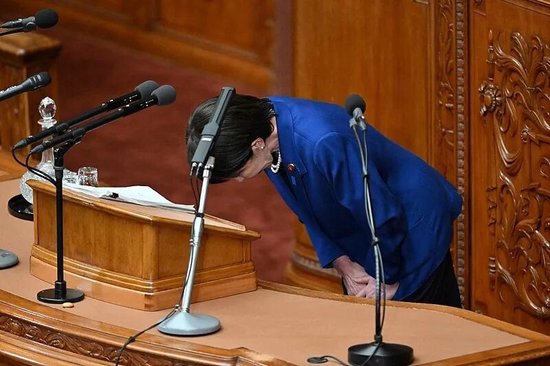
日本财政恶化

Search documents
华泰期货:股指震荡调整,当前可重点关注IC的入场机会
Xin Lang Cai Jing· 2026-01-21 01:47
Group 1 - The core viewpoint of the article emphasizes the introduction of a comprehensive fiscal policy aimed at boosting domestic demand, including a 500 billion yuan special guarantee plan for private investment and a new interest subsidy policy for small and micro enterprises [2][9] - The fiscal policy will cover 14 key industrial chains and related sectors, including new energy vehicles and agricultural industries, with measures to optimize loan interest subsidies for service industry entities and personal consumption loans [2][9] - In the stock market, A-shares experienced fluctuations, with the Shanghai Composite Index closing at 4113.65 points, a slight increase of 0.01%, while the ChiNext Index fell by 1.79% [10][11] Group 2 - The futures market showed an increase in trading volume and open interest for stock index futures, indicating a potential entry opportunity for investors [3][10] - Global indices fell due to geopolitical risks stemming from the Trump administration and concerns over Japan's fiscal situation, while domestic market activity cooled down under policy guidance [4][11] - The total trading volume in the Shanghai and Shenzhen markets reached 2.8 trillion yuan, reflecting a decrease in market heat and index levels [10][11]


高市早苗,你们日本人都没米下锅了
Bei Jing Wan Bao· 2025-11-23 06:24
Group 1: Economic Situation - Japan's core Consumer Price Index (CPI) rose by 3.0% year-on-year in October, indicating a continued increase in inflation, with over 20,000 food items expected to see price hikes this year [5][9] - The average price of a 5-kilogram bag of rice reached 4,316 yen (approximately 198 RMB), marking a record high for the year, with rice being described as a "luxury item" by citizens [7] - The government announced a comprehensive economic strategy with a budget of approximately 21.3 trillion yen (about 9.656 trillion RMB) for 2025, the highest since 2022, raising concerns about fiscal deterioration due to reliance on additional bond issuance [9][11][13] Group 2: Market Reactions - The Japanese stock market experienced significant volatility, with the Nikkei 225 index dropping by 2.40% on November 21, reflecting investor concerns over the government's economic policies and external diplomatic tensions [15][16] - The yield on Japan's 10-year government bonds rose to 1.765%, with longer-term bonds also facing sell-offs, indicating a lack of confidence in the government's fiscal management [15] - Following diplomatic tensions, there was a notable decline in tourism and related sectors, with many Chinese tourists canceling travel plans to Japan, further impacting the economy [16][17] Group 3: Diplomatic Tensions - Prime Minister Kishi's controversial statements regarding Taiwan and historical issues have led to increased diplomatic tensions, potentially jeopardizing Japan's international relations and economic stability [1][18] - Analysts suggest three possible outcomes for Kishi's diplomatic approach: retracting controversial statements, adopting a more cautious stance, or continuing provocative actions, which could lead to further deterioration in relations with China and neighboring countries [18]