春秋假制度

Search documents
四川一高校放春假鼓励赏花恋爱
第一财经· 2026-03-17 09:22
Core Viewpoint - The implementation of spring and autumn breaks in schools across various regions in China is aimed at reducing academic pressure on students, promoting their physical and mental health, and potentially boosting consumer spending through family travel opportunities [4]. Group 1: Spring Break Implementation - Sichuan Southwest Aviation Vocational College will have a 6-day spring break from April 1 to April 6, 2026, encouraging students and staff to take time off for leisure activities [2]. - In Anhui, Suzhou Aviation Vocational College will also implement a week-long spring break around the Qingming holiday, marking the fifth consecutive year of this initiative [3]. - Various regions, including the Yangtze River Delta, have announced specific spring break dates, with some areas combining spring break with the May Day holiday for extended time off [3]. Group 2: Benefits of Spring Break - The establishment of spring and autumn breaks is believed to alleviate students' academic burdens, enhance their well-being, and improve physical health [4]. - The timing of spring and autumn breaks can be staggered across regions to facilitate off-peak travel, taking into account local climate differences [4]. Group 3: Parental Involvement and Support - The issue of parents not having time off during their children's breaks has gained attention, prompting discussions on how to support families during these periods [5]. - In Nanjing, a free childcare service will be provided during the spring break for students in compulsory education, allowing families to choose the number of days for care without incurring additional fees [6]. Group 4: Employer Initiatives - Cities like Suzhou and Changzhou are encouraging employers to adopt flexible leave policies to address the challenge of students being on break while parents are not [7]. - Changzhou's human resources department has issued a proposal to promote staggered leave arrangements and collective negotiations among employers, linking compliance with labor rights to potential policy support [7].


多地陆续公布春假安排
券商中国· 2026-03-06 01:12
Core Viewpoint - The article discusses the announcement of spring break schedules for 2026 in various regions of China, highlighting the integration of these breaks with other holidays to create longer vacation periods, which is expected to stimulate travel demand [1][2]. Group 1: Spring Break Schedules - Zhejiang Province has announced spring break dates for different cities, with some areas having breaks from April 1 to 3, while others extend to late April and early May [1]. - Other provinces, including Jiangsu, have also released their spring break schedules, with many cities aligning their spring break with the Qingming Festival to create extended holidays [1]. Group 2: Travel Demand and Trends - Data from Qunar shows a significant increase in flight bookings from Chengdu for the period of April 1 to 6, with a year-on-year increase of 150% and a week-on-week increase of 28% [3]. - Popular destinations from Chengdu during the spring break include major cities like Shanghai, Beijing, and Sanya, with some cities experiencing growth in search volume by several times [3]. - In Jiangsu, flight bookings from Nanjing have increased by 85%, with top destinations including Guangzhou and Sanya [3]. Group 3: Price and Popularity of Travel - Recent data indicates a doubling in the search and booking volume for flights during the spring break period compared to the previous week, with significant interest in domestic cities like Sanya and Chengdu [4]. - Flight prices for popular domestic destinations have risen by over 50% starting March 31, reflecting increased demand [4]. - Theme parks and leisure destinations are particularly popular during the spring break, with top attractions including Beijing Universal Resort and Shanghai Disneyland [4].
今天去了趟普陀山,春节的旅游数据大概率会很炸裂
表舅是养基大户· 2026-02-22 13:47
Core Viewpoint - The article discusses the tourism market during the Spring Festival, highlighting the unexpected surge in visitor numbers at popular destinations like Putuo Mountain, driven by social media and AI recommendations, leading to a phenomenon where lesser-known cities become overcrowded [1]. Group 1: Tourism Data and Trends - During the Spring Festival, tourism data indicates that visitor numbers are likely to exceed expectations, with a significant increase in traffic to popular sites [1]. - Putuo Mountain serves as a microcosm of the tourism recovery, with visitor numbers rising from over 50,000 during the 2022 Spring Festival to over 200,000 on a single day in 2025, indicating a peak in demand [19]. - The article notes a mismatch between supply and demand in the tourism sector, with many attractions experiencing overwhelming crowds during peak times and low occupancy during off-peak seasons [21]. Group 2: Infrastructure and Economic Impact - The construction of the Guanyin Bridge, funded by the Putuo Mountain Buddhist Association at a cost of approximately 450 million, has significantly improved access and visitor experience by increasing traffic capacity from two to four lanes [4][5]. - The economic implications of such infrastructure investments are discussed, emphasizing that while direct returns may be negligible, the long-term benefits in terms of enhanced visitor experience and increased tourism revenue are substantial [5]. Group 3: Religious and Cultural Significance - The South Sea Guanyin statue, a key attraction at Putuo Mountain, has a unique history and cultural significance, with its face containing approximately 6,500 grams of gold, valued at around 7 million at current gold prices [8]. - The article highlights the importance of religious IP in driving tourism, comparing Putuo Mountain's model to that of other successful brands, emphasizing the need for ongoing visitor engagement and "repurchase" through religious practices [28]. Group 4: Future Outlook and Consumer Behavior - The introduction of spring and autumn holidays is seen as a long-term strategy to boost consumption, as it creates more opportunities for travel and spending, particularly for families [21]. - The article suggests that the tourism sector's growth will continue to be driven by evolving consumer behaviors and the increasing demand for travel experiences, despite potential challenges in infrastructure and service capacity [22].

江苏多地公布春秋假,可连休6天
Xin Lang Cai Jing· 2026-02-09 17:12
Core Viewpoint - The announcement of spring and autumn holiday arrangements in various cities in Jiangsu Province is expected to boost travel demand, particularly for family and parent-child trips, creating new opportunities in the tourism market [1][3]. Group 1: Spring Holiday Arrangements - Cities such as Nanjing, Yangzhou, Suzhou, Changzhou, Yancheng, Lianyungang, and Suqian will have spring holidays from April 1 to April 3, followed by the Qingming Festival holiday, resulting in a continuous 6-day break [1]. - Xuzhou's spring holiday will also align with the Qingming Festival, creating a similar 6-day holiday period [1]. Group 2: Autumn Holiday Arrangements - Yangzhou plans to set the autumn holiday in conjunction with the second weekend of November, with specific dates to be announced later [2]. - Lianyungang, Xuzhou, and Huai'an have also announced their autumn holidays, which will be 3 to 5 days long and will connect with weekends, forming extended breaks [2]. Group 3: Travel Demand and Trends - Following the announcement, there was a significant increase in search volume for keywords related to spring travel, with over a 120% rise compared to the previous day [2]. - Popular travel themes include parent-child education, cultural experiences, and leisure vacations, with a notable interest in "hotel + scenic spot" packages among families [2]. Group 4: Policy Implications - The integration of spring and autumn holidays with paid leave for workers is seen as a way to alleviate travel congestion during peak seasons and may lead to the development of new tourism products [3]. - Various provinces, including Zhejiang, Sichuan, and Guangdong, are exploring the implementation of spring and autumn holidays, indicating a broader trend in educational policy [3][5].
江苏多地发布今年春秋假安排,与清明小长假连休形成6天假期
Xin Lang Cai Jing· 2026-02-09 11:06
Core Viewpoint - The announcement of spring and autumn holiday arrangements in various cities in Jiangsu Province is expected to boost travel demand and create new opportunities for the tourism market, particularly for family-oriented travel [1][3][4] Group 1: Spring Holiday Arrangements - Cities such as Nanjing, Suzhou, and Xuzhou have scheduled spring holidays from April 1 to April 3, aligning with the Qingming Festival to create a continuous 6-day holiday [1] - The arrangement is designed to facilitate family travel, with schools providing childcare services for families facing difficulties [3] Group 2: Autumn Holiday Arrangements - The autumn holiday in cities like Yangzhou and Lianyungang is planned to connect with weekends in November, creating extended breaks of up to 5 days [2] - This structure aims to enhance travel opportunities during the autumn season, with specific dates to be confirmed later [2] Group 3: Travel Demand Insights - Following the announcement, there was a significant increase in search volume for travel-related keywords, with over a 120% rise in interest for spring travel and family trips [2] - Popular destinations include warm climates suitable for family vacations, such as Sanya, Xishuangbanna, and overseas locations like South Korea and Malaysia [2] Group 4: Policy Implications - The integration of school holidays with paid leave for workers is seen as a strategic move to alleviate travel congestion during peak periods and promote a new tourism product ecosystem [3][4] - Various provinces are exploring similar holiday arrangements, indicating a broader trend towards flexible holiday scheduling to enhance consumer spending and travel opportunities [4]
听·见|如何放好春秋假?
Xin Lang Cai Jing· 2026-02-06 05:30
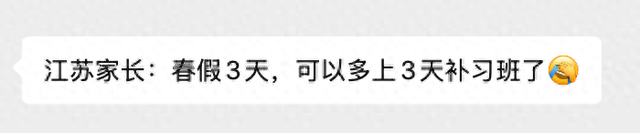
Core Viewpoint - The Jiangsu provincial government has proposed to implement spring and autumn breaks for primary and secondary school students starting in the spring semester of 2026, aiming to enhance students' growth experiences and address seasonal fatigue [1][3]. Group 1: Implementation Details - The spring and autumn breaks will be three days each, scheduled during the mid-term periods of spring (April to May) and autumn (October to November), and can be connected with public holidays and weekends for extended time off [3]. - This initiative is designed to alleviate the long study periods of traditional winter and summer vacations, which can lead to student fatigue [3][4]. Group 2: Educational Philosophy - The introduction of spring and autumn breaks reflects a shift towards a more scientific and humane educational philosophy, emphasizing the importance of students' physical and mental development [3][4]. - The breaks provide opportunities for students to engage in outdoor activities, social practices, and experiential learning, enriching their educational experiences [4]. Group 3: Challenges and Considerations - The execution of the policy requires careful coordination to avoid a one-size-fits-all approach, as other regions like Sichuan and Zhejiang have already implemented similar systems [4]. - There is a concern that the breaks should not become a means to increase academic pressure by compressing the curriculum, which could negatively impact teaching quality [5]. Group 4: Family and Community Support - The potential conflict between students' breaks and parents' work schedules poses challenges, necessitating a collaborative support system involving schools, families, and communities [6]. - Suggestions include encouraging flexible work arrangements for parents and utilizing community resources to provide safe and enriching activities for students during their breaks [6].
让家长与孩子“同频休假”
Xin Lang Cai Jing· 2026-02-05 19:12
Core Viewpoint - The implementation of spring and autumn breaks in primary and secondary schools is seen as a significant step towards educational reform and social progress, with the expectation that it will enhance the quality of life for families [3][5]. Group 1: Implementation Challenges - The key to successfully implementing spring and autumn breaks lies in overcoming existing vacation obstacles, requiring collaboration between educational and human resources departments to create flexible leave arrangements for parents [3]. - There is a need for careful planning to ensure that the breaks align with the academic calendar and support the developmental needs of students [3]. Group 2: Regional Disparities - Attention must be given to regional differences, particularly in rural areas where children may face challenges such as lack of parental presence and inadequate cultural services during breaks, leading to ineffective use of vacation time [4]. - The government is encouraged to maximize the value of these breaks by promoting tourism and family-friendly activities, as demonstrated by successful initiatives in neighboring provinces [4]. Group 3: Current Status and Examples - Several provinces, including Jiangsu, Zhejiang, and Sichuan, have already implemented or are in the process of establishing spring and autumn break systems, with examples like Hangzhou's autumn break in 2025 creating extended opportunities for family travel [5].
春秋假落地“成长赋能期”如何重塑教旅生态?
Zhong Guo Jing Ji Wang· 2025-11-27 03:07
Core Insights - The implementation of spring and autumn breaks in schools aims to enhance service consumption and provide students with opportunities for practical experiences and family interactions [1][6][7] Group 1: Policy Implementation - The Ministry of Commerce and nine other departments issued policies to explore the establishment of spring and autumn breaks in primary and secondary schools, aiming to increase tourism and service consumption [1] - Various regions, including Sichuan, Guangdong, and Zhejiang, have initiated pilot programs for autumn breaks, showcasing diverse arrangements tailored to local conditions [2] Group 2: Educational and Social Impact - Schools are designing differentiated holiday programs based on students' developmental needs, focusing on life skills for younger students and social issues for older students [6] - The autumn break provides a platform for students to engage in community service and real-world experiences, enhancing their understanding of societal responsibilities [6] Group 3: Tourism Industry Response - The introduction of autumn breaks has revitalized the traditional tourism off-season, with significant increases in hotel bookings in regions like Sichuan (92% increase) and Zhejiang (68% increase) [3] - Travel companies are launching differentiated products that integrate educational goals with tourism, moving from sightseeing to immersive experiences [3][4] Group 4: Future Development - The focus on family-oriented travel during these breaks is expected to drive the development of more interactive and educational tourism products [4] - There is a call for improved family-friendly facilities and services in the tourism sector to accommodate the needs of families traveling during these breaks [4][7]
春秋假落地 “成长赋能期”如何重塑教旅生态?
Zhong Guo Jing Ji Wang· 2025-11-27 01:25
Core Insights - The implementation of spring and autumn breaks in schools aims to enhance service consumption and provide students with opportunities for practical experiences and family interactions [1][6][7] Group 1: Policy Implementation - The Ministry of Commerce and nine other departments issued policies to explore the establishment of spring and autumn breaks in primary and secondary schools, aiming to increase service consumption time [1] - Various regions, including Sichuan, Guangdong, and Zhejiang, have initiated pilot programs for autumn breaks, showcasing diverse arrangements tailored to local conditions [2] Group 2: Educational Impact - Schools are designing differentiated holiday plans based on students' developmental needs, focusing on life skills for younger students and social issues for older students [6] - The autumn break provides a platform for students to engage in community service and real-world experiences, enhancing their understanding of societal responsibilities [6] Group 3: Tourism Industry Response - The introduction of autumn breaks has revitalized the traditional off-peak tourism season, with significant increases in hotel bookings in regions like Sichuan (92% increase) and Zhejiang (68% increase) [3] - Travel agencies are launching differentiated products that integrate educational goals with tourism, moving from sightseeing to immersive experiences [3][4] Group 4: Future Development - The focus on family-oriented travel during autumn breaks is expected to drive the development of more interactive and educational tourism products [4] - The successful implementation of spring and autumn breaks requires collaboration between schools and employers to ensure that students can fully benefit from these breaks without academic pressures [7]
秋假秋游让秋冬之交旅游市场“热起来”
Xin Hua Wang· 2025-11-24 14:27
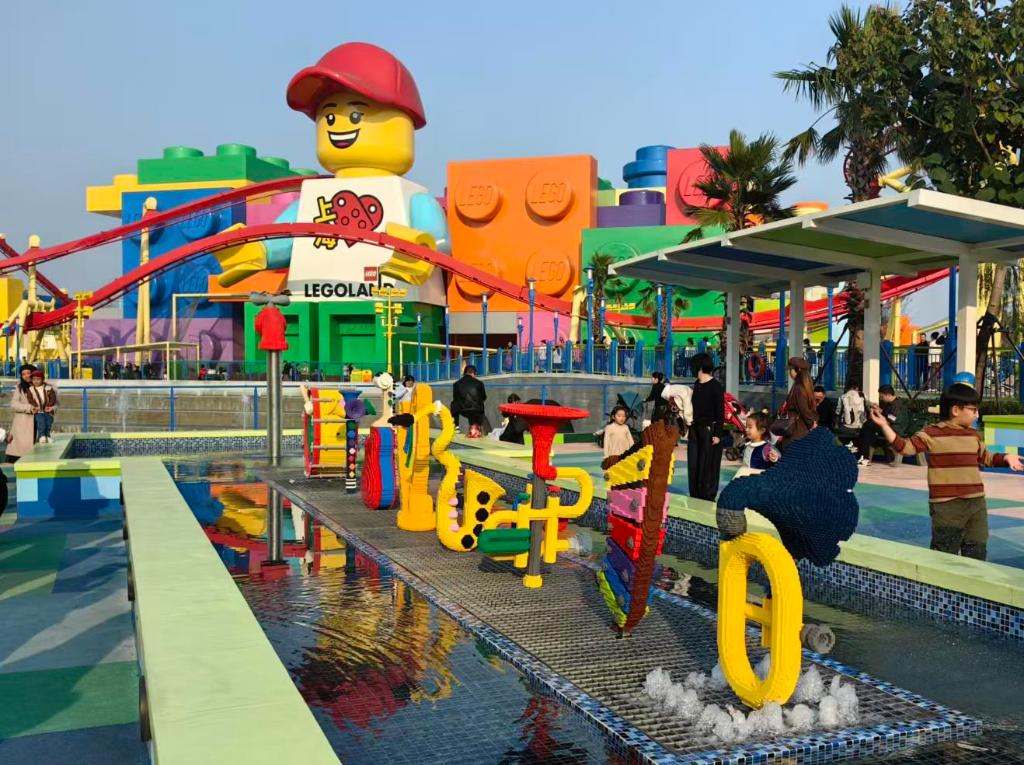
Core Insights - The domestic travel market in China is experiencing an unexpected surge in autumn and winter tourism due to the implementation of autumn and snow holidays in various regions, which has extended the travel season beyond the traditional peak periods [1][4][6] Group 1: Travel Trends - The Shanghai Lego Park has seen a significant increase in visitor numbers, with ticket sales sold out for several days, and hotel occupancy rates remaining high due to a 200% increase in visitors from Zhejiang province during the autumn holiday [1][4] - Shanghai Haichang Ocean Park received over 60,000 visitors from Jiangsu and Zhejiang provinces during the autumn holiday, with hotel revenue increasing by over 40% year-on-year [4][6] - The upcoming release of "Zootopia 2" has led to new activities at Shanghai Disneyland, attracting more families to visit the park [4][6] Group 2: Impact of Holidays - The introduction of autumn holidays has positively impacted various tourism sectors, including educational and cultural tourism, leading to increased bookings for travel packages and related services [6][7] - The implementation of autumn and spring holidays has been well-received by families, with a notable increase in travel bookings, such as a 39% rise in tourism product reservations in Sichuan following the announcement of the autumn holiday [6][7] - Experts suggest that local governments should leverage their unique resources and seasonal characteristics to create differentiated tourism products, enhancing the overall travel experience and maximizing consumer spending potential [6][7]