智慧协同配送体系

Search documents
首都现代物流骨干网络体系建设阶段成果在京发布
Zhong Guo Jing Ji Wang· 2025-12-31 02:40
Core Insights - The recent launch of the capital's modern logistics backbone network in Pinggu District, Beijing, includes the activation of the Capital No. 1 Node Warehouse (Zhaogongkou) and the Capital No. 1 Central Warehouse (Heizhuanghu) [1] - The project aims to establish a smart collaborative distribution system across Beijing, with plans to build 50 front warehouses by 2026 and a total of approximately 100 warehouses in the city [1] - The Beijing-Ping Logistics Hub Railway South Yard, which was also inaugurated, is a key component of the Beijing-Ping "H" railway expansion project, designed to handle an annual loading capacity of 5 million tons [2] Group 1 - The Capital No. 1 Node Warehouse (Zhaogongkou) is strategically located at the transportation hub between the South Third and Fourth Ring Roads, serving a 5-kilometer radius [1] - The warehouse employs an innovative "night-time intensive transportation + in-warehouse consolidated distribution" model to ensure overnight delivery of fresh and essential goods [1] - The Capital No. 1 Central Warehouse (Heizhuanghu) spans over 1,000 square meters and will work in coordination with multiple future warehouses to support efficient urban distribution networks [1] Group 2 - The Beijing-Ping Logistics Hub is recognized as a core carrier for Beijing's goal to become a "logistics highland" and has been included in the national logistics hub construction list [2] - The green collection and distribution system utilizes "railway dedicated lines + new energy heavy trucks" to enhance carbon reduction and cost efficiency in the logistics process [2] - Once the full Beijing-Ping "H" railway expansion is completed, the hub's public and rail transport capacity will increase to 40 million tons annually [2]
北京明年将建成50个物流前置仓
Bei Jing Shang Bao· 2025-12-28 16:11
Core Insights - The construction of the modern logistics backbone network in Beijing has made significant progress, with the official launch of the Capital No. 1 Node Warehouse and the Capital No. 1 Central Warehouse, marking the transition to the operational phase of the logistics network [1][2] Group 1: Project Overview - The Capital No. 1 Node Warehouse (Zhaogongkou Warehouse) and the Capital No. 1 Central Warehouse (Heizhuanghu Warehouse) are now operational, serving as key components of the logistics network [1][2] - The project aims to establish 50 front warehouses in urban areas by 2026, with a total of approximately 100 front warehouses planned to create a smart collaborative delivery system covering the entire city [2] Group 2: Operational Details - The Zhaogongkou Warehouse utilizes an innovative "night-time intensive transportation + in-warehouse combined distribution" model to ensure timely delivery of fresh and essential goods [2] - The railway southern area of the Beijing-Ping Logistics Hub has also commenced operations, designed to handle an annual unloading capacity of 5 million tons, focusing on the "public-to-rail" transportation of bulk goods [2] Group 3: Strategic Initiatives - The unveiling of the "Northern Imported Fruits (Beijing) Distribution and Trading Center" and the "Jingping International Bulk Commodity Digital Supply Chain Distribution Center" aims to enhance supply chain integration and service trade functions [3] - These initiatives are expected to facilitate the flow of high-quality agricultural products and materials, promoting consumption upgrades and industrial synergy, thereby contributing to rural revitalization and urban-rural integration [3] Group 4: Future Prospects - The Beijing-Ping Logistics Hub is a core component of Beijing's strategy to establish a "capital logistics highland" and has been included in the national logistics hub construction list [3] - With the full completion of the Beijing-Ping "H" railway expansion project, the hub's public-rail transport capacity is projected to increase to 40 million tons annually, supporting a resilient and intelligent logistics network [3]
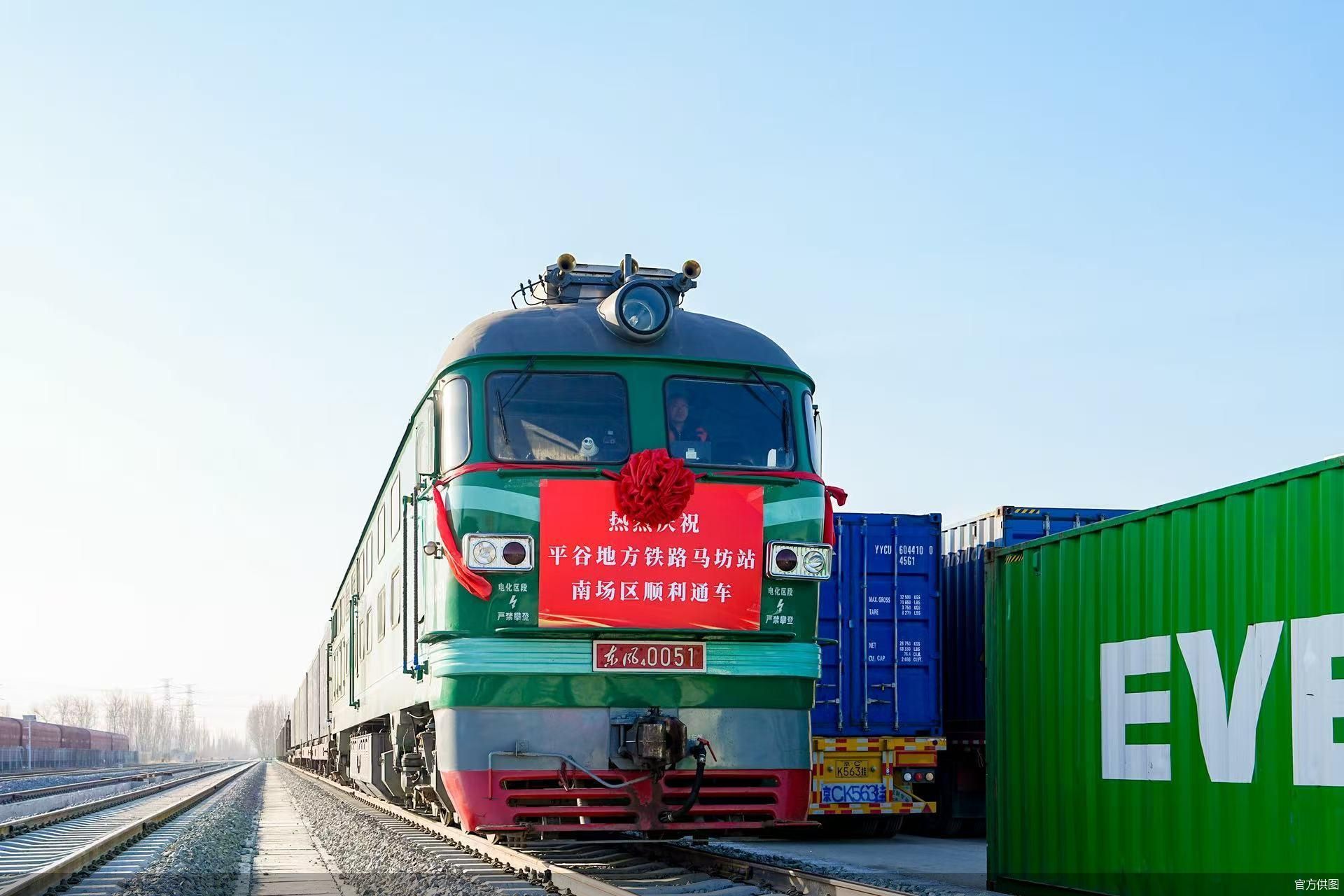
京平综合物流枢纽南场区通车 同步启用前置仓
Bei Jing Shang Bao· 2025-12-26 04:12
Core Insights - The construction of the modern logistics backbone network in Beijing has made significant progress with the official launch of the Capital No. 1 Node Warehouse (Zhaogongkou Warehouse) and the Capital No. 1 Central Warehouse (Heizhuanghu Warehouse) [2] - The project marks the transition to the operational phase of the logistics network, which is part of Beijing's 14th Five-Year Plan to establish a modern logistics system [2] Group 1 - The Capital No. 1 Node Warehouse is strategically located in the transportation hub area between the South Third Ring and South Fourth Ring, serving a 5-kilometer radius and utilizing an innovative "night-time intensive transportation + in-warehouse combined distribution" model [3] - The Central Warehouse, exceeding 1,000 square meters, will collaborate with multiple future warehouses to support an efficient urban delivery network [3] - By 2026, the plan includes the establishment of 50 front warehouses in the urban area, with a total of approximately 100 warehouses planned to create a smart collaborative delivery system covering the entire city [3] Group 2 - The railway southern area of the Beijing-Ping logistics hub has also been put into operation, designed to handle an annual unloading capacity of 5 million tons, focusing on the "public-to-rail" transportation of bulk materials [4] - The establishment of the "Northern Imported Fruits (Beijing) Distribution and Trading Center" and the "Beijing Ping International Bulk Commodity Digital Supply Chain Distribution Center" aims to enhance supply chain integration and trade services [4] - The Beijing-Ping logistics hub is a key component in building Beijing as a "logistics highland" and has been included in the national logistics hub construction list, with future capacity expected to reach 40 million tons annually upon completion of the railway expansion project [4]