
物流枢纽

Search documents
9568亿!刘强东将拿下第七家上市公司!
Sou Hu Cai Jing· 2026-01-30 02:40
Core Insights - JD Property, a key player in JD's supply chain infrastructure, is set to go public on the Hong Kong Stock Exchange, marking a significant step in its journey after a previous IPO attempt was paused for nearly three years [4][5]. Group 1: Company Overview - JD Property has evolved from an internal logistics department to an independent company with an asset management scale exceeding 120 billion yuan, establishing itself as an industry leader over the past decade [4]. - The company manages 285 infrastructure assets across 29 provincial-level administrative regions and 10 countries, with a total construction area of 27.1 million square meters [5]. Group 2: Financial Performance - For the first nine months of 2025, JD Property reported revenue exceeding 3 billion yuan, reflecting a year-on-year growth of 21.2%, with adjusted net profit reaching 823 million yuan, more than tripling compared to the entire year of 2023 [6]. - External clients contributed 62.5% of the revenue, showcasing a diverse customer base that includes major companies like BMW and BYD, indicating a shift away from reliance solely on JD [7]. Group 3: International Expansion - JD Property's international projects have increased, with overseas assets rising from 3.7% at the beginning of 2023 to 12.8% by September 2025 [7]. - The company has secured four high-standard warehouses in Singapore, totaling 176,000 square meters, enhancing its supply chain network in the Asia-Pacific region [7]. Group 4: Market Context - JD Group's overall revenue reached 956.8 billion yuan in the first three quarters of 2025, marking a 17.86% year-on-year increase, attributed to a strategic focus on core business areas [8]. - The trend in the industry is shifting from diversification to a focus on core competencies, which is expected to shape the competitive landscape in the coming decade [8].


2025年贵州共争取到中央资金超417亿元,增长41.6%
Xin Lang Cai Jing· 2026-01-09 11:28
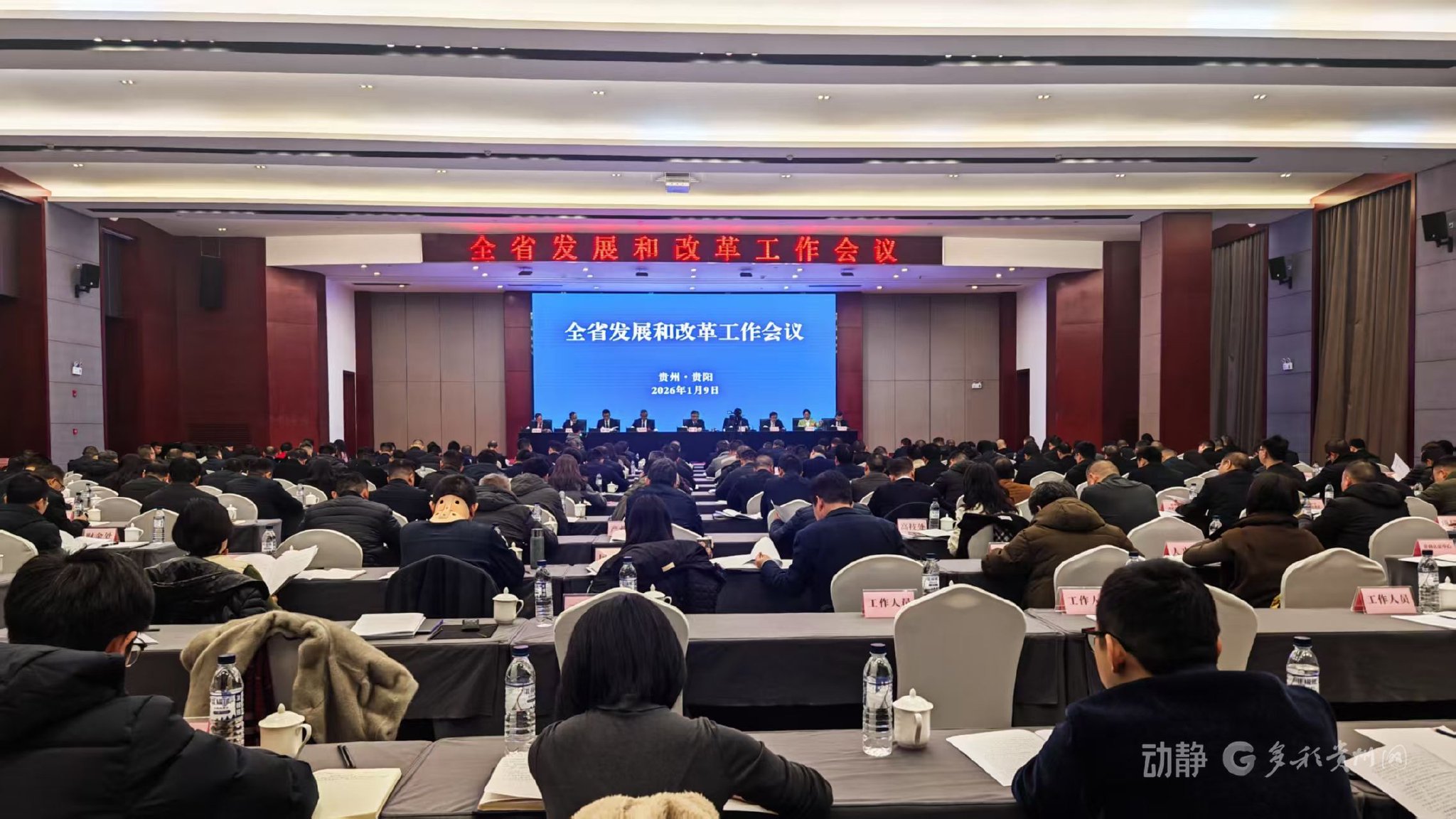
Core Insights - In 2025, the provincial development and reform system achieved breakthroughs in securing funding, projects, and policies [1] Funding - The province secured over 41.7 billion yuan in central funding, including long-term special bonds and central budget investments, marking a 41.6% increase [3] - In the social sector, 7.28 billion yuan was secured to support 249 urban renewal projects [3] Major Projects - The approval and commencement of the Qian-Gui Railway second line and the national approval of feasibility reports for the Yulong and Yingwu reservoirs were significant achievements [3] - The province ranked among the top in the nation for the number of approved computing infrastructure projects [3] Policy Initiatives - The province successfully included the Guiyang airport-type national logistics hub and the Zunyi national backbone cold chain logistics base in the national construction list [3] - The Qianxinan Prefecture was included in the first batch of high-quality outdoor sports destination cities in the country [3] Investment Trends - The "5+3" major projects accounted for approximately 70% of the total provincial investment in the past year [3] - Private investment growth continued to outpace overall investment growth, increasing its share to 39.4% [3] Reforms and Economic Development - The development and reform department made substantial progress in reducing electricity prices and logistics costs [3] - A special rectification of malicious competition in investment attraction was conducted, leading to the establishment of provincial centers for private and regional economic development [3] Employment and Income - The implementation of labor-for-work projects helped 196,000 rural workers increase their income by over 10,000 yuan each [3] - The province secured 7.175 billion yuan for 129 social sector projects, facilitating the construction of student dormitories at Guizhou University and five other quality provincial universities [3] - All phase two projects of five national regional medical centers commenced construction [3]
首都现代物流骨干网络体系建设阶段成果在京发布
Zhong Guo Jing Ji Wang· 2025-12-31 02:40
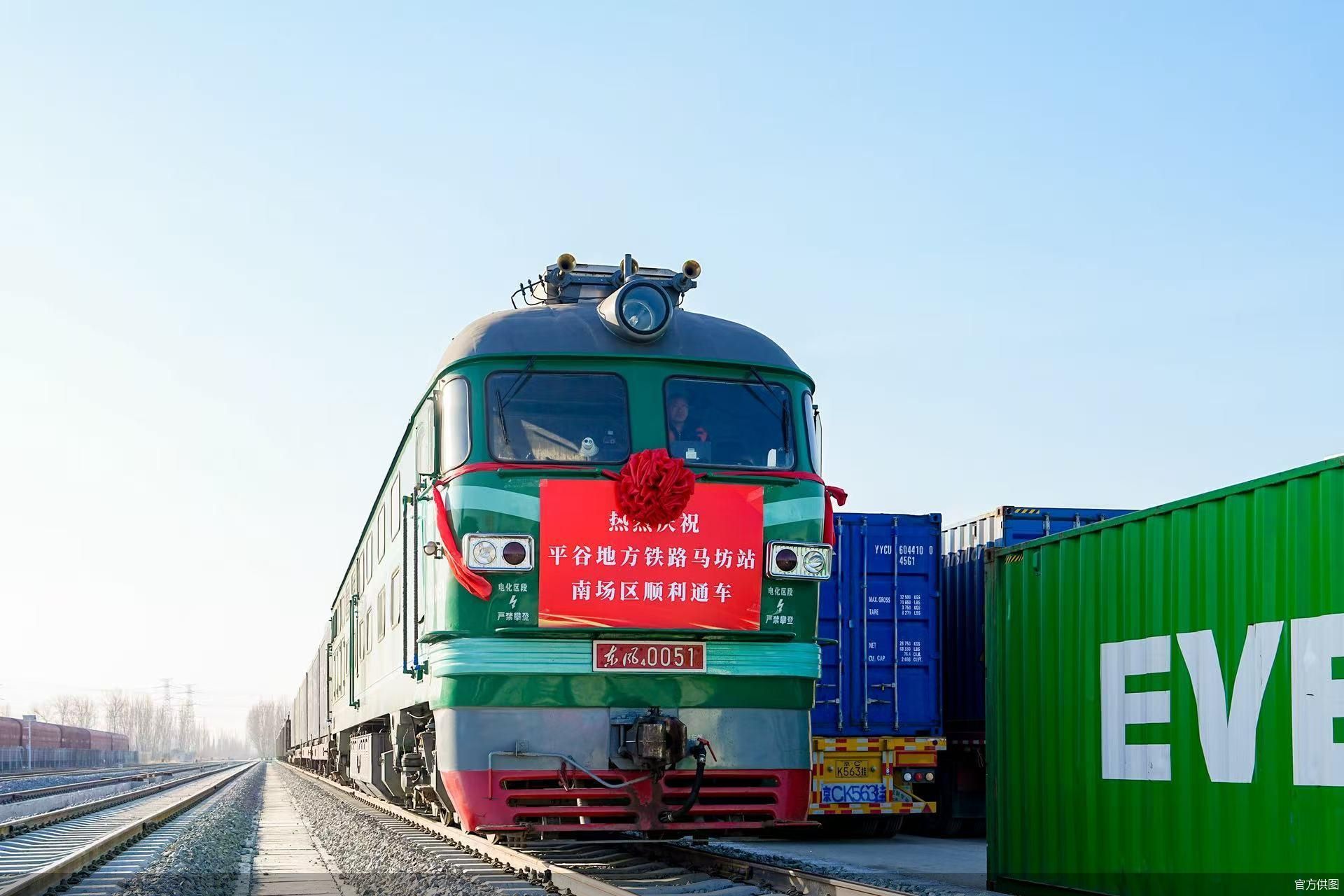
Core Insights - The recent launch of the capital's modern logistics backbone network in Pinggu District, Beijing, includes the activation of the Capital No. 1 Node Warehouse (Zhaogongkou) and the Capital No. 1 Central Warehouse (Heizhuanghu) [1] - The project aims to establish a smart collaborative distribution system across Beijing, with plans to build 50 front warehouses by 2026 and a total of approximately 100 warehouses in the city [1] - The Beijing-Ping Logistics Hub Railway South Yard, which was also inaugurated, is a key component of the Beijing-Ping "H" railway expansion project, designed to handle an annual loading capacity of 5 million tons [2] Group 1 - The Capital No. 1 Node Warehouse (Zhaogongkou) is strategically located at the transportation hub between the South Third and Fourth Ring Roads, serving a 5-kilometer radius [1] - The warehouse employs an innovative "night-time intensive transportation + in-warehouse consolidated distribution" model to ensure overnight delivery of fresh and essential goods [1] - The Capital No. 1 Central Warehouse (Heizhuanghu) spans over 1,000 square meters and will work in coordination with multiple future warehouses to support efficient urban distribution networks [1] Group 2 - The Beijing-Ping Logistics Hub is recognized as a core carrier for Beijing's goal to become a "logistics highland" and has been included in the national logistics hub construction list [2] - The green collection and distribution system utilizes "railway dedicated lines + new energy heavy trucks" to enhance carbon reduction and cost efficiency in the logistics process [2] - Once the full Beijing-Ping "H" railway expansion is completed, the hub's public and rail transport capacity will increase to 40 million tons annually [2]
京平综合物流枢纽南场区通车 同步启用前置仓
Bei Jing Shang Bao· 2025-12-26 04:12
Core Insights - The construction of the modern logistics backbone network in Beijing has made significant progress with the official launch of the Capital No. 1 Node Warehouse (Zhaogongkou Warehouse) and the Capital No. 1 Central Warehouse (Heizhuanghu Warehouse) [2] - The project marks the transition to the operational phase of the logistics network, which is part of Beijing's 14th Five-Year Plan to establish a modern logistics system [2] Group 1 - The Capital No. 1 Node Warehouse is strategically located in the transportation hub area between the South Third Ring and South Fourth Ring, serving a 5-kilometer radius and utilizing an innovative "night-time intensive transportation + in-warehouse combined distribution" model [3] - The Central Warehouse, exceeding 1,000 square meters, will collaborate with multiple future warehouses to support an efficient urban delivery network [3] - By 2026, the plan includes the establishment of 50 front warehouses in the urban area, with a total of approximately 100 warehouses planned to create a smart collaborative delivery system covering the entire city [3] Group 2 - The railway southern area of the Beijing-Ping logistics hub has also been put into operation, designed to handle an annual unloading capacity of 5 million tons, focusing on the "public-to-rail" transportation of bulk materials [4] - The establishment of the "Northern Imported Fruits (Beijing) Distribution and Trading Center" and the "Beijing Ping International Bulk Commodity Digital Supply Chain Distribution Center" aims to enhance supply chain integration and trade services [4] - The Beijing-Ping logistics hub is a key component in building Beijing as a "logistics highland" and has been included in the national logistics hub construction list, with future capacity expected to reach 40 million tons annually upon completion of the railway expansion project [4]
上海:加快通道沿线和重要节点骨干物流枢纽建设 加快推进上海东站建设
Jing Ji Guan Cha Wang· 2025-11-05 04:03
Core Viewpoint - The Shanghai Municipal Transportation Commission and the Shanghai Development and Reform Commission have released an action plan aimed at reducing costs and improving efficiency in transportation logistics in Shanghai [1] Group 1: Infrastructure Development - Accelerate the construction of key logistics hubs along major corridors and important nodes [1] - Support the formation of a cluster of comprehensive cargo hubs through the national integrated cargo hub supply chain enhancement efforts [1] - Promote the construction of Shanghai East Station to facilitate air-rail intermodal transport [1] Group 2: Upgrading Existing Facilities - Upgrade the Luchao Port Central Station railway hub to enhance operational capacity [1] - Support the establishment of the China-Europe Railway Express (Shanghai) station to improve the international freight hub layout [1] - Accelerate the construction of the northern operational area of Xiaoyangshan and promote the transformation of the Luojing Port area [1] Group 3: Automation and Efficiency - Implement automation upgrades at traditional terminals to further enhance the container throughput and operational efficiency of Shanghai Port [1]