智能终端安全

Search documents
警惕个别智能终端侵害用户权益
Xin Hua Wang· 2025-11-17 05:40
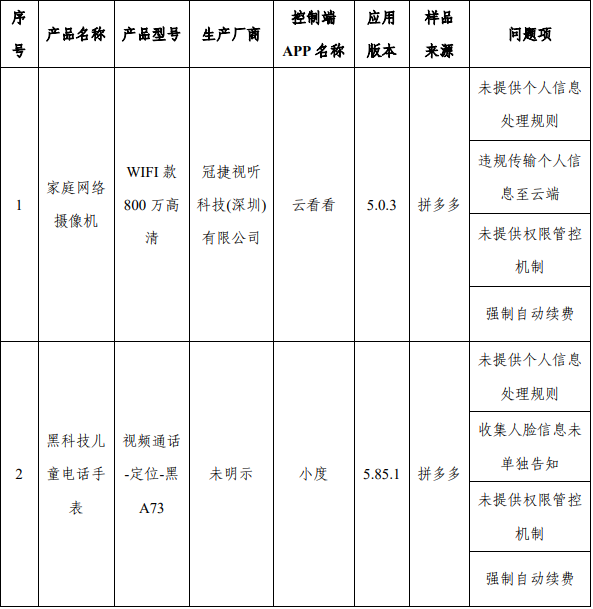
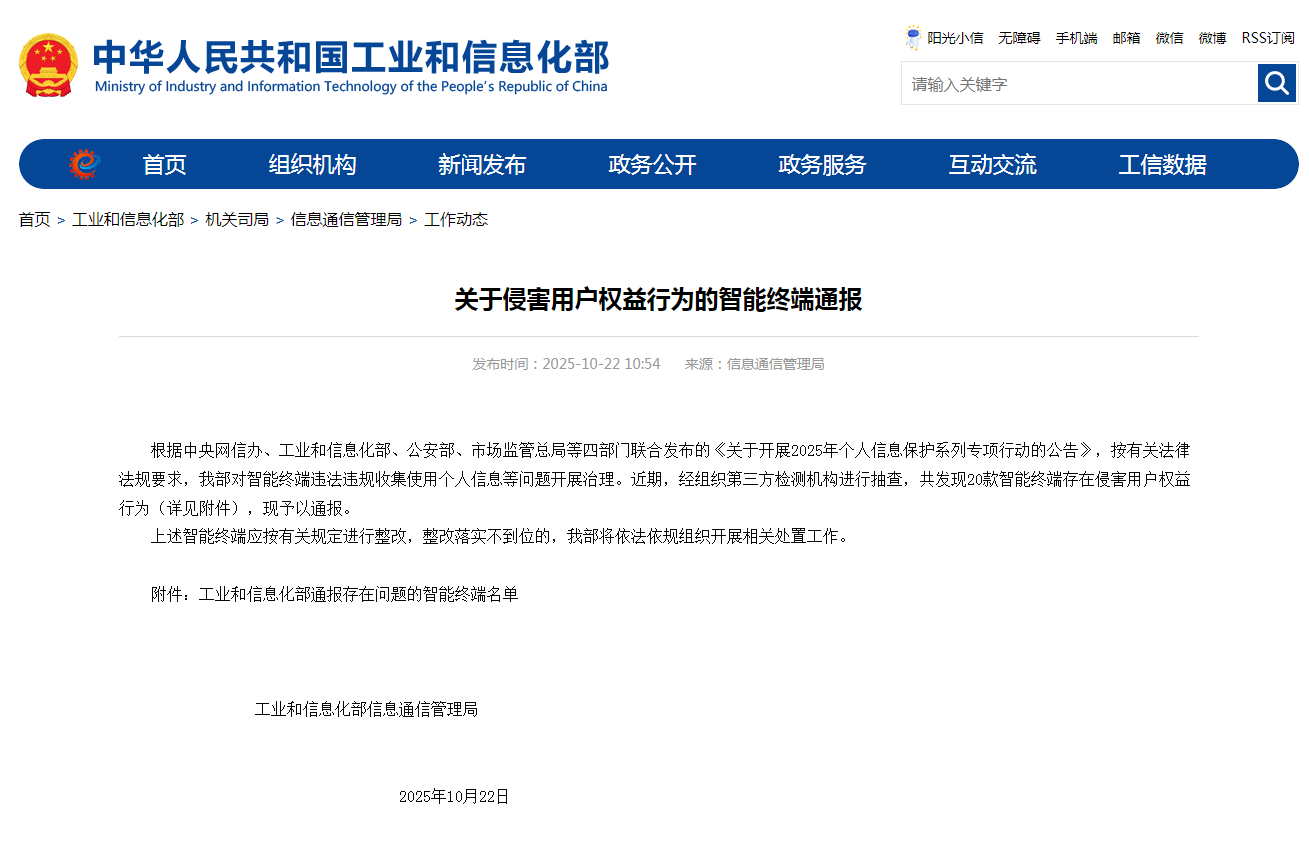
Core Insights - The Ministry of Industry and Information Technology (MIIT) has reported 20 smart terminal products that infringe on user rights, highlighting the need for enhanced personal information protection and security measures in the development of smart devices [1][3][4] Group 1: User Rights Violations - Common issues identified in the reported products include lack of personal information processing rules, excessive collection of unnecessary personal information, and unauthorized transmission of personal data to the cloud [3][6] - Users have reported instances where smart devices, such as smartphones and smart speakers, misuse personal data for targeted advertising and collect excessive information about viewing habits and online activities [3][4] Group 2: Legal and Regulatory Framework - China has established a governance framework for compliance management of smart terminals, including laws like the Personal Information Protection Law and the Cybersecurity Law, which set basic rules for personal data processing [6][7] - Continuous joint actions by relevant ministries to protect personal information have become a regular regulatory mechanism, with a focus on addressing violations in smart terminals and applications [6][8] Group 3: Challenges in Implementation - Despite a comprehensive legal framework, there are imbalances in technology investment versus security awareness, commercial gains versus user rights, and regulatory requirements versus enforcement [7][8] - The drive for data monetization has led some companies to prioritize profit over user privacy, resulting in frequent violations of user rights [7][8] Group 4: Recommendations for Improvement - Companies are encouraged to integrate privacy design principles into their product development processes and establish robust data management and encryption mechanisms [8][9] - Users should actively participate in protecting their privacy by regularly updating systems, denying unnecessary permissions, and using strong authentication methods [9][10]

新华网财经观察丨警惕个别智能终端侵害用户权益
Xin Hua Wang· 2025-11-17 03:20
Core Viewpoint - The Ministry of Industry and Information Technology (MIIT) has reported 20 smart terminal products that infringe on user rights, highlighting the need for enhanced personal information protection and security measures in the development of smart devices [2][5][6]. Summary by Relevant Sections User Rights Infringement - Common issues identified in the reported products include the lack of personal information processing rules, excessive collection of unnecessary personal information, and unauthorized transmission of personal data to the cloud [5][6]. - Users have reported instances where smart devices, such as smartphones and smart speakers, misuse personal data for targeted advertising and collect excessive information without consent [5][6]. Security Risks - The integration of advanced technologies in smart devices has increased their functionality but also introduced more complex security risks [6][8]. - The development of smart terminals is crucial for the digital economy, and their security is now considered a matter of national security [6][8]. Regulatory Framework - China has established a comprehensive legal framework for personal information protection, including laws and regulations that require clear purposes for data processing and user consent [8][10]. - Despite the existing regulations, some smart devices still violate user rights due to imbalances in technology investment, commercial interests, and regulatory enforcement [8][9]. Recommendations for Improvement - Companies are encouraged to integrate privacy design principles into their product development processes and establish robust data management practices [12][13]. - Users should actively participate in protecting their privacy by regularly updating systems, denying unnecessary permissions, and using strong authentication methods [14]. Collaborative Efforts - The security of smart terminals requires a multi-faceted approach involving technology constraints, collaborative governance, and industry self-regulation to effectively mitigate potential risks [14].


工信部通报20款智能终端,儿童电子产品成重灾区
21世纪经济报道· 2025-10-24 13:49
Core Viewpoint - The article highlights the increasing scrutiny and regulatory actions against smart terminal products due to violations of user rights, particularly in the context of personal information protection [1][10][16]. Regulatory Actions - On October 22, the Ministry of Industry and Information Technology announced the exposure of 20 smart terminal products that infringe on user rights, marking the first punitive case since the launch of a special action for personal information protection [1][10]. - The recent government directives emphasize the need for compliance as the market for smart terminals continues to grow, with a target of over 70% application penetration by 2027 [1][11]. Common Issues Identified - The reported products exhibited common violations, with 85% failing to provide personal information processing rules and 60% lacking permission control mechanisms [10][12]. - Smart locks and cameras, which are closely related to personal living spaces, showed multiple violations, including unauthorized collection of facial recognition data and improper transmission of personal information to the cloud [10][14]. Impact on Children - Children's electronic products, such as smart watches and learning terminals, were highlighted as significant areas of concern due to their high exposure to privacy risks [10][14]. Industry Trends - The global smart home market is projected to grow rapidly, with a compound annual growth rate of 9.55%, reaching $250.6 billion by 2029 [11]. - As digital devices proliferate, hardware security issues are becoming more prominent, prompting increased regulatory focus on data security and privacy protection [11][12]. Compliance Challenges - Small and medium-sized enterprises face significant compliance challenges, including keeping up with evolving regulations, lacking privacy protection expertise, and insufficient resources for developing compliance tools [15][16]. - The article suggests that a systematic approach to compliance, including special assessments and ongoing improvements in privacy protection measures, is essential for the industry [15][16]. Future Outlook - The article anticipates that regulatory standards and policies for the smart terminal industry will continue to evolve and become more detailed, with a focus on leveraging technology for effective governance [16][17].

工信部首次通报智能终端侵权 儿童电子产品成重灾区
2 1 Shi Ji Jing Ji Bao Dao· 2025-10-24 12:11
Core Viewpoint - The Ministry of Industry and Information Technology has exposed 20 smart terminal products that infringe on user rights, marking the first case of targeted penalties since the announcement of a special action for personal information protection in 2025 [1][9] Group 1: Regulatory Actions - The announcement reflects a shift in regulatory focus from mobile applications to smart terminal devices, highlighting widespread issues in personal information protection within the industry [11][12] - The government aims to enhance compliance requirements as the proliferation of smart terminals raises concerns about user privacy and data security [1][11] Group 2: Common Issues Identified - A significant commonality among the 20 problematic products is the lack of personal information processing rules, affecting 17 products, which accounts for 85% of the cases [9] - 12 products were found to lack permission control mechanisms, representing 60% of the identified issues [9] - Smart locks and cameras, which are closely related to users' personal spaces, exhibited multiple violations, including unauthorized collection of facial recognition data and improper transmission of personal information to the cloud [9] Group 3: Impact on Children - Children's electronic products, such as smart watches and learning devices, have been identified as high-risk items due to their violations, which could directly threaten minors' information security [9][10] Group 4: Industry Trends - The global smart home market is projected to grow rapidly, with a compound annual growth rate of 9.55%, reaching $250.6 billion by 2029, indicating a strong demand for smart terminal applications [10] - As digital devices become more prevalent, hardware security issues are increasingly emerging, prompting heightened regulatory scrutiny on data security and personal privacy protection [10] Group 5: Compliance Challenges for SMEs - Small and medium-sized enterprises face significant compliance challenges, including difficulties in keeping up with evolving personal information protection laws and a lack of specialized privacy protection talent [12][13] - The need for ongoing investment in compliance detection tools is critical, as these tools require long-term development and iteration based on smart terminal technology [12] Group 6: Future Directions - The government is expected to continue refining regulatory standards and policies for the smart terminal industry, with a focus on enhancing personal information protection measures [13] - The integration of technology in regulatory practices is anticipated to play a crucial role in addressing compliance issues within the smart terminal sector [13]