智能电视

Search documents
春节假期消费火热 银联“乐购新春”助力市场升温
Sou Hu Wang· 2026-02-27 06:31
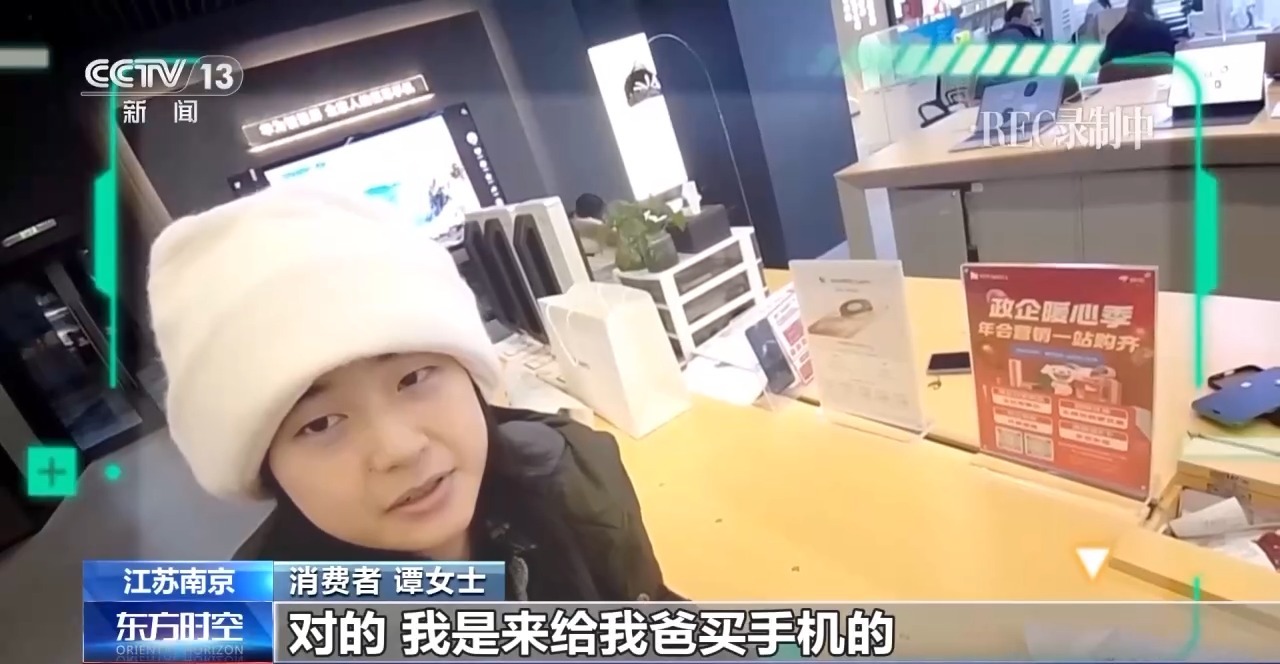
Core Viewpoint - The 2026 Spring Festival holiday in China showcased strong consumer vitality, with significant participation from China UnionPay in promoting consumption and ensuring smooth payment services, aligning with national strategies to boost consumption and domestic demand [1][2]. Group 1: Policy Response - China UnionPay launched the "Happy Shopping Spring" campaign during the Spring Festival, collaborating with commercial banks to provide efficient payment services across various sectors, ensuring that fiscal subsidies effectively reach consumers [2]. - The initiative included activities like "trade-in for new" to stimulate offline consumption and introduced prize invoices as a new consumption driver, enhancing the integration of diverse consumption scenarios [2][3]. Group 2: Consumption Trends - Payment transactions during the Spring Festival reached 39.302 billion, totaling 13.12 trillion yuan, with daily transaction volume and amount increasing by 37.45% and 19.26% year-on-year, respectively [3]. - There was a notable shift back to offline consumption, driven by trade-in activities and promotional offers, which significantly boosted foot traffic in physical stores [3][4]. - AI home appliances emerged as popular purchases during the festival, reflecting a shift towards smarter living, supported by government subsidies and increased consumer willingness to spend [4]. - The return of young people to their hometowns during the Spring Festival highlighted the consumption potential in lower-tier markets, with significant growth in sales of large appliances [4]. Group 3: Innovation in Consumption - The rise of "ticket root economy" during the Spring Festival activated diverse consumption potentials, with various cultural and tourism activities being promoted through partnerships with local governments [5][6]. - The introduction of prize invoices became a hot topic among consumers, with a pilot program covering 84 cities, enhancing consumer engagement and stimulating spending [6]. - New consumption initiatives, such as the "Play and Earn Spring Festival" campaign, successfully engaged millions of users and drove substantial transaction volumes during the holiday period [6].
创维闯关:去年净利预跌30%,拟拆分光伏业务上市,绑定松下发力全球化?
Sou Hu Cai Jing· 2026-02-25 09:57
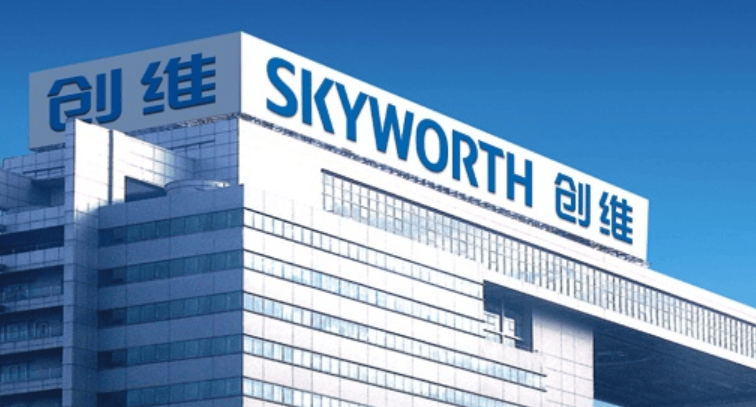
Core Viewpoint - Skyworth Group has announced a forecast for its 2025 annual performance, indicating a continued decline in profits following a downturn in 2024, primarily due to challenges in the real estate sector and setbacks in its smart systems technology business [2][3]. Group 1: Financial Performance - The forecast for 2025 shows a projected profit decline of approximately 30% year-on-year [3]. - In the first half of 2025, Skyworth reported total revenue of 36.264 billion yuan, a year-on-year increase of 20.27%, but a net profit attributable to shareholders of only 125 million yuan, down 67.45% [4]. - The modern service industry and other related businesses saw revenue drop to 2.861 billion yuan, a decline of 39.6% year-on-year [5]. Group 2: Real Estate Impact - The ongoing downturn in the real estate market has significantly affected Skyworth's performance, with the company citing "real estate downturn and sluggish sales" as a recurring reason for its profit declines [4][6]. - In 2025, the construction area for real estate development is expected to decrease by 10%, with new housing starts down by 20.4% [6]. Group 3: Smart Systems Technology Challenges - The smart systems technology segment has also faced challenges, with increased market competition leading to a decline in overall profitability and product gross margins [7]. - In the first half of 2025, revenue from smart systems technology was 2.642 billion yuan, a slight increase of 0.9% domestically but a 15.4% decline overseas [8]. Group 4: Business Developments and Strategic Moves - Skyworth is actively seeking to transform its business model, with plans to privatize and spin off its solar business for separate listing [17]. - The company is set to take over Panasonic's television business in North America and Europe, which is seen as a strategic move to enhance its market presence and leverage Panasonic's established sales channels [14][15]. - The solar business is projected to surpass traditional television revenue for the first time in 2025, indicating a shift in the company's growth trajectory [17].


国补点燃春节家电焕“新”潮 济南多家卖场家电3C消费成交量同比增近两成
Feng Huang Wang Cai Jing· 2026-02-25 07:39
Group 1 - The new round of national subsidy policies, combined with the Spring Festival holiday consumption peak, has significantly activated the 3C appliance consumption momentum in Jinan, with foot traffic in many stores increasing by over 50% during the holiday period [1] - The actual transaction volume of home appliances has increased by nearly 20% year-on-year, driven by the "reward invoice" policy that has heightened consumer purchasing enthusiasm [1] - Consumers are increasingly seeking smart, trendy, and scenario-based solutions for their home appliances, with a notable shift towards larger and more advanced products, such as smart refrigerators with independent temperature control and sterilization features [1] Group 2 - Smart appliances have become a crucial factor in purchasing decisions, with 55% of sales in smart home appliances this year, indicating a shift from optional to essential [2] - The sales of 3C digital products increased by approximately 20% year-on-year from February 15 to 23, influenced by promotional consumption policies, with cities like Beijing, Nanjing, Shanghai, Chengdu, Guangzhou, and Jinan showing the highest demand for upgrades [2] - Wearable devices such as smartwatches and smart glasses saw a 62% increase in sales, reflecting the trend towards intelligent, fashionable, and scenario-oriented consumption in the 3C appliance market [2] Group 3 - Jinan has launched a reward invoice program with an estimated funding of 50 million yuan, featuring multiple prize levels to encourage consumer participation, running from February 9 to 28 [3] - The combination of various policies, including reward invoices and trade-in programs, is translating into tangible consumer momentum, leading to a surge in 3C appliance sales [3] - The rise of self-indulgent consumption among the younger generation indicates a shift in consumer attitudes, with a willingness to invest in higher-quality lifestyle experiences [3]

智能、悦己、减负!苏宁易购发布2026年春节消费洞察
Sou Hu Cai Jing· 2026-02-25 07:35
Core Insights - The new round of national subsidy policies, combined with the peak consumption season during the Spring Festival, has significantly boosted the home appliance and 3C product market [1] Group 1: Consumer Trends - From February 15 to 23, foot traffic in stores nationwide increased by 78%, with sales of first-level energy/water-efficient appliances accounting for 92.8% of total sales [1] - Sales of wearable devices such as smartwatches and smart glasses surged by 62% compared to previous periods, indicating a shift towards smart, trendy, and scenario-based consumption [1] - Young consumers are becoming the main drivers of growth in home appliance consumption, seeking comprehensive solutions that cater to specific life scenarios rather than just basic functionality [3] Group 2: Smart Home Appliances - AI-integrated home appliances are becoming the top choice for Spring Festival purchases, with consumers prioritizing smart features that enhance convenience and efficiency [3][5] - Smart refrigerators with independent temperature control and self-cleaning features are gaining popularity, reflecting a willingness to invest in higher-priced, more functional products [3] - The sales proportion of smart home appliances has reached 55% this year, transitioning from optional to essential items for consumers [5] Group 3: Emotional and Experiential Consumption - Products that provide emotional value and enhance life experiences, such as high-end smartphones and smart imaging devices, are emerging as new growth points in the market [5] - Over 70% of sales in mid-to-high-end smartphones are priced above 3000 yuan, indicating a trend towards "self-gratifying" consumption among younger generations [5] - Young consumers are increasingly bringing technology back to their hometowns, driving demand for smart home appliances in rural areas [6] Group 4: Market Growth in Rural Areas - The trend of young consumers returning home for the Spring Festival has led to increased demand for smart appliances like washing machines and smart ovens in rural markets [6] - Sales of large-capacity refrigerators and washing-drying sets grew by 95%, while sales of robotic vacuum cleaners and smart ovens increased by 67% during the holiday period [6] - The ongoing penetration of retail channels like Suning is facilitating the transition of rural households from basic to smart appliances [6]

日本电视产业真的崩了吗?松下宣布将欧美电视销售业务转让给创维,退守本土市场【附全球智能电视行业发展状况分析 】
Qian Zhan Wang· 2026-02-25 04:20
Group 1 - Panasonic will transfer its TV sales business in Europe and the US to Chinese manufacturer Skyworth in April 2024, focusing instead on the Japanese domestic market and high-end model development [2] - Panasonic and Skyworth have signed a comprehensive cooperation agreement, with Skyworth taking over sales, marketing, and logistics, while Panasonic retains product quality control and audiovisual standards [2] - Panasonic's global TV shipments have plummeted from 6.31 million units in 2016 to only 2.02 million units in 2024, resulting in a global market share of less than 1% [2] Group 2 - Japanese TV manufacturers, once dominant in the global market, have seen their market share drop from nearly 90% in the 1980s and 1990s to less than 6% in 2024 due to competition from Chinese panel manufacturers [3] - Major Japanese brands like Panasonic and Sony are adjusting their strategies, with Panasonic transferring its sales operations and Sony forming a joint venture with TCL for global operations [3] - The rise of smart TVs has not benefited traditional giants, as the focus has shifted from hardware to software ecosystems and internet services, allowing Chinese manufacturers to gain a competitive edge [7] Group 3 - The global penetration rate of smart TVs has increased from less than 25% in 2016 to 46% in 2024, driven by the rise of streaming services and demand for larger, high-definition screens [6] - The shift towards smart TVs has led to a decline in traditional TV usage, with TV activation rates in China dropping from 70% in 2016 to below 30% in 2022 [9] - New product categories such as smart TVs, ultra-high-definition TVs, and cloud TVs are emerging, providing new growth opportunities for the Chinese TV industry [9]

国补点燃春节焕新潮!苏宁易购客流、智能穿戴增长78%、62%
Huan Qiu Wang· 2026-02-24 03:44
Core Insights - The new round of national subsidy policies, combined with the peak consumption season during the Spring Festival, has significantly boosted the home appliance and 3C product market in China [1] Group 1: Consumer Trends - From February 15 to 23, nationwide store traffic increased by 78%, with sales of first-level energy/water-efficient appliances rising to 92.8% [1] - Sales of wearable devices such as smartwatches and smart glasses surged by 62% [1] - Young consumers are driving new demands for home appliances, focusing on solutions that cater to specific life scenarios rather than just basic functionality [3] Group 2: Smart Home Appliances - AI-integrated home appliances have become the top choice for Spring Festival purchases, with consumers prioritizing smart features for convenience and efficiency [3][5] - Smart appliances like temperature-adjusting refrigerators and washing machines that recognize fabric types have become the most popular items in stores [5] - The sales proportion of smart home appliances reached 55% this year, indicating a shift from optional to essential purchases [5] Group 3: Market Dynamics - Young consumers returning home for the Spring Festival are introducing advanced technology to their families, leading to increased demand for smart home products in rural areas [7] - Significant growth was observed in large-capacity refrigerators and washing machine-dryer sets, with increases of 95% and 153% respectively [7] - The trend of "technology feedback" from young consumers is accelerating the transition of rural households from basic to smart appliances [7]

数智化策马扬鞭 春节消费更显“科技范儿”
Zhong Guo Zheng Quan Bao· 2026-02-13 22:22
Group 1 - The core idea of the articles revolves around the increasing integration of humanoid robots into daily life and festive activities, particularly during the upcoming Spring Festival in Wuhan, where these robots are prepared for various performances and interactions [1][2][3] Group 2 - The humanoid robots at the 光谷人形机器人7S store are designed not only for festive services but also for daily companionship, showcasing their versatility in engaging with consumers [2] - The store operates under a "7S" model, which includes sales, parts, after-sales, information feedback, solutions, display, and training services, enhancing customer experience through interactive performances [2] - There is a growing demand for robot rental services during the Spring Festival, with hundreds of consumers visiting the store daily for interactive experiences, indicating a robust market interest [2] Group 3 - The trend of incorporating technology into consumer products is evident, with many consumers taking advantage of national subsidies to purchase smart home appliances as "electronic New Year goods" [3] - Sales of smart cleaning devices, such as automatic window cleaners and air purifiers, have seen a year-on-year increase of 55% since January 1, reflecting a strong demand for smart home technology during the festive season [3] - The integration of smart technology into household items has enhanced family interactions, making daily tasks more convenient and enjoyable, thus contributing to a new sense of "New Year flavor" [3]
春节消费更显“科技范儿”
Zhong Guo Zheng Quan Bao· 2026-02-13 20:23
Core Viewpoint - The integration of humanoid robots into daily life and festive activities is gaining momentum, particularly with the upcoming Spring Festival, showcasing a blend of technology and consumer engagement [1][2][3] Group 1: Humanoid Robots in Consumer Experience - Humanoid robots are being utilized for festive services, such as writing "福" characters and participating in performances, enhancing the celebratory atmosphere [1] - The demand for humanoid robot rental and interactive experiences has surged, with hundreds of consumers visiting stores daily for engagement [2] - The "7S store" model combines sales, service, and training, allowing for comprehensive consumer interaction and entertainment through robot performances [1] Group 2: Broader Smart Product Consumption - The trend of incorporating technology into consumer goods is evident, with many consumers purchasing smart appliances during the Spring Festival, aided by government subsidies [2] - Sales of smart cleaning devices, such as automatic window cleaners and air purifiers, have increased by 55% since January 1, driven by the demand for cleaning during the festive season [3] - The introduction of smart features in household products enhances user experience, making daily tasks easier and more enjoyable for families [3]
“赛博年味”拉满!春节消费的“科技范儿”
Zhong Guo Zheng Quan Bao· 2026-02-13 04:52
Core Insights - The integration of humanoid robots into daily life and festive activities is gaining traction, with significant consumer engagement and rental demand during the Spring Festival [1][2] Group 1: Humanoid Robots in Retail - The "7S store" in Wuhan showcases humanoid robots that provide services during the Spring Festival and offer daily companionship [1] - The store has expanded its services beyond traditional sales to include solutions, demonstrations, and training, enhancing customer interaction [1] Group 2: Consumer Engagement and Sales Growth - The demand for humanoid robot rentals and interactive experiences has led to over 600,000 yuan in revenue since the store's opening in November 2025 [2] - Hundreds of consumers visit the store daily for interactive experiences, with educational activities attracting over 80 students per session [2] Group 3: Broader Trends in Smart Product Consumption - The trend of incorporating technology into festive celebrations is reflected in the increased sales of smart home appliances, supported by government subsidies [2] - Sales of cleaning appliances like automatic window cleaners and air purifiers have surged by 55% year-on-year due to the demand for spring cleaning [3] Group 4: Family Experiences with Smart Technology - Families are increasingly adopting smart products, enhancing their daily lives and interactions, such as using smart TVs with voice assistants for easier navigation [3] - The convenience of smart feeding devices for pets reflects the broader integration of technology into household routines [3]
年货越来越“聪明” 工厂实验室里藏着中国智造的密码
Yang Shi Wang· 2026-02-10 21:28
Core Insights - The upcoming Spring Festival is driving a surge in consumer spending on electronic products, particularly in home appliances, 3C products, and automobiles, with a notable increase in sales due to the "old-for-new" policy initiated in 2026 [1][3] - Smart home appliances are gaining popularity, with products like sweeping robots, refrigerators, and washing machines being highly sought after by consumers [9][11] - The rapid advancement in smart technology is evident, with significant improvements in product features and functionalities occurring within short timeframes [11][14] Consumer Behavior - Consumers are actively utilizing the "old-for-new" policy, with discounts of 500 yuan from national subsidies and 200 yuan from store promotions being reported [3] - There is a growing trend of consumers purchasing electronic gifts for family members, such as smartphones and AI hearing aids, reflecting a shift in purchasing dynamics within families [5][7] - The demand for smart kitchen appliances, like cooking machines, is increasing among working professionals [11] Industry Trends - The production of smart appliances is experiencing a significant uptick, with some companies reporting a doubling of production capacity compared to the previous year to meet the demand for the Spring Festival [14] - Young professionals are playing a crucial role in the research and development sectors of technology companies, contributing to innovation and product upgrades [14] - The integration of smart technology into daily life is transforming consumer experiences, with advancements in human-computer interaction making products more user-friendly [8][15] Technological Advancements - The development of smart products is characterized by rapid iterations, with companies implementing "small iterations" every six months and "large iterations" annually to enhance user experience [14] - Innovations in robotics and AI are being showcased, with robots now capable of performing complex tasks and enhancing efficiency in various sectors [17][19] - The emergence of smart city technologies is evident, with applications such as contactless public transport and drone deliveries becoming commonplace [15][19]