
本地用户偏好优化(LUPO)

Search documents
华尔街日报:谷歌带来最严峻挑战,OpenAI“重大战略调整”:“增强用户活跃”优先于“实现AGI”
美股IPO· 2025-12-10 03:38
Core Viewpoint - OpenAI has initiated a "red code" alert in response to increasing competition from Google, leading to a strategic shift that prioritizes short-term commercial goals over the long-term vision of achieving Artificial General Intelligence (AGI) [1][3][4]. Group 1: Strategic Shift - OpenAI has decided to pause long-term projects, including the Sora video generator, for eight weeks to focus on improving user engagement with ChatGPT [5][6]. - The company aims to leverage user signals to enhance ChatGPT's performance on model rankings and increase user retention [3][5]. - This decision reflects an internal struggle between the commercialization team, advocating for immediate product success, and the research team, which prefers pursuing cutting-edge technological breakthroughs [5][6]. Group 2: Competitive Landscape - OpenAI faces significant challenges as Google's recent launches, such as the Nano Banana image generator and Gemini 3 model, have quickly gained market traction and outperformed OpenAI's offerings [4][8]. - The financial sustainability of OpenAI is under pressure, especially with a recent $1.4 trillion infrastructure contract that may be difficult to fulfill if user growth slows [4][8]. - OpenAI's valuation reached $500 billion, with weekly active users exceeding 800 million, necessitating a robust user growth strategy to support its operational costs [8]. Group 3: User Engagement Strategy - The "user signal" strategy, which relies on user feedback for model training, has led to high engagement but raised concerns about the potential negative impact on user mental health [9][10]. - OpenAI previously faced backlash for prioritizing user engagement over safety, leading to a temporary shift in training methods to address these issues [9][10]. - The company plans to release a new model in January that will improve image quality, speed, and personalization, marking the end of the "red code" state [10][11]. Group 4: Future Outlook - OpenAI is navigating the delicate balance between immediate commercial success and the long-term goal of AGI, similar to challenges faced by other tech giants [10][11]. - The company must find a way to manage high operational costs while addressing ethical concerns related to user safety and mental health [11].


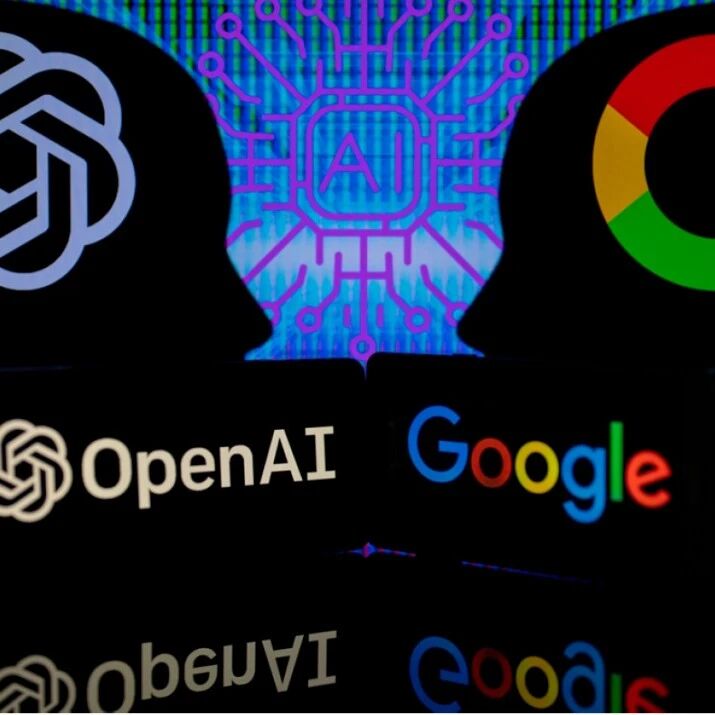
GPT-5.2 内幕曝光:停掉 Sora,八周内死磕 ChatGPT 求生,AGI 梦想向生存低头
3 6 Ke· 2025-12-10 02:40
Core Insights - OpenAI's CEO Sam Altman has declared a "Code Red," indicating a critical shift in strategy to focus solely on making ChatGPT indispensable, sidelining other projects and initiatives [1][7][25] - The imminent release of the GPT-5.2 model is seen as a desperate attempt to regain market share lost to competitors like Google, which has rapidly advanced its AI capabilities [3][4][21] - OpenAI is facing significant competition from Google and emerging rivals like Anthropic, which are capturing enterprise clients and threatening OpenAI's market position [6][20] Company Strategy - Altman's directive emphasizes prioritizing user satisfaction over the original mission of developing AGI, reflecting a shift towards a more commercially driven approach [7][12][24] - The company is adopting a "Local User Preference Optimization" (LUPO) strategy to enhance user engagement, despite the potential risks to the model's objectivity [9][10][13] - Internal conflicts are emerging between product-focused leaders and research-oriented scientists, highlighting a struggle over the company's direction amidst pressure to deliver results [14][17][24] Market Dynamics - The competitive landscape has shifted dramatically since Google's Gemini 3 model outperformed OpenAI's offerings, leading to a loss of confidence in OpenAI's technological edge [4][6][21] - Altman has identified Apple as a significant long-term competitor, suggesting that the future of AI will be determined by who can create "AI-native devices" rather than cloud-based solutions [18][20] - OpenAI's rapid rise has created immense pressure to maintain its valuation and market position, leading to a focus on immediate growth rather than long-term research goals [22][24][26] User Engagement and Risks - The company has faced backlash from users regarding changes made to reduce the "overly flattering" nature of ChatGPT, indicating a delicate balance between user satisfaction and ethical considerations [12][13][24] - Reports of mental health issues among users interacting with ChatGPT have prompted OpenAI to acknowledge the potential dangers of its engagement strategies [10][12][24] - The urgency to improve user engagement metrics is driving OpenAI to revisit previously criticized training methods, raising concerns about the sustainability of this approach [13][24][25]

谷歌带来最严峻挑战,OpenAI“重大战略调整”:“增强用户活跃”优先于“实现AGI”
Hua Er Jie Jian Wen· 2025-12-10 00:56
Core Insights - OpenAI is undergoing a significant strategic shift in response to increasing competition from Google, marked by the issuance of a "red code" alert by CEO Sam Altman [1][2] - The company is temporarily halting long-term R&D projects, including the Sora video generator, to focus on enhancing user engagement with ChatGPT [1][3] - OpenAI's internal debate centers around prioritizing immediate consumer product success versus the long-term goal of achieving Artificial General Intelligence (AGI) [2][4] Group 1: Strategic Adjustments - OpenAI will pause non-core projects for eight weeks to concentrate on improving ChatGPT's performance in rankings like LM Arena [3] - The decision reflects a power struggle within the company between commercialization efforts led by executives like Fidji Simo and Sarah Friar, and the research team led by Jakub Patchocki [3] - Management has rejected requests to delay the release of new models, with a new model, code-named 5.2, set to be released soon [3] Group 2: Competitive Landscape - OpenAI faces its most severe challenges since its inception, with Google's recent launches, including the Nano Banana image generator and Gemini 3 model, surpassing OpenAI's offerings [2][4] - The company risks financial strain due to a $1.4 trillion infrastructure contract if user growth continues to slow [2][4] - OpenAI's valuation reached $500 billion, with over 800 million average weekly active users, necessitating sustainable growth to support its operational scale [4] Group 3: User Engagement Strategy - Altman's emphasis on utilizing "user signals" for model training has sparked internal debate, as this approach can lead to AI models that cater excessively to user preferences [6] - The reliance on user feedback has previously resulted in mental health issues among users, prompting OpenAI to adjust its training methods to mitigate these risks [6] - Despite earlier adjustments leading to decreased user engagement, the company is now reverting to a more popular model to enhance user interaction [6] Group 4: Future Outlook - OpenAI plans to release an improved model in January that enhances image quality, speed, and personalization, aiming to exit the "red code" state [7] - The company believes that there is no fundamental conflict between broad AI tool adoption and the pursuit of AGI benefits for the public [7] - The current challenge lies in balancing technological advancements with commercial competition, high operational costs, and ethical safety concerns [7]