
权力监督

Search documents
外媒:牵涉爱泼斯坦案,阿联酋迪拜世界港口公司CEO辞职
Huan Qiu Wang· 2026-02-14 04:23
Group 1 - The CEO of Dubai World Ports, Sultan Ahmed bin Sulayem, has resigned amid scrutiny over his relationship with the late American businessman Jeffrey Epstein [1][3] - Bin Sulayem's resignation is effective immediately, and the company has appointed a new CEO [3] - Recent documents indicate that Bin Sulayem had extensive email correspondence with Epstein over the past decade, raising concerns about his connections [3] Group 2 - The Epstein case has garnered international attention, involving investigations, document disclosures, and judicial accountability, becoming a focal point for judicial transparency and power oversight [3] - The U.S. Department of Justice is set to release related documents on January 30, 2026, which may reveal connections between Epstein and several prominent individuals [3]


8年收取好处费1614万,政务窗口岂容吃拿卡要
Xin Jing Bao· 2026-02-07 09:13
Core Viewpoint - The article highlights the corruption within the Liaoning Provincial Housing and Urban-Rural Development Department, specifically focusing on a staff member, Wang, who collected 16.14 million yuan in bribes over eight years, severely damaging public trust and the business environment [2][3]. Group 1: Corruption Details - Wang, a staff member at the government service window, engaged in corrupt practices by facilitating services for those who paid bribes while delaying or complicating processes for others [2][3]. - The special inspection revealed 5,573 issues and 1,310 clues related to corruption within the provincial housing system, indicating a widespread problem [2]. - Wang's actions reflect a broader issue of power abuse among public officials, highlighting the need for better oversight and accountability in government services [3]. Group 2: Impact on Public Trust - The corruption case has significantly undermined the credibility of local government, as citizens and businesses rely on provincial officials for resolution of their issues [3]. - The long duration of Wang's corrupt activities raises questions about the effectiveness of regulatory oversight and the mechanisms in place to detect such misconduct [3][4]. - The article emphasizes the importance of addressing systemic issues to prevent similar cases in the future, suggesting that local authorities must take serious measures to improve governance [4].

纪检监察工作高质量发展·践悟丨增强制度规定的刚性约束
Zhong Yang Ji Wei Guo Jia Jian Wei Wang Zhan· 2026-01-27 00:49
Core Viewpoint - The article emphasizes the importance of strengthening the enforcement of institutional regulations to ensure effective governance and accountability within the party and government structures [7][10][12]. Group 1: Institutional Enforcement - The need for strict supervision and enforcement of institutional regulations is highlighted, with a focus on ensuring that these regulations are not merely theoretical but are actively implemented [9][10]. - The concept of "zero tolerance" for violations of institutional regulations is stressed, with a commitment to investigate and address any breaches promptly [9][10]. - The role of key personnel, particularly leaders and decision-makers, is crucial in ensuring that institutional regulations are followed and respected [10][11]. Group 2: Supervision Mechanisms - The establishment of a comprehensive supervision mechanism that integrates various supervisory bodies is essential to enhance the effectiveness of institutional enforcement [18][19]. - The article discusses the importance of utilizing technology to improve supervision and ensure that potential risks in institutional execution are identified early [20]. - A focus on continuous improvement of institutional frameworks through regular assessments and updates is necessary to adapt to changing governance needs [17][19]. Group 3: Education and Awareness - There is a strong emphasis on the need for ongoing education and awareness programs to instill a culture of compliance and respect for institutional regulations among party members and officials [15][16]. - The use of various educational tools, such as case studies and multimedia resources, is recommended to enhance understanding of the importance of adherence to regulations [14][15]. - Encouraging a family-oriented approach to integrity and compliance is suggested as a means to reinforce ethical behavior among officials [16].
【评论】强化权力监督,遏制地方政府花钱“打榜”冲动
Xin Lang Cai Jing· 2026-01-26 06:39
Core Viewpoint - The article highlights the issue of local governments engaging in questionable practices to improve their rankings on various "top county" lists, which ultimately leads to financial waste and misallocation of public resources [1][2][3]. Group 1: Case of Haicheng City - Haicheng City in Liaoning Province spent 4.98 million yuan to contract a ranking agency, ostensibly for consulting services, to improve its position on a "top county" list, moving from 118th to 91st place [1][2]. - Despite the ranking improvement, the city did not achieve any substantial benefits, and the expenditure added to the local financial burden, diverting funds that could have supported local businesses and infrastructure [2][3]. Group 2: Broader Implications - The article points out that many ranking agencies lack proper authorization and often engage in dubious practices, leading local governments to manipulate rankings for political gain [2][3]. - The prevalence of such practices reflects a misalignment in the performance evaluation of local officials, emphasizing the need for reform in how government performance is assessed [5][6]. Group 3: Recommendations for Reform - To curb the impulse for local governments to "buy rankings," it is essential to strengthen oversight and implement legal measures to regulate power [5]. - A shift in the performance evaluation system for officials is necessary, focusing on genuine improvements in public welfare rather than superficial metrics [5][6].

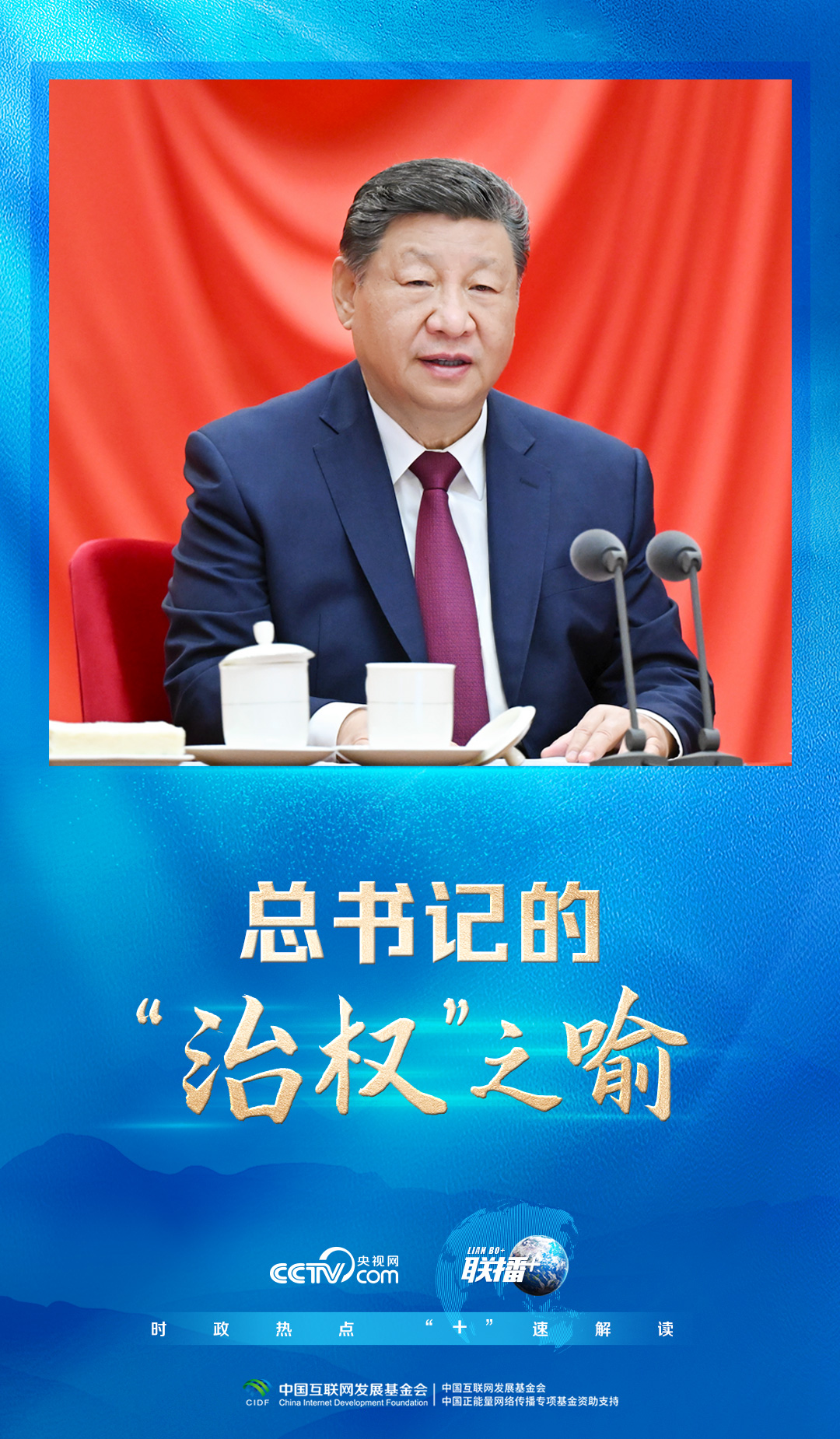
联播+|总书记的“治权”之喻
Yang Shi Wang· 2026-01-15 10:48
Core Viewpoint - The speech by General Secretary Xi Jinping emphasizes the importance of institutionalizing power to combat corruption and enhance transparency in governance [4][5][10]. Group 1: Institutional Framework - The concept of "putting power in a cage" refers to the need for a robust institutional framework to regulate and supervise power, preventing its abuse [5][6]. - The existing institutional constraints have been deemed insufficient, necessitating a stronger and more effective regulatory framework to ensure power remains contained [7][9]. - The implementation of the Central Eight Regulations serves as a model for establishing effective institutional constraints on power [8]. Group 2: Enforcement and Accountability - The effectiveness of the institutional framework relies on its execution, with a focus on enhancing the enforcement of regulations and ensuring accountability at all levels [10][18]. - The speech highlights the necessity of a comprehensive accountability mechanism to ensure that power is exercised transparently and can be traced and audited [18]. - The introduction of the Supervision Law in 2018 aims to address long-standing issues of oversight and enhance the effectiveness of power supervision [16][17]. Group 3: Transparency and Supervision - Increasing transparency in party and government affairs is crucial for allowing power to operate under public scrutiny, which is essential for preventing corruption [14][13]. - The speech acknowledges the challenges of internal supervision within the party, emphasizing the need for a culture of accountability and oversight [15][16]. - Various supervisory mechanisms, including legislative, democratic, social, and media oversight, are established to ensure comprehensive supervision of public power [17].
笔谈丨标本兼治推进常态长效
Zhong Yang Ji Wei Guo Jia Jian Wei Wang Zhan· 2025-09-25 00:57
Group 1 - The core viewpoint emphasizes the need for a higher political stance to deepen the understanding of work style construction, promoting normalization and long-term effectiveness in addressing the "Four Winds" and establishing a new work style [1] - It highlights the importance of ideological education and strengthening party character as the foundation for proper work style, advocating for a robust learning mechanism to enhance theoretical understanding [1] - The article stresses the combination of positive guidance and negative warnings, utilizing cultural resources to motivate party members to take action and deepen educational warnings [1] Group 2 - The focus is on targeted supervision to continuously rectify the "Four Winds," recognizing the intertwined nature of improper conduct and corruption, and the need for daily supervision of key groups [2] - It emphasizes the importance of maintaining a close relationship with the public, addressing issues in key areas such as school meals and rural management, and actively listening to community concerns [2] - The article advocates for strengthening the mechanisms for power allocation and supervision to reduce opportunities for corruption and ensure the effectiveness of work style construction [2]
加强关键环节监督 督促健全监管制度确保自然资源安全高效永续利用
Zhong Yang Ji Wei Guo Jia Jian Wei Wang Zhan· 2025-04-21 00:12
Core Insights - The article highlights the ongoing corruption issues within the natural resources sector, particularly focusing on the misuse of power by officials in project approvals and oversight [1][2][3] Group 1: Corruption Cases - Recent investigations reveal that corruption in the natural resources sector is prevalent, with officials engaging in illegal activities such as accepting bribes and manipulating project approvals for personal gain [2][3] - Specific cases include officials from various regions, such as Guangxi and Hunan, who have been found guilty of abusing their authority to benefit certain individuals or companies [2][3] Group 2: Regulatory Measures - In response to corruption, regulatory bodies are implementing stricter oversight and accountability measures, including the establishment of clear power lists and decision-making processes to limit the concentration of power among a few individuals [3][4] - The article discusses the importance of enhancing supervision over key positions and critical processes to mitigate risks and ensure the sustainable use of natural resources [3][4] Group 3: Systemic Improvements - Various counties are taking steps to improve their regulatory frameworks, such as developing normative policies for mining projects and enhancing the monitoring of illegal mining activities [4] - The integration of local resources and increased frequency of inspections are being emphasized to improve the detection of illegal activities and ensure timely reporting and resolution of issues [4]