权贵资本主义

Search documents
日本“特拉斯时刻”算轻量版!城堡投资格里芬最新交流,犀利点评美国债务、移民、美联储、AI等热门话题
聪明投资者· 2026-01-23 03:34
Core Viewpoint - The conversation highlights concerns about the stability of bond markets, particularly in the context of rising debt levels and fiscal discipline, with a focus on the potential risks for the U.S. market as it faces similar pressures as Japan and the UK [3][11][12]. Group 1: Bond Market Concerns - Ken Griffin emphasizes the return of "bond vigilantes," indicating a renewed scrutiny of government fiscal policies as bond yields rise, particularly referencing Japan's recent spike in 40-year bond yields to 4% [3][10]. - The U.S. fiscal deficit is approaching 6% of GDP, raising alarms about the sustainability of its debt levels, which are nearing post-World War II highs [11][12]. - Griffin warns that the current calm in the market may be a dangerous illusion, suggesting that when corrections occur, they could be severe due to accumulated debt [16]. Group 2: Economic Policies and Their Impacts - Griffin critiques Trump's policies on tariffs and immigration, arguing they are more harmful than beneficial, as tariffs disrupt trade relationships and inflate costs, while immigration policies may reduce the labor supply and hinder the U.S.'s ability to attract top talent [4][17][27]. - He notes that the fiscal strategy of relying on economic growth to address debt is risky, especially after pandemic-related spending pushed the U.S. fiscal position into a more precarious state [19][37]. Group 3: AI and Technological Investment - The discussion on AI reveals that while there is significant hype, the real impact of AI on productivity may be more gradual and complex than anticipated, with concerns about the quality of AI-generated content [55][57]. - Griffin suggests that the narrative around AI is partly driven by the need to justify massive investments, with the U.S. and China positioned as the primary beneficiaries of technological advancements [58].


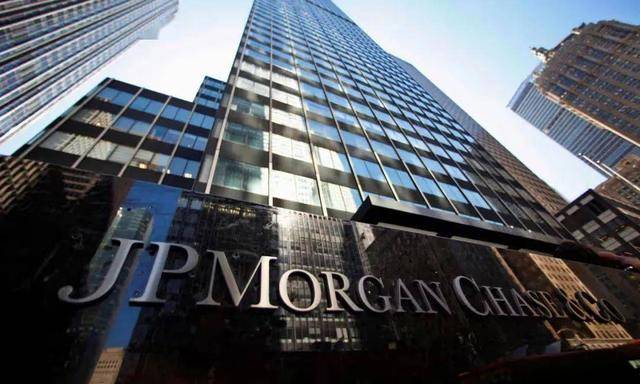
触目惊心!340亿资金暗流,摩根大通藏十年秘密,牵扯两位总统
Sou Hu Cai Jing· 2025-11-03 08:57
Core Insights - The recent exposure of 4.7 billion USD (approximately 34 billion RMB) in suspicious transactions linked to Jeffrey Epstein has implicated numerous high-profile individuals, including Wall Street executives and two former U.S. presidents [1][3][4] Group 1: Transaction Details - The transactions, totaling 4.7 billion USD, are associated with Epstein's human trafficking scandal and involve 4,700 suspicious transactions reported by JPMorgan Chase [3][4] - Notable figures involved include Leon Black, who transferred 170 million USD to Epstein, and hedge fund manager Glenn Dubin, who had a close personal relationship with Epstein [4][5] - The report also indicates large wire transfers to Russian banks, hinting at sensitive connections with former presidents Trump and Clinton [4][5] Group 2: JPMorgan's Involvement - JPMorgan's relationship with Epstein lasted over a decade, during which the bank received multiple alerts about suspicious activities, including large cash withdrawals typical of money laundering and human trafficking [7][9] - Despite internal warnings, JPMorgan continued its association with Epstein, benefiting from lucrative business opportunities, including managing accounts for tech giants like Google [9][11] - Following Epstein's arrest and subsequent death in 2019, JPMorgan attempted to distance itself from the scandal, claiming ignorance of Epstein's criminal activities despite prior warnings [9][16] Group 3: Reactions from Involved Parties - Individuals implicated in the scandal have attempted to downplay their connections to Epstein, claiming that their financial interactions were merely charitable donations or legal fees [11][12] - However, the scale of the transactions and the context of their relationships with Epstein raise significant questions about the legitimacy of these claims [11][12] Group 4: Regulatory Failures - The scandal highlights severe failures in the U.S. financial regulatory system, as JPMorgan reported suspicious transactions multiple times without any regulatory action being taken [14][16] - The financial penalties imposed on JPMorgan, totaling 365 million USD, are minimal compared to the bank's profits, suggesting a lack of accountability for major financial institutions [14][16] - No senior executives have faced repercussions, raising concerns about the accountability of powerful figures in the financial sector [16][17]