去监管化

Search documents
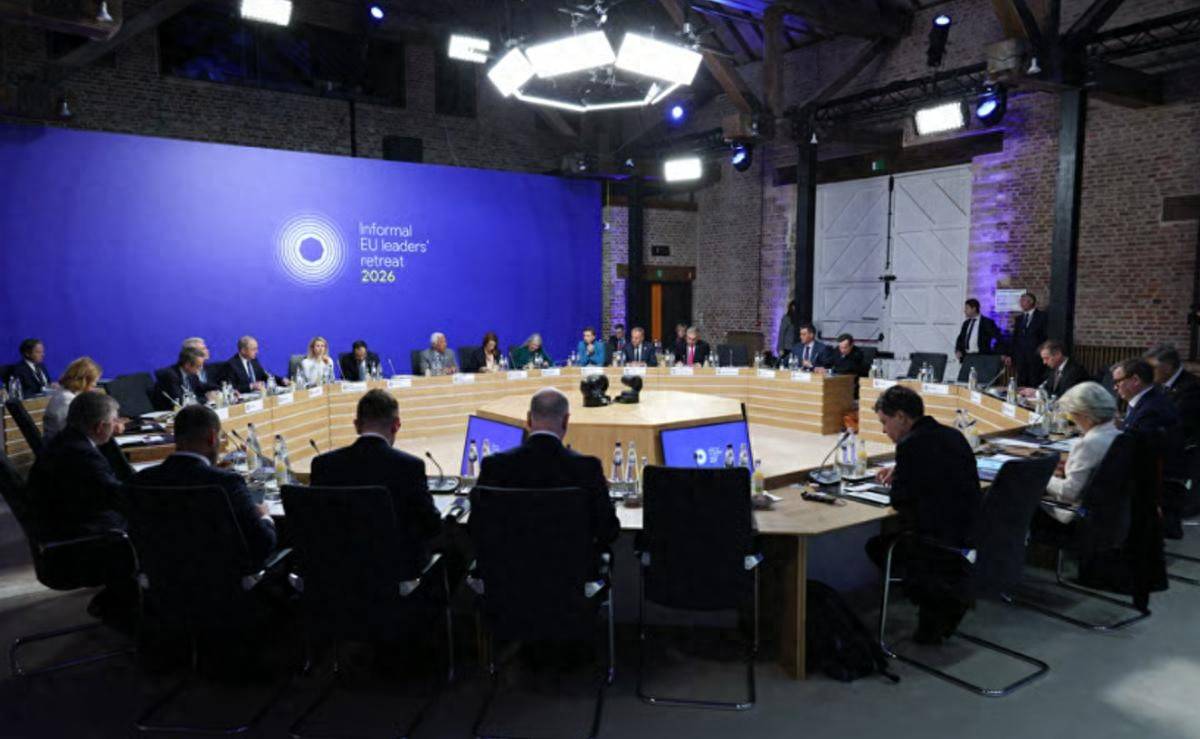
欧洲优先?欧洲被中美逼到墙角!27国躲进古堡密谋“最后一搏”!
Sou Hu Cai Jing· 2026-02-14 14:19
Core Viewpoint - The European Union (EU) is recognizing the need to adapt its strategies in response to the shifting global landscape dominated by the US and China, moving away from traditional ideals to focus on enhancing competitiveness and self-sufficiency in key industries [1][3]. Group 1: Economic Challenges and Strategic Focus - The EU has faced prolonged economic stagnation and increasing geopolitical tensions, leading to a narrowing industrial space due to US and Chinese competition [3]. - Key issues discussed at the summit include reducing energy costs, addressing market regulatory bottlenecks, and preventing local companies from being marginalized in global competition [3][5]. Group 2: Policy Shifts and Internal Divisions - The summit surprisingly opened discussions on the "Europe First" concept, advocating for stronger policy support for domestic industries in strategic sectors like clean energy and defense technology [5]. - French President Macron emphasized the urgency of establishing self-sufficiency in critical industries, echoing sentiments similar to the "America First" policy previously criticized by European leaders [5]. - Internal divisions emerged, with leaders like Irish Prime Minister Martin warning against sliding into protectionism, while German Chancellor Merz expressed concerns that an overemphasis on local manufacturing could undermine the EU's role as a global trade hub [5][9]. Group 3: Regulatory Simplification and Historical Context - A significant topic of debate is the need to simplify regulations and reduce bureaucratic burdens on businesses, which have historically hampered European enterprises [7]. - The EU is considering adopting a "de-regulatory" approach reminiscent of strategies previously implemented by the Trump administration, indicating a shift in perspective towards regulatory frameworks [7]. - Former Italian Prime Minister Mario Draghi highlighted that economic fixes alone are insufficient, advocating for deeper political integration within the EU to avoid a cycle of dependency and fragmentation [7][9]. Group 4: Reform Dynamics and Future Outlook - The reform discussions are seen as reactive rather than proactive, driven by external pressures rather than a genuine internal awakening [9]. - The potential for lasting change is questioned, as historical patterns suggest that reforms lacking strong commitment may be short-lived [9]. - The urgency for decisive structural reforms within the next three years is emphasized, as failure to act could result in Europe becoming merely a backdrop in global power dynamics [9].

宏观快评:美联储的沃什时刻?
Huachuang Securities· 2026-02-01 08:31
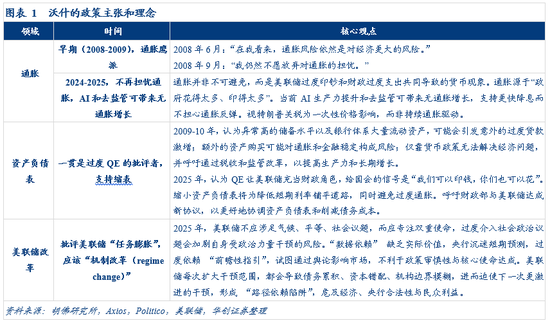
Group 1: Key Points on Kevin Warsh's Background and Policy Proposals - Kevin Warsh is a former Federal Reserve governor and a critic of excessive quantitative easing (QE), advocating for balance sheet reduction[3] - He has a diverse background in politics, business, and academia, having served in the Bush administration and as a Wall Street executive[3] - Warsh's policy stance includes a flexible approach to inflation, supporting faster interest rate cuts without fearing inflation rebound[3] Group 2: Immediate Market Impact - Warsh's nomination may trigger significant adjustments in commodity markets, with a notable rebound in the US dollar index and declines in precious metals[3] - The implied volatility of silver options surged from 55% to approximately 90% since January, indicating heightened market uncertainty[3] Group 3: Monetary Policy and Market Implications - Warsh criticizes the current "data-dependent + forward guidance" framework, suggesting a shift to a more strategic, long-term decision-making approach[4] - Short-term impacts include increased market volatility due to the absence of forward guidance, while mid-term effects may lead to more predictable Fed actions[4] - Warsh's new inflation theory posits that tariffs are one-time price shocks and that AI-driven productivity can lead to non-inflationary growth, supporting quicker rate cuts[4] Group 4: QE and Balance Sheet Reduction - Warsh opposes the use of excessive QE as a routine tool, supporting balance sheet reduction but has not indicated immediate plans for it[6] - Currently, there is limited space for further balance sheet reduction, as the Fed has paused this process to maintain market liquidity[6] - In the event of a crisis, QE may still be necessary, but its implementation would likely be less aggressive than in previous rounds[6]
华创证券张瑜:美联储的“沃什时刻”?
Xin Lang Cai Jing· 2026-02-01 07:32
Core Viewpoint - The article discusses the potential impact of the nomination of Walsh to the Federal Reserve, highlighting three significant changes: a shift in decision-making mechanisms, a new inflation theory, and opposition to excessive quantitative easing (QE) while supporting balance sheet reduction. The success of these changes and their mid-term effects on dollar assets may depend more on the realization of the narrative of productivity prosperity in the U.S. than on Walsh himself [1][21]. Group 1: Walsh's Background and Policy Stance - Walsh is a former Federal Reserve governor with a diverse background in politics, business, and academia, known for being the youngest governor in Fed history at age 35 and having experience in the 2008 financial crisis [2][10][22]. - His policy stance is characterized by pragmatism, criticism of excessive QE, and support for balance sheet reduction. He is flexible on inflation, previously known as a "hawk," but now supports faster rate cuts without fearing inflation rebound [2][12][22]. Group 2: Immediate Market Impact - Walsh's nomination may trigger significant adjustments in the commodity market, potentially halting the narrative of de-dollarization, leading to a rebound in the dollar index and a sharp decline in precious metals [4][24]. - The volatility in the market is primarily driven by fluctuations, as evidenced by the increase in implied volatility for silver options, which rose from 55% to around 90% since January, far exceeding normal levels of 20-30% [4][24]. Group 3: Short- and Mid-Term Monetary Policy Implications - The decision-making framework of the Federal Reserve may shift from a "data-dependent + forward guidance" model to a more strategic, long-term perspective, potentially reducing communication and increasing policy flexibility [5][25][36]. - In the short term, the likelihood of significant rate cuts this year is low, as Walsh has not indicated a preference for drastic reductions, and the Fed remains divided on opinions [6][26][38]. - In the mid-term, if Walsh can lead the Fed to a consensus on allowing lower rates without triggering inflation, it could open up further rate cut opportunities, contingent on the realization of productivity growth narratives [19][27][38]. Group 4: Opposition to Excessive QE and Support for Balance Sheet Reduction - Walsh opposes excessive QE as a routine tool, advocating for a reduction in the Fed's balance sheet to pave the way for rate cuts while avoiding excessive inflation [20][39]. - Currently, there is limited space for further balance sheet reduction, as the Fed has paused this process and resumed reserve management purchases to maintain liquidity in the money market [8][39].
美联储的“沃什时刻”?
一瑜中的· 2026-02-01 07:23
Core Viewpoint - The article discusses the potential impact of the nomination of Walsh to the Federal Reserve, emphasizing changes in decision-making mechanisms, new inflation theories, and opposition to excessive quantitative easing (QE) while supporting balance sheet reduction [2][6][17]. Group 1: Walsh's Identity and Policy Proposals - Walsh is a former Federal Reserve governor with a diverse background in politics, business, and academia, known for his pragmatic approach and criticism of excessive QE [3][11]. - His policy stance includes a flexible approach to inflation, viewing it as a result of excessive monetary and fiscal policies, and advocating for quicker interest rate cuts without fearing inflation rebound [12][19]. - Walsh is a critic of excessive QE, arguing it has led the Fed to take on a fiscal role, and he supports reducing the balance sheet to pave the way for lower interest rates [13][22]. Group 2: Immediate Market Impact - Walsh's nomination may trigger significant adjustments in commodity markets, with a notable rebound in the dollar index and a sharp decline in precious metals, attributed to increased market volatility [5][16]. - The volatility in markets, particularly in silver options, has surged, indicating that sustained high volatility levels are unlikely [5][16]. Group 3: Short- and Medium-Term Impacts on Monetary Policy - The Fed's decision-making framework may shift from a "data-dependent + forward guidance" model to a more strategic, long-term perspective, potentially increasing market volatility in the short term [6][18]. - In the medium term, if the market adapts to this new framework, Fed actions may become more predictable, reducing confusion around policy signals [18]. - Walsh's new inflation theory posits that tariffs are one-time price shocks and that AI-driven productivity growth could lead to non-inflationary growth, supporting quicker rate cuts without inflation concerns [19][20]. Group 4: Opposition to Excessive QE and Support for Balance Sheet Reduction - Walsh opposes the use of excessive QE as a regular tool, advocating for a reduction in the Fed's balance sheet, although he has not indicated immediate plans for such actions [8][22]. - In the short term, there may be limited space for further balance sheet reduction due to recent market conditions, while in the medium term, the potential for QE may still exist if a crisis arises, albeit with less intensity than previous rounds [22][8].

洞悉势变,智掌先机:《全球视野——金融监管新动向与风险展望》报告
Sou Hu Cai Jing· 2026-01-28 07:46
Core Viewpoint - Financial markets experienced turbulence in the first half of 2025 due to economic and geopolitical instability, but regained calm in the second half. However, the International Monetary Fund warns of potential future challenges, urging regulators to remain vigilant while reducing unnecessary burdens on financial institutions to foster economic growth and competitiveness [1]. Regulatory Trends - Global financial regulators are under political pressure to reassess the impact of financial regulation on economic growth. The U.S. has shifted towards more aggressive deregulation, while the UK and EU have adopted a more cautious approach with "simplified regulation" [4]. - The adoption of artificial intelligence in the financial sector is accelerating, but the regulatory environment remains complex, with some jurisdictions introducing specific regulations like the EU's Artificial Intelligence Act [5]. - Regulatory bodies in the UK, EU, and Asia-Pacific are focusing on promoting retail investment, with the EU developing a Retail Investment Strategy and the UK implementing a "targeted support" system [6]. Globalization and Fragmentation - The convergence of global rules based on international standards is giving way to fragmentation in regulatory practices across regions. The World Economic Forum estimates that geopolitical fragmentation could lead to a global GDP loss of approximately 5% [7]. Digital Asset Regulation - As digital assets become more integrated into the mainstream financial system, regulators are developing frameworks for cryptocurrency activities and oversight for both traditional financial institutions and native crypto firms [8]. Private Assets and Market Resilience - The private asset industry is growing rapidly with support from global policymakers, seen as a vital tool for economic growth. However, recent bankruptcy events may raise concerns about systemic risks among regulators and investors [9]. Institutional and System Resilience - Regulatory bodies are focused on ensuring the resilience of financial services and their supply chains in response to geopolitical changes and increasing technological dependencies [10]. Sustainable Development - As sustainable development policies mature, the industry is rethinking how to create value through sustainability initiatives, although geopolitical tensions and shifting political priorities may lead to the simplification or postponement of some regulatory initiatives [11]. Responsibility and Governance - The evolving risk landscape and the simplification of certain regulatory requirements highlight the growing importance of organizational culture and market self-discipline. Regulators emphasize the critical role of management in promoting sound risk management, governance, and decision-making [13]. Future Preparedness - Financial institutions need to proactively address future challenges by balancing prudent regulation, behavioral standards, technological innovation, and sustainable development in a complex and changing environment [14].

日本“特拉斯时刻”算轻量版!城堡投资格里芬最新交流,犀利点评美国债务、移民、美联储、AI等热门话题
聪明投资者· 2026-01-23 03:34
Core Viewpoint - The conversation highlights concerns about the stability of bond markets, particularly in the context of rising debt levels and fiscal discipline, with a focus on the potential risks for the U.S. market as it faces similar pressures as Japan and the UK [3][11][12]. Group 1: Bond Market Concerns - Ken Griffin emphasizes the return of "bond vigilantes," indicating a renewed scrutiny of government fiscal policies as bond yields rise, particularly referencing Japan's recent spike in 40-year bond yields to 4% [3][10]. - The U.S. fiscal deficit is approaching 6% of GDP, raising alarms about the sustainability of its debt levels, which are nearing post-World War II highs [11][12]. - Griffin warns that the current calm in the market may be a dangerous illusion, suggesting that when corrections occur, they could be severe due to accumulated debt [16]. Group 2: Economic Policies and Their Impacts - Griffin critiques Trump's policies on tariffs and immigration, arguing they are more harmful than beneficial, as tariffs disrupt trade relationships and inflate costs, while immigration policies may reduce the labor supply and hinder the U.S.'s ability to attract top talent [4][17][27]. - He notes that the fiscal strategy of relying on economic growth to address debt is risky, especially after pandemic-related spending pushed the U.S. fiscal position into a more precarious state [19][37]. Group 3: AI and Technological Investment - The discussion on AI reveals that while there is significant hype, the real impact of AI on productivity may be more gradual and complex than anticipated, with concerns about the quality of AI-generated content [55][57]. - Griffin suggests that the narrative around AI is partly driven by the need to justify massive investments, with the U.S. and China positioned as the primary beneficiaries of technological advancements [58].
木头姐预警:明年美联储利率政策或将转向
财富FORTUNE· 2025-11-05 13:29
Group 1 - Cathie Wood, CEO of Ark Invest, suggests that the U.S. economy may face a "shake-up" as it transitions from a rate-cutting to a rate-hiking environment, despite recent rate cuts by the Federal Reserve [1] - Wood believes that the upcoming productivity boom will drive further stock market gains later this year, coinciding with the midterm elections [2][4] - The current economic uncertainty is highlighted by companies like Amazon and Salesforce reducing workforce while investing in AI for efficiency [4] Group 2 - Wood emphasizes that the government’s deregulatory approach and policies are generally favorable for businesses, particularly in attracting foreign direct investment in manufacturing [5] - Despite concerns about a potential "bubble" in tech stock valuations driven by AI, Wood maintains an optimistic view that AI has not triggered a bubble [1] - The focus on multi-omics sequencing in healthcare is identified as an undervalued innovation area within Ark Invest's portfolio [1]

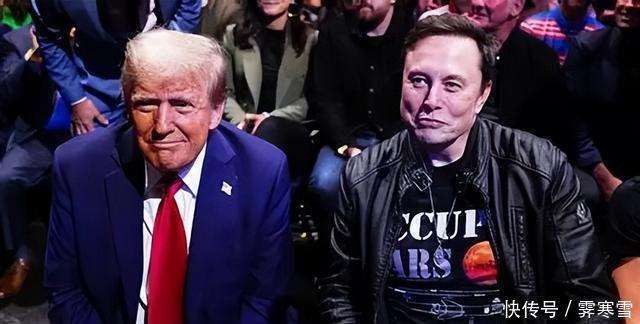
特朗普联手马斯克,为华尔街开绿灯,“美国优先”究竟是谁优先!
Sou Hu Cai Jing· 2025-09-15 06:41
Core Viewpoint - The Consumer Financial Protection Bureau (CFPB) is facing an unprecedented survival crisis due to the Trump administration's restructuring plans, which threaten its regulatory functions and consumer protections [1][3][11] Group 1: CFPB's Background and Achievements - Established in response to the 2008 financial crisis, CFPB has recovered over $21 billion for American consumers from financial institutions [3][4] - The agency has a robust mechanism for consumer protection, including a national complaint database, financial product research, and enforcement powers against violators [4] Group 2: Recent Challenges and Legal Decisions - A recent court ruling in August 2025 allowed the government to proceed with layoffs at CFPB, casting doubt on its future [3] - The Trump administration's plan to transfer CFPB's functions to a newly formed government efficiency department has raised concerns about the agency's effectiveness [3][11] Group 3: Impact on Consumers and Financial Institutions - The reduction of CFPB's regulatory power is expected to harm working families, veterans, and the elderly, while benefiting Wall Street and Silicon Valley [11] - Recent regulatory rollbacks, such as the elimination of caps on credit card late fees, could cost consumers billions annually [10] Group 4: State-Level Responses - In response to federal regulatory gaps, states like California and Illinois are attempting to establish their own consumer protection agencies, leading to potential regulatory fragmentation [9]