
校园欺凌治理

Search documents
未成年人涉“事”,不再是“小事”
Xin Lang Cai Jing· 2026-01-21 14:26
Group 1 - The new revised "Public Security Administration Punishment Law of the People's Republic of China" will take effect on January 1, 2026, introducing significant adjustments to the governance of juvenile offenses, particularly addressing school bullying and coercion of minors into compensated activities [1] - The new regulations eliminate the "zero-cost" perception of juvenile offenses, imposing detention for minors aged 14-16 who commit two offenses within a year or for those aged 14-18 who commit a serious first offense [1][4] - The law emphasizes the importance of corrective education measures for minors who do not comply with administrative detention, aiming to prevent a "one-time punishment" approach [1] Group 2 - The new law establishes a "zero tolerance" policy for school bullying, granting police direct intervention rights and enhancing collaboration between schools and law enforcement [4] - Acts of bullying, such as assault, insult, and intimidation, are classified as violations of public security management, with penalties and corrective education measures enforced by police [4] - Schools are held accountable for failing to report or address bullying incidents, with responsible personnel facing repercussions [4] Group 3 - The law imposes strict penalties for organizing or coercing minors into inappropriate paid activities, with detention ranging from 10 to 15 days and fines up to 5,000 yuan for serious offenses [6] - Lesser offenses may result in detention of up to 5 days or fines below 5,000 yuan [6] Group 4 - The law introduces more compassionate enforcement procedures, allowing suitable adults to be present during inquiries if guardians are unavailable [8] - Minors and their guardians have the right to request a hearing if detention is likely, ensuring the protection of their legal rights [8] Group 5 - The law emphasizes that youth should not use their age as an excuse for misconduct, reinforcing the idea that legal boundaries exist and must be respected [10] - It encourages schools and families to work together in legal education, fostering a culture of legal awareness among youth [10]

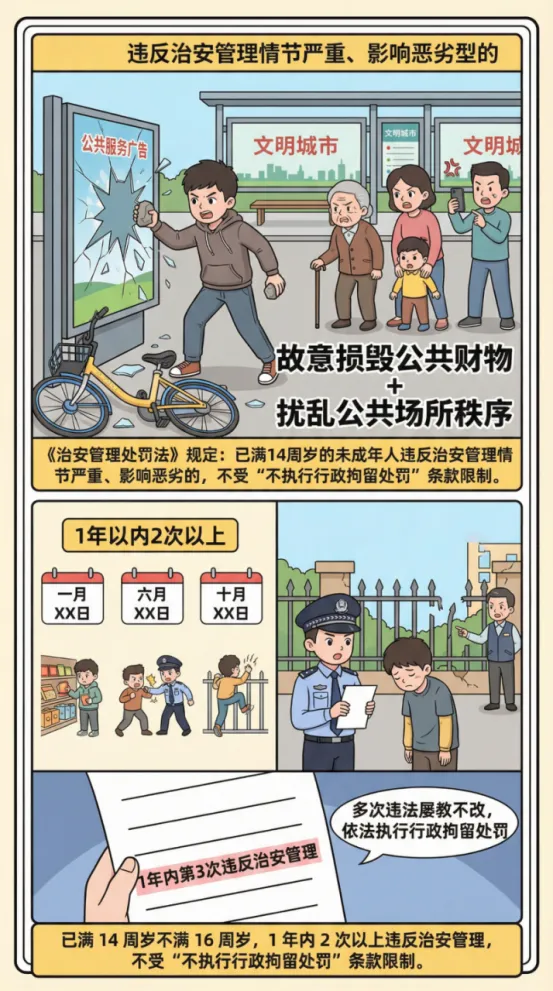
新规落地!明确校园欺凌法律边界:“他还是个孩子”不再是挡箭牌
Xin Lang Cai Jing· 2026-01-14 13:25
Core Viewpoint - The newly revised "Public Security Administration Punishment Law" in China, effective from January 1, 2026, includes provisions for school bullying, marking a significant shift in legal regulation and intervention in such cases [1][3]. Group 1: Legal Framework Changes - The new law incorporates school bullying into the realm of public security management, providing a clear legal definition and allowing police intervention, thus moving from internal school regulations to legal governance [3][4]. - The law defines school bullying through specific behaviors such as physical harm, insult, property infringement, malicious exclusion, and online defamation, distinguishing it from normal student interactions [4]. Group 2: Consequences for Offenders - The revised law increases penalties for minors involved in school bullying, allowing for administrative detention for those aged 14 to 16 who violate public security laws more than twice within a year, and for those aged 14 to 18 if the initial violation is severe [7]. - This change aims to balance education and punishment, reducing the leniency previously afforded to minors and reinforcing the principle that the law should not yield to unlawful behavior [7]. Group 3: Responsibilities of Schools - Schools are now mandated to report and address severe bullying incidents, with legal consequences for failing to do so, thereby enhancing their accountability in managing bullying cases [8]. - The law encourages schools to shift from reactive measures to proactive prevention strategies, ensuring a safer environment for minors [8].
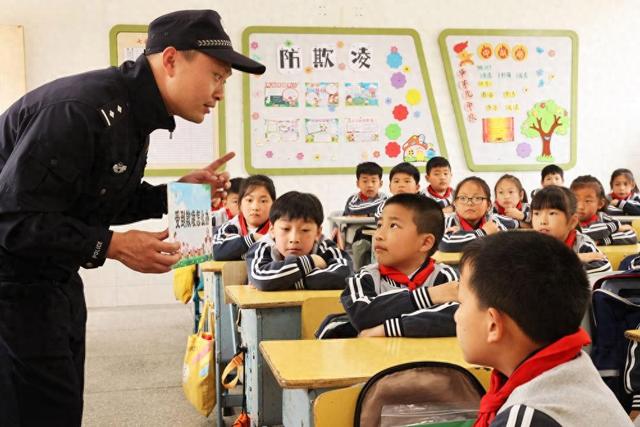
校园欺凌告别“内部消化”,公安可直接介入
Xin Lang Cai Jing· 2026-01-13 19:50
Core Viewpoint - The newly revised "Public Security Administration Punishment Law" in China, effective from January 1, 2026, incorporates school bullying into the realm of public security management, defining bullying behaviors, increasing penalties, and reinforcing school responsibilities [1][2]. Summary by Relevant Sections Legal Framework - The new law explicitly categorizes severe school bullying as a violation of public security, mandating police intervention and corrective education measures for offenders [1][2]. - It broadens the scope of administrative detention for minors aged 14 to 18, allowing for detention in cases of severe violations of public security management [2]. Enforcement Challenges - Despite the law's advancements, challenges remain in enforcement, particularly in defining bullying behaviors and establishing evidence standards for non-physical forms of bullying, such as psychological harm and cyberbullying [4][5]. - The law aims to create a comprehensive three-tiered response system for misconduct, illegal acts, and criminal behavior, addressing previous legal gaps [2]. Distinction and Evidence Collection - The law provides a basis for defining bullying, but practical challenges persist in distinguishing between bullying and minor altercations, as well as in assessing the severity of insults and threats [5][6]. - Evidence collection remains a significant hurdle, especially for covert forms of bullying, necessitating the establishment of standardized reporting and investigation mechanisms [5][6]. Cyberbullying - The law addresses the regulatory gap concerning cyberbullying, extending its jurisdiction to online platforms where bullying behaviors occur, thus recognizing the unique challenges posed by digital environments [8][9]. - Cyberbullying is noted for its potential to cause profound and lasting psychological harm to victims, highlighting the need for effective monitoring and intervention strategies [8][9]. Psychological Impact - The long-term psychological effects of bullying on minors are emphasized, with a focus on the systemic destruction of self-identity rather than just visible physical harm [9].
熊丙奇:强化责任链条,依法治理校园欺凌
Xin Lang Cai Jing· 2026-01-12 23:10
Group 1 - The new law officially incorporates student bullying into public security management, enhancing the definition of behaviors, punishment intensity, and school responsibilities [1][4] - The law addresses two key issues: effective correction for minors under 14 involved in bullying and promoting schools to seriously recognize and handle bullying incidents [1][3] - The law mandates that schools must bear responsibility for failing to report or address severe bullying cases, aiming to change the tendency of schools to cover up such incidents [3][4] Group 2 - The law emphasizes corrective education measures for minors under 14 who cannot be subjected to administrative detention, filling a gap in the current governance of bullying [2] - There is a need to accelerate the establishment of a comprehensive corrective education system, clarifying the applicable circumstances, execution standards, supervisory bodies, and evaluation methods for various corrective measures [2] - The establishment of student bullying governance committees in schools is crucial for early detection, intervention, and proper handling of bullying incidents [3][4]
公安可介入校园欺凌,法治之光照亮“隐秘角落”
Xin Lang Cai Jing· 2026-01-10 09:09
Core Viewpoint - The newly revised Public Security Administration Punishment Law in China, effective from January 1, 2023, explicitly includes school bullying in the scope of public security management, empowering law enforcement to intervene directly in cases of bullying, thereby strengthening the governance of school bullying [3][4]. Group 1: Legislative Changes - The new law defines that acts of bullying such as assault, insult, and intimidation will lead to administrative penalties and corrective education measures by law enforcement [3]. - It specifies that minors aged 14 to under 16 who violate public security management more than twice within a year may face administrative detention [3]. - The law also states that first-time offenders aged 14 to under 18, if the circumstances are severe, may also be subject to administrative detention [3]. Group 2: Governance Mechanisms - Previously, school bullying relied heavily on internal mediation, which often led to issues such as vague identification and inadequate responses, sometimes escalating to criminal offenses due to delayed intervention [4]. - The new law mandates that schools must report and address severe bullying incidents, with penalties for responsible personnel if they fail to do so [4]. - A collaborative mechanism involving police, schools, and communities is established to ensure comprehensive governance of bullying, including regular legal education activities in schools [4]. Group 3: Approach to Bullying - The approach to tackling school bullying is characterized by a combination of punishment, education, and collaboration, creating a full-chain governance system [4]. - Law enforcement will categorize bullying incidents and respond accordingly, with lighter cases receiving warnings and heavier cases leading to detention and referral to specialized schools for correction [4]. - The system emphasizes the responsibility of schools to monitor behavior, report incidents immediately, and provide psychological counseling to prevent bullying [4].
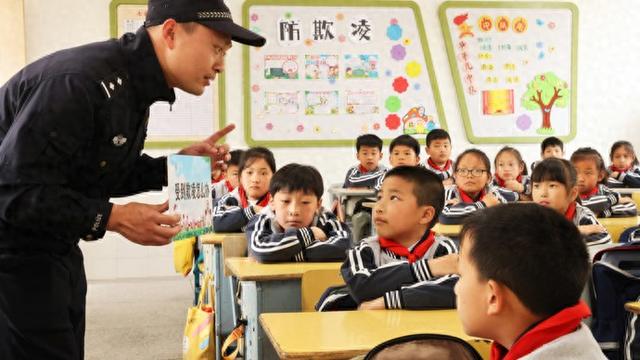
法治面|校园欺凌告别“内部消化”,公安可直接介入
Xin Lang Cai Jing· 2026-01-08 09:38
Core Viewpoint - The newly revised "Public Security Administration Punishment Law" in China, effective from January 1, 2026, incorporates school bullying into the realm of public security management, defining bullying behaviors, increasing penalties, and reinforcing school responsibilities [1][2]. Summary by Relevant Sections Legal Framework - The new law explicitly categorizes severe school bullying as a violation of public security, mandating police intervention and corrective education measures for offenders [1][2]. - It broadens the scope of administrative detention for minors aged 14 to 18, allowing for detention in cases of severe violations of public security management [2]. Definition and Challenges - "School bullying" is defined as actions by one or more students that exploit power imbalances to inflict malicious harm on a targeted student, causing physical or psychological damage [1]. - Despite the law's advancements, challenges remain in law enforcement, particularly in defining bullying behaviors and gathering evidence, especially for psychological and online bullying [4][5]. Enforcement and Implementation - The law establishes a three-tiered response system for handling misconduct, illegal actions, and criminal behavior, filling existing legal gaps [2]. - There is a need for standardized criteria for identifying "serious bullying" and effective evidence collection methods for non-physical forms of bullying [2][4]. Online Bullying - The law addresses online bullying, recognizing that such behaviors can occur in digital spaces and have severe, lasting impacts on victims [7][8]. - The law provides administrative sanctions for severe online bullying behaviors that do not yet constitute criminal acts, enhancing the legal framework for addressing these issues [8]. Psychological Impact - The long-term psychological effects of bullying on minors are highlighted, emphasizing the need for early identification and intervention mechanisms within schools [6][8]. - The law aims to protect minors' privacy and ensure corrective measures are effective in helping students return to normalcy [2][5].
犬只伤人饲养人可拘留 “被打还手”有新定性
Xin Lang Cai Jing· 2026-01-03 02:47
Core Viewpoint - The newly revised "Public Security Administration Punishment Law" in China, effective from January 1, 2026, addresses pressing social issues such as dog ownership responsibilities, self-defense rights, and school bullying, aiming to enhance public safety and legal clarity in these areas [5]. Group 1: Dog Ownership Regulations - The new law imposes strict penalties on dog owners for violations, including a warning for selling or keeping dangerous animals, and potential detention or fines for repeat offenders, thereby increasing the cost of illegal dog ownership [6]. - This regulation shifts the responsibility for public safety from moral obligations to legal requirements, enhancing community safety and accountability among dog owners [6]. Group 2: Self-Defense Clarifications - The law clarifies the distinction between mutual fighting and legitimate self-defense, allowing citizens to take necessary defensive actions against unlawful aggression without fear of legal repercussions [7]. - It encourages citizens to act in defense of others, providing legal protection for those who intervene in criminal acts, thus promoting a culture of civic responsibility [8]. Group 3: School Bullying Measures - The law introduces specific penalties for school bullying, allowing law enforcement to intervene and impose sanctions based on the severity of the actions, including warnings, fines, and detention for minors [9]. - It establishes a collaborative governance mechanism between law enforcement and schools to address bullying, mandating schools to report serious incidents, thereby enhancing accountability and proactive measures [10].

哈萨克斯坦引入技术算法强化校园欺凌治理
Xin Lang Cai Jing· 2025-12-22 14:11
Core Viewpoint - Kazakhstan has been strengthening its protection measures for minors since 2025, resulting in a decrease in criminal offenses against minors, with a 2.3% year-on-year decline in the number of criminal cases in the first 11 months of this year [1][2] Group 1: Criminal Offenses Against Minors - The overall trend of criminal offenses against minors has shown a decrease, with sexual offenses against minors dropping by 17.9% year-on-year in the first 11 months of this year [1] - The measures implemented include enhanced risk identification, early warning systems, and multi-departmental collaboration to prevent juvenile delinquency and violence [1] Group 2: School Bullying and Violence Prevention - A unified intervention mechanism for addressing school bullying has been introduced across the national education system, utilizing algorithms to identify risks related to bullying and violence [1] - The education, psychological, and social service institutions can intervene before issues escalate, improving overall response efficiency [1] - Since 2023, school bullying and cyberbullying have been included in the administrative penalty framework, with over 400 related cases filed nationwide since early 2025 [2]
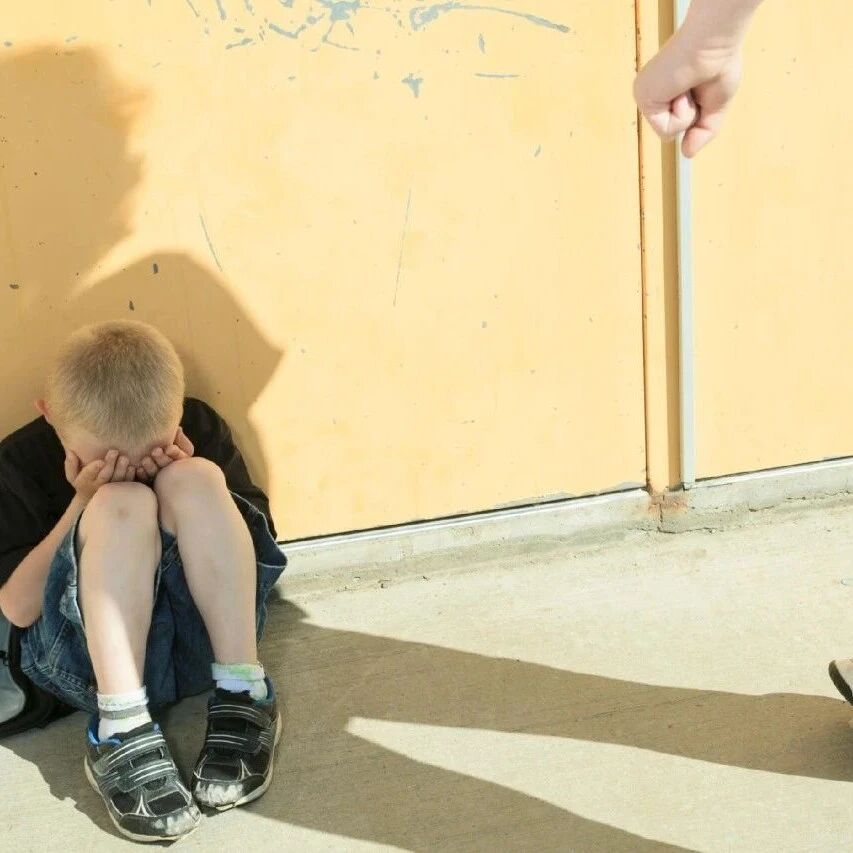
治理校园欺凌要关注“人”
经济观察报· 2025-09-12 12:39
Core Viewpoint - The handling of the bullying incident at Cangwu Campus should focus on the individuals involved, emphasizing the need for rebuilding safety and psychological support for victims, as well as personalized rehabilitation plans for perpetrators, rather than solely relying on strict law enforcement [1][4]. Summary by Sections Incident Overview - The Cangwu County Education Bureau has taken significant action against the principal, vice-principal, and homeroom teacher of Shiqiao Middle School, suspending them for negligence. Nine students involved in the bullying have been sent to a specialized school for corrective education, reflecting the seriousness of the incident and responding to public calls for strict measures against school bullying [2]. Legislative Changes - The revised Public Security Administration Punishment Law now includes provisions for handling school bullying, allowing police to impose administrative penalties for acts of violence, insult, or intimidation among students. Schools failing to report or address severe bullying incidents will face mandatory corrections and potential disciplinary actions against responsible personnel [3]. Educational and Corrective Measures - The corrective education for minors includes various measures such as admonition, public apology, compensation for damages, and supervision by social organizations. The law specifies that serious offenders may be sent to specialized schools, indicating a more severe approach for repeated or serious misconduct [3][4]. Focus on Individual Needs - The approach to handling bullying cases should prioritize the needs of both victims and perpetrators, ensuring that interventions are tailored to address the root causes of the issues. This includes providing psychological support for victims and rehabilitation for offenders, rather than merely punitive measures [4].
治理校园欺凌要关注“人”
Jing Ji Guan Cha Bao· 2025-09-10 07:34
Core Viewpoint - The handling of the bullying incident at Shiqiao Middle School in Cangwu County reflects a significant response to the serious nature of the event, indicating a shift towards stricter measures in addressing school bullying in China [1][2]. Group 1: Incident Response - The Cangwu Joint Investigation Team announced on September 9 that the local education bureau ordered the suspension of the principal, vice principal, and class teacher for negligence [1]. - Nine students involved in the bullying were sent to a specialized school for corrective education, and their parents received legal education [1]. - This response is notably more severe than typical measures, highlighting the seriousness of the incident and addressing public calls for stricter handling of school bullying [1]. Group 2: Legislative Changes - The revised Public Security Administration Punishment Law includes a new clause specifically targeting school bullying, allowing police intervention in cases of physical assault, insult, or intimidation [2]. - Schools failing to report or address severe bullying incidents will face corrective orders, and responsible personnel may face legal consequences [2]. - Recent legislative and judicial attitudes reflect a shift towards a more proactive approach, emphasizing prevention and rehabilitation rather than mere punishment [2]. Group 3: Educational and Legal Considerations - The handling of the incident raises questions about the responsibilities of educational institutions, including whether there were early warning signs and why the school did not intervene sooner [2][3]. - The corrective education for minors involves various measures, including apologies, compensation, and supervision by social organizations, indicating a structured approach to rehabilitation [2]. - The need for individualized solutions for both victims and perpetrators is emphasized, focusing on rebuilding safety and providing psychological support [3].