校园霸凌

Search documents
《玻璃》爆火:少年一曲,照见怎样的痛与勇
Xin Lang Cai Jing· 2026-01-27 07:27
Core Viewpoint - The song "Glass," created by 16-year-old Zhang Bowen, has gained immense popularity, with over 100 million views on short video platforms, highlighting the importance of visibility and discussion around the issue of school bullying [1][2] Group 1: Song Impact - "Glass" serves as a narrative poem that articulates the hidden pain of bullying victims, resonating deeply with many listeners who share their own experiences of being bullied [1] - The song's lyrics reflect the sensitivity and depth of youth, capturing the collective sorrow and struggles faced by those affected by bullying [1] Group 2: Societal Response - The rise of the song indicates a persistent concern among the public, especially Generation Z, regarding real social issues, showcasing their willingness to voice their experiences and empathize with others [2] - There has been a growing awareness of school bullying as a serious issue, leading to increased discussions, educational initiatives, and legal reforms aimed at protecting minors [2] - The collective participation in addressing bullying signifies hope for fundamentally resolving the issue, providing a protective umbrella for affected individuals [2]
披甲持刀的英国Teenager,比剃刀党更凶险
虎嗅APP· 2025-12-07 13:06
Core Viewpoint - The article discusses the alarming rise of knife crime among teenagers in the UK, highlighting a cultural shift towards violence and the normalization of carrying weapons for self-defense among youth [7][10][53]. Group 1: Knife Crime Statistics - As of June 2025, police recorded 51,527 knife-related crimes, a 64% increase compared to a decade ago, despite a slight decrease after the implementation of knife control laws [10]. - In the year from 2023 to March 2024, 83% of teenage homicide victims aged 13 to 19 were killed with sharp objects, representing 46% of all victims across age groups [10]. - Approximately 17%-18% of weapon crimes are committed by minors aged 10-17, indicating that about 1 in 5-6 knife crimes involves a minor [10]. Group 2: Weapon Preferences and Accessibility - Teenagers in the UK show a preference for large and unusual weapons, such as machetes and "zombie knives," which are often over eight inches long [15][19]. - In a span of eight months, there were 662 recorded crimes involving machetes in West Yorkshire, with 104 related to armed robbery [18]. - The ease of purchasing these weapons online is concerning, as platforms like eBay have lax regulations, allowing minors to buy knives with minimal verification [23][24]. Group 3: Cultural and Social Influences - The rise in knife crime is linked to a broader cultural phenomenon where young people feel the need to carry weapons for protection due to fear and insecurity in their environments [41][48]. - The normalization of violence is exacerbated by social media, which perpetuates bullying and gang culture, leading to a cycle of fear and aggression among youth [50][53]. - The disparity in socioeconomic status contributes to feelings of resentment and anger among disadvantaged youth, further fueling violent behavior [62][65]. Group 4: Psychological Factors - Many teenagers carry knives not for bravado but out of fear, believing that having a more intimidating weapon increases their chances of survival in confrontations [38][41]. - The prevalence of bullying in schools, coupled with the impact of online harassment, creates a toxic environment where students feel unsafe and resort to carrying weapons for self-defense [47][52]. - The article emphasizes that the underlying issues driving this violence are complex and rooted in emotional distress, societal pressures, and a lack of support systems for youth [71][72].


有霸凌劣迹 韩国去年298名考生被报考高校拒收
Yang Shi Xin Wen· 2025-11-19 08:51
Group 1 - The core viewpoint is that South Korean universities are increasingly considering students' bullying records in their admissions processes, reflecting a significant cultural shift in addressing school violence [1][2] - In the last year, 298 candidates were not admitted to universities due to their bullying records, with 397 candidates receiving varying degrees of penalties [1] - A total of 134 out of 193 four-year universities provided data on this issue, with 71 institutions incorporating bullying records into their admissions criteria [1] Group 2 - Starting from the 2026 academic year, all South Korean universities will be required to consider candidates' bullying records during admissions [2] - The change in admissions policy is part of a broader societal transformation, as school violence has shifted from being seen as personal disputes to a recognized social issue [2] - There is a growing consensus that bullying is a violation of basic rights, and there is a societal demand for long-term accountability for perpetrators [2]

【环时深度】为应对校园霸凌,各国“软硬兼施”
Huan Qiu Shi Bao· 2025-11-17 22:48
Group 1: Overview of Bullying Issues - The issue of school bullying is a significant global concern, with various countries implementing measures to address it, including strict laws and support systems for victims [1][3][5] - In South Korea, 55,000 students participated in the annual college entrance exam, with six prestigious universities refusing applicants with bullying records, highlighting the increasing focus on this issue [1][6] - Malaysia reported over 7,600 bullying incidents in 2024, an increase from the previous year, indicating a persistent problem in the education system [2][3] Group 2: Statistics and Trends - A UNESCO report indicated that 32% of students in 144 countries experienced bullying in the month prior to the survey, with physical bullying being the most common type in many regions [3] - In South Korea, the percentage of students reporting bullying rose from 2.1% to 2.5% year-on-year, with elementary school students particularly affected [3][5] - Japan reported nearly 770,000 bullying incidents for the 2024 fiscal year, an increase of approximately 36,000 from the previous year [3] Group 3: Legal and Institutional Responses - South Korea has a tiered punishment system for bullying, ranging from written apologies to expulsion, with records of bullying incidents affecting university admissions [5][6] - The UAE imposes heavy fines and potential imprisonment for bullying, with specific laws mandating a safe learning environment [6] - Despite the implementation of laws, the number of reported bullying cases in South Korea has increased significantly, suggesting that punitive measures alone are insufficient [5][6] Group 4: Prevention and Education Strategies - Experts emphasize the need for a holistic approach to bullying prevention, combining disciplinary measures with psychological counseling and restorative actions [8] - In Denmark, the "Ove's Anti-Bullying Program" focuses on creating a supportive school culture and training all staff to recognize and address bullying [9][10] - Parental involvement and communication are crucial in addressing bullying, with parents encouraged to engage with their children about emotional well-being [10]
日本中小学校园霸凌事件数量创新高
Xin Hua Wang· 2025-11-04 03:05
Core Points - The Japanese Ministry of Education, Culture, Sports, Science and Technology reported nearly 770,000 cases of school bullying for the fiscal year 2024, marking a record high [1] - The survey indicates that bullying incidents are widespread across over 30,000 schools, accounting for 83.9% of all schools in Japan [1] - The majority of bullying cases occurred in elementary schools, exceeding 610,000 incidents [1] - Serious incidents leading to physical harm or long-term absences reached 1,405, also a record high [1] - Physical violence incidents increased to over 128,000, reflecting an 18.2% year-on-year growth [1] - The Ministry noted that the rise in bullying cases is partly due to schools being more proactive in identifying incidents, but the increase in serious cases is concerning [1] - The report highlighted that eight students committed suicide due to bullying [1] - School bullying is a significant social issue in Japan, contributing to tragedies such as murder and suicide, and is a reason for many students refusing to attend school [1] - The survey also revealed that over 353,000 elementary and junior high school students were absent for more than 30 days in the year, a 2.2% increase and the 12th consecutive year of growth [1] - Among these, approximately 137,000 cases were from elementary students and 216,000 from junior high students [1] - The Ministry believes that the increase in long-term absences is related to more parents feeling that children should not be forced to attend school [1]
东亚三国的校园霸凌,哪国更严重?
Hu Xiu· 2025-09-17 13:04
Core Insights - The article highlights the alarming issue of school bullying in Japan, reporting a total of 730,000 cases within a year, which averages to a significant number of incidents daily [1] Group 1 - The Japanese Ministry of Education, Culture, Sports, Science and Technology released data indicating a severe bullying problem in schools [1] - The article aims to compare the severity of school bullying among Japan, China, and South Korea, raising concerns about the global implications of this issue [1]
请回答「Knock Knock 世界」NO. 250914
声动活泼· 2025-09-13 23:03
Core Viewpoint - The article discusses various topics of curiosity and knowledge, highlighting the importance of understanding contemporary issues and trends in society, particularly for the youth [1][2]. Group 1: Podcast Information - The podcast "Knock Knock World" is produced by "Sounding Alive" and "One-Tenth," aimed at unlocking global fresh insights for teenagers [3][5]. - It updates every Monday, Wednesday, and Friday at 6:00 AM, with each episode lasting 10 minutes [5]. - The first season runs from March 25, 2025, to March 24, 2026, priced at 365 yuan [3][6]. Group 2: Content Themes - The podcast addresses a variety of questions related to technology, culture, and societal issues, such as the impact of mobile apps on privacy, the rise of new car brands, and the economics of shared bicycles [1][2]. - It also explores the significance of gaming in youth culture and the popularity of Japanese manga and animation [2].

“又不是没进去过”,不能让校园霸凌者有下一次说出口的机会
Hu Xiu· 2025-08-07 07:01
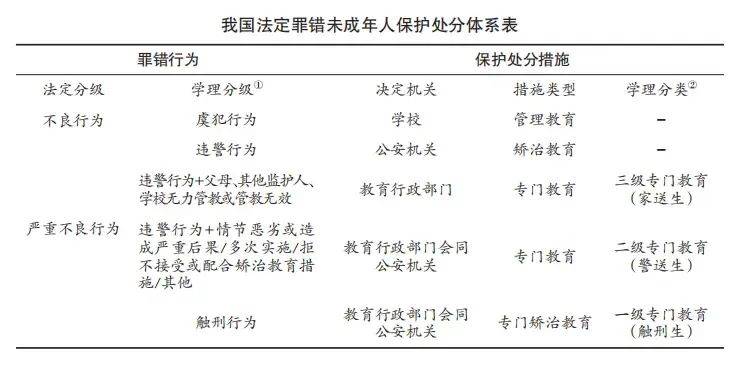
Core Viewpoint - The article highlights the ongoing issue of student bullying in China, emphasizing the inadequacies of the current juvenile justice system in addressing such behaviors, particularly regarding the leniency shown towards underage offenders [1][27]. Group 1: Case Study of Bullying Incident - A case involving a middle school student, Xiaorong, who was bullied and extorted for "protection fees" by a gang of peers, illustrates the severity of the bullying problem [3][4]. - The incident escalated to a robbery and assault on Xiaorong's father, leading to serious injuries, highlighting the violent nature of these bullying incidents [4][5]. - The case involved 13 minors, with 7 directly participating in the robbery and assault, and others acting as accomplices, indicating a broader issue of delinquency among youth [6][10]. Group 2: Intervention Mechanisms - The article discusses the tiered intervention mechanisms for juvenile offenders, which include educational and corrective measures based on the severity of their actions [7][10]. - For less severe cases, such as those involving minors who did not directly participate in violence, authorities may impose educational measures rather than punitive actions [8][10]. - The article emphasizes the need for state intervention when family-based corrective measures fail, as seen in the case of a minor who faced severe behavioral issues due to family dysfunction [11][12]. Group 3: Challenges in the System - The article outlines the challenges faced by specialized schools designed for juvenile rehabilitation, including a significant imbalance in the availability of such institutions across different regions [23][24]. - There is a noted shortage of resources, including qualified staff and adequate facilities, which hampers the effectiveness of these specialized schools [23][24]. - Parental resistance to sending children to specialized schools, often viewed as punitive, further complicates the situation, leading to a lack of necessary intervention for at-risk youth [24][28]. Group 4: Legal Framework and Execution - Recent legal reforms aim to strengthen the accountability of juvenile offenders and enhance the intervention mechanisms available to authorities [27][28]. - The article critiques the gap between legal provisions and their execution, as demonstrated by the lenient treatment of a 13-year-old offender in a bullying case, which reflects a broader issue of administrative complacency [27][29]. - The need for a more robust and effective deterrent system is emphasized, suggesting that increasing the number of specialized schools and improving public perception of these institutions could lead to better outcomes for juvenile offenders [28][29].
武大图书馆诬告案,是一场规模宏大的校园霸凌
Hu Xiu· 2025-07-28 11:53
Group 1 - The article discusses the limitations of the law in addressing issues like online violence and campus bullying, highlighting the case of the Wuhan University library false accusation as a classic example of these problems [1] - It emphasizes that campus bullies often target those perceived as weak, showcasing the ability of bullies to identify vulnerable individuals [2] - The article points out that the victim, Xiao, lacked awareness of human malice and was easily intimidated, leading to a series of unfortunate events [2][3] Group 2 - The response of individuals who are not easily bullied can differ significantly, with some choosing to confront their accusers aggressively [4] - The article illustrates how bystanders often contribute to the perpetuation of bullying by remaining passive, akin to a crowd ignoring violence [5] - It criticizes the typical school response to bullying, which often involves equal punishment for both parties, rather than a thorough investigation [6] Group 3 - The article raises doubts about the plausibility of the accusations against Xiao, questioning the circumstances and logic behind the claims [7][8][9] - It discusses the long-term psychological impact of bullying on victims, noting that the scars from such experiences can last a lifetime [10] - The article concludes that the consequences for bullies are often minimal, as societal memory fades and they may continue to thrive without accountability [14][15]