
欧洲能源危机

Search documents
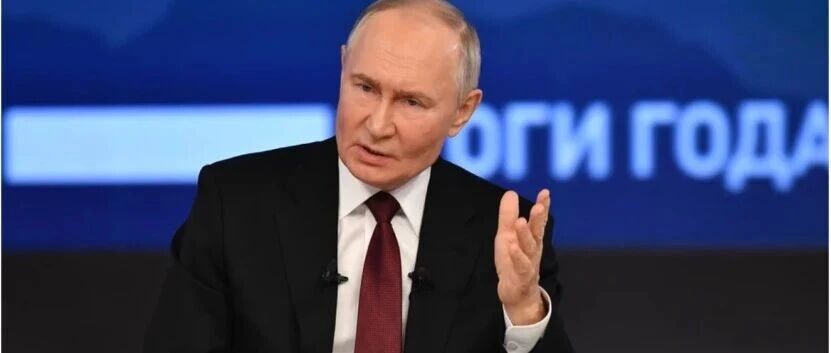
普京:或将提前对欧“断气”
中国能源报· 2026-03-05 10:13
Core Viewpoint - Russian President Putin indicated that Russia may consider halting gas supplies to Europe ahead of schedule due to the EU's intention to completely abandon Russian gas imports [1]. Group 1: Russia's Position on Gas Supply - Putin stated that the potential early cessation of gas supplies could be more beneficial for Russia, given the EU's plans to impose restrictions on Russian gas imports [1]. - He emphasized that the recent surge in European energy prices is not due to supply constraints from major suppliers but rather the result of the EU's long-term policy errors and geopolitical factors affecting global markets [1]. Group 2: EU's Legislative Actions - The EU's 27 member states officially passed regulations on January 26 to gradually ban imports of Russian pipeline gas and liquefied natural gas (LNG) [1]. - A comprehensive ban on LNG imports from Russia will take effect in early 2027, while a complete ban on pipeline gas imports will be implemented in the fall of 2027 [1]. - In 2025, Russian gas is expected to account for approximately 13% of the EU's total imports, valued at over 15 billion euros [1].

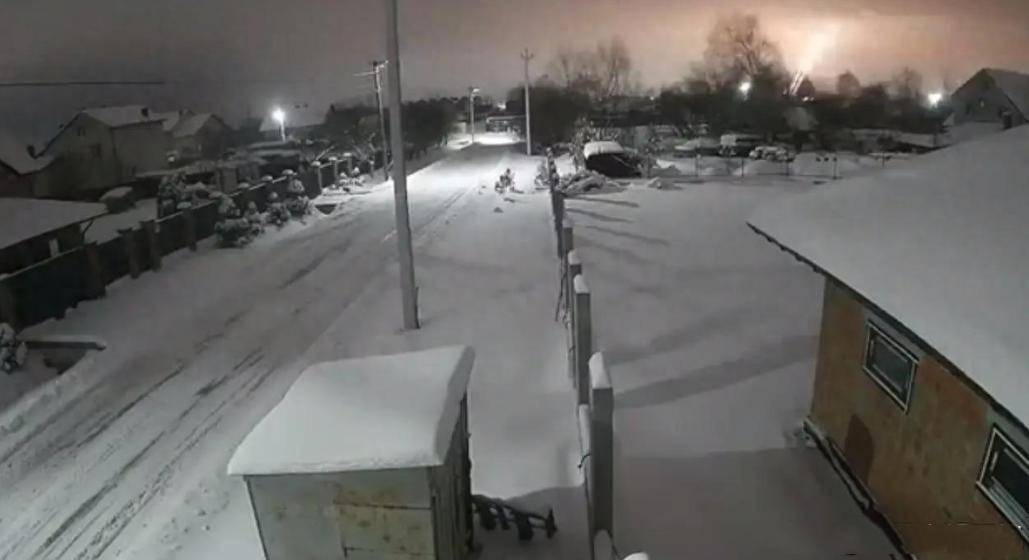
120万居民断气!俄军精准打击利沃夫,欧洲能源命脉遭“卡脖子”
Sou Hu Cai Jing· 2026-02-19 08:21
Group 1 - The core issue of the article revolves around the impact of the Russian military's strike on the Lviv underground gas storage facility, which has exposed the vulnerability of Europe's energy supply and led to a significant increase in natural gas prices [2][3] - The Lviv gas storage facility is a critical transit point for Russian gas to Europe, accounting for approximately 8% of the total cross-border gas flow to Europe, and its destruction has resulted in a gas supply interruption for three Ukrainian regions, affecting 1.2 million residents [3][5] - The European natural gas wholesale price surged from €50.85 per megawatt-hour to a new high since October 2023, with Slovakia and other countries facing direct economic losses of €1.5 billion due to rising costs and decreased purchasing power [5][6] Group 2 - The response to the energy crisis has revealed deep divisions among European nations, with Germany advocating for caution due to economic repercussions, while the UK pushes for a more aggressive stance against Russia [6][7] - The internal discord among European countries regarding their approach to Russia has led to a lack of cohesive action, with some nations prioritizing their own economic interests over collective security [6][7] - The ongoing conflict has transformed into a proxy war, with Russia leveraging energy as a weapon against European civilians, while the U.S. seeks to expand its energy exports and influence [7][8]
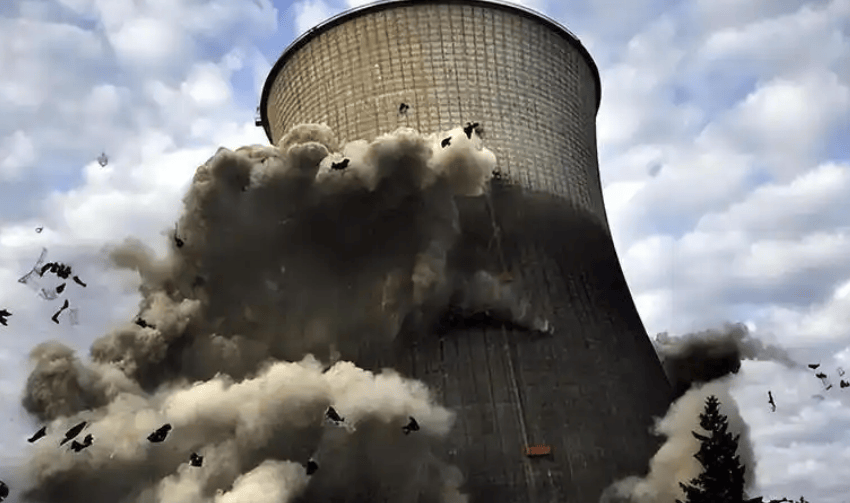
一声巨响炸掉50%天然气,欧洲最大储气库成火海,英法激怒普京的代价,现在才刚刚开始
Sou Hu Cai Jing· 2026-01-15 19:04
Group 1 - The core event involves a Russian missile strike on a major underground gas storage facility in Lviv, leading to a significant gas leak and fire, which highlights the vulnerability of Europe's energy supply during winter [1][3] - The attack is characterized as a "textbook asymmetric retaliation," targeting Europe's energy infrastructure rather than direct military assets, reflecting Russia's strategic response to Western military support for Ukraine [3][5] - The destruction of the gas storage facility poses severe implications for European energy security, affecting heating for civilians and operations in critical sectors like healthcare and manufacturing [5][7] Group 2 - Following the attack, emergency consultations were initiated among the US, UK, France, and Germany, revealing underlying national interests and the urgency of finding new energy suppliers [7] - The situation presents a dilemma for Europe: either purchase expensive US gas to appease domestic discontent or reconsider its hardline stance against Russia, both options indicating a heavy price for previous political decisions [7] - The incident underscores Russia's capability to disrupt European energy supplies, raising concerns about future attacks if Western nations continue their current policies towards Ukraine [7]
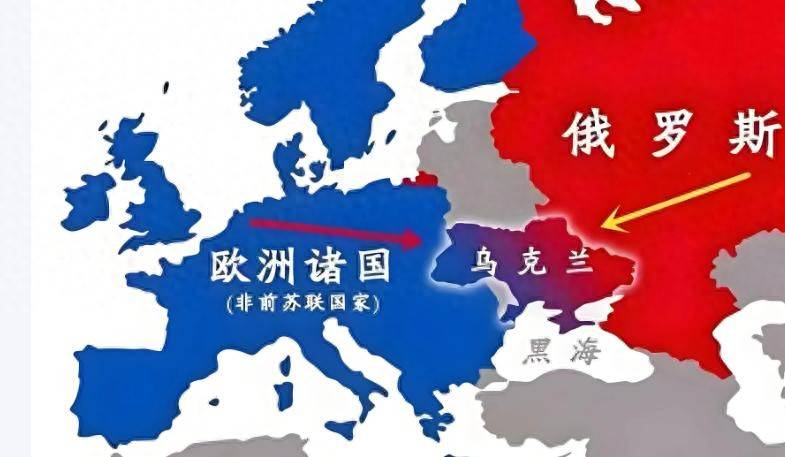
欧洲掏空家底军援乌克兰真相:停火并非终点,或是欧洲噩梦的开始
Sou Hu Cai Jing· 2025-12-23 13:22
Group 1 - European countries are increasing military support for Ukraine, driven by fear of potential Russian aggression rather than a sudden sense of justice [1][2] - The expansion of NATO and the historical context of Russian territorial ambitions have heightened European fears, leading to a sense of urgency in military aid [1][3] - The prospect of a ceasefire is viewed negatively by European leaders, as it could solidify Russian territorial gains and embolden their military presence in Eastern Europe [2][3] Group 2 - The significant investments made by Europe in LNG infrastructure and energy diversification make a return to Russian energy dependence unlikely [4][5] - The estimated cost for the reconstruction of Ukraine is at least $486 billion, which poses a financial burden primarily on Europe if a ceasefire occurs under unfavorable conditions [6][7] - The potential influx of refugees from Ukraine could exacerbate social and political tensions within European countries, complicating the situation further [7][9] Group 3 - The relationship between Europe and Russia is characterized by deep mistrust, complicating any potential negotiations for peace [9][10] - The ongoing military support for Ukraine is seen as a strategy to buy time for European nations, rather than purely humanitarian assistance [9][10] - The situation in Ukraine is perceived as a direct threat to European stability, with the war impacting the security and economic landscape of the region [10]
新能源及有色金属日报:美元指数再创新低,沪铝走强-20250702
Hua Tai Qi Huo· 2025-07-02 05:28
Report Investment Ratings - Aluminum: Neutral [7] - Alumina: Cautiously Bearish [7] - Aluminum Alloy: Neutral [7] Core Views - The weakening US dollar index has led to a strong rise in Shanghai aluminum prices, but downstream acceptance in the spot market is poor, and spot premiums have further declined. The expected increase in the Fed's interest rate cuts has slightly weakened the spot price of alumina, and smelting profits have expanded to 4,000 yuan/ton during the off - season. Consumption is showing marginal weakness, and inventory is expected to accumulate slightly in July [3]. - For alumina, the cost is stable, but producers are pessimistic about future prices, resulting in low procurement enthusiasm for bauxite. Despite smelting profits, weekly production and inventory are rising, and long - term supply pressure remains [4][5]. - Aluminum alloy is in the off - season. The price follows the aluminum price, and the tight supply of scrap and raw aluminum supports the price. There are opportunities for cross - variety arbitrage [6]. Summary by Category Aluminum Price and Inventory - On July 1, 2025, the Yangtze River A00 aluminum price was 20,780 yuan/ton, unchanged from the previous trading day. The Shanghai aluminum main contract closed at 20,635 yuan/ton, up 85 yuan/ton or 0.41% from the previous trading day. As of June 30, 2025, the domestic electrolytic aluminum ingot social inventory was 468,000 tons. As of July 1, 2025, the LME aluminum inventory was 34,500 tons, an increase of 550 tons from the previous day [1]. Market Analysis - The weakening US dollar index has pushed up Shanghai aluminum prices, but downstream acceptance is poor, and spot premiums have declined. The expected Fed rate cuts have slightly weakened alumina prices, expanding smelting profits. Supply is stable, and there is no significant impact from the Middle - East crisis on Iranian electrolytic aluminum. Consumption is weakening marginally, and inventory is expected to accumulate slightly in July, but the inventory level is still low historically [3]. Alumina Price and Inventory - On July 1, 2025, the SMM alumina prices in Shanxi, Shandong, and Guangxi were 3,075 yuan/ton, 3,080 yuan/ton, and 3,180 yuan/ton respectively, and the Australian alumina FOB price was 370 US dollars/ton. The alumina main contract closed at 2,945 yuan/ton, down 42 yuan/ton or 1.41% from the previous trading day. The alumina social inventory is rising, and the current alumina warehouse receipt is 21,000 tons, with the 07 - contract position at 51,000 tons [2][5]. Market Analysis - The cost of bauxite is stable, with the 3rd - quarter long - term contract price of Guinea's mainstream bauxite miners at 74 - 75 US dollars/ton, similar to the 2nd quarter. Alumina producers are pessimistic about future prices, resulting in low procurement enthusiasm for bauxite. Despite smelting profits, production and inventory are rising, and long - term supply pressure remains [4][5]. Aluminum Alloy Price and Inventory - On July 1, 2025, the purchase prices of Baotai's civil and mechanical raw aluminum were 15,300 yuan/ton and 15,400 yuan/ton respectively, unchanged from the previous day. The Baotai ADC12 price was 19,500 yuan/ton, unchanged from the previous day. The total aluminum alloy inventory was 108,800 tons, a weekly increase of 21,000 tons [2]. Market Analysis - Aluminum alloy is in the off - season, and the price follows the aluminum price. The tight supply of scrap and raw aluminum supports the price. There are opportunities for cross - variety arbitrage [6].
新能源及有色金属日报:氧化铝现货市场表现坚挺-20250701
Hua Tai Qi Huo· 2025-07-01 04:32
Report Industry Investment Rating - Aluminum: Neutral [5] - Alumina: Cautiously Bearish [5] - Aluminum Alloy: Neutral [5] Core Viewpoints - The increase in the Fed's interest - rate cut expectation has led to a drop in the US dollar index and a rise in Shanghai aluminum prices. The alumina spot price has slightly weakened, and the smelting profit has expanded to 4,000 yuan/ton during the consumption off - season. Although the overall consumption shows a marginal weakening trend, the inventory increase is limited, and the absolute inventory value remains at a historically low level, with long - term attention to delivery risks [3]. - For alumina, the cost is stable, but the alumina plants are relatively pessimistic about the future price, resulting in low enthusiasm for bauxite procurement. The weekly production and inventory are both rising significantly, and the supply pressure at home and abroad remains unchanged in the long term. Currently, the delivery risk has been alleviated [4]. - The aluminum alloy is in the consumption off - season, with limited price increase space in the spot market. The supply of scrap aluminum is still tight, and the cost supports the price. Attention should be paid to cross - variety arbitrage opportunities [4]. Summary by Related Catalogs Aluminum Price and Market Data - On June 30, 2025, the Yangtze River A00 aluminum price was 20,780 yuan/ton, down 110 yuan/ton from the previous trading day; the Zhongyuan A00 aluminum price was 20,580 yuan/ton; the Foshan A00 aluminum price was 20,690 yuan/ton [1]. - The opening price of the Shanghai aluminum main contract on June 30, 2025, was 20,575 yuan/ton, and the closing price was 20,580 yuan/ton, up 5 yuan/ton from the previous trading day, with a trading volume of 167,837 lots and a position of 272,406 lots [1]. - As of June 30, 2025, the domestic electrolytic aluminum ingot social inventory was 468,000 tons, and the LME aluminum inventory was 345,750 tons, an increase of 550 tons from the previous day [1]. Market Analysis - The supply is stable in China, and the Middle East crisis has not affected Iranian electrolytic aluminum. The European natural gas inventory is in good condition. The overall consumption shows a marginal weakening trend, and inventory accumulation is expected in July, but the accumulation range is limited [3]. Strategy - For single - side trading, it is recommended to take a neutral stance. For arbitrage, a long - position in the positive spread of Shanghai aluminum is recommended [5]. Alumina Price and Market Data - On June 30, 2025, the SMM alumina price in Shanxi was 3,075 yuan/ton, in Shandong was 3,080 yuan/ton, in Guangxi was 3,180 yuan/ton, and the Australian alumina FOB price was 370 US dollars/ton [2]. - The opening price of the alumina main contract on June 30, 2025, was 2,980 yuan/ton, and the closing price was 2,985 yuan/ton, up 7 yuan/ton from the previous trading day, with a trading volume of 253,492 lots and a position of 288,909 lots [2]. Market Analysis - A certain electrolytic aluminum plant in Xinjiang tendered 10,000 tons of alumina spot, and the winning bid price was between 3,370 - 3,410 yuan/ton, slightly higher than the previous transaction. The cost is stable, but alumina plants are pessimistic about the future price, resulting in low procurement enthusiasm for bauxite. The production and inventory are rising [4]. Strategy - For single - side trading, a cautiously bearish stance is recommended [5]. Aluminum Alloy Price and Market Data - On June 30, 2025, the Baotai civil aluminum scrap purchase price was 15,300 yuan/ton, and the mechanical aluminum scrap purchase price was 15,400 yuan/ton, down 100 yuan/ton from the previous day. The Baotai ADC12 quotation was 19,500 yuan/ton, down 100 yuan/ton [2]. - The aluminum alloy social inventory was 26,000 tons, a weekly increase of 2,200 tons; the in - plant inventory was 82,800 tons, a weekly decrease of 100 tons; the total inventory was 108,800 tons, a weekly increase of 2,100 tons [2]. Market Analysis - The aluminum alloy is in the consumption off - season, with limited price increase space in the spot market. The supply of scrap aluminum is tight, and the cost supports the price [4]. Strategy - For single - side trading, a neutral stance is recommended. For arbitrage, it is recommended to go long on AD11 and short on AL11 [5].
俄罗斯放弃通过土耳其重返欧洲天然气市场的想法
news flash· 2025-06-03 14:01
Core Viewpoint - Gazprom has abandoned plans to develop a new gas distribution hub in Turkey, losing potential opportunities to re-enter the European market after the Ukraine conflict [1] Group 1: Company Strategy - Gazprom was exploring Turkey as a route to re-enter the European market after losing its foothold due to the Ukraine conflict and the shutdown of the Nord Stream pipeline [1] - The company has concluded that the plan to use Turkey as a distribution hub is unfeasible after months of consideration [1] Group 2: Market Challenges - Turkey lacks the capacity for alternative export pipelines to Southern Europe, limiting Gazprom's influence over the proposed hub [1] - Ankara is unwilling to allow Gazprom to jointly sell gas, further restricting the company's operational capabilities in the region [1] - The European Union is advancing a proposal to ban imports of Russian gas by the end of 2027, adding to the challenges faced by Gazprom [1]