
民主集中制

Search documents
中共中央政治局召开会议 审议《中国共产党地方委员会工作条例》 中共中央总书记习近平主持会议
证券时报· 2026-03-27 08:13
Core Viewpoint - The meeting emphasized the importance of local party committees in upholding the authority of the central leadership and implementing decisions made by the central government, focusing on practical and effective governance [1][2]. Group 1 - Local party committees are tasked with ensuring development and safety, promoting high-quality growth, and improving people's livelihoods while maintaining national security and social stability [2]. - The meeting highlighted the need for local party committees to adopt a correct view of achievements, prioritizing practical results that can withstand the test of practice, public opinion, and history [2]. - Strengthening education on democratic centralism within local party leadership teams is essential, along with refining decision-making rules and enhancing supervision mechanisms [2]. Group 2 - Local party committee members are encouraged to enhance their theoretical knowledge and professional skills to improve leadership capabilities [2]. - The meeting reiterated the commitment to strict party governance and the implementation of the central eight regulations, aiming to reduce formalism and ensure clean governance [2].

中共中央政治局召开会议
清华金融评论· 2026-03-27 08:04
Group 1 - The meeting emphasized the importance of local party committees in upholding the authority of the central leadership and implementing decisions made by the central government, focusing on practical and effective execution [3] - Local party committees are tasked with promoting high-quality development while ensuring national security and social stability, with a strong emphasis on improving people's livelihoods [3] - The meeting highlighted the need for local party leadership to strengthen democratic centralism, improve decision-making processes, and enhance supervision mechanisms to ensure accountability [3] Group 2 - There is a call for local party leaders to enhance their theoretical knowledge and professional skills to improve leadership capabilities [3] - The meeting reiterated the commitment to strict governance of the party, emphasizing the importance of adhering to the central eight regulations and reducing bureaucratic burdens at the grassroots level [3] - The goal is to foster a clean and upright political environment by ensuring compliance with regulations and maintaining integrity [3]
省政府党组召开2025年度民主生活会暨巡视整改专题民主生活会
Da Zhong Ri Bao· 2026-01-13 00:59
Group 1 - The provincial government party group held a democratic life meeting for 2025, focusing on implementing the spirit of the 20th Central Committee and addressing feedback from the central inspection [2][3] - The meeting emphasized the importance of self-examination, party character analysis, and criticism to enhance unity and improve work effectiveness [2][3] - The provincial government party group members recognized the meeting's effectiveness in addressing issues and promoting a better working style [2][3] Group 2 - The meeting highlighted the need to deeply understand and implement the important instructions from General Secretary Xi Jinping, reinforcing political loyalty and responsibility [3] - There is a strong emphasis on rectifying issues identified by the central inspection and ensuring thorough and effective changes [3] - The provincial government party group is committed to maintaining a clean and honest governance style, managing personnel responsibly, and reducing burdens on grassroots levels [3]
见贤思齐 | 以正气铸铁军
Zhong Yang Ji Wei Guo Jia Jian Wei Wang Zhan· 2026-01-04 23:58
Core Viewpoint - The article emphasizes the importance of integrity and responsibility in leadership roles, particularly in the context of personnel selection and team building within the disciplinary inspection and supervision system in China [1][2]. Group 1: Leadership Responsibility - The role of the "first responsible person" in personnel selection is crucial, as they must uphold principles and resist corrupt practices to build a loyal and capable inspection team [2][3]. - A case study of a former school party secretary illustrates how nepotism and corruption can damage both individual careers and team integrity, highlighting the need for principled leadership [3]. Group 2: Standards for Personnel Selection - The article advocates for a value-oriented approach to personnel selection, emphasizing the importance of both moral character and professional competence [4]. - The practice of integrating political loyalty, business capability, and a spirit of responsibility into the evaluation system is essential for fostering a competent workforce [4]. Group 3: Institutional Framework - The necessity of adhering to democratic centralism in the personnel selection process is stressed, as a lack of institutional constraints can lead to corruption and irregularities [5][6]. - Establishing a comprehensive mechanism for candidate selection that includes collective research, democratic recommendations, and public supervision is vital for transparency and accountability [6]. Group 4: Motivation and Support - The article highlights the dual approach of strict management and supportive measures to enhance the internal motivation of personnel [7]. - Creating an environment that encourages accountability while providing mentorship and support for younger staff can lead to a more dynamic and effective team [7]. Group 5: Learning from Best Practices - The practices of the Juxian County Discipline Inspection Commission serve as a valuable reference for other regions, emphasizing the need for principled, capable, and accountable leadership in the inspection and supervision field [8].
思想体悟丨开展严肃认真的党内政治生活
Zhong Yang Ji Wei Guo Jia Jian Wei Wang Zhan· 2025-12-29 00:56
Core Viewpoint - The emphasis on serious intra-party political life is crucial for the governance and unity of the Communist Party, serving as a foundation for strict party management and political discipline [10][11][17]. Group 1: Importance of Intra-Party Political Life - Serious intra-party political life is fundamental for comprehensive strict governance of the party, with the need to manage the party starting from intra-party political life [3][10]. - The quality of intra-party political life directly influences the conduct of party members and leaders, affecting their strength and credibility [4][12]. - A healthy intra-party political life is essential for maintaining the party's vitality and ensuring the correction of erroneous thoughts, which can otherwise lead to significant losses for the party [11][12]. Group 2: Mechanisms and Practices - The party has established basic norms for intra-party political life, including criticism and self-criticism, democratic centralism, and strict party discipline, which are vital for the party's growth and success [9][10]. - The Central Committee has placed greater emphasis on serious intra-party political life and the purification of the political ecosystem since the 18th National Congress, with guidelines established to support these efforts [9][10]. - Various local party organizations are implementing measures to strengthen and standardize intra-party political life, including educational activities and supervision mechanisms [20][21][24]. Group 3: Challenges and Continuous Improvement - Despite notable achievements in enhancing intra-party political life, challenges remain, and addressing these issues requires persistent effort [18]. - The focus is on transforming the results of serious intra-party political life into sustained motivation for the party's development, ensuring a clean environment for capable individuals to thrive [18]. - Continuous innovation and improvement in practices related to intra-party political life are necessary to maintain the party's leadership core and adapt to new realities [18].
兵团党委经济工作会议召开
Xin Lang Cai Jing· 2025-12-24 19:52
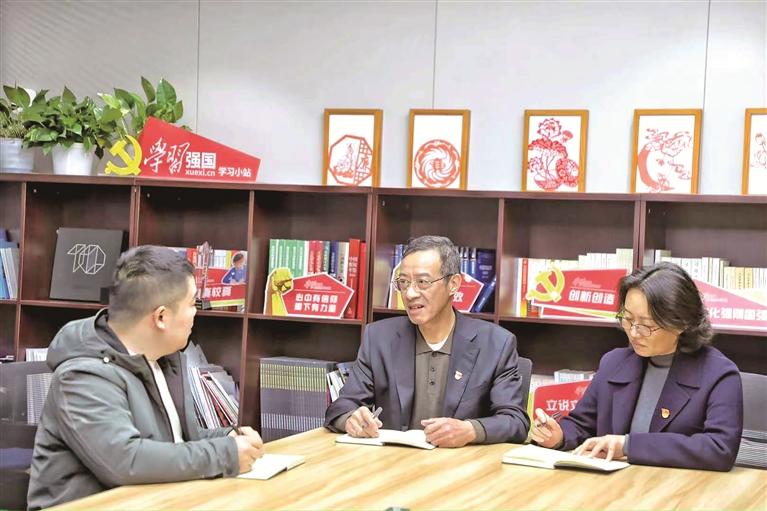
Core Viewpoint - The meeting emphasizes the importance of enhancing decision-making capabilities and ensuring that major strategies, policies, and projects align with development laws and objective realities [1] Group 1: Economic Development - The meeting highlights the need for the Xinjiang Production and Construction Corps (兵团) to strengthen the integration of stability and development efforts, fulfilling its "three major functions" and "four major roles" to better contribute to the overall goals of Xinjiang work [1] - There is a call to systematically plan next year's work tasks, focusing on ensuring the supply and price stability of essential livelihood goods, and caring for the lives of disadvantaged workers and communities [1] Group 2: Political and Social Environment - The meeting stresses the importance of creating a favorable political, talent, business, and public opinion environment to foster a strong collective effort towards high-quality development [1] - It encourages unity around the leadership of Xi Jinping, urging collective action to explore a high-quality development path that reflects the unique characteristics of the Corps [1]
中国共产党工作机关条例
Xin Hua She· 2025-12-08 00:43
General Principles - The regulations aim to strengthen and standardize the work of the Party's working organs, guided by Xi Jinping's Thought on Socialism with Chinese Characteristics for a New Era [1] - The Party's working organs must uphold the authority of the Party Central Committee and follow principles such as comprehensive leadership, serving the overall situation, and adhering to democratic centralism [3][4] Establishment - The Central and local Party committees can establish various working organs, including offices and functional departments, to manage Party-related work [4] - The establishment, dissolution, or merger of these organs must follow a controlled and efficient principle, with proposals submitted for approval [5] Responsibilities - The Party's working organs must have clear responsibilities, which are generally defined by Party regulations and specific duties outlined by internal structures [10] - Key responsibilities include implementing decisions from the Central Committee, serving as advisors to the Party committee, and managing internal Party affairs [12] Decision-Making and Execution - The Party's working organs must adhere to democratic centralism in decision-making, with significant matters requiring collective discussion and decision [14][15] - Major decisions should follow a structured process, including research, opinion gathering, and compliance checks [16] Supervision and Accountability - The Party's working organs are subject to comprehensive supervision from the Party committee, with mandatory reporting on work status at least once a year [20] - Leadership teams must accept various forms of supervision and are accountable for their actions, facing consequences for violations of regulations [26][28]
传达学习习近平总书记重要讲话重要指示致信精神研究部署经济发展防汛救灾对外开放和青年等工作
Xi An Ri Bao· 2025-08-04 03:13
Group 1 - The meeting emphasized the importance of deeply understanding Xi Jinping's recent important speeches and directives, aligning thoughts and actions with the central government's scientific judgment on the economic situation and decision-making for economic work [2][3] - The meeting highlighted the need to focus on the "Three Years" activities, tackle the "Eight Hard Battles," and deepen the "Six Reforms" to achieve the annual economic and social development goals and ensure a successful conclusion to the "14th Five-Year Plan" [2] - The meeting underscored the critical period for flood prevention and disaster relief, urging all levels to implement Xi Jinping's directives on flood control, maintain a bottom-line mindset, and ensure effective response to rain and flood situations [2] Group 2 - The meeting called for a comprehensive implementation of Xi Jinping's diplomatic thoughts, actively serving the national diplomatic agenda, and integrating into the "Belt and Road" initiative [3] - The meeting stressed the importance of youth work under party leadership, promoting a youth-friendly city, and encouraging young people to advocate for peace and engage in peaceful development [3] - The meeting reinforced the need for strict party governance and self-improvement, ensuring that every decision made by the Standing Committee withstands scrutiny [3]
经典常谈 | 建设坚强有力的党组织
Zhong Yang Ji Wei Guo Jia Jian Wei Wang Zhan· 2025-06-17 00:07
Group 1 - The necessity of establishing a distinct political party for the proletariat was emphasized by Marx and Engels, highlighting the urgency of this need in the face of pressing circumstances [1] - The reorganization of the Justus League into the Communist League marked the formation of the world's first proletarian party, with a focus on strengthening the connection between local branches and the central committee [1][2] - Marx and Engels stressed the importance of a well-organized and unified proletarian party to ensure effective action and maintain authority, particularly after the failures observed in the Paris Commune [2][3] Group 2 - The establishment of the International Workers' Association's organizational structure aimed to unify all workers' party organizations under a common leadership, promoting a strong and cohesive organization [3] - Lenin's emphasis on a unified and disciplined party structure was crucial for the success of the Russian Social Democratic Labor Party, highlighting the need for a centralized system to maintain unity and effective action [3][4] - The early Chinese Communist Party was characterized by clear objectives and a tight organizational structure, with a focus on political unity and adherence to central leadership [4][5] Group 3 - Xi Jinping's call for strengthening party organization aims to ensure comprehensive leadership and effective governance, emphasizing the role of party branches as strongholds for promoting party policies and mobilizing the masses [5] - The enhancement of political and organizational functions within party structures is seen as essential for maintaining the party's vitality and combat effectiveness [5]