氧化应激反应

Search documents
《自然》:去除一种氨基酸,一周体重骤降三成?!科学家研究发现,彻底剔除半胱氨酸摄入,能让小鼠在短短七天内体重降低30%.
GLP1减重宝典· 2025-10-05 10:57
Core Insights - Obesity has become a global public health issue, with adult overweight rates in China reaching 35% and obesity rates at 14.6%. Traditional methods of "eating less and moving more" have shown limited effectiveness. A groundbreaking study published in *Nature Metabolism* reveals that a deficiency in cysteine can activate fat-burning mechanisms, leading to weight loss of up to 30% in animals within a week and reversing inflammation, presenting a new direction for obesity intervention [6][7]. Group 1: Metabolic Mechanisms - Cysteine is a core raw material for the synthesis of glutathione (GSH) and coenzyme A (CoA). When cysteine is deficient, levels of GSH and CoA decrease, activating integrated stress response (ISR) and oxidative stress response (OSR), which accelerates fat oxidation. Animal experiments show that mice lacking cysteine lost 25-30% of their body weight and significantly reduced fat tissue within a week. However, weight returned upon resuming a normal diet, indicating the reversibility of this process [7]. - The conversion of white fat to thermogenic brown fat is enhanced by increased expression of UCP1 protein. Interestingly, even with the UCP1 gene knocked out, weight loss effects remained significant, suggesting the existence of a thermogenic mechanism independent of UCP1. The activation of the sympathetic nervous system and elevated norepinephrine levels in fat tissue promote fat breakdown through β3 adrenergic receptor signaling [8]. - Mice on a high-fat diet showed significant weight loss and improved blood glucose and insulin sensitivity after cysteine-deficient dietary intervention. Levels of inflammatory factors in fat tissue, such as IL-6 and IL-1β, were significantly reduced. A schematic of the cysteine metabolic pathway indicates that caloric restriction enhances cysteine production pathways while reducing related metabolites from the methionine cycle [9]. Group 2: Future Intervention Strategies - Future strategies may involve simulating the effects of cysteine deficiency to regulate downstream hormones (such as GDF15 and FGF21) or targeting CTH enzyme to avoid oxidative damage caused by direct cysteine restriction. While weight loss drugs like GLP-1 receptor agonists have shown efficacy, the cysteine pathway may represent a more direct target for metabolic regulation in drug development [10].


《自然》重磅研究:不吃这一物,7天狂瘦三成!纽约医学精英破解"懒人减肥"革命性秘方
GLP1减重宝典· 2025-08-11 09:07
Core Viewpoint - The article discusses the significant role of cysteine in weight management and metabolic regulation, highlighting recent research that shows cysteine restriction can lead to substantial weight loss and metabolic reprogramming, offering new therapeutic strategies for obesity and related metabolic diseases [6][9]. Summary by Sections Essential Amino Acids and Cysteine - In 1937, William C. Rose established the nine essential amino acids (EAA) necessary for human health, with cysteine becoming essential for organisms with specific gene mutations [6]. - Cysteine is crucial for protein synthesis and is a key component in the antioxidant defense system, particularly in the synthesis of glutathione [7]. Cysteine Restriction and Weight Loss - A study published in Nature revealed that conditional cysteine restriction can lead to a weight loss of up to 30% within one week, surpassing the effects of other essential amino acid restrictions [7][9]. - This weight loss effect is reversible and not influenced by environmental temperature [9]. Mechanisms of Action - Cysteine deficiency activates integrated stress responses and oxidative stress responses, creating a positive feedback loop that enhances the expression of key metabolic regulators like GDF15 and FGF21 [9]. - The study found a significant reduction in tissue coenzyme A (CoA) levels, leading to impaired mitochondrial function and metabolic reprogramming characterized by increased anaerobic glycolysis and TCA cycle dysfunction [9]. Implications for Obesity Treatment - The findings suggest that cysteine metabolism plays a central role in energy balance, providing new insights for addressing the global obesity crisis and related metabolic diseases [9].
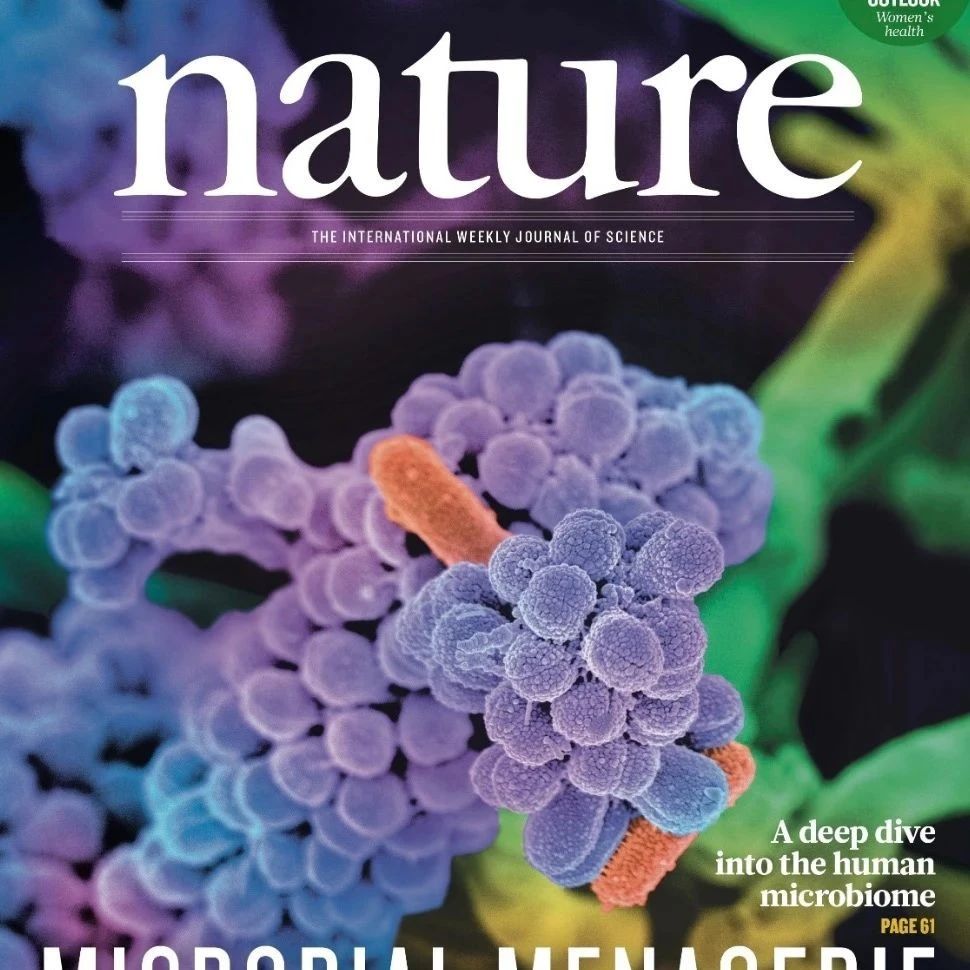
Nature头条:缺乏这种氨基酸,短短一周,体重暴降30%
生物世界· 2025-05-22 04:15
Core Insights - The article discusses a significant research finding regarding the role of cysteine deficiency in weight loss, highlighting that mice lacking cysteine lost over 30% of their body weight within a week, surpassing the effects of current leading weight loss drugs [1][2][5]. Group 1: Research Findings - The study conducted by NYU Grossman School of Medicine revealed that genetically modified mice unable to produce cysteine and fed a cysteine-deficient diet experienced a weight loss of 30.6% in one week [2][7]. - Previous studies indicated that restricting certain amino acids, including cysteine and methionine, could have health benefits such as extending lifespan and preventing metabolic diseases, but the specific contributions of each amino acid were unclear [5][11]. - The research demonstrated that the positive effects of amino acid restriction are primarily driven by cysteine limitation rather than methionine [5][11]. Group 2: Mechanisms of Weight Loss - Cysteine deficiency activates stress responses and oxidative stress, leading to the production of GDF15 and FGF21, which may explain the rapid weight loss observed [9][11]. - The study found that cysteine restriction significantly impacts weight loss and metabolism by lowering levels of glutathione and coenzyme A, which are crucial for metabolic processes [11]. Group 3: Implications for Human Health - While the findings are promising, the research team cautioned that humans may not experience the same rapid fat burning as mice due to differences in thermoregulation [13]. - A 2023 short-term human trial indicated that restricting cysteine and methionine did not have negative effects on overweight individuals and could aid in weight loss, suggesting potential translatability of animal model benefits to humans [13]. - The article suggests that a diet low in cysteine, achieved by reducing red meat intake and increasing fruits and certain vegetables, could provide similar health benefits [13].