半胱氨酸

Search documents
浙大校友一作Nature论文:饮食中的这种氨基酸,能够促进肠道修复和再生
生物世界· 2025-10-11 04:05
Core Viewpoint - The research highlights the role of dietary cysteine in enhancing intestinal stem cell function and promoting tissue repair after gut damage, particularly in patients undergoing cancer treatments like chemotherapy and radiotherapy [4][10]. Group 1: Research Findings - The study published in Nature demonstrates that dietary cysteine stimulates CD8+ T cells to secrete IL-22, which is crucial for intestinal stem cell proliferation and tissue repair [4][10]. - Cysteine enhances the biosynthesis of coenzyme A (CoA) in intestinal epithelial cells, leading to the unexpected secretion of IL-22 by CD8αβ+ T cells, thereby improving gut repair capabilities [7][10]. - The research team confirmed that CoA supplementation can replicate the effects of cysteine, while the absence of specific cysteine transport proteins blocks these effects [8]. Group 2: Clinical Implications - The findings suggest that a diet rich in cysteine could serve as a potential adjunct therapy for cancer patients experiencing gut damage due to treatments, significantly improving recovery rates from intestinal injuries [10][11]. - The study opens avenues for developing nutritional strategies and possible supplement formulations aimed at enhancing gut health and repair during cancer treatments and inflammatory bowel diseases [10][11]. Group 3: Broader Impact - Initial research indicates that cysteine may also promote regeneration in other stem cell populations and organs, suggesting a wider impact on various tissue types [11]. - The study emphasizes the need for human clinical trials to validate the translational potential of these findings, which could revolutionize approaches in oncology, gastroenterology, and regenerative medicine [11].


剔除饮食中的这种氨基酸,竟能引发惊人减重效果!
GLP1减重宝典· 2025-09-18 10:28
Core Insights - The article discusses a groundbreaking study revealing that the removal of cysteine from the diet of mice led to a dramatic weight loss of 30% within just seven days, highlighting a new direction in metabolic regulation research [5][8][12]. Group 1: Research Findings - The study published in a prestigious journal indicates that cysteine plays a crucial role in energy metabolism, with its absence triggering significant metabolic changes [6][9][12]. - Mice lacking the ability to synthesize cysteine experienced a rapid weight loss, suggesting that cysteine is a key regulatory point in energy balance [9][12][13]. - The weight loss observed was not solely due to reduced food intake, as the cysteine-deficient group lost more weight than those on a standard calorie-restricted diet, underscoring the unique role of this amino acid in metabolism [9][10]. Group 2: Mechanisms of Action - The absence of cysteine initiated a fundamental shift in metabolic patterns, leading to increased fat burning and a transformation of white adipose tissue into a brown-like state, which enhances energy expenditure [10][12][13]. - The study identified a cascade effect involving glutathione depletion and stress response activation, which effectively switched the body's metabolism to a more efficient fat-burning state [13][14]. - The findings suggest that targeting cysteine metabolism could provide new therapeutic strategies for obesity and related metabolic disorders, potentially revolutionizing treatment approaches [12][14]. Group 3: Implications for Future Research - The research opens up new avenues for developing precise metabolic interventions that focus on specific amino acid pathways rather than traditional dietary restrictions [12][13]. - The potential for cysteine-targeted therapies could extend beyond obesity to include treatment strategies for type 2 diabetes and non-alcoholic fatty liver disease, indicating a broader impact on metabolic health [14].

惊爆!一种神奇氨基酸7天激活"燃脂开关",减重30%还能抗衰老
GLP1减重宝典· 2025-09-06 03:53
Core Viewpoint - The article discusses recent breakthroughs in metabolic regulation, particularly focusing on the amino acid cysteine and its significant impact on weight loss and metabolic health [6][7][12]. Summary by Sections Metabolic Challenges - Many individuals struggle with weight management despite trying various diets, leading to frustration as they oscillate between enjoying food and controlling their weight [6]. - The body functions like a precise metabolic machine, and imbalances in nutrients can lead to obesity and accelerated aging [6]. Breakthrough Research - Recent studies have shown that the removal of cysteine can lead to significant weight loss in mice, with a reduction of 30% in just seven days, primarily from fat tissue [7][13]. - Research from Yale University corroborated these findings, revealing the mechanisms by which cysteine influences fat metabolism and aging [7][12]. Cysteine in Diet - Cysteine is a conditionally essential amino acid found in foods like chicken, eggs, and tofu, and is crucial for various metabolic processes [10][12]. Mechanisms of Action - Two primary mechanisms were identified that explain how cysteine deficiency triggers fat burning: 1. Activation of the sympathetic nervous system and adrenaline signaling, which promotes fat breakdown and the conversion of white fat to brown-like fat [14]. 2. Depletion of coenzyme A leading to metabolic reprogramming, which enhances fat oxidation even in the presence of sufficient caloric intake [15]. Anti-Inflammatory Effects - Cysteine deficiency also reduces chronic inflammation associated with aging, improving insulin sensitivity and overall metabolic health [15][17]. Reversal of Metabolic Aging - The studies indicated that cysteine regulation could reverse metabolic aging, as evidenced by improved mitochondrial function and reduced levels of aging markers in previously obese mice [17]. Conclusion - The findings suggest that cysteine plays a critical role in managing obesity and metabolic disorders, highlighting the potential for dietary interventions to recalibrate metabolic health [17].

惊爆!一种神奇氨基酸7天激活"燃脂开关",减重30%还能抗衰老
GLP1减重宝典· 2025-09-02 12:49
Core Viewpoint - The article discusses the emerging research on the amino acid cysteine and its significant role in weight management and metabolic health, suggesting that manipulating cysteine levels could provide a new approach to obesity treatment and metabolic disorders [6][7][12]. Summary by Sections Introduction to Obesity and Metabolism - Many individuals struggle with the balance between enjoying food and managing weight, often leading to frustration with traditional dieting methods [6]. - The body functions like a precise metabolic machine, converting food into energy and repair materials, and imbalances in this process can lead to obesity and accelerated aging [6]. Recent Research Breakthroughs - Recent studies have shown that the removal of cysteine can lead to significant weight loss in mice, with a reduction of 30% in just seven days, primarily from fat tissue [7][13]. - Research from Yale University corroborated these findings, revealing the mechanisms by which cysteine regulates fat metabolism and aging [7][12]. Cysteine's Role in Diet - Cysteine is a conditionally essential amino acid found in common foods like chicken, eggs, and tofu, and is crucial for various metabolic processes [10]. - The concept of "sulfur amino acid restriction" (SAAR) has gained attention, indicating that reducing cysteine and methionine intake can extend lifespan and improve metabolic health [12]. Mechanisms of Weight Loss - Two primary mechanisms were identified: activation of the sympathetic nervous system and depletion of coenzyme A, both of which promote fat burning and improve metabolic health [14][15]. - The absence of cysteine triggers the body to enter a "fat-burning mode," leading to significant fat loss without muscle loss, distinguishing it from typical starvation responses [13][14]. Implications for Aging and Inflammation - Cysteine deficiency also appears to reduce chronic inflammation associated with aging, improving insulin sensitivity and overall metabolic function [15][17]. - The research indicates that cysteine plays a critical role in reversing age-related metabolic decline, suggesting potential therapeutic avenues for obesity and metabolic disorders [17]. Conclusion - The findings highlight the potential of cysteine manipulation as a novel strategy for weight management and metabolic health, offering hope for more effective obesity treatments in the future [17].

《自然》重磅研究:不吃这一物,7天狂瘦三成!纽约医学精英破解"懒人减肥"革命性秘方
GLP1减重宝典· 2025-08-11 09:07
Core Viewpoint - The article discusses the significant role of cysteine in weight management and metabolic regulation, highlighting recent research that shows cysteine restriction can lead to substantial weight loss and metabolic reprogramming, offering new therapeutic strategies for obesity and related metabolic diseases [6][9]. Summary by Sections Essential Amino Acids and Cysteine - In 1937, William C. Rose established the nine essential amino acids (EAA) necessary for human health, with cysteine becoming essential for organisms with specific gene mutations [6]. - Cysteine is crucial for protein synthesis and is a key component in the antioxidant defense system, particularly in the synthesis of glutathione [7]. Cysteine Restriction and Weight Loss - A study published in Nature revealed that conditional cysteine restriction can lead to a weight loss of up to 30% within one week, surpassing the effects of other essential amino acid restrictions [7][9]. - This weight loss effect is reversible and not influenced by environmental temperature [9]. Mechanisms of Action - Cysteine deficiency activates integrated stress responses and oxidative stress responses, creating a positive feedback loop that enhances the expression of key metabolic regulators like GDF15 and FGF21 [9]. - The study found a significant reduction in tissue coenzyme A (CoA) levels, leading to impaired mitochondrial function and metabolic reprogramming characterized by increased anaerobic glycolysis and TCA cycle dysfunction [9]. Implications for Obesity Treatment - The findings suggest that cysteine metabolism plays a central role in energy balance, providing new insights for addressing the global obesity crisis and related metabolic diseases [9].
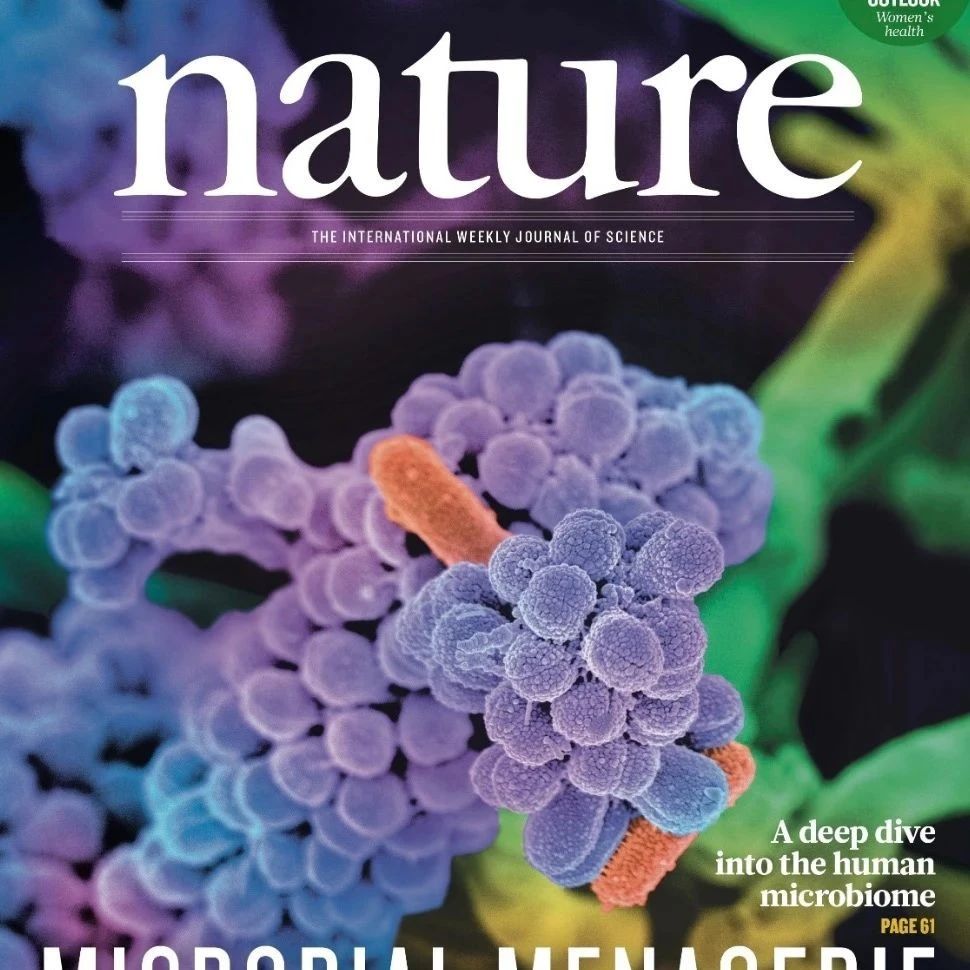
剔除饮食中的这种氨基酸,竟能引发惊人减重效果!
GLP1减重宝典· 2025-07-13 04:49
Core Viewpoint - The latest research reveals that the removal of cysteine from the diet of experimental mice leads to a dramatic weight loss of 30% within just seven days, opening new avenues for metabolic regulation research [4][6][10]. Group 1: Research Findings - The study published in the journal "Nature" indicates that cysteine plays a crucial role in energy metabolism, and its absence triggers significant metabolic reprogramming [6][9][11]. - Mice lacking the ability to synthesize cysteine experienced a drastic weight loss, suggesting that cysteine is a central regulatory point for energy balance [7][10]. - The weight loss effect observed in the cysteine-deficient group surpassed that of traditional dietary interventions, even when caloric intake was maintained [7][10]. Group 2: Mechanisms of Action - The absence of cysteine leads to a fundamental shift in metabolic patterns, including a significant reduction in the respiratory exchange ratio and an increase in fat burning efficiency [7][11]. - White adipose tissue underwent "browning," characterized by the expression of thermogenic protein UCP1, indicating a shift towards a fat-burning state [7][10]. - The activation of dual stress pathways in the liver was noted, which involves the phosphorylation of eIF2α to inhibit protein synthesis and the activation of NRF2 to regulate the antioxidant system [7][11]. Group 3: Implications for Obesity Treatment - This groundbreaking research challenges traditional weight loss theories and suggests that targeting cysteine metabolism could provide new strategies for obesity treatment [6][9][11]. - The reversible nature of weight loss through cysteine restriction offers a safe boundary for clinical applications, allowing for both short-term weight loss and prevention of metabolic disorders [11]. - The findings highlight the dynamic plasticity of amino acid metabolic networks, suggesting that effective weight management may rely on precise regulation of specific metabolic pathways rather than simple caloric restriction [11].

Nature头条:缺乏这种氨基酸,短短一周,体重暴降30%
生物世界· 2025-05-22 04:15
Core Insights - The article discusses a significant research finding regarding the role of cysteine deficiency in weight loss, highlighting that mice lacking cysteine lost over 30% of their body weight within a week, surpassing the effects of current leading weight loss drugs [1][2][5]. Group 1: Research Findings - The study conducted by NYU Grossman School of Medicine revealed that genetically modified mice unable to produce cysteine and fed a cysteine-deficient diet experienced a weight loss of 30.6% in one week [2][7]. - Previous studies indicated that restricting certain amino acids, including cysteine and methionine, could have health benefits such as extending lifespan and preventing metabolic diseases, but the specific contributions of each amino acid were unclear [5][11]. - The research demonstrated that the positive effects of amino acid restriction are primarily driven by cysteine limitation rather than methionine [5][11]. Group 2: Mechanisms of Weight Loss - Cysteine deficiency activates stress responses and oxidative stress, leading to the production of GDF15 and FGF21, which may explain the rapid weight loss observed [9][11]. - The study found that cysteine restriction significantly impacts weight loss and metabolism by lowering levels of glutathione and coenzyme A, which are crucial for metabolic processes [11]. Group 3: Implications for Human Health - While the findings are promising, the research team cautioned that humans may not experience the same rapid fat burning as mice due to differences in thermoregulation [13]. - A 2023 short-term human trial indicated that restricting cysteine and methionine did not have negative effects on overweight individuals and could aid in weight loss, suggesting potential translatability of animal model benefits to humans [13]. - The article suggests that a diet low in cysteine, achieved by reducing red meat intake and increasing fruits and certain vegetables, could provide similar health benefits [13].