
汽车供应链生态

Search documents
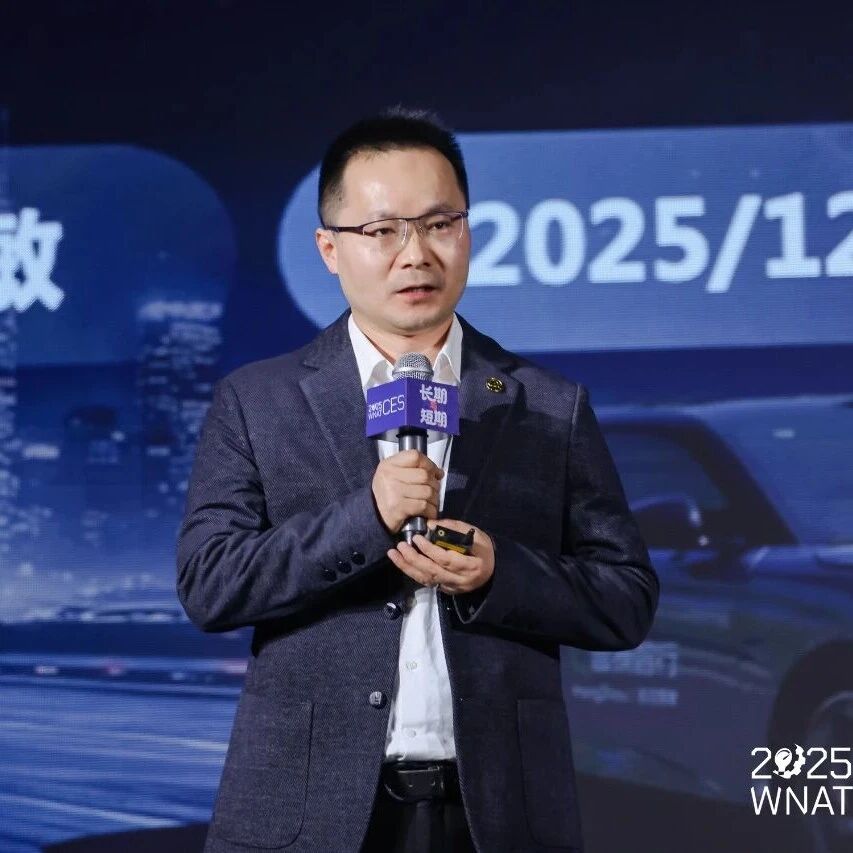
新汽车CES上,吉利供应链副总裁发出三大行业倡议
汽车商业评论· 2025-12-05 07:31
Core Viewpoint - The Chinese automotive industry is transitioning from a follower to a leader, driven by technological innovation and the restructuring of supply chains [4][12]. Industry Status and Trends - The Chinese automotive industry has developed significant advantages in industrial density, value density, and talent density, leading to rapid growth and becoming a focal point globally [10]. - The supply chain is evolving from a supporting role to a more prominent position, with an increasing proportion of global vehicles utilizing Chinese components [12]. - The industry is experiencing fierce competition, with profit margins still lagging behind the average for large enterprises, which may limit R&D investments [13]. Key Initiatives and Strategies - Three major initiatives were proposed: 1. Build a deeply collaborative industrial ecosystem while allowing for individual autonomy 2. Strengthen density and promote sustainable development 3. Collaborate internationally to enhance the global supply chain and the reputation of Chinese automotive brands [5]. - The company aims to establish a comprehensive, integrated supply chain that spans various vehicle types and components, ensuring robust support across its brands [15][16]. Supply Chain Management - The company is focusing on long-term cooperation, strategic trust, and mutual empowerment among partners, emphasizing a market-driven pricing model [19][20]. - A 5A evaluation system for suppliers has been established, focusing on quality, sustainability, and management capabilities [24]. - The logistics strategy is shifting towards an integrated model, enhancing collaboration across the supply chain [24][26]. Future Expectations - The automotive industry requires collaborative efforts for high-quality development, focusing on shared technology standards, basic research, and supply chain resilience [29]. - The company is committed to enhancing the resilience and value creation of the Chinese automotive industry while fostering a competitive environment that drives innovation [29][31].


车企承诺60天账期,但花样赖账还没结束
2 1 Shi Ji Jing Ji Bao Dao· 2025-06-17 09:41
Core Viewpoint - Multiple automotive companies have announced a unified reduction of payment terms to suppliers to within 60 days, responding to government regulations aimed at protecting small and medium-sized enterprises [1][2] Group 1: Industry Response - Over 16 automotive companies, including BYD, NIO, and Great Wall Motors, have committed to the new payment terms [1] - The government has implemented the "Regulations on Payment of Funds to Small and Medium-sized Enterprises," which prohibits large enterprises from delaying payments to smaller suppliers [1] Group 2: Challenges in Implementation - Suppliers report that the 60-day payment term starts only after invoicing, with lengthy negotiation processes prior to this, often taking two to three months [2] - The reconciliation process and invoice confirmation can take an additional two to three months, leading to significant delays in actual payment [2] - Suppliers may receive payment in the form of bank or commercial acceptance bills, which can extend the actual payment period to 180 days or more [2] Group 3: Industry Dynamics - The competitive pricing war in the automotive industry is pressuring both car manufacturers and suppliers, potentially harming consumer interests [3] - There is a call for a more respectful and cooperative relationship between leading automotive companies and their suppliers to foster a healthier supply chain ecosystem [3]

