
技术引领

Search documents
三峡能源:全面实施“技术引领、标准先行、项目落地”战略
Zheng Quan Ri Bao Wang· 2026-01-23 11:42
Group 1 - The core viewpoint of the article is that Sanxia Energy (600905) is implementing a strategy focused on "technology leadership, standard prioritization, and project implementation" to enhance its technological adaptation and application [1] Group 2 - The company is actively engaging with investors through interactive platforms to communicate its strategic initiatives [1] - The emphasis on technology and standards indicates a commitment to innovation and quality in project execution [1] - The strategic approach aims to deepen the integration of technology within the company's operations [1]

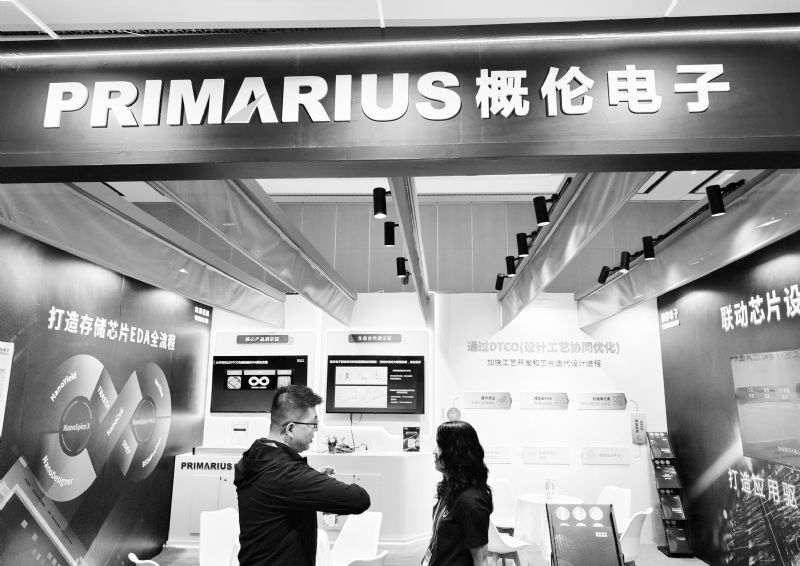
概伦电子推进21.74亿重组加速转型 上海科创集团6.92亿入股深化合作
Chang Jiang Shang Bao· 2026-01-13 23:38
Group 1 - The core point of the article is that Gaon Electronics has received a strategic investment from Shanghai Kechuang Group, acquiring 5% of the company's shares for 6.92 billion yuan, which is a significant step in strengthening its collaboration with state-owned enterprises in Shanghai [2][3][4] - The share transfer involves 21.7589 million shares from eight shareholders, with a lock-up period of 18 months, and after the transaction, the total shares held by the transferring parties will decrease to 32.9% of the total share capital [3][4] - Gaon Electronics is currently advancing a merger and acquisition plan to acquire 100% of Ruicheng Chip Micro and 45.64% of Nanneng Micro for a total consideration of 2.174 billion yuan, aiming to transform into a one-stop chip design solution platform [2][6][7] Group 2 - The EDA industry is a strategic foundation for the integrated circuit industry, and Gaon Electronics, as the first EDA listed company in China, is focusing on providing comprehensive EDA solutions [6][7] - In the first three quarters of 2025, Gaon Electronics reported a revenue of 315 million yuan, a year-on-year increase of 12.71%, and a net profit attributable to shareholders of 41.99 million yuan, up 173.46% [6][8] - The company has invested a total of 841 million yuan in R&D expenses over the past four years, indicating a strong commitment to innovation and development in the EDA sector [7]


锐科激光:公司持续深耕光纤激光器行业
Zheng Quan Ri Bao Wang· 2026-01-07 13:43
Core Viewpoint - Ruike Laser (300747) is committed to the fiber laser industry, focusing on "technology leadership + global layout" for development, and is expanding into various fields such as laser security, high-end manufacturing, laser medical applications, aerospace, laser tools, and frontier science, indicating a stable and positive trend in the overall laser industry [1] Group 1 - Ruike Laser is continuously deepening its engagement in the fiber laser industry [1] - The company is adopting a development strategy centered on technology leadership and global expansion [1] - The overall trend of the laser industry is showing stability and positive growth [1] Group 2 - Ruike Laser is expanding into multiple sectors including laser security and high-end manufacturing [1] - The company is also venturing into laser medical applications and aerospace [1] - The focus on frontier science indicates a commitment to innovation and advanced technology [1]
新汽车CES上,吉利供应链副总经理发出三大行业倡议
Xin Lang Cai Jing· 2025-12-05 11:18
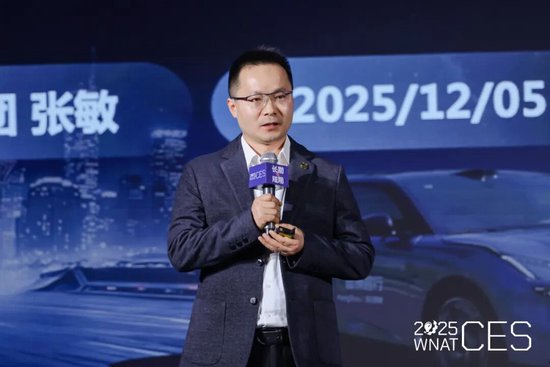
Core Viewpoint - The Chinese automotive industry is transitioning from a follower to a leader, driven by technological innovation and supply chain restructuring [3][25]. Industry Trends and Responses - The automotive industry in China has developed significant advantages in industrial density, value density, and talent density, forming a complete supply chain from raw materials to finished vehicles [6][30]. - The industry is experiencing a shift from low-cost competition to high-value creation, with features like smart cockpits and intelligent driving becoming standard in vehicles priced around 100,000 yuan [7][30]. - The rise in talent density over the past decade has supported the rapid development of numerous automotive brands in China, providing a solid foundation for industry growth [7][30]. - The supply chain's role is evolving from a supporting function to a central position in the global automotive industry, with an increasing proportion of global vehicles using Chinese components [31][30]. - The industry faces intense competition, with profit margins still lagging behind the average for large enterprises, which may limit R&D investment and sustainable development [32][30]. Strategic Initiatives - Three major initiatives were proposed: 1. Common sharing and individual autonomy to build a deeply collaborative industrial ecosystem 2. Strengthening density and enhancing health for sustainable development of the Chinese automotive industry 3. Collaborating internationally to build a global supply chain ecosystem and enhance the reputation of Chinese automotive brands [3][25][19]. - The company aims to establish a comprehensive, empowered supply chain that spans various vehicle segments and core components, ensuring robust support for its brands [33][30]. Supply Chain Construction Strategies - The company emphasizes long-term cooperation, strategic trust, and mutual empowerment in its supply chain management [37][30]. - A market-driven pricing system will be implemented to replace traditional cost-plus models, fostering a collaborative transformation among suppliers [37][30]. - A 5A evaluation system will be established to assess suppliers based on their operational management capabilities and sustainability [39][30]. - The logistics model will shift from a traditional fragmented approach to a fully integrated collaborative model, enhancing efficiency across the supply chain [39][30]. Future Expectations - The company advocates for a collaborative approach to address common challenges in technology standards, basic research, and supply chain resilience [43][30]. - It aims to enhance the resilience and value creation of the Chinese automotive industry while maintaining a competitive environment that fosters innovation and service upgrades [43][30]. - The company is committed to global collaboration in R&D, localization, and cross-border logistics to reduce dependency on single markets and enhance global resilience [43][30].

新汽车CES上,吉利供应链副总裁发出三大行业倡议
汽车商业评论· 2025-12-05 07:31
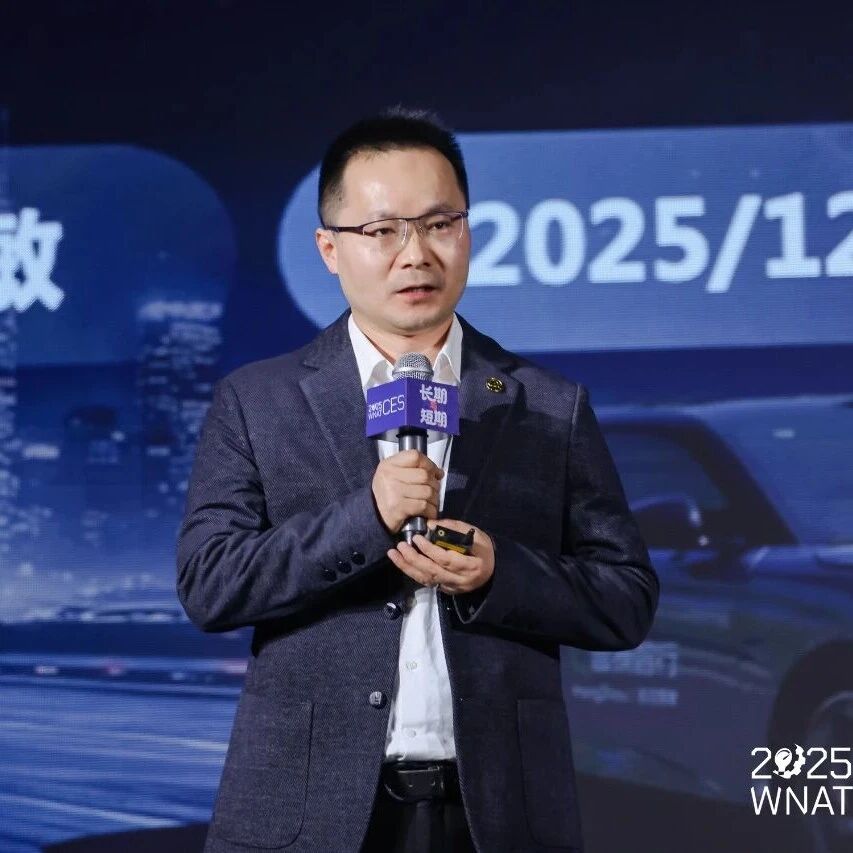
Core Viewpoint - The Chinese automotive industry is transitioning from a follower to a leader, driven by technological innovation and the restructuring of supply chains [4][12]. Industry Status and Trends - The Chinese automotive industry has developed significant advantages in industrial density, value density, and talent density, leading to rapid growth and becoming a focal point globally [10]. - The supply chain is evolving from a supporting role to a more prominent position, with an increasing proportion of global vehicles utilizing Chinese components [12]. - The industry is experiencing fierce competition, with profit margins still lagging behind the average for large enterprises, which may limit R&D investments [13]. Key Initiatives and Strategies - Three major initiatives were proposed: 1. Build a deeply collaborative industrial ecosystem while allowing for individual autonomy 2. Strengthen density and promote sustainable development 3. Collaborate internationally to enhance the global supply chain and the reputation of Chinese automotive brands [5]. - The company aims to establish a comprehensive, integrated supply chain that spans various vehicle types and components, ensuring robust support across its brands [15][16]. Supply Chain Management - The company is focusing on long-term cooperation, strategic trust, and mutual empowerment among partners, emphasizing a market-driven pricing model [19][20]. - A 5A evaluation system for suppliers has been established, focusing on quality, sustainability, and management capabilities [24]. - The logistics strategy is shifting towards an integrated model, enhancing collaboration across the supply chain [24][26]. Future Expectations - The automotive industry requires collaborative efforts for high-quality development, focusing on shared technology standards, basic research, and supply chain resilience [29]. - The company is committed to enhancing the resilience and value creation of the Chinese automotive industry while fostering a competitive environment that drives innovation [29][31].
和顺科技:公司始终对标全球新材料行业标杆日本东丽
Zheng Quan Ri Bao· 2025-12-01 09:36
Core Viewpoint - The company aims to become a technology leader in the new materials industry, benchmarking against global leaders like Toray Industries from Japan, focusing on high-end sectors in both its long-standing film business and its strategic carbon fiber initiatives [2] Group 1 - The company has announced its commitment to align with global benchmarks in the new materials industry [2] - The focus on technology as a core guiding principle is emphasized in both the film business and carbon fiber sector [2] - The company is dedicated to tackling high-end fields within the new materials industry [2]

车百会理事长张永伟:全球汽车供应链加速重构,中国角色愈发突出!
第一商用车网· 2025-11-22 13:29
Group 1 - The global automotive supply chain is undergoing profound changes, with China playing an increasingly prominent role in both vehicle manufacturing and component supply [2][3] - China's share in global battery installations is nearing 70%, maintaining a leading position for several years, and the country has transitioned from importing to exporting intelligent automotive components and solutions [3] - The concept of "含中率" (the proportion of Chinese components in global vehicles) is introduced as a critical indicator of China's growing influence in the automotive supply chain [3] Group 2 - The future competition in the automotive supply chain will focus on three key areas: power batteries, chips, and software, which are characterized by their extreme importance and uncertainty [4][5] - Despite being a strong player in the battery sector, China faces challenges from countries building localized battery supply chains, and the supply security of critical resources like lithium, cobalt, and nickel is a concern [5] - The chip industry in China is rapidly developing, but the domestic production ratio of control chips remains low, posing a significant technological bottleneck for the automotive industry [6] Group 3 - China's automotive supply chain is now facing new opportunities and challenges in global development, with a shift from primarily input-based to a more internationalized approach [7][8] - The "双工厂" (dual factory) model is emerging as an innovative strategy for companies to maintain core processes domestically while establishing automated production facilities abroad [8] - Multinational companies are shifting their strategies from "in China, for China" to "in China, for the world," facilitating the global distribution of Chinese components [8] Group 4 - The automotive supply chain is extending into new fields such as robotics, low-altitude economy, and unmanned vessels, providing new growth avenues for automotive companies [9][10] - This cross-industry extension allows automotive companies to leverage existing supply chains to support emerging intelligent industries, enhancing their competitive edge [10] Group 5 - Automotive companies need to rethink their supply chain strategies, moving from a focus on lean production and zero inventory to building secure and stable supply chain systems [11][12] - Many companies have yet to prioritize supply chain security strategically, indicating a need for increased investment in capital, human resources, and regional distribution [12] Group 6 - Component manufacturers are encouraged to adopt proactive strategies such as "fast response and near supply" and continuous technological iteration to adapt to the rapidly changing automotive landscape [13][14] - The automotive industry is experiencing shorter development cycles, necessitating quick response capabilities from component suppliers [13] Group 7 - A new structural contradiction exists in the relationship between vehicle manufacturers and component suppliers, where manufacturers struggle to find reliable new components while tech companies face barriers to entry [15][16] - Establishing a supply-demand platform to facilitate collaboration between vehicle manufacturers and technology providers is recommended to enhance matching efficiency [16] Group 8 - The development of the automotive supply chain should align with the "14th Five-Year Plan" goals of high-end, intelligent, green, and integrated development [16] - Emphasizing integration across various sectors, including cross-industry development and the fusion of hardware and software, is crucial for maintaining a competitive edge in the global market [16]
锐科激光(300747) - 300747锐科激光投资者关系管理信息20250829
2025-08-29 09:38
Financial Performance - In the first half of 2025, the company achieved revenue of CNY 166,420.25 million, a year-on-year increase of 4.85% [3] - The second quarter revenue reached CNY 94,894.87 million, showing a year-on-year growth of 20.74% and a quarter-on-quarter increase of 32.67% [3] - The net profit attributable to shareholders for the first half of 2025 was CNY 7,309.07 million, a decrease of 23.78% year-on-year, while the second quarter net profit was CNY 5,615.55 million, reflecting a year-on-year increase of 73.79% and a quarter-on-quarter growth of 231.59% [3] Product Shipment and Market Expansion - Total shipment of continuous, pulsed, and semiconductor products reached 83,750 units, a 3% increase compared to the first half of 2024 [4] - Continuous fiber laser product shipments were 48,908 units, up 30.23% year-on-year [4] - CE product shipments totaled 14,081 units, a 53% increase year-on-year, accounting for 23.3% of total revenue in the first half of 2025 [4] Market Outlook and Strategy - The company anticipates a continued recovery in demand for the second half of 2025, despite the traditional off-season in July and August [5] - The company is focusing on enhancing its overseas market operations to solidify and expand its international market share [6] - In the domestic market, efforts are being made to penetrate consumer business and deepen product layout in core application areas [6] Competitive Strategy - The company is committed to maintaining a healthy pricing system and avoiding low-level competition, focusing on "value enhancement" through technological breakthroughs and product upgrades [6] - High-end product shipments have shown significant growth, helping to solidify the company's leading position in the industry [6] Cost Control and Efficiency - The company has established a regular annual cost reduction planning mechanism, focusing on design optimization to enhance production efficiency and reduce overall costs [8] - Cost optimization efforts have positively impacted profitability, with a steady increase in gross margin observed [8] Medical and Precision Processing Business - In the laser medical field, the company is focusing on kidney stone treatment and dental applications, aiming to expand market coverage after quality system certification [9] - The precision processing segment, particularly Shanghai Guoshen, reported revenue exceeding CNY 45,390.8 million, with over 50% growth in both revenue and profit year-on-year [10] Future Development Goals - The company plans to align its core business with national strategic development, optimizing product structure and targeting high-potential market areas [11] - Future business expansion will cover various sectors including laser security, manufacturing, consumer applications, medical, and precision processing [11]
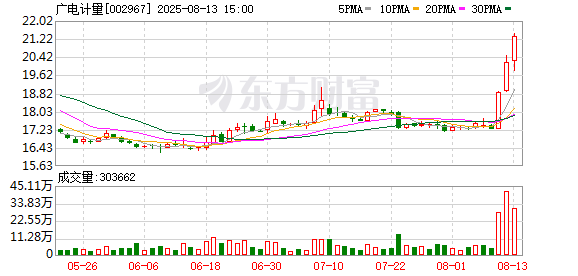
广电计量:公司通过实施技术引领策略,积极开展创新业务
Zheng Quan Ri Bao· 2025-08-13 12:13
Core Viewpoint - The company is facing price pressure in the traditional automotive testing business but is implementing a technology-driven strategy to innovate and optimize its business structure, leading to stable order growth [2] Group 1: Business Challenges - The traditional automotive testing business has experienced price decline pressures over the past two years [2] Group 2: Strategic Response - The company is actively pursuing innovation and has adopted a technology-led strategy to address the challenges in its traditional business [2] - The company is continuously promoting innovative business to replace traditional business, creating a rolling cycle mechanism for service product tiers [2] Group 3: Business Performance - The company has been expanding new testing services based on its technological capabilities, resulting in ongoing optimization of its business structure [2] - Orders for the company's services have maintained stable growth [2]
暴风眼中的哪吒汽车
Zhong Guo Qi Che Bao Wang· 2025-07-21 00:50
Core Insights - Neta Auto, once hailed as a "dark horse" in the new energy vehicle sector, is facing its biggest crisis since its inception, with its parent company, Hozon New Energy, initiating bankruptcy restructuring procedures [2][3] - The company has experienced a dramatic decline in sales, with a 63% drop in annual sales and an asset-liability ratio exceeding 85%, indicating severe financial distress [3][4] - Neta Auto's strategic missteps, particularly in transitioning from low-end to high-end markets, have led to a dual predicament of failing to establish a strong brand while losing its foothold in the low-end segment [3][4] Financial Situation - Neta Auto is in a precarious financial state, with significant debts owed to key suppliers, leading to a chain debt crisis [4][6] - The company has implemented a debt restructuring plan where 70% of supplier debts are converted into equity, reflecting a dire cash flow situation [4][6] - Production capacity is underutilized, with actual utilization below 30% of the planned 350,000 units, and the headquarters factory currently inactive [4][6] Market Dynamics - The restructuring process is a race against time, with a deadline of July 30 to secure strategic investors and resume production by Q4 2024 [6][10] - The competitive landscape in the Chinese new energy vehicle market is intensifying, with many companies struggling to survive, making it challenging for Neta Auto to attract long-term capital [6][10] - The market is evolving towards oligopoly competition, with a significant reduction in the number of viable players expected in the next three years [10][11] Technological Challenges - Neta Auto's R&D investment has been consistently below 5% of revenue, significantly lower than the industry average of 15%, resulting in technological lag [7][10] - The company faces challenges in launching competitive products by 2026, which is critical for its survival in a rapidly evolving market [7][10] Industry Implications - Neta Auto's struggles reflect broader challenges within the new energy vehicle industry, which is transitioning from a phase of rapid expansion to one focused on efficiency and resilience [9][10] - The fate of Neta Auto will serve as a litmus test for other companies in the sector, highlighting the necessity for sustainable business practices and technological advancement [10][11] - The ongoing crisis emphasizes the importance of a robust industrial ecosystem for the long-term success of the Chinese new energy vehicle market [11]
