消费品以旧换新国补政策

Search documents
“国补”新政落地,江苏家电汽车市场掀起新一轮“焕新”热潮
Xin Lang Cai Jing· 2026-01-02 15:24
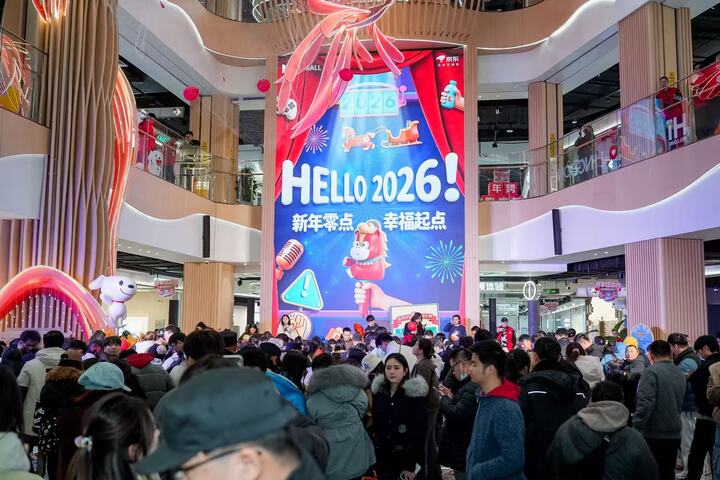
Core Viewpoint - The 2026 national subsidy policy for replacing old consumer goods has been officially implemented in Jiangsu, leading to a surge in consumer enthusiasm and market activity in home appliances, automobiles, and digital smart products [1][3]. Group 1: Policy Overview - The 2026 national subsidy policy has three major upgrades: expanded support scope, precise subsidy standards, and efficient implementation mechanisms [3]. - The support scope now includes the installation of elevators in old residential areas, equipment for elderly care institutions, firefighting facilities, and commercial consumer facilities, alongside the existing categories of automobiles and six types of home appliances [3]. - Subsidity standards have been upgraded, with automotive subsidies shifting from fixed amounts to a percentage of the vehicle price, and home appliance subsidies focusing on energy-efficient products [3]. Group 2: Market Response - The launch of the subsidy policy has resulted in a booming market for home appliances and digital products, with nearly 10,000 items included in the subsidy pool on platforms like JD.com [4]. - Retailers have adjusted their operations to accommodate the increased consumer demand, with some stores opening earlier to handle the influx of customers [4]. - Online orders have also surged, with consumers quickly receiving their purchases, demonstrating the efficiency of the subsidy implementation [5]. Group 3: Automotive Market Dynamics - The automotive market is experiencing a significant uptick in consumer activity, with many dealerships reporting high foot traffic and sales due to the new subsidy policies [5][6]. - Consumers can receive up to 20,000 yuan in subsidies for vehicle replacements, further incentivizing purchases [5]. - Dealerships are offering additional benefits, such as low-interest financing and manufacturer subsidies, to attract buyers [6]. Group 4: Consumer Experience and Feedback - The optimization of subsidy mechanisms has enhanced the consumer experience, with local registration requirements for new vehicles ensuring better service [7]. - Consumers have expressed satisfaction with the dual benefits of the subsidies, leading to increased sales and a positive outlook among retailers [7]. - Various local initiatives have been introduced to streamline the subsidy application process, making it easier for consumers to access benefits [8]. Group 5: Future Outlook - The continuous refinement of local implementation details and the expansion of participating merchants are expected to sustain the momentum in the consumer goods market [8]. - The policy is anticipated to significantly boost consumer spending and improve living standards, contributing positively to the overall economy [8].


2026年一季度“国补”额度分配各地,超出部分地方自担
Di Yi Cai Jing· 2025-12-31 06:33
Core Viewpoint - The 2026 "National Subsidy" (国补) policy for consumer goods replacement is being clarified, with the first batch of funding amounting to 62.5 billion yuan being allocated to local governments, indicating a potential decrease in total funding compared to 2025 [2][4]. Group 1: Funding Allocation - The first batch of 2026 "National Subsidy" funding is 62.5 billion yuan, which is lower than the 81 billion yuan allocated in the first batch of 2025 [4]. - The total amount of "National Subsidy" funding for 2026 is expected to be announced in March during the national congress, with a projected total of 250 billion yuan if the quarterly allocation remains consistent [4]. - The funding is primarily sourced from ultra-long-term special bonds issued by the central government, with a quarterly distribution similar to 2025 [2][3]. Group 2: Funding Structure - The funding distribution follows a 9:1 principle between central and local governments, with varying central government contribution rates across regions: 85% for the East, 90% for the Central, and 95% for the West [3]. - Local governments are required to match the central funding, with specific arrangements determined by provincial finances [3]. Group 3: Policy Changes - The 2026 "National Subsidy" policy has optimized the range and standards of subsidies, reducing the categories of traditional appliances from 12 to 6 and lowering the subsidy cap to 1,500 yuan [5]. - The subsidy for automobiles has shifted from a fixed amount to a percentage-based system, with stricter conditions for vehicle replacements [5]. - New categories such as smart glasses have been added to the subsidy list, allowing local governments more autonomy in determining specific subsidy categories and standards [6]. Group 4: Implementation and Future Directions - The policy emphasizes the efficient use of fiscal funds and aims to enhance compliance and reduce fraud in subsidy claims [6]. - Future policy optimizations may focus on service sectors, such as AI software and elderly care services, which currently receive insufficient support [7].
国家发改委回应“国补”时断时续、先涨后补等问题:发现一起、查处一起、曝光一起
Sou Hu Cai Jing· 2025-12-31 03:45
Core Viewpoint - The National Development and Reform Commission (NDRC) is addressing issues related to the implementation of the "old-for-new" subsidy policy for consumer goods, including problems such as inconsistent execution, fraudulent claims, and delays in local funding payments [1][3]. Group 1: Policy Implementation Issues - The "old-for-new" policy has revealed several areas needing adjustment, including fraudulent claims, price inflation before subsidies, and inefficiencies in fund disbursement and management [3]. - The NDRC, in collaboration with the Ministry of Commerce, has initiated a comprehensive review and rectification process to address these issues, focusing on five typical problems [3]. Group 2: Future Policy Enhancements - In 2026, the NDRC plans to improve the policy implementation mechanism through three main approaches: optimizing fund allocation, ensuring balanced fund usage, and strictly combating illegal activities [3][4]. - The fund allocation will consider previous execution and audit findings to determine the distribution scale for different regions, with increased oversight for areas with significant payment delays [3]. - The NDRC will guide local governments to manage subsidy funds more effectively, including establishing a pre-allocation system to alleviate financial pressure on businesses [3]. Group 3: Enforcement Measures - The NDRC will implement strict measures to combat illegal activities, including rigorous fund audits, price management, and enhanced regulatory enforcement [4]. - A multi-department data-sharing channel will be established to accurately identify various illegal activities, and businesses must comply with price registration and public disclosure requirements [4]. - Special operations will be conducted to address fraudulent claims and price manipulation, with a commitment to legal accountability for violations [4].
多地“国补”暂停?回应来了
Sou Hu Cai Jing· 2025-06-14 02:39
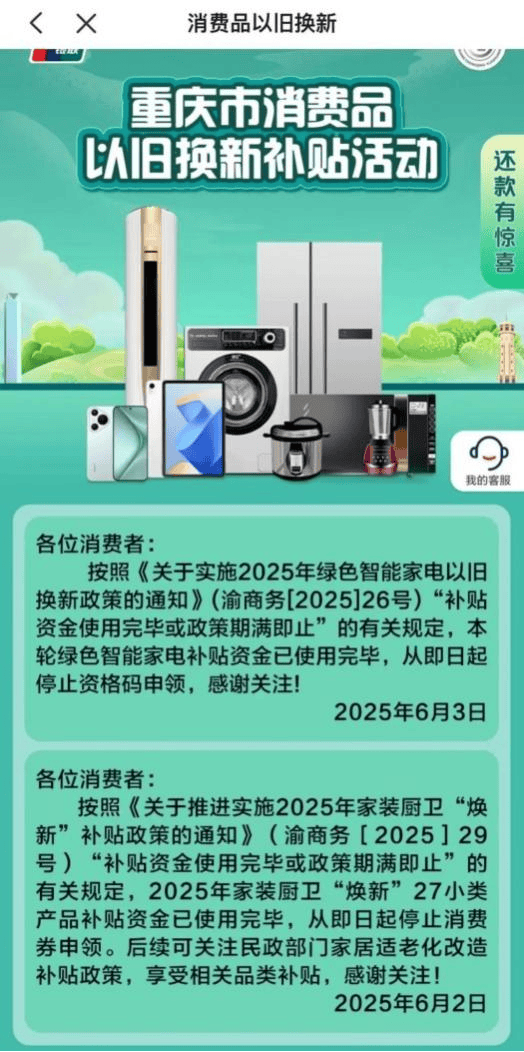
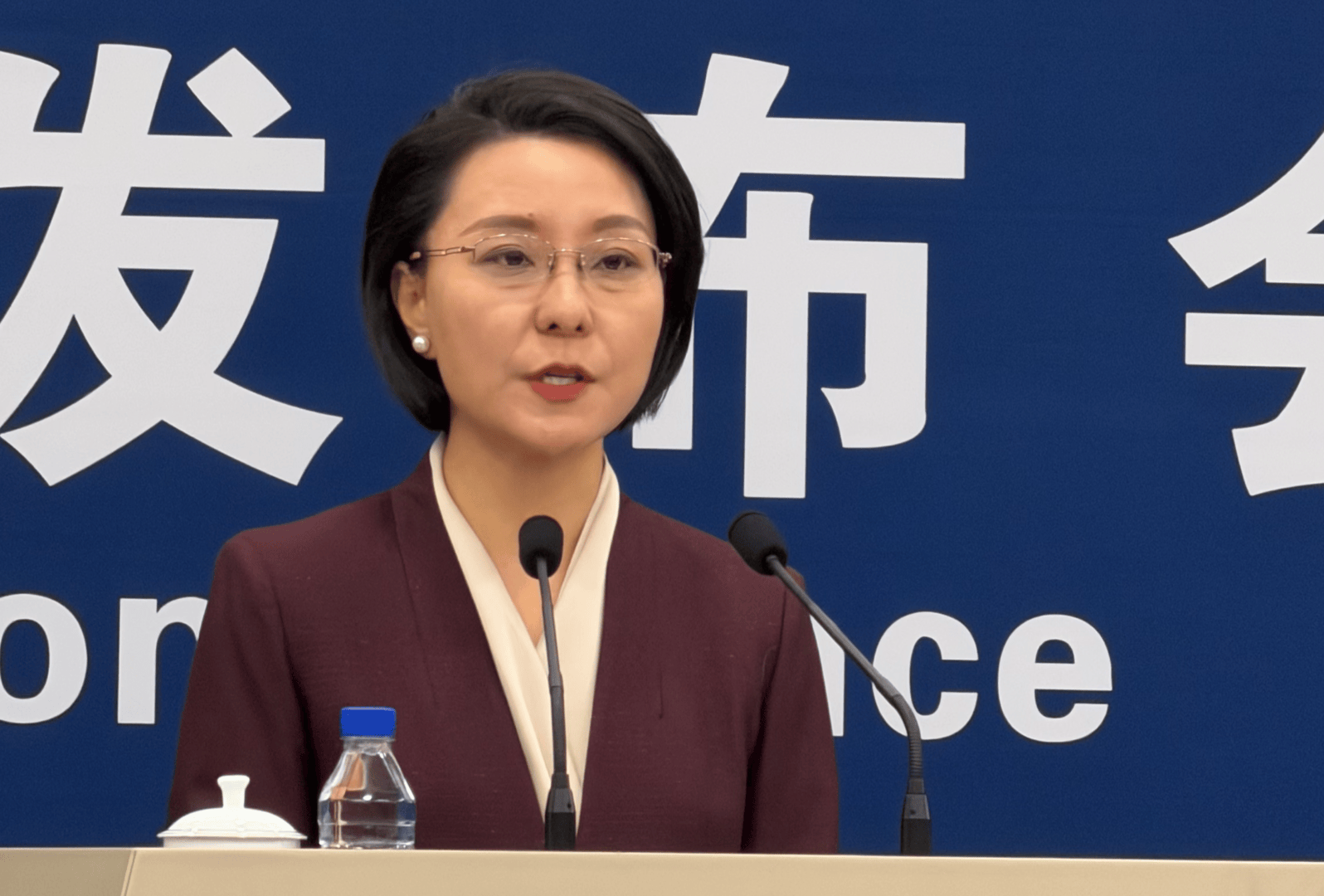
Core Viewpoint - The recent suspension of national subsidies for consumer goods exchange programs in multiple regions has raised concerns about the future of these initiatives [1][2]. Group 1: Suspension of Subsidies - In June, reports emerged that the subsidy funds for 27 categories of green smart home appliances and home renovation in Chongqing had been exhausted, leading to the cessation of voucher applications starting June 2 and June 3 respectively [3][5]. - The Chongqing Municipal Commerce Commission confirmed the suspension of the "old for new" subsidy due to the depletion of funds, with similar announcements made by the Xinjiang Uygur Autonomous Region regarding the imminent exhaustion of subsidy funds for various consumer goods [6]. Group 2: Market Reactions and Future Plans - The sudden news of subsidy suspensions has led to market speculation and anxiety, with concerns about whether the subsidies would be permanently halted. However, industry experts indicate that this is a temporary situation due to funding gaps, with new rounds of funding being prepared [8][9]. - Various local governments have responded by indicating that the subsidy programs are merely paused for quantity control rather than being completely terminated. For instance, the Chongqing Municipal Commerce Commission is preparing a second round of subsidy policies expected to be announced in early June [8][9]. Group 3: Impact and Future Funding - The "old for new" subsidy program has shown significant results since its inception, with data from the Ministry of Commerce indicating that as of May 31, 2025, the program has generated sales of 1.1 trillion yuan and issued approximately 175 million direct consumer subsidies [11]. - The National Development and Reform Commission has announced plans to accelerate the disbursement of funds and complete the financial settlement for 2024, with a total of 300 billion yuan allocated to support the "old for new" initiatives, doubling the amount from the previous year [11].