消费市场扩容提质

Search documents
“十五五”规划开局之年,消费如何再出发?
Sou Hu Cai Jing· 2026-01-29 11:41
Core Viewpoint - In 2025, China's total retail sales of consumer goods are expected to exceed 50 trillion yuan, with consumption contributing 52% to economic growth [1] Group 1: Consumption Market Potential - Experts believe that the current consumption market in China holds significant potential, with emerging consumption sectors continuously emerging [3] - There is a notable lack of service consumption, indicating a large area for potential growth [5] - The interaction between the market and manufacturers is leading to the discovery of new consumer demands [5] Group 2: Lifestyle and Brand Development - People's lifestyles and hobbies are diversifying, creating opportunities for new brands and small entrepreneurs to emerge [7] - Entrepreneurs are contributing to the development of a unique aesthetic that resonates with Chinese consumers [7]

消费市场扩容提质
Jing Ji Ri Bao· 2026-01-19 22:21
Group 1 - The total retail sales of consumer goods in 2025 exceeded 50 trillion, reaching 50,120.2 billion, with a year-on-year growth of 3.7%, accelerating by 0.2 percentage points compared to the previous year [1] - Retail sales of services grew by 5.5% year-on-year, with an acceleration of 0.3 percentage points compared to the first three quarters, outpacing the growth rate of goods retail sales by 1.7 percentage points [1] - The sales of upgraded products showed significant acceleration, with retail sales of sports and entertainment goods increasing by 15.7%, and jewelry and cosmetics retail sales growing by 12.8% and 5.1% respectively [2] Group 2 - The online retail sales increased by 8.6% year-on-year, with a growth acceleration of 1.4 percentage points compared to the previous year, contributing to a 1.3% increase in total retail sales of consumer goods [3] - Physical retail stores also maintained growth, with retail sales of physical goods in retail enterprises above designated size increasing by 1.7% year-on-year [3] - The implementation of policies promoting the replacement of old products with new ones significantly benefited retail sales, particularly in communication equipment and cultural office supplies, which grew by 20.9% and 17.3% respectively [1]
“蜀里安逸”品牌彰显天府之国活力——四川"十四五"消费市场纪实
Sou Hu Cai Jing· 2025-11-27 13:28
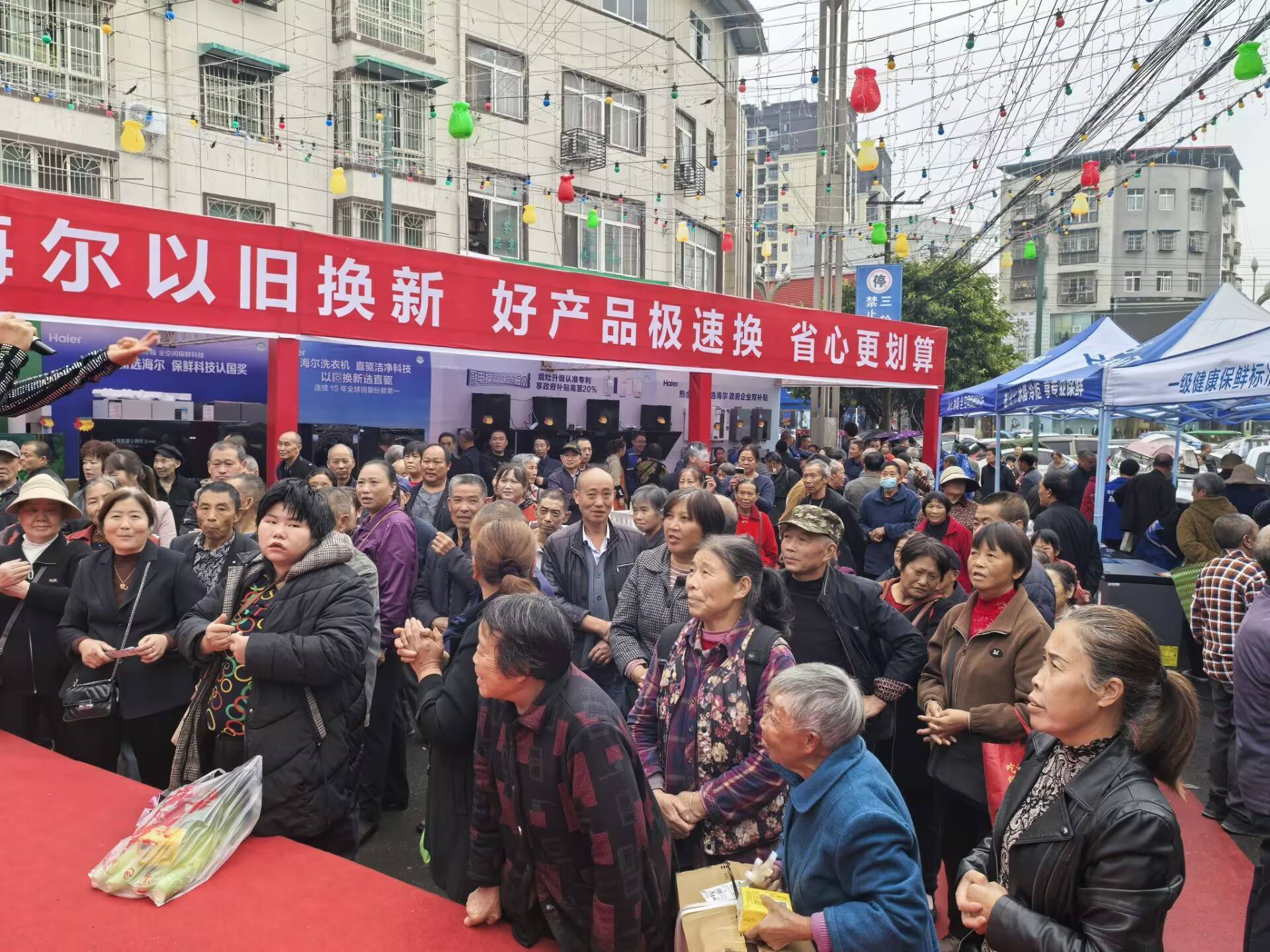
Core Insights - Consumption is a key driver of economic growth and reflects the needs of people's quality of life. During the "14th Five-Year Plan" period, Sichuan has focused on building the "Shu Li An Yi" brand, achieving an average annual consumption growth of 7.4%, surpassing the national average by 2 percentage points, and ranking fifth in the country in total consumption [1] Policy Precision - The "old-for-new" program is crucial for activating the stock market and stimulating incremental demand. Sichuan has established a "home appliance old-for-new information system" and an "automobile replacement service platform," leading to a total of 13.19 million units replaced since 2025, generating over 132.7 billion yuan in consumption [2] Service Consumption Expansion - In 2024, the share of dining revenue in total retail sales reached 14%, exceeding the national average by 2.4 percentage points. Sichuan has introduced the "Sichuan Cuisine Promotion Regulation" to stabilize the dining industry and has established a global Sichuan cuisine promotion center [5][6] Digital Transformation - Digital transformation has injected new momentum into consumption, with online retail sales growing at an average annual rate of 10.6% and live e-commerce sales exceeding 15%. Sichuan has implemented the "Jiao Shang You Gong" model, enhancing the flow of agricultural products to urban areas and industrial goods to rural households [12][14] Housing Consumption Optimization - During the "14th Five-Year Plan," Sichuan sold 420 million square meters of commercial housing, with a total of 398.3 billion yuan withdrawn from housing provident funds to support housing consumption. The province has also established a multi-tiered system for affordable housing, building 367,000 units of guaranteed housing [15][16]