新型消费

Search documents
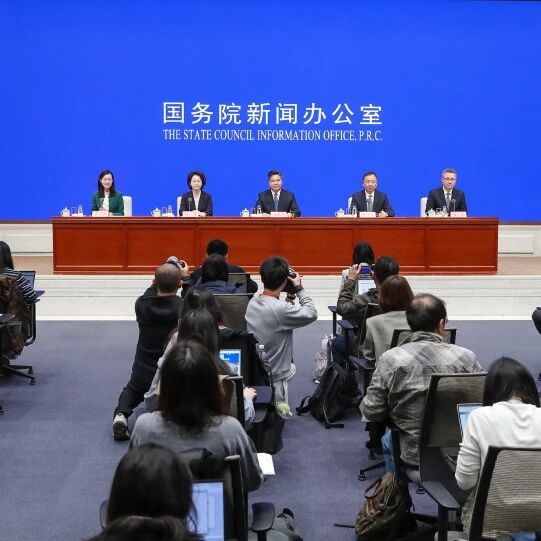
海南封关后“首秀”,今年消博会有哪些新看点
第一财经· 2026-03-30 06:58
Core Viewpoint - The 6th China International Consumer Products Expo will be held from April 13 to 18 in Hainan, marking a significant event for China's consumption upgrade and the Hainan Free Trade Port's development [3][5]. Group 1: Expo Highlights - The expo will feature over 3,400 brands from more than 60 countries and regions, with international exhibits accounting for 65%, an increase of 20 percentage points from last year [3][4]. - Key highlights include a focus on global consumption trends, premium product offerings, and the launch of new products, establishing the expo as a platform for global consumer trends [4][5]. Group 2: Focus Areas - The expo will emphasize new consumption trends such as green, health, digital, and smart technologies, showcasing products like smart connected vehicles and AI glasses [4]. - A special section for domestic brands will be created, featuring traditional Chinese products like ceramics and silk, as well as showcasing the heritage of time-honored brands [4]. Group 3: Hainan Free Trade Port - The expo serves as a window for the release of favorable policies following the official launch of the Hainan Free Trade Port, aiming to create a multi-layered duty-free consumption system [5]. - The new system will include duty-free shopping for daily consumer goods and imported medical devices, transitioning duty-free consumption from specific scenarios to everyday use [5].

前两月消费增速大幅回升,国家统计局预判后期走势
第一财经· 2026-03-17 03:07
Core Viewpoint - The article highlights the significant recovery in consumer spending in China during the first two months of 2023, driven by government policies and the extended Spring Festival holiday, indicating a positive trend in both service and goods consumption [3][5]. Group 1: Consumer Spending Data - In January-February 2023, the total retail sales of consumer goods reached 86,079 billion yuan, a year-on-year increase of 2.8%, accelerating by 1.9 percentage points compared to December 2022 [3]. - Service retail sales grew by 5.6% year-on-year, slightly up from the previous year's overall growth [3]. - Domestic travel during the Spring Festival saw nearly 600 million trips, with total spending exceeding 800 billion yuan, both setting historical records [3]. Group 2: Goods Consumption Trends - Retail sales of staple food and clothing categories increased by 10.2% and 10.4% respectively in the first two months [5]. - The demand for high-quality and green food products is driving the growth in basic living goods, with gold and jewelry retail sales rising by 13% [5]. - The "old-for-new" consumption policy continues to show effects, with retail sales of communication equipment growing by 17.8% [5]. Group 3: Online Consumption Growth - Online retail sales of goods and services increased by 9.2%, outpacing the overall retail sales growth [5]. - Online goods retail sales grew by 10.3%, indicating a strong influence on overall consumption [5]. - Online service retail sales rose by 7.3%, also exceeding the growth rate of total service retail sales [5]. Group 4: Future Consumption Outlook - Analysts predict that the upgrading of consumer structure and the emergence of new consumption drivers will continue to influence consumption growth positively [6]. - Government policies aimed at stimulating consumption are expected to further support this growth trajectory [6]. - The focus on enhancing domestic market strength and consumer spending is emphasized in government reports, aiming to address the imbalance between supply and demand [7].
前两个月主要经济指标明显回升!国家统计局,最新发布
证券时报· 2026-03-16 07:48
Economic Overview - The National Bureau of Statistics reported a significant recovery in major economic indicators for January and February, indicating a strong start to the year [1][2] - Fixed asset investment (excluding rural households) reached 52,721 billion yuan, showing a year-on-year increase of 1.8%, reversing a decline of 3.8% from the previous year [3] Investment Trends - Infrastructure investment grew by 11.4% year-on-year, while manufacturing investment increased by 3.1%. However, real estate development investment saw a decline of 11.1% [4] - The acceleration in large project construction is evident, with investments in projects with planned total investments of 100 million yuan or more increasing by 5% year-on-year [4] - High-tech industry investment rose by 5.1%, with aerospace and information services growing by 20.2% and 16.5%, respectively [4] Consumer Market Dynamics - Social retail sales increased by 2.8% year-on-year, with service retail sales growing by 5.6%, indicating a shift towards service consumption [7] - Online retail sales of goods and services grew by 9.2%, outpacing the overall retail sales growth, with online goods retail increasing by 10.3% [9][10] - The online short drama market has seen a significant surge, with transaction volumes increasing by over 30% in the first two months [11] Industrial Growth - The industrial added value for large-scale enterprises increased by 6.3% year-on-year, with 75.6% of monitored industries showing a recovery in growth rates [13] - Equipment manufacturing has become a crucial driver of industrial growth, with added value in this sector rising by 9.3%, accounting for 33.5% of total industrial output [13][14] - Emerging industries are also growing rapidly, with high-tech manufacturing added value increasing by 13.1%, and smart vehicle and drone manufacturing seeing substantial growth [14]

商社行业周报(2026.3.9-2026.3.15):政策支持新型消费和现代服务业,继续看好旅游出行
GUOTAI HAITONG SECURITIES· 2026-03-16 02:45
Investment Rating - The report rates the industry as "Overweight" [1] Core Insights - The report emphasizes the importance of policy support for new consumption and modern service industries, particularly highlighting the positive outlook for travel and tourism [3][6] - It identifies significant investment opportunities in the tourism sector, recommending specific companies such as Huazhu Group, ShouLai Hotel, and JinJiang Hotels, as well as scenic spots like Jiuhua Tourism and Huangshan Tourism [6][7] - The competitive landscape is noted to have improved significantly, with companies like Caibai Co., Action Education, and China Duty Free Group showing strong performance [6][7] - Recent earnings reports are expected to exceed market expectations, particularly for companies like Laopu Gold and Pop Mart [6] - Individual stock opportunities include Jiangsu Guotai, SuMeida, and HaiDiLao, among others [6][7] Industry Updates - The report highlights that during the Spring Festival travel period from February 2 to March 13, 2026, air travel reached nearly 95 million passengers, marking a historical high with a daily average of 2.36 million, a year-on-year increase of 4.7% [6] - The China Household Appliances and Consumer Electronics Expo showcased innovative products, such as Anker Innovations' first consumer-grade 3D texture UV printer [6] - Notable sales growth was reported by companies like Bubu Gao, with a 24% year-on-year increase in sales for its "Fat Transformation" stores [6] Company Performance Predictions - The report provides profit forecasts for key companies in the social service retail sector, indicating strong growth potential for firms like Chow Tai Fook and Lao Feng Xiang [7][9] - Specific financial metrics include projected revenues and net profits for various companies, with significant year-on-year growth anticipated for Laopu Gold and others [7][9]





创业板IPO“第四套标准”落地在即,新消费回流A股悬念拉满
财联社· 2026-03-14 07:00
Core Viewpoint - The proposed "fourth set of standards" for the ChiNext board aims to support new consumption and modern service industries, potentially allowing previously Hong Kong-listed companies to return to the ChiNext board, enhancing market dynamics and investment opportunities [1][5]. Summary by Sections Current Standards and Proposed Changes - The ChiNext board currently has three differentiated listing standards focused on profitability and revenue, which may not adequately support new consumption and modern service sectors [3]. - The new standard is expected to introduce a more inclusive framework, emphasizing non-financial indicators and operational cash flow rather than solely relying on net profit [4][5]. Anticipated Features of the Fourth Set of Standards - The new standards may incorporate a combination of expected market capitalization, revenue, and cash flow, focusing on operational cash flow rather than just net profit [4]. - Non-financial metrics such as digital capabilities, innovative business models, and brand barriers may be included to differentiate from traditional industries [4]. - The thresholds for market capitalization and revenue may be adjusted to better accommodate new consumption and modern service enterprises [4]. Market Implications and Predictions - The introduction of the fourth set of standards is expected to expand the ChiNext board's coverage to include a broader range of new productive forces, benefiting sectors like new tea drinks, smart toys, and community retail [5][6]. - The reform is anticipated to enhance liquidity and valuation in the consumption sector, aligning with the growing demand for service and new consumption industries [7]. - As many consumption companies have recently opted for Hong Kong listings, the new standards may encourage a return to the ChiNext board, particularly for those with innovative and modern characteristics [8][9].

新型消费企业A股IPO将“开闸”!VC/PE开始连夜梳理项目
证券时报· 2026-03-13 13:54
Core Viewpoint - The China Securities Regulatory Commission (CSRC) has announced plans to introduce more precise and inclusive listing standards for the ChiNext board, aiming to support high-quality innovative enterprises in new consumption and modern services sectors, signaling a significant policy shift for the long-suffering consumption investment sector [1][3]. Group 1: Market Reaction and Institutional Response - Investment institutions are quickly reassessing their projects in light of the CSRC's announcement, with many actively communicating with portfolio companies about their listing plans and expectations [3][4]. - Brokerages are also engaging with consumption investors to explore new listing pathways and assess whether companies meet the new ChiNext listing standards [3][4]. - The announcement has revitalized the primary market, with investors feeling optimistic about the renewed focus on consumption as a core component of China's economic development [3][4]. Group 2: Definition and Expectations of New Consumption Enterprises - There is uncertainty regarding the definition of "new consumption enterprises," with industry experts emphasizing that it should not be a broad concept but rather aligned with the ChiNext's core positioning of "three innovations and four new" [4]. - The market is particularly interested in whether well-known brands that have already listed in Hong Kong, such as Miniso and Pop Mart, will be able to list on A-shares [4][6]. - A common expectation among industry players is the urgent need for clear definitions and standards for new consumption to guide investment directions [4][6]. Group 3: Historical Context and Current Challenges - Historically, consumption investment was a hot sector, but since 2021, the path to capitalizing consumption enterprises in the domestic market has become increasingly unclear, with A-share IPO channels tightening [6][8]. - Many consumption enterprises have turned to Hong Kong for IPOs, but this has led to issues such as liquidity shortages and significant valuation discounts, impacting investor returns [6][8]. - The lack of exit opportunities in A-shares has forced many investment institutions to pivot away from consumption investments, with some even disbanding their consumption investment teams [6][8]. Group 4: Future Trends in Consumption Investment - The introduction of new listing standards for new consumption enterprises is expected to impact the overall ecosystem and development logic of consumption investment, potentially leading to valuation linkages between A-shares and Hong Kong stocks [10][11]. - Future consumption investment is likely to focus on three main areas: hard-tech-enabled consumption, green and health-oriented consumption, and high-value cultural/experiential consumption [11]. - There is an expectation that A-shares and Hong Kong stocks will gradually differentiate, with brands focused on globalization and overseas markets being more suited for Hong Kong listings, while tech-driven projects may achieve higher valuations in A-shares [11].

商社美护行业周报:政府工作报告加码促内需,证监会支持新型消费、现代服务业企业创业板上市
Guoyuan Securities· 2026-03-10 07:25
Investment Rating - The industry maintains a "Recommended" rating, focusing on service consumption, beauty care, IP derivatives, and gold jewelry as new consumption sectors [6][27]. Core Insights - The government work report emphasizes expanding domestic demand as a primary task, with measures including a special long-term bond of 250 billion yuan to support consumer goods and a 100 billion yuan fund to promote domestic demand [3][25]. - The report highlights the importance of enhancing service consumption and creating new consumption scenarios to stimulate market activity [3][25]. - The beauty care sector shows promising growth, with companies like Shangmei Co. expected to achieve revenue of 9.1-9.2 billion yuan in 2025, reflecting a year-on-year growth of 34.0%-35.4% [4][25]. Summary by Sections Market Performance - For the week of March 2-6, 2026, the retail trade, social services, and beauty care sectors experienced declines of 3.91%, 3.63%, and 3.04%, respectively, ranking 25th, 23rd, and 21st among 31 primary industries [2][16]. Key Industry Events and Information - The government continues to prioritize expanding domestic demand, with specific initiatives to support consumption upgrades and enhance service consumption [3][25]. - The Ministry of Commerce announced plans to implement policies to boost consumption and expand domestic demand, including a new version of the tax refund policy for outbound tourists [3][25]. - The beauty care sector's top brands on Douyin in February 2026 included Han Shu, Gu Yu, L'Oreal, and others, indicating strong market competition [4][25]. Investment Recommendations - The report suggests focusing on service consumption and new consumption sectors such as beauty care, IP derivatives, and gold jewelry, with specific companies highlighted for investment [6][27].
消费投资人要上岸了
投资界· 2026-03-09 08:23
Core Viewpoint - The article highlights the renewed optimism among consumer investors due to the introduction of new listing standards on the ChiNext board, which will support innovative consumer companies and modern service industries, marking a shift from a focus solely on "hard technology" to a more inclusive approach that recognizes diverse business models and growth potential [2][3][5]. Group 1: Changes in Listing Standards - The China Securities Regulatory Commission (CSRC) announced plans to implement more precise and inclusive listing standards on the ChiNext board, aimed at supporting high-quality innovative consumer enterprises [2][3]. - This change is expected to open the door for consumer companies that may not have cutting-edge technology but possess innovative capabilities in business models, brand building, supply chain management, and digital operations [3][5]. Group 2: Impact on Consumer Investment Landscape - The new listing standards are seen as a timely relief for consumer investors who have faced challenges in exiting investments due to a lack of IPO opportunities in the A-share market [5][7]. - Many consumer projects that previously sought IPOs in Hong Kong due to the A-share market's restrictions may now reconsider their strategies, potentially leading to a resurgence in consumer investment [7][9]. Group 3: Market Sentiment and Future Prospects - The investment community is actively reassessing their project portfolios, with a focus on previously deemed "A-share hopeless" consumer brands, as they prepare for the new listing opportunities [9][10]. - There is a growing sentiment that the consumer investment sector is entering a healthier phase, supported by China's large population, diverse culture, and strong supply chain advantages, which are conducive to nurturing consumer brands [10][11].

支持新型消费、现代服务业创业板IPO
HUAXI Securities· 2026-03-09 06:08
Investment Rating - The industry rating is "Recommended" [5] Core Insights - The 2026 government work report emphasizes expanding domestic demand and boosting consumption, with specific actions to increase income for low-income groups and promote consumption upgrades [1] - The China Securities Regulatory Commission plans to introduce more inclusive listing standards for the ChiNext board to support innovative enterprises in new consumption and modern services [2] - The report suggests focusing on high-growth sectors and service industry recovery driven by policy and technology, including areas like duty-free shopping, senior tourism, and childcare consumption [3] Summary by Sections Investment Recommendations - Attention should be given to sectors with high growth potential and policy support, including: 1. Service consumption driven by new policy demands, benefiting companies like China Duty Free, Huazhu Hotels, and Haidilao [3] 2. New consumption trends maintaining demand, with leading companies at relatively low valuations, including Pop Mart and Miniso [3] 3. Retail innovation and international expansion creating new growth opportunities, with beneficiaries like Small Commodity City and Saiwei Times [3] 4. AI applications expected to flourish in 2026, benefiting companies like Focus Technology and Miaow Exhibition [3] Industry and Company Dynamics - The consumer service index and retail index underperformed compared to the CSI 300 index, with significant declines in various sectors [11] - Key industry financing events include "Huixiang Group" completing a 30 million yuan angel round and "Qicai Psychological Education" securing several million yuan for AI-assisted family psychology services [22][18] - Notable company announcements include: - Tehai International expects revenue of at least 840 million USD in 2025, with profit growth attributed to exchange gains [23] - Xiabuxiabu anticipates a revenue drop of about 20% in 2025 but expects a reduction in net losses due to operational optimizations [24] - Lao Fengxiang reported a revenue decline of 6.99% in 2025, primarily due to weak consumer demand and rising gold prices [24] Macro and Industry Data - In December, retail sales growth slowed, with total retail sales increasing by 0.9% year-on-year, and service retail showing faster growth [27][28] - The gold consumption in Q4 2025 reached 267.37 tons, with a year-on-year increase of 9.77%, indicating a shift in consumer preferences towards investment gold [43][45]
商贸零售行业跟踪周报:两会聚焦提振消费,关注服务消费和新型消费受益方向-20260309
Soochow Securities· 2026-03-09 01:29
Investment Rating - The report maintains an "Overweight" rating for the retail industry [1] Core Insights - The government work report emphasizes the construction of a strong domestic market as a primary task for 2026, proposing various measures to boost consumption, including a 250 billion yuan special bond to support the replacement of consumer goods and a 100 billion yuan fund to promote domestic demand [3][8] - The report highlights the need to optimize service consumption supply and release demand through financial tools, investment in new consumption scenarios, and the removal of unreasonable restrictions in the consumption sector [3][9] - There is a strong focus on supporting new consumption and modern service industries through reforms in the ChiNext board, which may accelerate the asset securitization of key consumption companies and attract new capital [3][9] Summary by Sections Industry Outlook - The report outlines the government's commitment to enhancing consumption through various initiatives, including increasing urban and rural residents' income, expanding personal consumption loans, and promoting service consumption [3][8] - It also mentions the development of event economies and outdoor sports to stimulate consumption and the potential reform of consumption tax to enhance price advantages for tax-exempt channels [3][8] Market Review - For the week of March 2 to March 6, the retail index decreased by 3.91%, while the overall market indices also showed declines, with the Shanghai Composite Index down by 0.93% [10] - Year-to-date performance shows the retail index down by 6.82%, contrasting with positive performances in other sectors like social services and the Shenzhen Composite Index [10][14] Company Valuation Table - The report includes a detailed valuation table for various companies in the retail sector, indicating their market capitalization, closing prices, and projected earnings for 2024 to 2026, along with investment ratings such as "Buy" and "Hold" [17][19] - Notable companies include Pop Mart with a market cap of 2,455 million yuan and a "Buy" rating, and Miniso with a market cap of 372 million yuan also rated as "Buy" [17][19]