消费者导向

Search documents
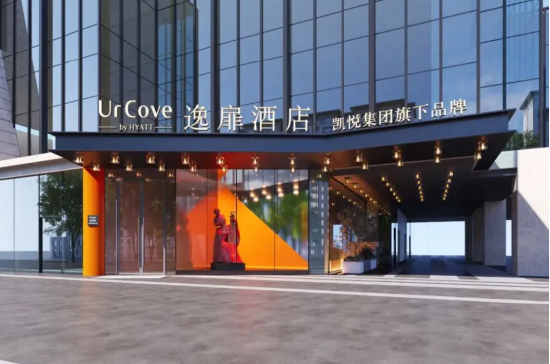
“收钱祸害客人!”罗永浩炮轰凯悦逸扉酒店,CEO孙武的“消费者导向”被员工打脸?
新浪财经· 2025-12-13 07:39
Core Viewpoint - The incident involving Luo Yonghao criticizing Hyatt's "Eiffel Hotel" highlights significant management and service issues within the hotel, particularly regarding customer experience and operational transparency [2][4][11]. Group 1: Incident Overview - Luo Yonghao's criticism was sparked by a blogger's complaint about staying at the Hyatt's Eiffel Hotel in Shanghai, where they paid over 1300 yuan per night but faced issues like noise and air conditioning problems that disrupted their sleep [2][7]. - The hotel staff acknowledged that senior management is involved in addressing the situation, but specific updates were not provided [2][9]. - Consumer feedback in the hotel's comment section revealed ongoing issues with noise, hygiene, and service quality, indicating a pattern of dissatisfaction among guests [2][10]. Group 2: Management and Service Issues - The CEO of Hyatt's China division previously emphasized a "consumer-oriented" approach, which now appears contradicted by the current service failures reported by guests [3][11]. - The hotel has been criticized for knowingly selling rooms with unresolved issues, which some guests view as deceptive practices [7][9]. - Feedback from various consumers included complaints about misleading room descriptions, poor management, and inadequate responses to reported problems, suggesting systemic issues within the hotel's operations [10][13]. Group 3: Brand and Operational Challenges - The Eiffel Hotel, a joint venture between Hyatt and Shoulu Rujia, was positioned as a mid-to-high-end business hotel, but consumer experiences indicate it has not met these standards [13]. - Previous management issues, such as a failure to synchronize booking data with Hyatt's membership system, have led to operational inefficiencies and reputational damage for the brand [13][14]. - The hotel's unique management culture, which encourages a relaxed and informal service style, has resulted in significant service gaps and customer dissatisfaction [15].


“收钱祸害客人!” 罗永浩炮轰凯悦逸扉酒店,CEO孙武的“消费者导向”被员工打脸?
Xin Lang Cai Jing· 2025-12-13 07:26
Core Viewpoint - The controversy surrounding Hyatt's "Eiffel Hotel" in Shanghai highlights significant management and service issues, as evidenced by customer complaints about noise, cleanliness, and inadequate responses from hotel management [2][4][5][6][7][8]. Group 1: Incident Overview - A blogger reported issues during their stay at the Hyatt Eiffel Hotel, paying over 1300 yuan per night, including problems with noise, air conditioning, and plumbing [4][16]. - The hotel has been accused of knowingly renting out rooms with these issues without informing customers, which raises ethical concerns about consumer deception [4][16]. - The hotel management has acknowledged the situation, stating that higher management is involved, but has not provided specific updates on the resolution [5][18]. Group 2: Consumer Feedback - Numerous consumers have echoed similar complaints regarding noise and cleanliness, with some giving very low ratings due to unresolved issues [6][20]. - Specific complaints include excessive noise from the kitchen, misleading room descriptions, and overall poor management practices [20][21]. - The hotel has faced criticism for not addressing these issues adequately, leading to allegations of fraud due to misleading advertising [20][21]. Group 3: Management and Corporate Culture - Hyatt's "Eiffel Hotel" was positioned as a high-end business travel brand, but customer feedback suggests it has failed to meet these standards [7][21]. - The CEO of Hyatt's China division previously emphasized a "consumer-oriented" approach, which appears to be contradicted by the current service failures [7][15][22]. - The hotel's management culture encourages a relaxed atmosphere among staff, which may contribute to the observed service deficiencies [9][23].
将消费叙事还给普通人,拼多多用了10年
虎嗅APP· 2025-10-16 10:31
Core Viewpoint - The article emphasizes that Pinduoduo has redefined the narrative of consumption in China by focusing on the "silent majority," including small-town youth and the elderly, rather than just affluent urban consumers [2][4][9]. Group 1: Consumption Upgrade and Inclusivity - Pinduoduo challenges the traditional notion that consumption upgrade is only for the wealthy, instead highlighting that it can also mean affordable and valuable products for a broader audience [4][7]. - The platform's initiatives, such as "group buying" and "billion subsidies," have made previously inaccessible products available to everyday consumers [5][12]. - Recent consumption data shows that lower-tier cities have experienced significant growth in spending, indicating a shift in consumption power from urban centers to previously marginalized areas [7][8]. Group 2: Business Model and Merchant Empowerment - Pinduoduo has grown its merchant base from 1 million to over 10 million, providing low-entry barriers for small businesses to access the market [12]. - The platform's focus on understanding consumer needs rather than merely pushing products has led to a more effective marketplace [13][14]. - Pinduoduo's approach fosters a symbiotic relationship between consumers and merchants, driving innovation and responsiveness in the supply chain [12][19]. Group 3: Long-term Vision and Social Responsibility - Pinduoduo's core mission is to serve the largest number of ordinary people, positioning itself as a socially responsible enterprise [8][18]. - The company has maintained a consistent focus on consumer value and social impact, avoiding trends that detract from its primary objectives [19][20]. - The narrative of consumption has shifted from elite-driven to inclusive, allowing a wider demographic to participate in the economic cycle [22][26]. Group 4: Future Implications for Consumption - The article concludes that true prosperity lies in the active participation of the base of the economic pyramid, rather than just the affluent [25][26]. - Pinduoduo's model suggests that integrating more ordinary people into the consumption cycle is a key driver of sustainable growth [26].