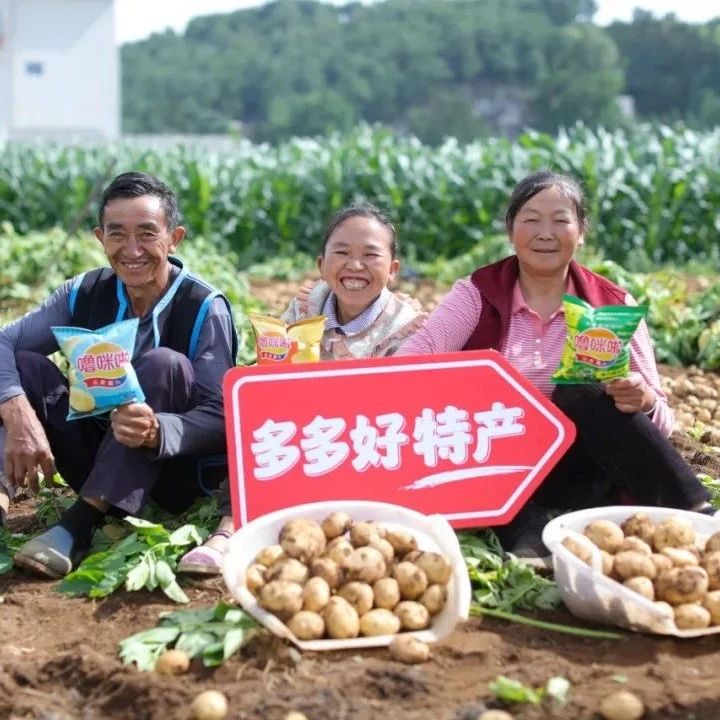
拼多多平台服务

Search documents
当一个文学博士回村,和发小完成了“最智慧的拼单”
Xin Lang Cai Jing· 2026-01-10 16:23
Core Viewpoint - The article highlights the establishment and operation of the "Siyuan Library" in Hangtou Village, initiated by Zhou Qinggui and his childhood friends, aiming to enhance educational resources and opportunities for local children [3][4][8]. Group 1: Library Establishment - Zhou Qinggui, a literature PhD, and his father Zhou Chenglin transformed their old family home into a library in March 2021, covering an area of approximately 250 square meters [4][6]. - The library, named "Siyuan," reflects the motto of Shanghai Jiao Tong University, emphasizing the importance of remembering one's roots and giving back to the community [6][8]. Group 2: Community Involvement - Zhou Qinggui and six childhood friends raised over 80,000 yuan to purchase bookshelves, equipment, and educational materials for the library [8]. - The library's maintenance relies on the collective efforts of the founding members, who actively participate in its daily operations and upkeep [10][11]. Group 3: Educational Impact - The library has grown to house over 20,000 books, including classics and popular children's literature, significantly improving access to educational resources for local children [10][17]. - Zhou Qinggui aims to inspire children to pursue education and broaden their life choices, with many local students now aspiring to attend universities [19]. Group 4: Operational Strategies - The library operates on a tight budget, utilizing platforms like Pinduoduo for cost-effective procurement of books and supplies, which is crucial for its non-profit model [10][15]. - The introduction of remote teaching tools, such as an electronic screen purchased through Pinduoduo, helps bridge the educational resource gap between rural and urban areas [15][17].



电商平台为什么要控价?三步走
Sou Hu Cai Jing· 2025-12-08 11:08
Core Viewpoint - Unauthorized sales on Pinduoduo lead to brand price system chaos and decreased trust in genuine products, necessitating a comprehensive rights protection strategy that includes platform compliance reporting, administrative intervention, and professional assistance to safeguard brand interests and market order [1]. Group 1: Pinduoduo Intellectual Property Platform - Complaining through Pinduoduo's official intellectual property protection platform is a direct method to combat unauthorized sales, which can result in penalties such as link deletion and product removal [3]. - The complaint process involves three steps: account registration, qualification submission, and evidence-based complaint [3]. - Registration requires uploading valid proof of the complainant's identity, such as ID for individuals or business licenses for companies, ensuring the authenticity of the complaint [4]. Group 2: Administrative Intervention - Brands can enhance their rights protection by leveraging administrative power through three main methods: 1. Submitting reports to the industrial and commercial department, detailing the unauthorized seller's violations and requesting investigations or penalties [7]. 2. Seeking mediation support from consumer associations to facilitate communication and resolution between brands and unauthorized sellers [8]. 3. Applying for arbitration if there was a prior partnership with the unauthorized seller and an arbitration agreement exists, requiring clear requests and supporting evidence [9]. Group 3: Third-Party Assistance - Small and medium-sized enterprises lacking professional rights protection teams can engage third-party organizations to address unauthorized sales issues, which typically have established pricing control teams and service systems [10]. - These organizations can conduct brand diagnostics and data analysis to identify sellers needing control, creating black and white lists, and developing targeted solutions to efficiently manage unauthorized activities [10]. - Utilizing third-party resources allows brands to save on manpower and time, focusing on product development and market operations while ensuring the selected institution aligns with their needs [10].

重塑电商高质量发展新路径,拼多多“千亿扶持”亮出半年成绩单
Xin Jing Bao· 2025-12-01 05:27
Core Insights - Pinduoduo's "100 Billion Support" plan aims to invest over 100 billion yuan in the next three years to assist small and medium-sized businesses in achieving high-quality development, creating a dual empowerment ecosystem for supply upgrades and consumer inclusivity [1][9] Group 1: Industry Transformation - The "100 Billion Support" initiative is not merely a subsidy but a combination of "reduction and support" that injects "blood-making" capabilities into industrial belts, helping them avoid homogenized competition through data insights [2] - In the agricultural sector, Pinduoduo's "Duoduo Good Specialty" team has developed customized growth plans for hundreds of agricultural regions, significantly enhancing the added value of agricultural products and helping farmers increase their income [3][4] - The initiative has led to a 47% year-on-year increase in agricultural product sales on the platform, with a 30% rise in the number of post-00s agricultural merchants and a 54% increase in quality and new product SKUs [4] Group 2: Consumer Benefits - The plan has broken down regional barriers, allowing consumers in remote areas to enjoy more affordable products and faster logistics, with logistics times reduced from over five days to under three days in some cases [5][6] - The logistics optimization has activated consumption potential in the western regions, with significant increases in orders for products like cherries, which have become everyday snacks rather than just holiday gifts [5] Group 3: Digital Transformation and Ecosystem Building - Pinduoduo is transforming the e-commerce industry by becoming an "ecosystem builder," providing comprehensive support to merchants and facilitating digital transformation in agriculture and manufacturing [7][8] - The platform's approach has redefined cost and value relationships, enabling businesses to innovate and avoid homogenized competition, leading to significant sales growth for many merchants [7][8] - Pinduoduo's focus on long-term ecological construction over short-term profit maximization reflects its commitment to creating value for users and supporting industry development [9][10]
民进党在害怕什么
Xin Lang Cai Jing· 2025-11-14 11:16
Core Viewpoint - The Taiwanese government's restrictions on mainland e-commerce platforms like Taobao and Pinduoduo are seen as politically motivated actions that contradict the interests of Taiwanese consumers [1][2]. Group 1: E-commerce Market Dynamics - Mainland e-commerce platforms have become popular among global consumers due to their extensive product variety, competitive pricing, and efficient logistics [1]. - "Taobao Taiwan" launched in 2019, offering over 30 million products and attracting over 100,000 sellers, but was forced to exit the market after one year due to political pressure from the Taiwanese government [1]. - Despite the government's efforts to block access to these platforms, Taiwanese consumers continue to seek out mainland products through alternative means [1][2]. Group 2: Political Implications - The Taiwanese government fears that access to mainland e-commerce will expose Taiwanese consumers to the realities of mainland China's economic capabilities, undermining the narrative of "mainland poverty and backwardness" [2]. - The increasing interaction between Taiwanese and mainland e-commerce is likely to strengthen economic ties, which the Taiwanese government is attempting to prevent [2]. - The government's attempts to isolate Taiwanese consumers from mainland products are viewed as futile, as the demand for affordable and high-quality goods remains strong [2].

拼多多低价销售还包邮,真的不会亏钱吗?商家揭露背后真相
Sou Hu Cai Jing· 2025-10-21 05:53
Core Insights - The article explores how Pinduoduo maintains low prices while ensuring profitability, highlighting its unique business model and strategies that differentiate it from traditional e-commerce platforms [1][3][11]. Pricing Strategy - Pinduoduo's average product prices are 32.7% lower than other major e-commerce platforms, with some categories showing price differences exceeding 50% [1]. - 76.3% of consumers cite "low prices" as the primary reason for shopping on Pinduoduo [1]. Business Model - Pinduoduo's merchants often engage in direct sourcing from factories, eliminating intermediaries and reducing costs. Approximately 82% of Pinduoduo merchants use this "factory direct supply" model, which is nearly 30 percentage points higher than other platforms [3][4]. - The platform's "group buying" mechanism allows merchants to achieve economies of scale, significantly lowering costs as order volumes increase. Pinduoduo's average daily order volume per product is 2.6 times that of other platforms [4][6]. Cost Management - Merchants on Pinduoduo utilize simplified packaging and customer service, which reduces non-essential costs. Packaging costs on Pinduoduo account for only 2% of product costs, compared to 8.5% on high-end platforms [6]. - The platform's data-driven inventory management enhances efficiency, with an average inventory turnover of 18 days, nearly 40% lower than the industry average [6]. Subsidy and Support - Pinduoduo's subsidy strategies, including various promotional activities, enable merchants to offer lower prices without sacrificing profit margins. In 2024, Pinduoduo invested 27 billion yuan in merchant subsidies, a 22% increase from 2023 [7][9]. Additional Cost-Saving Measures - Merchants often choose cost-effective logistics solutions, resulting in an average logistics cost that is 27% lower than other platforms [9]. - The platform provides detailed market price analysis, helping merchants set competitive prices while maintaining profitability [9]. Consumer Insights - Pinduoduo's product quality is generally acceptable, with a quality compliance rate of 92.3%, slightly lower than some premium platforms but not significantly so [9][10]. - Consumers are advised to consider product reviews, sales volume, and store reputation to avoid low-quality purchases [10][11]. Conclusion - Pinduoduo's low-price model effectively meets consumer demand for value while allowing merchants to maintain profitability through innovative strategies and operational efficiencies. This model reflects a broader trend in the e-commerce industry towards higher efficiency and lower costs [11].
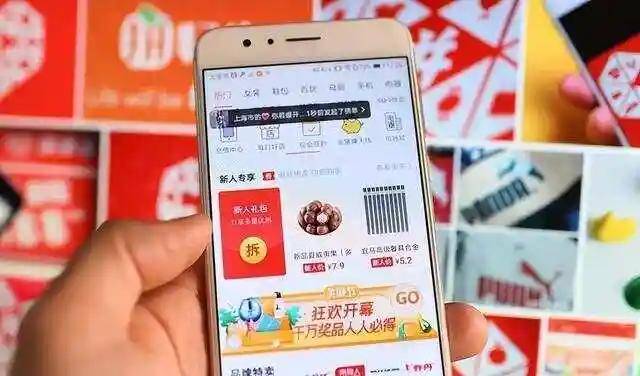
将消费叙事还给普通人,拼多多用了10年
虎嗅APP· 2025-10-16 10:31
Core Viewpoint - The article emphasizes that Pinduoduo has redefined the narrative of consumption in China by focusing on the "silent majority," including small-town youth and the elderly, rather than just affluent urban consumers [2][4][9]. Group 1: Consumption Upgrade and Inclusivity - Pinduoduo challenges the traditional notion that consumption upgrade is only for the wealthy, instead highlighting that it can also mean affordable and valuable products for a broader audience [4][7]. - The platform's initiatives, such as "group buying" and "billion subsidies," have made previously inaccessible products available to everyday consumers [5][12]. - Recent consumption data shows that lower-tier cities have experienced significant growth in spending, indicating a shift in consumption power from urban centers to previously marginalized areas [7][8]. Group 2: Business Model and Merchant Empowerment - Pinduoduo has grown its merchant base from 1 million to over 10 million, providing low-entry barriers for small businesses to access the market [12]. - The platform's focus on understanding consumer needs rather than merely pushing products has led to a more effective marketplace [13][14]. - Pinduoduo's approach fosters a symbiotic relationship between consumers and merchants, driving innovation and responsiveness in the supply chain [12][19]. Group 3: Long-term Vision and Social Responsibility - Pinduoduo's core mission is to serve the largest number of ordinary people, positioning itself as a socially responsible enterprise [8][18]. - The company has maintained a consistent focus on consumer value and social impact, avoiding trends that detract from its primary objectives [19][20]. - The narrative of consumption has shifted from elite-driven to inclusive, allowing a wider demographic to participate in the economic cycle [22][26]. Group 4: Future Implications for Consumption - The article concludes that true prosperity lies in the active participation of the base of the economic pyramid, rather than just the affluent [25][26]. - Pinduoduo's model suggests that integrating more ordinary people into the consumption cycle is a key driver of sustainable growth [26].

投诉企业没头绪?这些方法帮你精准维权
Xin Lang Cai Jing· 2025-10-15 04:42
Core Viewpoint - The article emphasizes the importance of consumer rights protection in China and outlines various channels available for consumers to file complaints regarding product quality, service issues, and misleading advertisements [1]. Group 1: National Complaint Platforms - The primary and most authoritative complaint channel is the "12315" platform, managed by the State Administration for Market Regulation, which handles general consumer disputes such as false advertising and product quality issues [2]. - Consumers can initiate complaints through three methods: calling 12315, visiting the "National 12315 Platform" website, or using the corresponding app and WeChat mini-program [2]. - The platform's advantages include its authority and broad coverage, with complaints being assigned to local market supervision bureaus for verification and mediation [2]. Group 2: Industry Regulatory Departments - Different industries have corresponding regulatory bodies, such as the China Banking and Insurance Regulatory Commission for financial issues and the Ministry of Industry and Information Technology for telecommunications [3]. - These industry-specific platforms offer stronger expertise and a better understanding of industry standards, making it easier to obtain clear responses for specialized issues [3]. - However, the need for consumers to identify the correct regulatory body can complicate the complaint process [3]. Group 3: E-commerce and Company Platforms - E-commerce platforms like Taobao and JD.com have internal complaint channels that allow for quick responses and short processing times [4]. - The self-handling by companies often prioritizes maintaining platform order, which can lead to dissatisfaction among consumers if they feel treated unfairly [4]. - In cases of inadequate responses, consumers may need to resort to more public channels to express their grievances [4]. Group 4: Third-party Complaint Platforms and Media Channels - Independent third-party complaint platforms, such as the "Black Cat Complaint" website operated by Sina, have emerged to provide transparent public channels for consumers [5]. - These platforms allow for public display of complaints, enabling companies to respond directly, which can expedite resolution and enhance accountability [5]. - Traditional media also play a significant role in amplifying consumer issues, particularly for companies that repeatedly fail to address complaints [5]. Group 5: Recommendations for Choosing Channels - Consumers are advised to retain all relevant evidence, such as invoices and communication records, to support their claims [6]. - It is important to clearly articulate the issue and desired resolution while remaining objective [6]. - Depending on the nature of the complaint, consumers should select the appropriate channel, starting with internal complaints and escalating as necessary [7].
拼多多控价怎么做?拼多多控价是什么?
Sou Hu Cai Jing· 2025-09-18 03:22
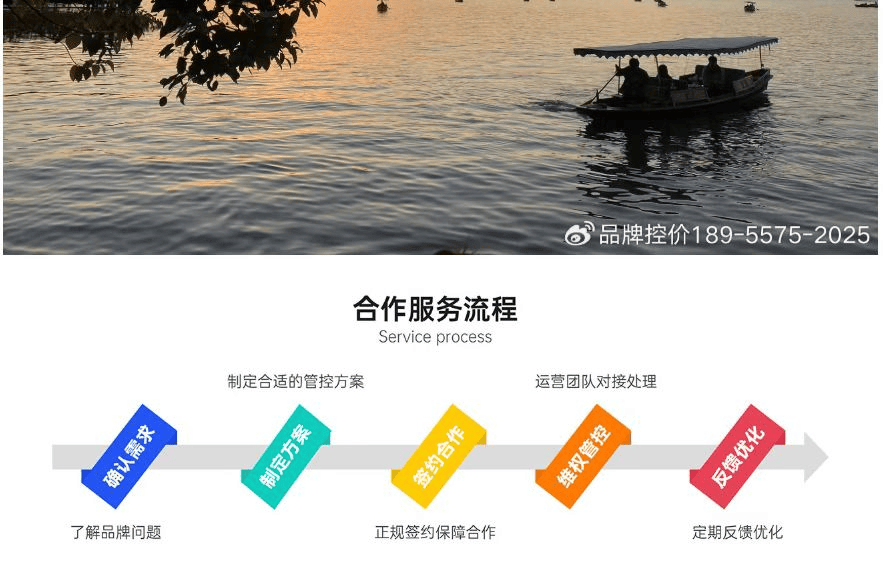
Core Viewpoint - Pinduoduo has rapidly gained popularity among consumers due to its unique group-buying model and affordable pricing strategy, but the proliferation of low-price stores has become a significant issue for brand owners and market regulators [1] Group 1: Managing Low-Price Links on Pinduoduo - Brand owners can utilize their intellectual property rights to file complaints against low-price stores on Pinduoduo, including trademark, patent, and copyright infringements [4] - In addition to intellectual property complaints, brand owners can directly report low-price behaviors to Pinduoduo, requiring a clear understanding of market prices to identify unreasonable low prices [5] - Establishing a price monitoring system allows brand owners to detect and address low-price store links in real-time, enabling prompt responses such as complaints or communication with distributors [6] - Strengthening communication and cooperation with Pinduoduo can help brand owners share market information and price dynamics, gaining more support from the platform [7] Group 2: Pinduoduo's Punishments for Low-Price Stores - Pinduoduo conducts strict reviews of reported low-price store links, and once confirmed, will immediately remove the violating links to prevent further market disruption [8] - In addition to link removal, Pinduoduo will impose point deductions on violating stores, which can lead to reduced visibility, restrictions on participation in activities, or even store closure [10] - Serious violations may result in fines or compensation requirements for the offending stores, with fines based on the severity of the violation [11] - Pinduoduo may publicly expose violating stores through announcements and social media to raise consumer awareness and deter similar incidents [12] Group 3: Common Price Control Methods Used by E-commerce Platforms - E-commerce platforms often collaborate with brand owners to set official guide prices or price ranges, which merchants must adhere to [13] - Strict review and regulation of promotional activities are conducted by e-commerce platforms, requiring merchants to submit promotional plans in advance [14] - E-commerce platforms utilize robust data analysis capabilities to monitor prices in real-time and trigger alerts for abnormal price fluctuations [15] - Third-party price control service providers may be engaged by e-commerce platforms to enhance market price management and protect brand image [16] Group 4: Brand Control Model - The brand control model involves confirming needs with brands, developing tailored control plans, and signing cooperation agreements with rights protection companies, which provide comprehensive rights protection services without costs to the brand [18]
为什么拼多多比淘宝要便宜?背后竟然藏着这个“猫腻”
Sou Hu Cai Jing· 2025-08-31 00:31
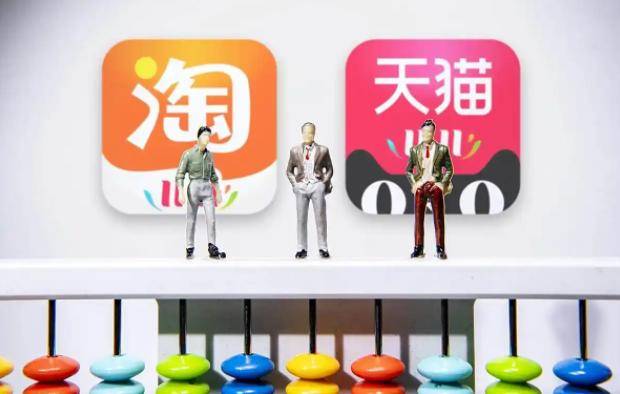
Core Insights - The article discusses the competitive landscape between Pinduoduo and Taobao, highlighting Pinduoduo's significant price advantage and its impact on user behavior and market dynamics [1][2]. Price Differences: Business Model, Supply Chain, and User Demographics - Pinduoduo's products are generally 15% to 30% cheaper than those on Taobao, attributed to its unique business model, supply chain structure, and user characteristics [1][3]. Latecomer Advantage: Differentiated Competitive Strategy - Pinduoduo, founded in 2015, focuses on lower-tier cities and rural areas, where consumers are highly price-sensitive. The user base in these markets has reached 570 million, with a consumption potential exceeding 3.8 trillion yuan [2]. Supply Chain Revolution: Direct Factory Connections - Pinduoduo's "factory direct" model eliminates middlemen, saving an average of 18% to 25% on product costs compared to traditional e-commerce models [3]. Group Buying Mechanism: Scale Effects on Price Advantage - Pinduoduo's group buying feature allows users to invite friends to purchase together, resulting in a 73% share of group orders in Q1 2025, saving an average of 8.6 yuan per order [4]. Operational Cost Differences: Technology Investment and Commission Strategies - In 2024, Pinduoduo's technology investment was 168 billion yuan, about half of Taobao's 352 billion yuan, leading to lower average commission rates of 2% compared to Taobao's 5% [5]. Marketing Strategies: Social Sharing and Advertising Investment - Pinduoduo relies on user-driven sharing for marketing, with merchant spending at 7% of sales, while Taobao merchants spend about 15% [7]. Quality Debate: Balancing Low Prices and Quality - The quality gap between Pinduoduo and Taobao has narrowed, with product compliance rates improving from a 14% difference in 2020 to just 3.2% in 2025 [7]. Platform Positioning Differences: Product Structure and Average Order Value - Pinduoduo focuses on everyday consumer goods with an average order value of 87 yuan, significantly lower than Taobao's 213 yuan, influencing consumer perceptions of affordability [9]. Data Application: Transparent Pricing and Differentiated Subsidies - Taobao utilizes extensive data for personalized pricing, with price fluctuations of up to 28%, while Pinduoduo maintains uniform pricing with various promotional activities [11]. Capital Market Pressure: Profitability and Market Expansion - Taobao, as part of Alibaba, faces profit targets with a gross margin of 42% in 2024, while Pinduoduo, with a gross margin of 31%, has more flexibility to reduce profits for market share [11]. Platform Rule Differences: Promotional Activities and Merchant Costs - Taobao's promotional events incur higher costs for merchants, averaging 23% more than Pinduoduo's lower-cost strategy [11]. Logistics and Delivery: Cost Differences and Shipping Fees - Pinduoduo's logistics costs are 17% lower than Taobao's, directly affecting shipping fees for consumers [12]. Payment Methods and Financial Services: Indirect Impact on Operational Costs - Pinduoduo minimizes operational costs by focusing on product transactions, unlike Taobao, which incurs additional costs from financial services [13]. Consumer Psychology: Price Expectations and Brand Recognition - Consumers have higher quality expectations for Taobao, leading to a willingness to pay a premium, while Pinduoduo's low-price strategy shapes consumer expectations for continued low pricing [13]. Future Outlook: Evolution of Price Differences - The price gap between Pinduoduo and Taobao is narrowing, with a reduction from 22% to 17% in popular categories by Q2 2025 [15]. Summary: Rational Consumption and Platform Choice - The price differences between Pinduoduo and Taobao stem from distinct business models, and consumers should consider the underlying cost structures when choosing platforms [15].
拼多多发布Q2财报,“千亿扶持”生态效用显现,供需两侧实现高质量发展
经济观察报· 2025-08-25 12:02
Core Viewpoint - Pinduoduo's second-quarter revenue growth slowed to 7%, with a total revenue of 104 billion yuan, due to increased investments in high-quality development and the introduction of a new "trillion support" strategy to assist merchants [2][4]. Group 1: Financial Performance - Pinduoduo reported a revenue of 104 billion yuan for the second quarter, reflecting a 7% growth rate [2]. - The company has initiated a "trillion support" strategy to enhance merchant support, marking a significant increase in investment for high-quality development [2][4]. Group 2: Merchant Support Initiatives - The "trillion support" strategy builds on the previous "billion reduction" initiative, which has saved millions for merchants by reducing service fees [4]. - Over the past year, the "billion reduction" policy has helped millions of merchants lower operational costs, with promotional service fee refunds exceeding 10 billion yuan [4]. Group 3: Regional Economic Impact - Pinduoduo's "e-commerce westward" initiative has eliminated logistics transfer fees in western regions, leading to over 40% growth in order volume from these areas [4]. - The initiative has significantly increased the availability of various products in western regions, enhancing local consumers' quality of life [5]. Group 4: Agricultural Development - Pinduoduo's support has enabled local farmers, such as those in Yunnan's Zhaotong, to transform their agricultural products into branded items, increasing income for over 11,000 households [6]. - The "2025 Agricultural Products Upward Report" indicates a 47% year-on-year increase in agricultural product sales, with seasonal fruit sales up by 51% [6]. Group 5: Innovation and Market Adaptation - Pinduoduo is focusing on long-term strategies to assist traditional brands in adapting to market changes, enhancing product innovation and market growth [9]. - The company is leveraging digital technology to help merchants identify potential best-selling products, significantly increasing profit margins for many items [9]. Group 6: Consumer Engagement - During the 618 shopping festival, Pinduoduo experienced a surge in consumer demand, with daily orders exceeding 3.76 million for its "super double" promotional event [10]. - The platform's ongoing investments are aimed at enhancing user experience and optimizing merchant services, fostering a win-win ecosystem for users, merchants, and the platform [12].