深度老龄化

Search documents
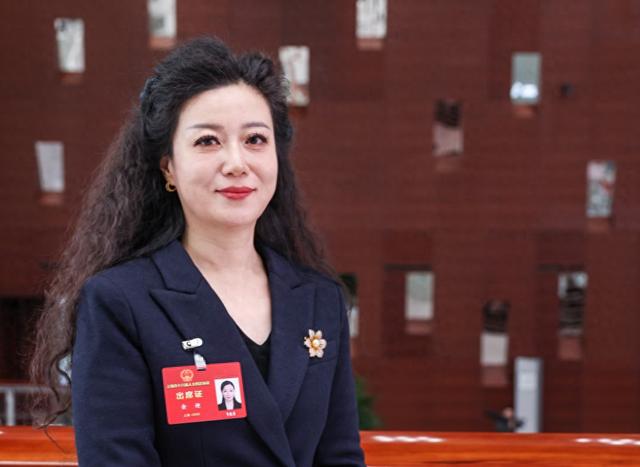
育儿压力大?代表建议打造生育友好社区、设置商务楼宇弹性托管点
Xin Lang Cai Jing· 2026-02-05 07:52
Core Viewpoint - The article emphasizes the need for community-level support for families in Shanghai to address the challenges of slowing population growth and deep aging, advocating for a supportive environment for childbirth and child-rearing [1] Group 1: Community Support Initiatives - The representative suggests integrating resources and services at the community level to promote the construction of family-friendly communities, which is crucial for sustainable urban development [1] - There is a call to improve the distribution of quality educational resources and reduce the competitive pressure for school admissions [3] - The proposal includes expanding community-based childcare services and establishing flexible childcare points in industrial parks and business buildings to alleviate family caregiving and educational pressures [3] Group 2: Healthcare Improvements - The representative advocates for enhancing the availability of quality medical resources in communities, including the establishment of pediatric, maternal and child health, and elderly care departments in community medical institutions [3] - The creation of electronic health records covering the entire cycle of marriage, pregnancy, and child-rearing is recommended to provide one-stop services for vaccinations and health management [3] Group 3: Housing and Urban Development - The article suggests exploring flexible housing designs suitable for multi-generational living and promoting the renovation of old residential areas to be more child- and elderly-friendly [3] - The proposal includes the addition of community facilities such as dining halls and shared living spaces to improve safety and convenience for residents [3] Group 4: Policy Recommendations - The representative recommends implementing paternity leave and incentivizing companies that comply, as well as policies supporting multi-child families in housing [4] - It is suggested to incorporate childcare facility construction and women's rights protection into corporate evaluation systems, and to establish community "parenting advisors" to foster a culture of shared parenting and social support [4]

35岁天花板,终于破了
首席商业评论· 2025-10-16 04:09
Core Viewpoint - The relaxation of the age limit for civil service examinations from 35 to 38 years signals a significant shift in employment policies, reflecting the changing demographics and labor market dynamics in China [5][11]. Group 1: Age Limit Changes - The age limit for civil service recruitment has been raised from 35 to 38 years, with some regions extending it to 40 or even 45 years for specific positions [5][7]. - The initial 35-year age limit was established in 1994, primarily to promote youth in leadership roles, but has become outdated as the average age of the labor force has risen significantly [8][10]. - The average age of the labor force in China has increased from 32.25 years to 39.72 years between 2022, indicating a demographic shift that necessitates policy adjustments [8][10]. Group 2: Implications of the Policy Change - The recent policy changes are part of a broader initiative to ensure equal employment rights and eliminate age discrimination, as emphasized in the "24 Measures" for stabilizing employment [11]. - The removal of the 35-year age limit is expected to set a precedent for further reforms, potentially leading to the elimination of age barriers in various sectors [11][12]. - The 35-year age limit disproportionately affects the 80s and 90s generations, which constitute a significant portion of the workforce, highlighting the importance of their employment stability for overall economic health [12][15]. Group 3: Labor Market Dynamics - The 80s and 90s generations, totaling over 400 million people, are crucial to the current employment landscape, making up a significant share of the workforce [12][15]. - This demographic is characterized by a high employment rate among individuals aged 30 to 49, with those aged 30 to 39 representing 27.6% of the workforce [15]. - The stability of employment for these age groups is essential for maintaining social stability and economic growth, as they are the most experienced and adaptable to market changes [15].

35岁天花板,终于破了
虎嗅APP· 2025-10-14 09:11
Core Viewpoint - The relaxation of the age limit for civil service examinations from 35 to 38 years signals a significant shift in employment policies, reflecting the changing demographics and labor market dynamics in China [4][6][21]. Group 1: Age Limit Changes - The age limit for civil service recruitment has been raised from 35 to 38 years, with some regions extending it to 40 or even 45 years [6][8]. - The initial 35-year age limit was established in 1994, aimed at promoting youth in leadership roles, but has become outdated as the average age of the workforce has risen significantly [8][10]. - The average age of the labor force in China has increased from 32.25 years in 1990 to 39.72 years in 2022, indicating a demographic shift towards an older workforce [11]. Group 2: Implications of Policy Changes - The recent policy changes are part of a broader initiative to ensure equal employment rights and eliminate age discrimination, as outlined in the "24 Measures" for stabilizing employment [18][32]. - The removal of the 35-year age limit is expected to set a precedent for further reforms across various sectors, potentially leading to the elimination of age barriers in other employment areas [19][21]. - The demographic group affected by this change, primarily those born in the 1990s, constitutes a significant portion of the current workforce, making their employment stability crucial for overall economic stability [26][30]. Group 3: Future Considerations - There are concerns that the removal of the 35-year limit may lead to a new "38-year ceiling," necessitating careful management of age-related employment policies [22][32]. - The importance of the 35-year age group is underscored by their substantial representation in the labor market, with those aged 30-49 making up over half of the employed population [30][31]. - Ensuring job security for the 80s and 90s generations is vital for maintaining social stability and economic growth in China [31][32].