深度老龄化社会

Search documents
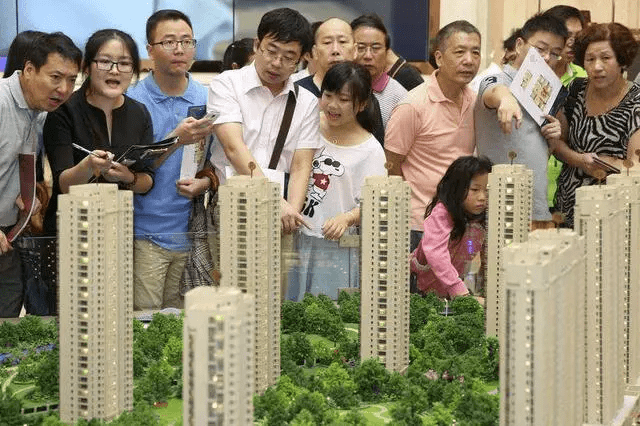
楼市或将进入到一个调整期?已经买房的家庭,应当提前做好准备
Sou Hu Cai Jing· 2026-02-18 15:54
Core Viewpoint - The Chinese real estate market, which has seen over two decades of continuous growth, is now experiencing a significant downturn, with average housing prices declining by over 15% since last year [1][3]. Group 1: Market Trends - Since the housing reform in 1998, average housing prices have surged from 2,000 yuan per square meter to 11,100 yuan, marking an increase of 5.5 times [1]. - As of August, 50 out of 70 major cities in China reported a month-on-month decline in new residential prices, indicating a widespread "devaluation tide" in the housing market [1][3]. Group 2: Demographic Factors - China is entering a phase of deep aging, with the population aged 60 and above reaching 267 million by the end of 2021, accounting for 18% of the total population [3]. - The decline in the younger population, particularly those born in the 1990s and 2000s, has led to a historic low in marriage rates, directly impacting the demand for housing [3]. Group 3: Economic Conditions - The ongoing pandemic and economic downturn have resulted in layoffs and salary cuts, leading many families to postpone home purchases [3]. - A survey by the People's Bank of China indicates that most respondents prefer saving money in banks rather than investing or consuming, further contributing to the decline in housing demand [3]. Group 4: Government Policies - Local governments are actively promoting the construction and supply of affordable housing to support low-income groups, which is expected to significantly divert demand from the commercial housing market [5]. - The introduction of shared ownership housing, where ownership is shared between individuals and the government, aims to reduce the financial burden on buyers [5]. Group 5: Regulatory Environment - Despite some cities relaxing real estate regulations, the impact has been minimal due to the stringent controls implemented since 2016, with a total of 651 regulatory actions by 2021 [7]. - The traditional view of homeownership in China encompasses various social attributes beyond mere residence or investment, making it a priority for families with economic capability [7].

【环球财经】统计显示荷兰65岁及以上人口超过20岁以下人口
Xin Hua She· 2025-12-17 07:12
Core Insights - The Netherlands is projected to enter a deep aging society, with the population aged 65 and older surpassing the population under 20 for the first time in 2025 [1] - The total population of the Netherlands is expected to grow from approximately 18.04 million currently to 20.6 million by 2070 [1] Population Projections - As of January 1, 2025, the population aged 65 and older is estimated to be 3.76 million, while the population under 20 is estimated to be 3.72 million [1] - By 2070, the population under 20 is projected to reach 4.1 million, while the population aged 65 and older is expected to increase to 5.4 million, including 2.1 million aged 80 and above [1] Socioeconomic Challenges - The changing demographic structure is anticipated to pose a series of socioeconomic challenges for the Netherlands as it transitions into a more aged society [1]
统计显示荷兰65岁及以上人口超过20岁以下人口
Xin Hua She· 2025-12-17 04:46
Core Insights - The Netherlands is projected to experience a demographic shift where the population aged 65 and older will surpass the population aged 20 and younger for the first time by January 1, 2025 [1] - The elderly population is expected to grow significantly, with projections indicating that by 2070, there will be 5.4 million individuals aged 65 and older compared to 4.1 million individuals aged 20 and younger [1] - The total population of the Netherlands is estimated to increase from approximately 18.04 million currently to 20.6 million by 2070 [1] Population Statistics - As of early 2025, the population figures are projected to be 3.76 million for those aged 65 and older and 3.72 million for those aged 20 and younger [1] - By 2070, the population aged 80 and older is expected to reach 2.1 million [1] Socioeconomic Implications - Analysts suggest that the Netherlands is entering a phase of deep aging, which will pose various challenges to socioeconomic development as the population structure continues to change [1]
2025中国人口老龄化趋势分析
Sou Hu Cai Jing· 2025-08-09 16:16
Group 1: Current Status of Aging Population - As of the end of 2024, the population aged 60 and above in China will exceed 300 million, reaching 310.31 million, accounting for 22.0% of the total population [1] - The population aged 65 and above will reach 220.23 million, making up 15.6% of the total population [1] - China has entered a moderately aging society, with the aging population becoming a key factor affecting national development [1] Group 2: Characteristics of Aging Population - China has the largest elderly population globally, with approximately 220 million people aged 65 and above, representing one-fourth of the world's elderly population [3] - The aging process in China is significantly faster than in developed countries, with only 21 years taken to transition from aging (7%) to deep aging (14%) [5] Group 3: Future Trends and Projections - By 2030, the elderly population in China is expected to reach 380 million, and by 2035, it will increase to around 420 million, accounting for over 30% of the total population [13] - By 2050, the total population is projected to decline to 1.25 billion, with the elderly population proportion reaching approximately 37.4% [13] Group 4: Regional Disparities - There are significant regional differences in aging levels, with Liaoning having the highest proportion of people aged 65 and above at 21.06% in 2023, while Guangdong, Xinjiang, and Tibet have not yet reached 10% [14] - The aging population is more pronounced in rural areas compared to urban areas, with the elderly population proportion in rural areas increasing from 10.1% in 2010 to 19.3% in 2022 [10] Group 5: Economic and Social Impacts - The demographic dividend is diminishing as the population from the baby boom era exits the labor market, leading to a decline in the working-age population from 1.01 billion in 2013 to 960 million in 2023 [18] - The elderly dependency ratio reached 22.5% in 2023, indicating that for every five working-age individuals, one elderly person is supported [19] - The pension burden is increasing, with the ratio of insured workers to retirees declining from 3.2:1 in 2010 to 2.7:1 in 2022 [20] Group 6: Healthcare System Impacts - The prevalence of chronic diseases is rising, with chronic diseases being the leading cause of death among urban and rural residents, affecting over 300 million people nationwide [23] - The total medical expenses are increasing rapidly due to the aging population and the high incidence of chronic diseases [24] - There is a growing demand for integrated medical and elderly care services, which will become essential for meeting the diverse health needs of the elderly population [26] Group 7: Employment Market Impacts - The supply of labor is shrinking as the proportion of elderly individuals increases and the working-age population decreases [27] - The overall labor participation rate is declining due to lower participation rates among the elderly [27] - The service sector, particularly in elderly care, healthcare, and wellness, is expected to create numerous job opportunities, shifting the employment structure towards "silver economy services" [27]