
清洁能源普及

Search documents
英国推出“温暖家园计划”,户储及热泵需求有望增长
Ping An Securities· 2026-01-28 03:09
Investment Rating - The industry investment rating is "Outperform the Market" [9] Core Insights - The UK has launched the "Warm Homes Plan" (WHP), which aims to upgrade housing facilities and reduce energy costs, with a public investment of £15 billion (over 140 billion RMB) to retrofit 5 million homes by 2030. This is the largest home energy retrofit project in the UK to date, targeting significant improvements in residential energy efficiency and promoting the widespread adoption of rooftop photovoltaics, energy storage, and heat pumps [4][5] - The Boiler Upgrade Scheme (BUS) will provide £7,500 subsidies for eligible applicants to install liquid circulation heat pumps, with an additional £2,500 for those choosing air-source heat pumps or other new products. The plan also includes £5 billion for low-income household support and £2 billion for consumer loans, which will cover heat pump installations [5] - The plan anticipates the installation of 3 million new home solar systems by 2030, tripling the number of households with solar power. It allocates at least £7 billion to support investments in solar + storage + heat pumps, with £5 billion designated for low-income households and £2 billion for consumer loans [7] - The UK aims to achieve an annual installation of over 450,000 heat pumps by 2030, supported by a £2.7 billion fund (approximately 26 billion RMB). The market for heat pumps is expected to grow rapidly, with sales projected to reach 84,000 units in 2024 [7][8] Summary by Sections Warm Homes Plan - The WHP is a significant initiative with a £15 billion investment to retrofit 5 million homes by 2030, enhancing energy efficiency and promoting renewable energy technologies [4][5] Boiler Upgrade Scheme - The BUS provides substantial subsidies for heat pump installations, encouraging the adoption of energy-efficient heating solutions [5] Solar and Energy Storage - The plan aims for 3 million new home solar installations by 2030, with significant funding allocated to support this growth, particularly for low-income households [7] Heat Pump Market - The UK government is committed to increasing heat pump installations, with a target of over 450,000 units annually by 2030, backed by a dedicated funding scheme [7][8]


离了大谱!美国家庭装光伏,78%的钱没买电池板!
Sou Hu Cai Jing· 2026-01-06 04:44
Core Insights - The main obstacle to the widespread adoption of solar energy in the U.S. is no longer related to silicon prices or battery technology, but rather the bureaucratic processes that are cumbersome, inefficient, and costly [1] - A report titled "Permitting Power" suggests that simple policy changes to eliminate administrative barriers could lead to a surge in solar installations, saving millions of households significant energy costs [1][7] Group 1: Soft Costs - The primary issue with solar installations in the U.S. is the so-called "soft costs," which include time-consuming and expensive permitting, site inspections, and interconnection processes, accounting for 78% of the total price of residential solar systems [3][4] - Most of the costs paid by consumers do not go towards purchasing essential hardware like solar panels or inverters, but rather are consumed by administrative processes [3] Group 2: Regulatory Inefficiencies - The high soft costs are attributed to a fragmented regulatory system in the U.S., where thousands of local agencies have their own building codes and approval processes, leading to inefficiencies for solar installers [6] - Each new town requires solar installers to learn complex rules and fill out different forms, increasing operational and customer acquisition costs, which ultimately get passed on to consumers [6] Group 3: Policy Reform Potential - If bureaucratic barriers can be effectively reduced through automated approvals and standardized processes, solar installation costs could potentially decrease by 61%, leading to significant economic and social impacts [7] - By 2040, this cost reduction could enable an additional 20 million U.S. households to install solar systems and save up to $1.2 trillion in energy expenses [7] - Optimizing administrative processes to lower soft costs may yield greater marginal benefits than merely subsidizing hardware technology development, highlighting the need for modern governance to complement technological advancements [7]

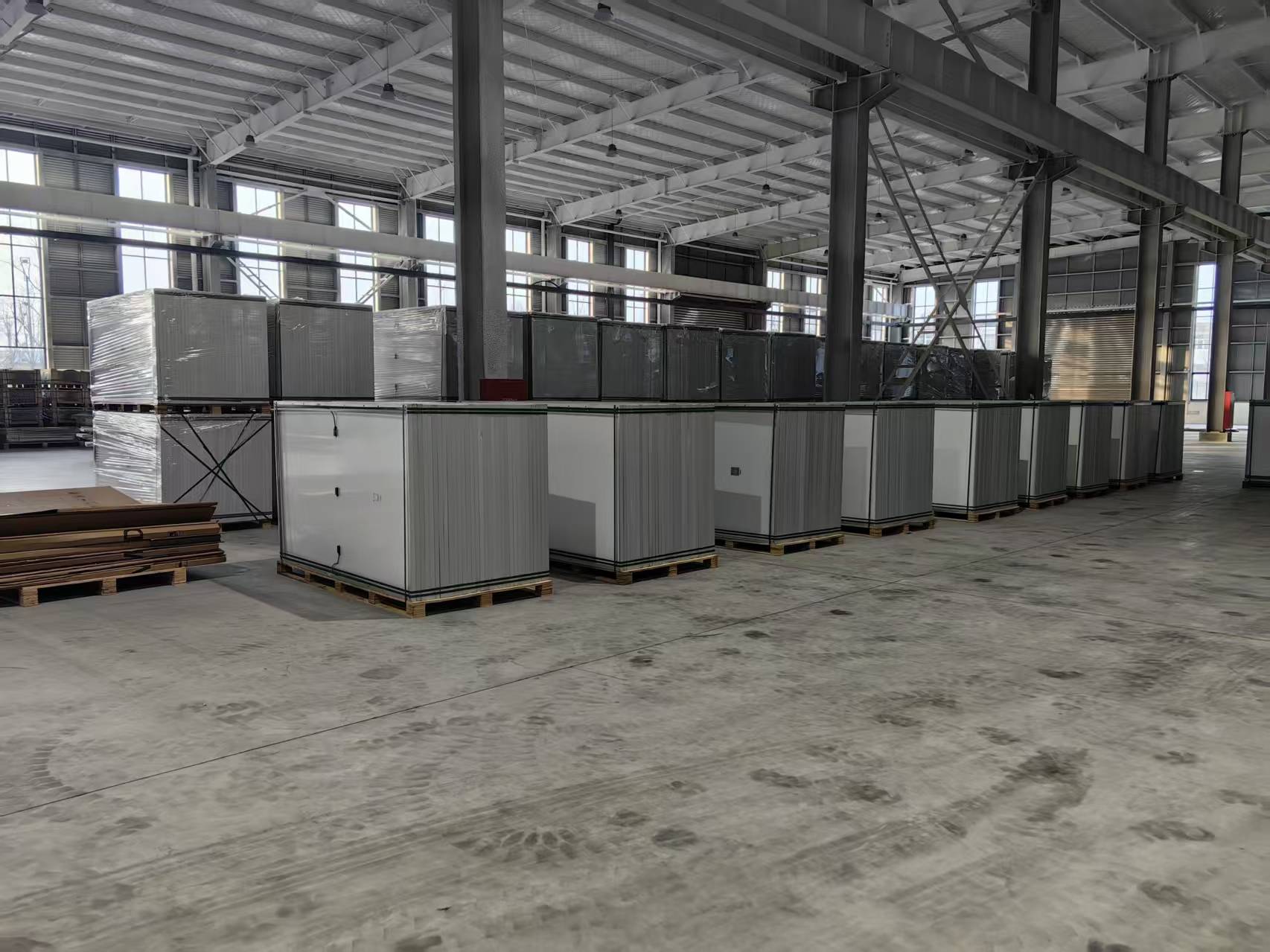
毛里塔尼亚与法国签署建设10座太阳能电站优惠贷款协议
Shang Wu Bu Wang Zhan· 2025-11-26 06:18
Core Points - Mauritania's Minister of Economy and Development, Sidya, signed a concessional loan agreement with France's Minister for Foreign Trade and Investment, Faurissier, for the construction of 10 solar power plants equipped with energy storage systems, totaling €39.22 million (approximately 1.817 billion new ouguiyas) [1] - The financing reflects President Ghazouani's commitment to promoting clean energy, reducing urban-rural disparities, and improving basic public services [1] - The Mauritanian government is actively advancing significant projects in the electricity sector through various departmental plans and has allocated substantial resources in the national investment budget to enhance power supply capacity, promote economic growth, and ensure social equity [1] - The national electricity coverage in Mauritania has increased to over 50%, marking significant progress towards achieving the United Nations Sustainable Development Goals for clean energy [1] - Faurissier emphasized that the signing will further deepen the long-standing friendly relations between the two countries, and France will continue to support Mauritania's development in the renewable energy sector [1]
