滨水经济带

Search documents
亮马河畔幸福歌
Xin Lang Cai Jing· 2026-01-21 22:38
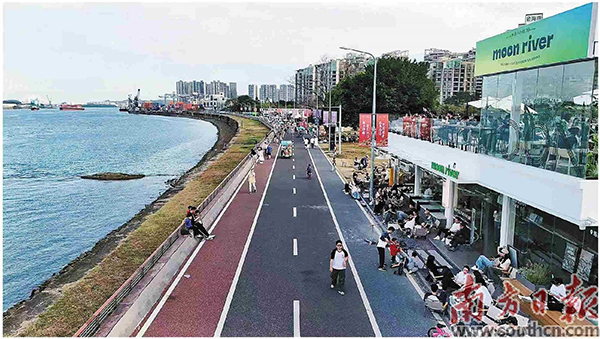
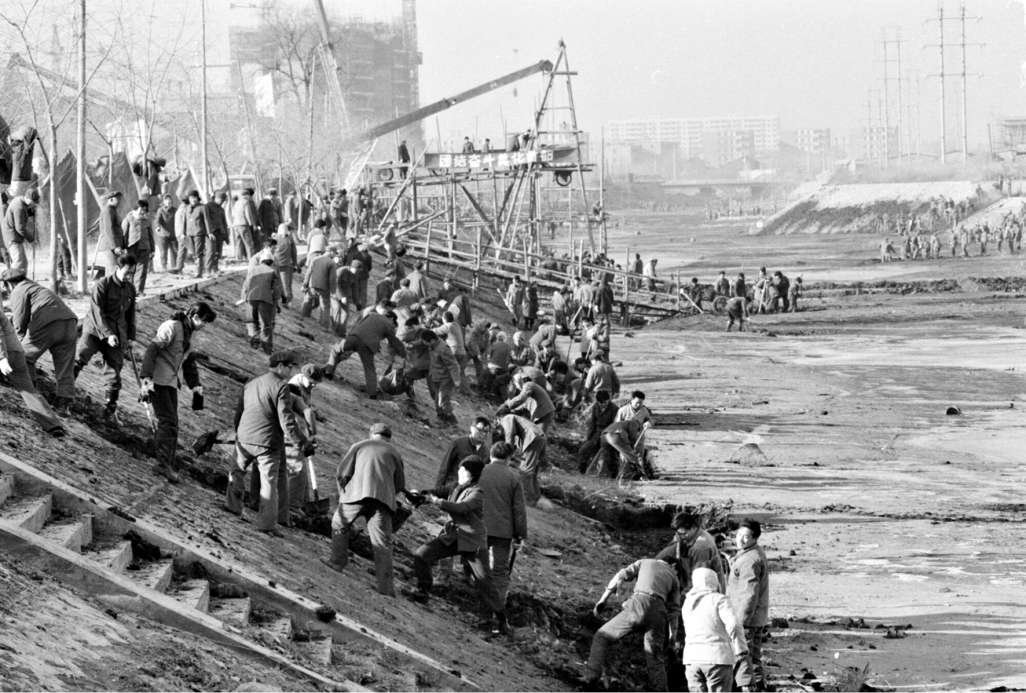
Core Viewpoint - Liangma River has been selected as one of the "Happy Rivers and Lakes" by the Ministry of Water Resources for 2025, marking it as Beijing's first river to be recognized as an excellent case nationwide. This recognition reflects the collective efforts of various sectors in beautifying the capital and improving the river's environment [1]. Historical Development - Since the reform and opening up, Liangma River has undergone significant changes, transforming from a polluted waterway into a clean and vibrant river, showcasing the dedication of the community and government [1]. - The river, originally named "Liangma" due to its historical significance as a royal horse washing area, has a total length of less than 10 kilometers and flows into the Daba River outside the Fifth Ring Road [7]. Environmental Restoration Efforts - The river faced severe pollution due to industrial development and urban population growth, leading to a government-initiated restoration project starting in 1982, which involved over 2,000 soldiers and community volunteers [7][8]. - By 1983, significant efforts were made to control pollution at the source, including halting wastewater discharge from factories, which helped improve the river's water quality [7]. Community Involvement - Over 50,000 volunteers participated in the river's restoration efforts, removing nearly 30,000 cubic meters of silt, which contributed to the river's transformation into a clean and scenic area [8]. - The community's involvement included various groups, from schoolchildren to local residents, who contributed to beautifying the river and its surroundings [8]. Economic and Urban Development - From the mid-1980s to the late 1990s, the Liangma River area experienced rapid development, becoming a hub for high-end hotels, shopping centers, and international businesses, significantly boosting the local economy [11][12]. - The opening of the first large-scale foreign retail enterprise, Yansha Friendship Store, in 1992 marked a significant milestone in the area's commercial development, attracting both local residents and tourists [12]. Modern Developments - In recent years, the Liangma River has been transformed into a vibrant waterfront economic zone, featuring leisure, shopping, dining, and sports activities, with ongoing projects to enhance the river's ecological environment [18]. - The completion of an 18-kilometer waterfront trail and the establishment of various recreational facilities have made the area a popular destination for both residents and visitors [18].

江门推动河湖生态资源从“潜在价值”向“现实收益”转化
Nan Fang Ri Bao Wang Luo Ban· 2025-08-19 07:32
Core Insights - Jiangmen has been designated as one of the two pilot cities for comprehensive water economy in Guangdong Province in 2023, focusing on transforming the potential value of river and lake ecological resources into real economic benefits [1] - The city has developed over 400 kilometers of ecological corridors known as "碧道" (Greenways), which have become popular leisure spots, attracting visitors from the Greater Bay Area [1] Group 1: Economic Development - The transformation of the Greenway construction results into economic benefits has been emphasized, with the introduction of night economy elements along the riverside [2] - The area around Jiangshun Bridge has seen a significant increase in foot traffic, with daily visitor numbers reaching 2,000 to 3,000, and over 6,000 on weekends and holidays [3] - Local businesses, such as a beverage shop, report daily revenues of around 4,000 yuan, showcasing the economic potential of the area [2][4] Group 2: Urban Revitalization - The revitalization of previously disorganized street vendor areas into a vibrant riverside space has been completed, enhancing the local cultural and social experience [3] - Industrial heritage sites, such as the old shipyard and textile factory, are being repurposed for cultural and recreational uses, attracting significant visitor numbers and boosting local tourism [5][6] - The integration of various leisure activities, including dining and water sports, has created a multi-faceted recreational environment, drawing both local residents and tourists [6]