
冬至文化

Search documents
最是团圆暖意浓
Ren Min Ri Bao Hai Wai Ban· 2025-12-23 02:11
Group 1 - The winter solstice is a significant traditional festival in Hong Kong and Macau, with increased consumer activity as families prepare for celebrations [1][2] - In Hong Kong, there is a notable rise in demand for traditional foods such as chicken, duck, seafood, and festive vegetables, with vendors reporting a 10% increase in business compared to regular days [1] - Restaurants in Hong Kong are experiencing a surge in reservations, with many offering special winter solstice packages to cater to the high demand [1] Group 2 - In Macau, the winter solstice is a public holiday, and many residents are taking advantage of the good weather to enjoy outings with family and friends [2] - The local government and restaurant associations in Macau have launched dining promotions to boost business during the winter solstice, contributing to a lively atmosphere [2] - In Taiwan, the winter solstice, known as "Dongjie," is celebrated with traditional foods like tangyuan (glutinous rice balls), symbolizing reunion and completeness [3] Group 3 - The tradition of eating tangyuan during the winter solstice is deeply rooted in Taiwanese culture, with many families continuing to enjoy this practice despite modern busy lifestyles [3] - Rituals such as ancestor worship and offerings to deities are also integral to the winter solstice celebrations in Taiwan, reflecting cultural heritage [3] - The popularity of tangyuan in Taiwan spans from traditional flavors to innovative variations, showcasing the festival's enduring significance and cultural vitality [3]
浙江三门祭冬传承冬至文化
Xin Lang Cai Jing· 2025-12-21 10:25
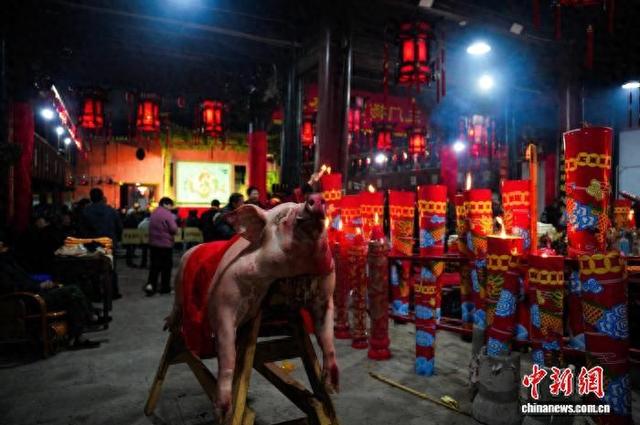
Core Viewpoint - The winter solstice ceremony in Yangjia Village, Taizhou, Zhejiang Province, has a history of over 700 years and was included in the national intangible cultural heritage list in 2014, highlighting the cultural significance of the event [2]. Group 1 - The winter solstice ceremony, held on December 21, expresses reverence and gratitude towards nature and ancestors [2]. - The event featured the "Thousand-Year Ninghe Winter Solstice Wonderful Tour," allowing citizens and tourists to experience the grandeur of the winter solstice celebration [2]. - The ceremony is part of a long-standing tradition that emphasizes the importance of the winter solstice in local culture, referred to as "winter solstice as significant as the New Year" [2]. Group 2 - The event attracted a large number of participants, indicating strong community engagement and interest in cultural heritage [4]. - Various activities were organized, including a birthday celebration performance and traditional games for children, enhancing the festive atmosphere [6][12]. - Visitors had the opportunity to taste traditional winter solstice dumplings, further promoting local culinary traditions [8].

今日冬至,要做这些事!
Xin Hua Wang· 2025-12-21 10:20
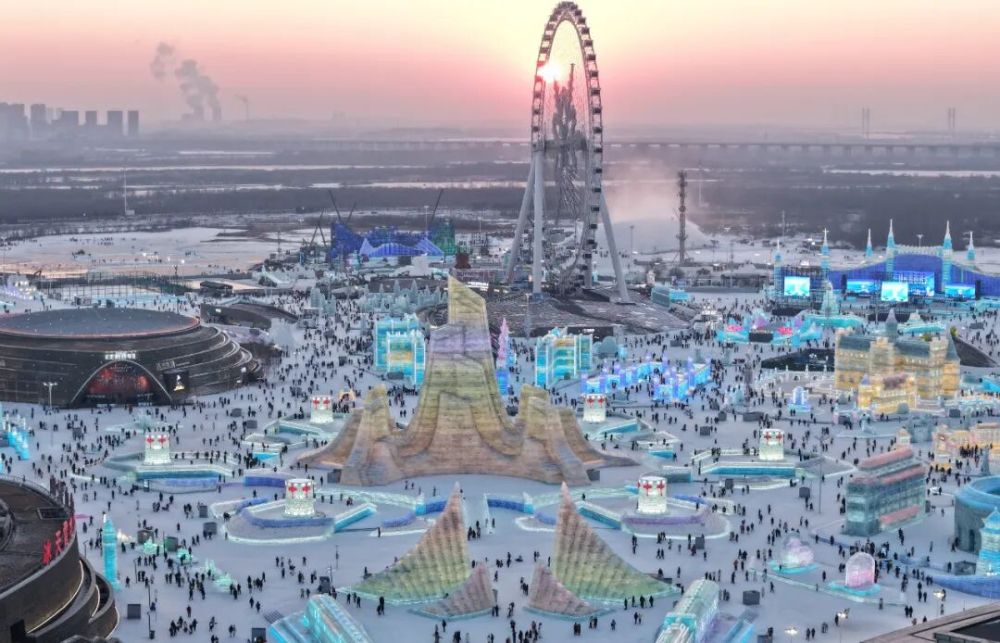
Group 1 - The winter solstice marks the shortest day and longest night of the year, symbolizing a significant transition in yin and yang, with daylight gradually increasing from this point onward [2][3] - Traditional foods associated with the winter solstice include dumplings in the north and tangyuan in the south, representing warmth and family reunion [2][3] - Various regional customs highlight the importance of the winter solstice, such as the hearty breakfast in Lanzhou and the sweet wine in Suzhou, reflecting local cultural significance [3] Group 2 - The Harbin Ice and Snow World, featuring a 19-meter tall snowman, showcases the festive spirit of winter and attracts significant attention [4][6] - Unique winter activities, such as viewing the sunset at the Summer Palace, are limited to the winter solstice period, emphasizing the seasonal beauty [7] - The recent changes in Hainan's free trade port and the arrival of inbound travelers signal economic developments and tourism opportunities in the region [9]
今日冬至 | 昼最短,夜最长,春可期
Xin Lang Cai Jing· 2025-12-21 09:22
Group 1 - The winter solstice marks the shortest day and longest night in the Northern Hemisphere, symbolizing the transition towards spring [1] - After the winter solstice, the days will gradually lengthen, indicating the beginning of the coldest period of the year, known as "the nine cold days" [3] - The traditional "Nine Songs" reflects the anticipation of warmer days, emphasizing patience during the winter season [3] Group 2 - The winter solstice is historically significant, often referred to as "as important as the New Year," where families gather for warm meals to dispel the winter chill [5] - In northern regions, people traditionally eat dumplings, while in southern regions, they prefer sweet rice balls and rice cakes, both symbolizing family unity and good wishes for the future [7] - The winter solstice serves as a time for reflection and gathering, encouraging individuals to recharge and share warmth with loved ones [9]
图说节令丨冬至大如年,为什么这一天如此重要?
Xin Lang Cai Jing· 2025-12-21 05:42
Group 1 - The winter solstice has been historically significant in China, marking the beginning of the new year since the Zhou Dynasty [3][4] - Traditional customs include honoring ancestors and nature through various rituals, such as the "winter festival" in Zhejiang Sanmen, which expresses gratitude [4][6] - The winter solstice is associated with different regional culinary traditions, with northern China favoring dumplings and southern China preferring sweet rice balls, symbolizing family reunion [6][7] Group 2 - The winter solstice historically marked a period of rest for agricultural activities, transitioning from "cat winter" to a vibrant "busy winter" in rural areas, reflecting a shift in seasonal activities [9] - The integration of cultural tourism during winter has revitalized rural economies, showcasing local traditions and attracting visitors [9]
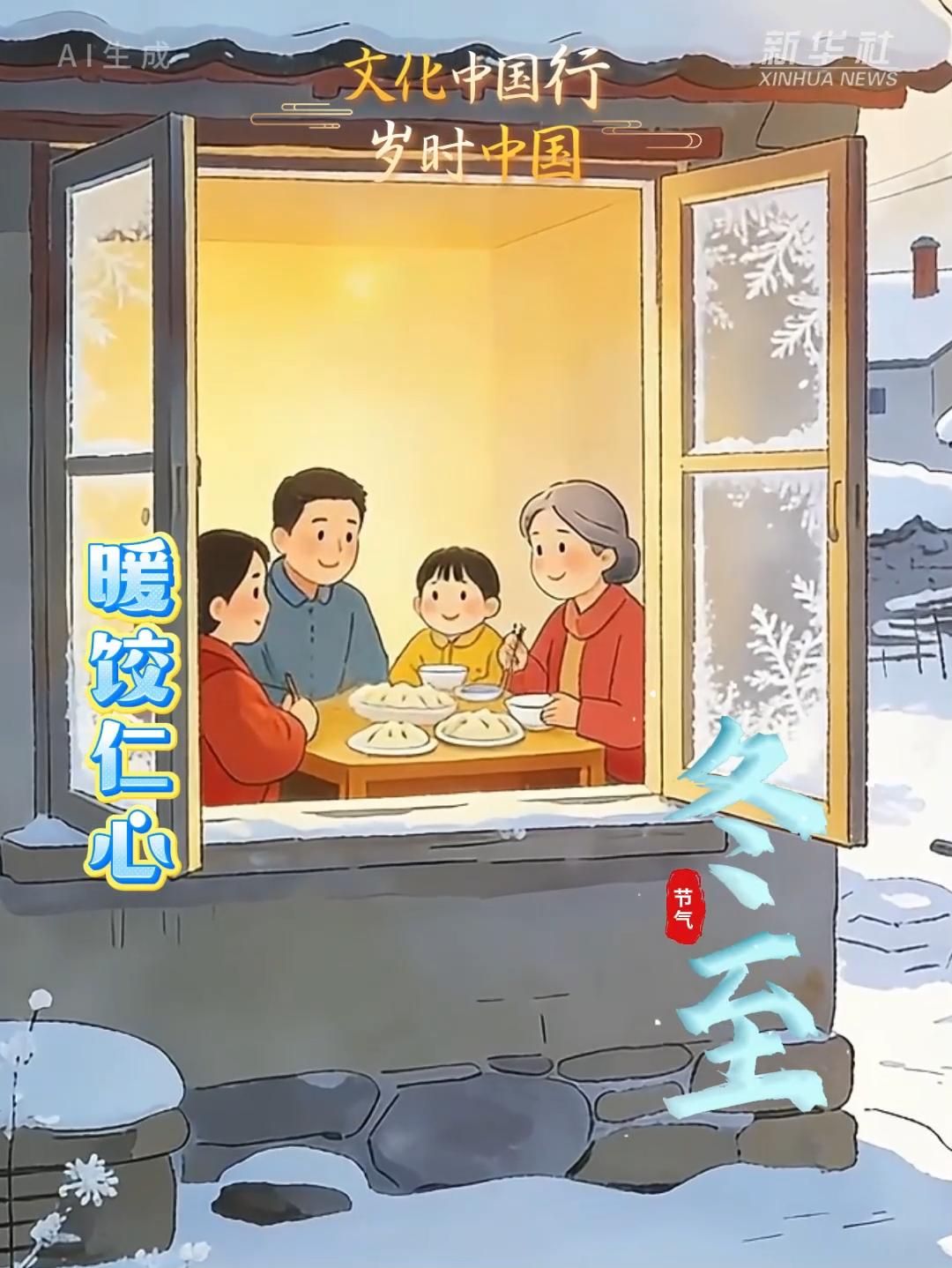
文化中国行·岁时中国|冬至:暖饺仁心
Xin Lang Cai Jing· 2025-12-21 02:11
Group 1 - The custom of eating dumplings during the winter solstice is deeply rooted in tradition, particularly in northern China, where it is believed that not eating dumplings could lead to frostbite [2][3] - The origin of this practice is attributed to Zhang Zhongjing, a renowned physician from the Eastern Han Dynasty, who created a warming dish called "Jiao Er" to help those suffering from the cold [2] - The tradition of eating dumplings has evolved from a medicinal practice to a cultural symbol that embodies warmth and care for the elderly, reflecting a long-standing cultural heritage [4]
冬 至
Ren Min Ri Bao· 2025-12-19 22:10
Group 1 - The article reflects on the significance of the winter solstice in the southern regions, particularly in the Chaoshan area, where it is celebrated with family gatherings and traditional foods like tangyuan, symbolizing reunion and warmth during the cold season [1][2] - The preparation for the winter festival includes cleaning rituals, known as "xian dun," which are performed to honor ancestors, highlighting the cultural practices surrounding this time [2][4] - The narrative emphasizes the passage of time and the importance of family traditions, as well as the migration of people from rural areas to urban centers, which affects their connection to these traditions [3][4] Group 2 - The article discusses the role of elderly family members, particularly the grandmother, in maintaining family rituals and traditions, showcasing the generational transmission of cultural practices [4][5] - It highlights the contrast between the past and present, particularly in terms of transportation and mobility, illustrating how modern vehicles connect individuals to their roots while also symbolizing separation [5][6] - The narrative touches on the emotional aspects of memory and nostalgia, particularly during festive times, and how these feelings are intertwined with cultural identity and practices among overseas Chinese communities [7]