
片区化发展

Search documents
乡村振兴,如何实现“1+1>2”效应?
Xin Lang Cai Jing· 2026-02-15 23:22
Core Viewpoint - The recent central government documents emphasize the need for "classified and orderly, regional promotion of rural revitalization" as a new focus for development, highlighting the importance of collaborative and coordinated efforts in rural areas [1] Group 1: Rural Revitalization Challenges - Rural revitalization is a complex system project involving various aspects such as industrial prosperity, ecological livability, cultural civility, effective governance, and affluent living [1] - Many villages face limitations such as small size, low population, and insufficient resources, leading to issues like repeated construction and homogeneous competition [1] Group 2: Regional Development Strategy - The concept of "regionalization" involves treating adjacent villages with related industries and complementary resources as an organic whole for coordinated planning and development [2] - This approach aims to break down administrative barriers and development isolation, fostering consensus and collaborative efforts in resource integration and infrastructure connectivity [2] Group 3: Practical Implementation - Successful implementation of regionalized rural revitalization requires tailored strategies that respect local realities and farmers' wishes, emphasizing the importance of planning and design [3] - There is a need for policy coordination and resource integration to shift from a scattered approach to a more focused and effective strategy, ensuring that the collective efforts yield greater results [3]
乡村振兴齐鲁新实践:片区推进,协同共赢
Xin Hua Wang· 2025-12-20 02:40
Core Viewpoint - The article discusses the transformation of rural areas in Shandong Province, China, through the establishment of integrated rural revitalization zones that leverage local resources and promote industrial development, resulting in significant economic growth and improved living standards for residents [1][3][12]. Group 1: Industrial Development - Shandong has established 2,070 rural revitalization zones, covering approximately one-third of its administrative villages, creating a "Qilu model" for rural revitalization [3][11]. - The integration of industries, such as the "colorful tomato" initiative in Shouguang, has led to increased market bargaining power and significant sales growth, with one village achieving a transaction volume exceeding 60 million yuan from 500,000 jin of tomatoes [2][3]. - The development of specialized agricultural zones has resulted in substantial income increases for farmers, with average annual incomes in some villages rising from less than 50,000 yuan to over 200,000 yuan [2][3]. Group 2: Resource Optimization - The article highlights the importance of resource integration across villages to enhance efficiency and service delivery, with examples of successful collaborations leading to increased collective income [6][7]. - The establishment of cooperative models, such as the "rural revitalization partner" initiative, has facilitated the development of new business ventures and job creation in rural areas [10][11]. - The integration of cultural and natural resources in areas like Yangjiashan has attracted significant tourism, generating over 100 million yuan in annual revenue [5][11]. Group 3: Policy and Governance - Shandong's government has implemented policies to support the development of rural revitalization zones, including financial incentives and a structured policy framework to guide local initiatives [11][12]. - The establishment of a "development community" model aims to create self-sustaining rural economies by fostering collaboration among neighboring villages [11][12]. - The focus on coordinated development within rural revitalization zones addresses challenges related to infrastructure, public services, and resource management, promoting a holistic approach to rural growth [11][12].
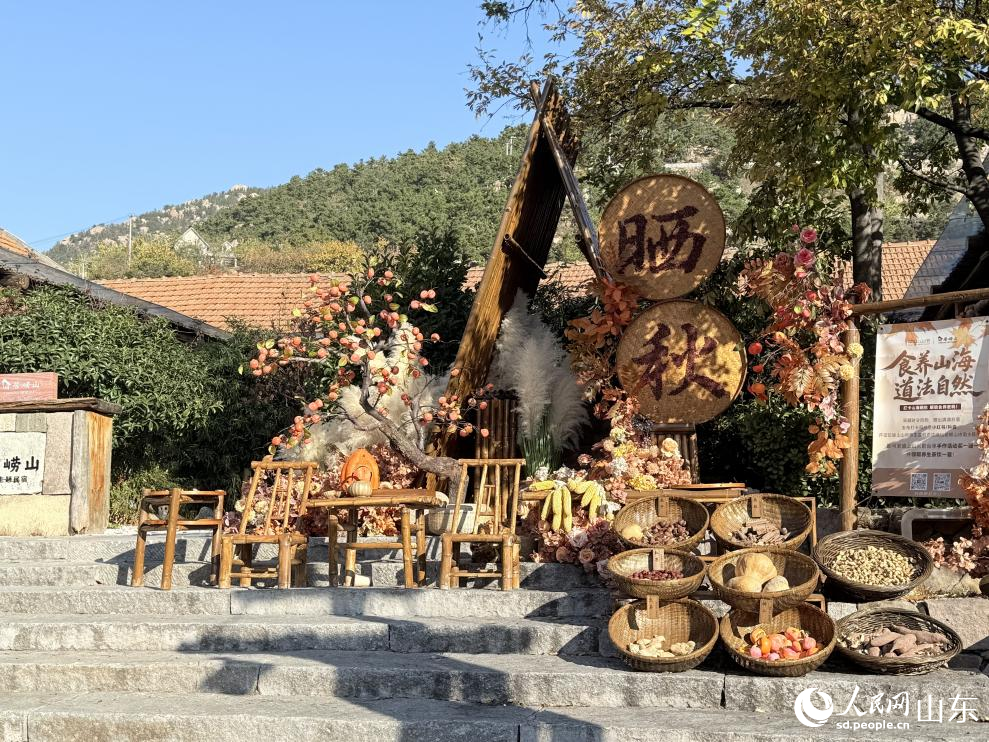
青岛:清流湾畔民宿兴,杨家山里烟火浓
Ren Min Wang· 2025-11-29 11:04
Core Insights - The transformation of Dong Mai Yao Village into a thriving tourism destination through the development of homestays has significantly improved the local economy and residents' livelihoods [6][12]. Group 1: Economic Impact - The village has shifted from debt and poor living conditions in 2014 to generating an annual income of 60,000 yuan from rent and additional earnings from homestay jobs [6]. - In Xi Mai Yao Village, 128 out of 174 households have started homestays, receiving over 180,000 visitors annually and achieving accommodation revenue exceeding 35 million yuan [7]. - The integration of resources among eight villages in the Liqing Bay area has led to a collective tourism revenue of over 400 million yuan [8]. Group 2: Infrastructure and Development - The village has undergone significant infrastructure improvements, including the installation of underground power lines, sewage systems, and natural gas, transforming the area into a picturesque destination [6]. - The establishment of a tourism homestay alliance has consolidated over 300 quality homestays, enhancing the overall visitor experience [8]. Group 3: Community Engagement and Innovation - The introduction of a "721 profit-sharing" model allows for equitable distribution of income from agricultural products, fostering a sustainable economic cycle among villagers [11]. - The development of a comprehensive rural revitalization platform has streamlined operations and services, catering to tourist demands effectively [10]. Group 4: Cultural and Environmental Integration - The area has embraced its historical and ecological heritage, creating educational sites and filming locations that attract additional tourism [10]. - The focus on preserving local culture and natural beauty has resulted in a unique tourism experience that emphasizes authenticity and community involvement [12].

从“单村独斗”到“片区共生”:农业大省乡村振兴的组团发展样本
经济观察报· 2025-11-28 13:27
Core Viewpoint - Shandong province is implementing a "regionalization" approach to rural revitalization, integrating nearby villages to overcome challenges such as resource dispersion, weak industries, and population outflow, with 2,070 regional units established covering over 18,000 administrative villages [1][3][2] Group 1: Regionalization Concept - "Regionalization" involves grouping nearby villages with similar functions and development potential to plan and build collectively based on community needs [2][3] - The approach aims to address common issues in rural revitalization, such as small village sizes and limited resources, which hinder the integration of external factors [2][3] Group 2: Case Studies of Regionalization - The "Golden Mountain and Silver Sea" rural revitalization area in Yantai has established 17 supporting companies around the gold industry, generating over 6 million yuan in collective income and providing employment for over 1,000 villagers [7][8] - The Qingdao West Coast New Area's regionalization project integrates 10 villages, focusing on ecological preservation while promoting tourism and agriculture, resulting in over 60 million annual visitors and 100 million yuan in tourism revenue [12][13] Group 3: Mechanism Innovation - Mechanism innovation is crucial for activating development vitality, with Shandong employing cross-village cooperation, party leadership, and village-enterprise partnerships to enhance rural development [17][18] - In Feixian County, a new governance structure was established to promote differentiated development across four small regions, leading to significant economic growth and job creation [17][18] Group 4: Sustainable Development - The "Colorful Tomato" rural revitalization area in Shouguang focuses on creating a comprehensive tomato industry chain, achieving an annual production of 350,000 tons and significantly increasing local farmers' incomes [21][22] - The integration of modern agricultural practices and cooperative models has attracted young entrepreneurs back to rural areas, enhancing local economies and promoting sustainable growth [21][22][23]

探寻乡村振兴片区化发展的山东密码
Jing Ji Guan Cha Wang· 2025-11-22 16:12
Group 1 - The article highlights the theme of "regional-led rural revitalization" in Shandong, showcasing six cities that have developed unique paths based on their resource endowments [1] - The cities have adopted various strategies such as deep processing of traditional agriculture, integration of agriculture with culture and tourism, and technological empowerment to modernize agriculture [1][3] - A common theme among these cities is the focus on core industries to optimize resource allocation, extend industrial chains, and enhance community benefits through collective interests [1][2] Group 2 - In Zaozhuang, the pomegranate industry has become a significant source of income, with a new operational model that allows farmers to retain all sales revenue, leading to an average income increase of 23,000 yuan per household [2] - Jining's edible mushroom industry is a major economic pillar, with a production area of 26 million square meters and an annual output value exceeding 3.5 billion yuan, employing nearly 30,000 people [3] - The integration of traditional agriculture with new business models, such as the collaboration between agricultural research institutes and local farmers, has led to increased yields and economic diversification [4][5] Group 3 - The revitalization of traditional crafts, such as the Gongbi Peony painting in Heze, has created job opportunities for thousands of villagers, with some earning around 6,000 yuan monthly through art [5] - The "Nine Villages" project in Dong'a County focuses on ecological protection while developing industries like mugwort cultivation, attracting 234 million yuan in social capital [6] - The peach industry in Feicheng has evolved from primary agriculture to a model that integrates cultural tourism, significantly increasing local farmers' incomes and creating job opportunities [7]
特色产业绘就农文旅融合发展“龙山样板”
Qi Lu Wan Bao· 2025-09-25 22:16
Core Viewpoint - The article highlights the successful implementation of a "cultural and agricultural tourism integration" development model in Longshan Street, focusing on the goal of "strong villages and common prosperity" through cultural empowerment, collaborative development, brand leadership, and coordinated services [1] Cultural Empowerment - Longshan Street has established a "cultural + agriculture + tourism" integration system, creating a demonstration area named "Cultural Longshan. Memory of the Countryside" by connecting 19 villages' cultural, industrial, and land resources [1] - Seasonal cultural tourism IPs have been developed, including various festivals and activities that attracted over 1 million visitors and generated sales of over 50 million yuan in agricultural products [1] - Immersive experience nodes have been created, receiving over 80 study groups and involving more than 5,000 participants, leading to the creation of over 300 jobs [1] Collaborative Development - The focus is on the synergistic development of local specialty industries, with significant investments in projects like "Berry Fragrance Longshan," which has increased strawberry planting area to over 5,000 acres, generating additional income of over 160,000 yuan for 11 villages [2] - The cultivation of dragon mountain raspberries has expanded to 13,200 acres nationwide, benefiting 1,072 farmers, while dragon mountain millet has reached over 3,000 acres and won multiple awards [2] - Technological empowerment is emphasized through collaborations with agricultural research institutions to enhance cultivation techniques and establish resource banks [2] Brand Leadership - The establishment of the "Longshan Flavor" regional public brand has led to the creation of an integrated online and offline sales system, including the launch of the Longshan Flavor Dream Factory [3] - Over 700 fresh tofu workshops and more than 100 nationwide partnerships for Longshan tofu have been developed, creating over 1,600 job opportunities [3] - The brand value of "Longshan Flavor" has surpassed 100 million yuan, positively impacting over 15 villages and benefiting more than 3,000 people [3] Coordinated Services - A comprehensive interest connection mechanism has been established to support the development of specialty industries, with over 50 meetings held to address investment, sales, and conflict resolution challenges [4] - The industrial development environment has been optimized through infrastructure improvements and community management initiatives, including over 2,500 clean-up events [4][5] - Collaborative efforts with local governance and mediation centers have effectively resolved 12 industrial disputes and addressed 88 farmer requests, fostering a conducive development environment [5]