猝死

Search documents
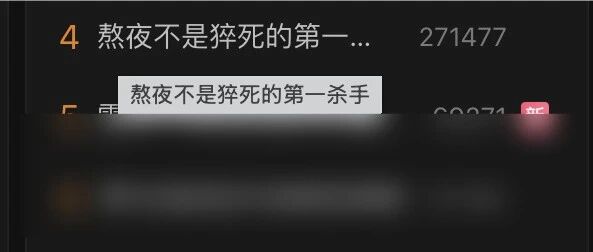
熬夜不是猝死第一杀手!这个隐患才最致命
程序员的那些事· 2026-03-26 02:55
Group 1 - The sudden death of Zhang Xuefeng has sparked public discussions about sudden cardiac death, highlighting that "staying up late is not the primary killer" [1] - More than 80% of sudden cardiac deaths are heart-related, primarily due to underlying heart diseases such as hidden heart disease, coronary heart disease, and malignant arrhythmias. Staying up late is a high-risk trigger rather than the main cause [2] - Staying up late can lead to increased sympathetic nervous system activity, elevated heart rate, and higher blood pressure, which can overload the heart and increase the risk of vascular spasms. For those without underlying heart conditions, staying up late mainly harms the body; for those with hidden heart diseases, it can be the final straw [2] Group 2 - Other significant risk factors for sudden cardiac death include uncontrolled hypertension, hyperlipidemia, hyperglycemia, smoking, excessive drinking, binge eating, prolonged stress, emotional fluctuations, and sudden intense exercise after staying up late [2] - Many young individuals underestimate warning signs such as chest tightness, palpitations, and dizziness, often missing critical rescue opportunities during acute episodes [2] - Preventing sudden cardiac death requires more than just going to bed early; regular check-ups like ECGs and cardiac ultrasounds are essential to identify hidden risks. The focus should not solely be on staying up late, but rather on the heart's underlying issues [2]

和猝死的对抗
晚点LatePost· 2026-03-25 01:52
Core Viewpoint - Sudden cardiac death is a growing concern among young professionals, particularly in high-pressure work environments, reflecting broader societal anxieties about health and work culture [2][9][22]. Group 1: Incidents and Statistics - Sudden cardiac death incidents have been reported among employees in major companies, including those in the tech industry, highlighting the prevalence of this issue [4][5][6]. - The statistic often cited is that approximately 544,000 people die from sudden cardiac death in China each year, with a more alarming estimate suggesting that the actual number could be around 1 million annually [6][7]. - The perception of sudden cardiac death has shifted from being an "elderly disease" to affecting younger individuals, with cases reported in people as young as 23 [5][6]. Group 2: Lifestyle Factors - Factors contributing to sudden cardiac death include smoking, excessive drinking, lack of sleep, prolonged work hours, and chronic stress [7][13]. - The "996" work culture, characterized by long hours and high stress, exacerbates health risks among young professionals [2][9]. - Many individuals, despite being aware of the risks, feel compelled to continue their high-pressure lifestyles due to societal and economic pressures [8][9]. Group 3: Medical Insights and Emergency Response - Sudden cardiac death is often caused by acute heart conditions such as cardiac arrest, which can occur even in seemingly healthy individuals [10][15]. - The success rate of resuscitation decreases significantly with time; immediate treatment within minutes is crucial for survival [16][17]. - The average response time for ambulances in China is about 15 minutes, which is often too late for effective intervention in cases of sudden cardiac death [17][18]. Group 4: AED and Public Awareness - The availability and awareness of Automated External Defibrillators (AEDs) are critical in emergency situations, yet their distribution and accessibility in public spaces remain inadequate [19][20][21]. - Public discussions and awareness campaigns have increased following high-profile sudden death incidents, leading to some companies installing AEDs and providing training [23][24]. - Despite improvements, there is still a significant gap in public knowledge and readiness to use AEDs effectively during emergencies [29][30].

年仅40岁云海肴创始人猝然离世,如何识别心梗与自救
21世纪经济报道· 2025-09-20 02:25
Core Viewpoint - The article highlights the increasing incidence of acute myocardial infarction (AMI) and its alarming trend among younger individuals, emphasizing the need for awareness and preventive measures against heart diseases [5][9]. Group 1: Incidence and Trends - The mortality rate from acute myocardial infarction in China has shown an overall upward trend from 2002 to 2021, with rural areas experiencing a significant increase since 2012, surpassing urban rates [7]. - A report from the World Health Organization (WHO) and the International Labour Organization (ILO) indicates that long working hours contribute to health risks, with 745,000 deaths globally attributed to long working hours in one year [10]. Group 2: Risk Factors - Key risk factors for acute myocardial infarction include chronic conditions such as hypertension, hyperlipidemia, and diabetes, along with lifestyle choices like smoking, obesity, and lack of exercise [7][12]. - Acute stress events, such as sudden emotional distress or intense physical activity, can trigger heart attacks, especially in individuals with pre-existing conditions [7]. Group 3: Symptoms and Self-Rescue - Symptoms of acute myocardial infarction may include sudden chest discomfort, pain radiating to the left shoulder or arm, shortness of breath, sweating, and feelings of impending doom [8]. - Immediate self-rescue measures include stopping all activities, resting, calling emergency services, and using emergency medications like nitroglycerin or aspirin [8]. Group 4: Prevention Strategies - Preventive measures against sudden cardiac death include regular health screenings, lifestyle modifications such as a low-salt, low-fat diet, regular exercise, and maintaining mental health [11][12]. - Public awareness of warning signs preceding sudden cardiac death is crucial, as many patients may experience symptoms like fatigue, shortness of breath, or chest pain before an event [11].