心源性猝死

Search documents
40至55岁是心脏易损期猝死高发,专家呼吁发动外卖小哥建立急救网络
第一财经· 2026-03-29 15:45
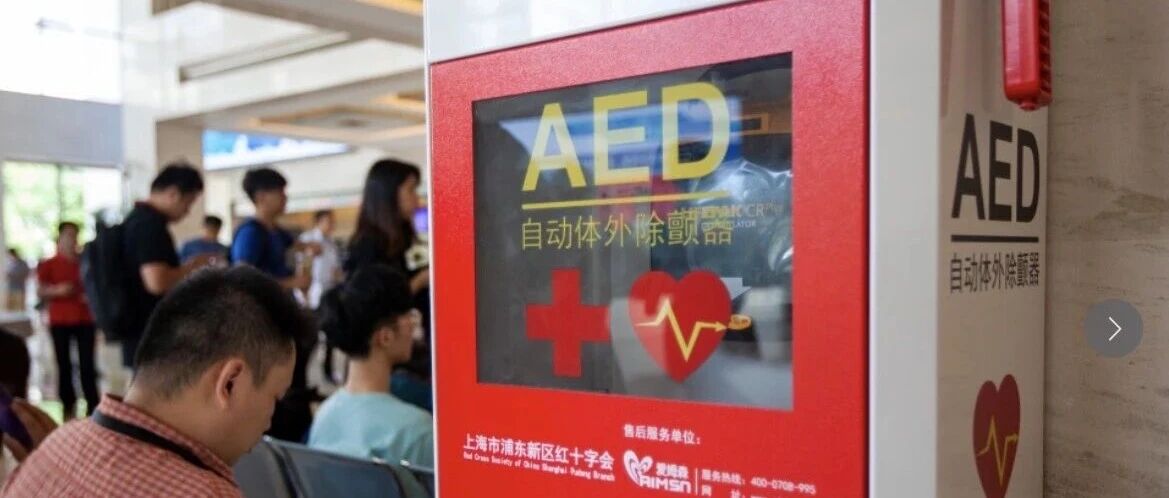
Core Viewpoint - The recent death of "internet celebrity teacher" Zhang Xuefeng has sparked widespread attention on the issue of sudden cardiac death, particularly among young people, highlighting the need for improved emergency response systems and public awareness of heart health [3][4]. Group 1: Sudden Cardiac Death in Young People - Sudden cardiac death is increasingly prevalent among young individuals, particularly during the "vulnerable period" between ages 40 and 55, due to factors like unstable plaques and sudden blood pressure spikes [3]. - Approximately 540,000 cases of sudden cardiac death occur annually in China, often preceded by symptoms such as chest discomfort and arrhythmias [3]. Group 2: Emergency Response and AED Utilization - Despite the installation of Automated External Defibrillators (AEDs) in public places, their actual usage remains low due to limited training and legal concerns [4]. - There is a proposal to leverage the presence of delivery personnel and ride-hailing drivers to create a more extensive emergency response network, with training and incentives for these individuals to use AEDs [4]. Group 3: Community Involvement in Emergency Services - Initiatives are underway to integrate delivery workers and ride-hailing drivers into the emergency response system, with training programs being developed to equip them with lifesaving skills [4]. - The "Didi Car-mounted AED Volunteer Service" project aims to recruit qualified ride-hailing drivers to serve as mobile emergency response nodes by equipping their vehicles with AEDs [4]. Group 4: Broader Implications of AED Accessibility - Experts suggest that making AEDs more accessible in private vehicles could enhance public awareness of emergency response and increase the likelihood of successful resuscitation during critical moments [5].

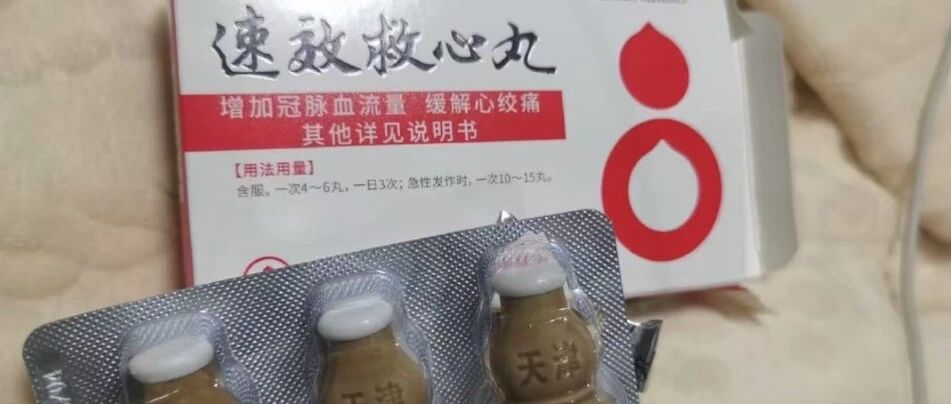
速效救心丸销量上涨10倍
盐财经· 2026-03-29 09:52
Core Viewpoint - The surge in demand for heart-related medications and health products, particularly among younger demographics, raises questions about their effectiveness and the importance of proper medical guidance [2][3][5]. Group 1: Surge in Demand for Heart Medications - Recent data shows that the search volume for heart medications like "速效救心丸" has increased over 30 times year-on-year, with sales of "速效救心丸" growing over 10 times [2]. - The demographic shift indicates that users aged 36 to 45 now account for over 53% of the buyers of "速效救心丸," a significant increase from previous years [3]. Group 2: Effectiveness of Medications - Experts clarify that "速效救心丸" and nitroglycerin are emergency medications for acute coronary conditions but are ineffective for patients who have already experienced cardiac arrest [5]. - Misuse of these medications can lead to adverse effects, especially in cases of malignant arrhythmias, where they may lower blood pressure and induce shock [5][6]. Group 3: Popularity of Health Supplements - Health supplements marketed as "anti-sudden death packages" have gained traction, often including Coenzyme Q10, fish oil, and various vitamins, but experts warn they cannot replace proper medical treatment [9][12]. - The claim that these supplements can prevent sudden cardiac death is misleading, as they primarily serve as nutritional support rather than therapeutic solutions [12]. Group 4: Recommendations for AED Usage - The automatic external defibrillator (AED) is crucial for high-risk patients, but most households without risk factors do not need to have one [13][15]. - AEDs are recommended for families with a history of serious heart conditions, while public places increasingly provide access to these devices [15]. Group 5: Prevention of Cardiac Events - Experts emphasize the importance of recognizing early symptoms of heart issues and seeking timely medical attention, particularly for high-risk individuals [16][17]. - Maintaining a healthy lifestyle and managing stress are fundamental to heart health, suggesting that proactive health management is more beneficial than stockpiling medications [17].

心源性猝死引关注!心脏药物搜索量激增30倍,专家提醒三大护心关键
21世纪经济报道· 2026-03-28 06:20
Core Insights - The article highlights the increasing public concern over sudden cardiac arrest incidents, leading to a surge in the demand for heart-related medications and supplements [1][4]. Group 1: Surge in Demand for Heart Medications - There has been a significant increase in the search volume for heart medications such as "速效救心丸" and "硝酸甘油," with a reported growth of over 30 times compared to previous periods [1]. - The search volume for AEDs and related medical devices has increased tenfold, while the demand for heart health supplements like Coenzyme Q10 has surged by over eight times [1]. Group 2: Expert Opinions on Heart Health - Experts caution that relying solely on medications like nitroglycerin may not be safe, especially in cases of low blood pressure, as it can lead to severe complications [4]. - The article emphasizes the importance of immediate CPR and the use of AEDs in improving survival rates for cardiac arrest victims [4]. Group 3: Heart Health Management Recommendations - Recommendations for high-pressure professionals include maintaining a regular sleep schedule of at least 6 hours, engaging in 2-3 hours of aerobic exercise weekly, and avoiding excessive consumption of high-carb or high-fat foods, particularly at dinner [5]. - Reducing smoking and managing body weight to maintain a healthy BMI are also advised to protect cardiovascular health [5].
熬夜、三高、过劳,谁是心源性猝死头号推手
21世纪经济报道· 2026-03-27 11:20
Core Viewpoint - The article highlights the increasing incidence of sudden cardiac arrest and its implications for public health, emphasizing the need for awareness and preventive measures against sudden cardiac death, particularly in seemingly healthy individuals and athletes [1][4]. Group 1: Causes and Risk Factors - Sudden cardiac death is primarily caused by underlying heart conditions, which may not be apparent until triggered by physical exertion or stress [4][5]. - Common risk factors include structural heart diseases, primary electrical abnormalities, and acquired conditions that lead to arrhythmias, especially under high-stress situations [4][6]. - The prevalence of sudden cardiac death is significant, accounting for approximately 15% of all deaths, making it a major cause of cardiovascular mortality [8]. Group 2: Prevention and Management - Regular health assessments are crucial for high-risk groups, particularly those over 40 or with a family history of heart disease, to identify potential cardiovascular issues early [12][13]. - Lifestyle modifications, including maintaining a balanced diet, regular exercise, and adequate sleep, are essential for managing cardiovascular health and reducing the risk of sudden cardiac death [10][11]. - The use of advanced diagnostic tools, such as coronary CT scans and carotid ultrasound, can help in early detection of atherosclerosis and other cardiovascular risks [12][13]. Group 3: Emergency Response - Immediate action, such as performing CPR and using an Automated External Defibrillator (AED), is critical in cases of cardiac arrest to improve survival chances [14][15]. - Public education on CPR and the availability of AEDs in public spaces are vital for enhancing emergency response capabilities during sudden cardiac events [14].
中年男人到底还能不能跑步了?
虎嗅APP· 2026-03-26 14:24
Core Viewpoint - The article discusses the relationship between running, particularly among middle-aged men, and the risk of sudden cardiac death, highlighting that middle-aged individuals are more susceptible to such incidents compared to younger individuals [5][6]. Group 1: Sudden Cardiac Death (SCD) in Different Age Groups - Sudden cardiac death (SCD) is primarily categorized into three types: cardiac, pulmonary, and cerebral, with a focus on cardiac SCD in the article [8]. - The average age of SCD cases is reported to be 41.6 years, with over 57.6% being cardiac-related, and the peak age range for these incidents is between 31 to 63 years [13][14]. - The article emphasizes that middle-aged individuals are indeed more prone to SCD, countering the notion that young people are increasingly affected by such events [15]. Group 2: Running Participation Among Middle-aged Individuals - Data from the "China Road Running Event White Paper 2025" indicates that a significant portion of runners are aged between 35 to 59 years, accounting for 68.8% of participants [18][19]. - The trend of older participants in marathons is not unique to China; studies from the UK show an increase in the age of marathon runners over the years [19]. Group 3: Risk Factors for SCD in Middle-aged Male Runners - The article states that middle-aged male runners are at a higher risk of SCD, with 79.4% of marathon participants being male, and 73.3% of these males falling within the 35 to 59 age range [23][24]. - Factors contributing to this increased risk include a higher prevalence of underlying health issues such as obesity and a history of smoking and drinking, which are linked to cardiovascular problems [25][28]. - Studies indicate that the likelihood of cardiac arrest increases significantly with age, particularly among males aged 35 to 59, where the risk can reach 30% to 40% [24]. Group 4: Comparison of Running with Other Sports - The article presents data showing that the incidence of cardiac arrest during marathons is relatively low compared to other sports, with a rate of 0.54 cases per 100,000 participants in the U.S. [30]. - However, the risk of cardiac events increases with the length of the race, with marathon distances presenting a higher risk compared to shorter races [31]. - The presence of medical support during marathons has contributed to a decrease in mortality rates associated with running events, highlighting the importance of emergency response capabilities [32][33]. Group 5: Recommendations for Middle-aged Runners - The article suggests that middle-aged men who wish to run should undergo thorough cardiovascular health checks before starting a running regimen [39]. - It emphasizes the importance of understanding personal health goals, maintaining a balanced lifestyle, and recognizing the limits of one's physical capabilities to avoid overexertion [39][40].

速效救心丸销量上涨10倍,中年人成购买主力
第一财经· 2026-03-26 13:55
Core Viewpoint - The article highlights a significant surge in the sales of emergency medications, particularly nitroglycerin and rapid heart rescue pills, following increased public concern over sudden cardiac death incidents. Group 1: Sales Data and User Demographics - From March 24 to March 26, the sales of nitroglycerin-related medications increased nearly 19 times year-on-year, while the sales of rapid heart rescue pills grew over 10 times [3] - Users aged 36 to 45 accounted for over 53% of those searching for rapid heart rescue pills, with a year-on-year increase of over 50%. Users aged 26 to 35 made up 23% of the searches. The top three cities for purchases were Shenzhen, Guangzhou, and Chengdu [3] - For nitroglycerin, users aged 36 to 45 represented over 51% of searches, while those aged 26 to 35 accounted for 22%. The top three provinces for searches were Guangdong, Jiangsu, and Shandong [3] Group 2: Medical Insights and Limitations - Rapid heart rescue pills, often seen as a remedy for older adults, are increasingly being used by younger individuals as a daily medication or "fatigue-fighting" tool [5] - These pills are used for treating angina pectoris and work by dilating coronary arteries to alleviate symptoms. However, they are not a universal solution and have clear side effects [6] - Medical professionals emphasize that while these medications can provide short-term relief for angina, they are not effective for preventing heart attacks and should not be used as a preventive measure against fatigue [7] - Both rapid heart rescue pills and nitroglycerin have specific side effects, including headaches, low blood pressure, and potential heart palpitations [7] Group 3: Emergency Response - Even if medications alleviate chest pain symptoms, it is crucial to seek medical attention promptly for further evaluation and treatment of underlying conditions [8] - These emergency medications do not treat cardiac arrest; immediate CPR and the use of an AED are necessary in such cases [8]

速效救心丸成交额同比增长超10倍
第一财经· 2026-03-26 10:00
Group 1 - The core viewpoint of the article highlights a significant increase in sales of nitroglycerin-related medications and rapid heart rescue pills on JD's pharmaceutical platform, indicating a growing demand for these products due to rising health concerns [1][2]. Group 2 - From March 24, 20:00 to March 26, 17:00, the sales revenue of nitroglycerin-related drugs increased nearly 19 times compared to the same period last year [1]. - The sales revenue of rapid heart rescue pills grew over 10 times year-on-year during the same timeframe [1].
熬夜不是猝死第一杀手!这个隐患才最致命
程序员的那些事· 2026-03-26 02:55
Group 1 - The sudden death of Zhang Xuefeng has sparked public discussions about sudden cardiac death, highlighting that "staying up late is not the primary killer" [1] - More than 80% of sudden cardiac deaths are heart-related, primarily due to underlying heart diseases such as hidden heart disease, coronary heart disease, and malignant arrhythmias. Staying up late is a high-risk trigger rather than the main cause [2] - Staying up late can lead to increased sympathetic nervous system activity, elevated heart rate, and higher blood pressure, which can overload the heart and increase the risk of vascular spasms. For those without underlying heart conditions, staying up late mainly harms the body; for those with hidden heart diseases, it can be the final straw [2] Group 2 - Other significant risk factors for sudden cardiac death include uncontrolled hypertension, hyperlipidemia, hyperglycemia, smoking, excessive drinking, binge eating, prolonged stress, emotional fluctuations, and sudden intense exercise after staying up late [2] - Many young individuals underestimate warning signs such as chest tightness, palpitations, and dizziness, often missing critical rescue opportunities during acute episodes [2] - Preventing sudden cardiac death requires more than just going to bed early; regular check-ups like ECGs and cardiac ultrasounds are essential to identify hidden risks. The focus should not solely be on staying up late, but rather on the heart's underlying issues [2]
啥是心源性猝死?有何征兆?怎样识别?如何防治?
新华网财经· 2026-03-25 05:38
Core Viewpoint - Sudden cardiac death, particularly of cardiac origin, is a significant health concern, with a high incidence linked to underlying heart diseases. Recognizing warning signs and managing health risks are crucial for reducing the likelihood of such events [2][5][9]. Group 1: Understanding Sudden Cardiac Death - Sudden cardiac death is one of the most common types of sudden death, characterized by abrupt onset and a very short window for rescue [2][5]. - Approximately 70-80% of sudden death cases are associated with heart diseases, including coronary heart disease and severe arrhythmias [5]. - The definition of sudden cardiac death includes natural death occurring within one hour of the onset of symptoms due to cardiac causes [5]. Group 2: High-Risk Populations - Individuals with specific underlying heart conditions, such as coronary heart disease, heart failure, and certain cardiomyopathies, are at the highest risk for sudden cardiac death [6]. - Survivors of cardiac arrest and those with a history of unexplained syncope, particularly related to arrhythmias, are also at elevated risk [6][8]. - Family history of sudden cardiac death or hereditary heart conditions significantly increases risk [8]. - Patients with end-stage renal disease and poorly controlled chronic conditions like diabetes also face higher risks [8][21]. Group 3: Warning Signs and Symptoms - Common pre-warning symptoms include new or worsening chest pain, palpitations, syncope, dizziness, fatigue, and cold sweats, which may occur hours or days before an event [10][12][13][14][15][16]. - Specific symptoms to monitor include: - Chest discomfort during exertion or emotional stress [12]. - Irregular heartbeats or sudden changes in heart rate [13]. - Unexplained fainting or near-fainting episodes [14]. - Increased shortness of breath or fatigue during normal activities [15]. - Signs of oxygen deprivation, such as cold sweat or pale complexion [16]. Group 4: Prevention and Health Management - Regular health check-ups, especially for individuals over 40 or those with a family history of cardiovascular diseases, are essential [19]. - Managing cardiovascular risk factors through diet, smoking cessation, and weight control is crucial [21]. - Maintaining a balanced lifestyle and avoiding excessive stress and fatigue can help mitigate risks, particularly among younger populations [22].

为什么突发心梗的年轻人越来越多了?
36氪· 2026-03-24 15:39
Core Viewpoint - The article highlights the alarming trend of myocardial infarction (heart attack) occurring in younger individuals, emphasizing the need for increased awareness and preventive measures among this demographic [9][20]. Group 1: Incidence and Risk Factors - Myocardial infarction is no longer an issue exclusive to the elderly, with 26.14% of new cases in China occurring in individuals under 45 years old, equating to approximately 1 in 4 heart attack patients being young [20]. - Key risk factors for young individuals include smoking, irregular lifestyle, and neglect of underlying health conditions such as hypertension and high cholesterol [20][21][24]. Group 2: Symptoms and Misinterpretation - Symptoms of heart attacks can manifest in various forms, such as shoulder pain, chest discomfort, and even dental pain, leading to misdiagnosis and delayed treatment [15][16]. - Young patients often rationalize their symptoms, attributing them to fatigue or stress, which can result in significant delays in seeking medical help [28][29]. Group 3: Treatment and Recovery - Young patients typically experience less severe blockages, allowing for simpler and more effective surgical interventions, with quicker recovery times compared to older patients [27]. - However, the lack of awareness and urgency in recognizing symptoms can lead to missed treatment windows, significantly impacting recovery outcomes [32]. Group 4: Lifestyle Changes Post-Diagnosis - Many young patients undergo significant lifestyle changes after experiencing a heart attack, focusing on diet, exercise, and overall health management to prevent recurrence [37][38]. - The psychological impact of surviving a heart attack often leads to a reevaluation of life priorities, with health becoming a primary concern for many individuals [36][38].