
生态与产业融合

Search documents
马踏春风至 幸福启新程
Zhong Guo Zi Ran Zi Yuan Bao· 2026-02-26 03:41
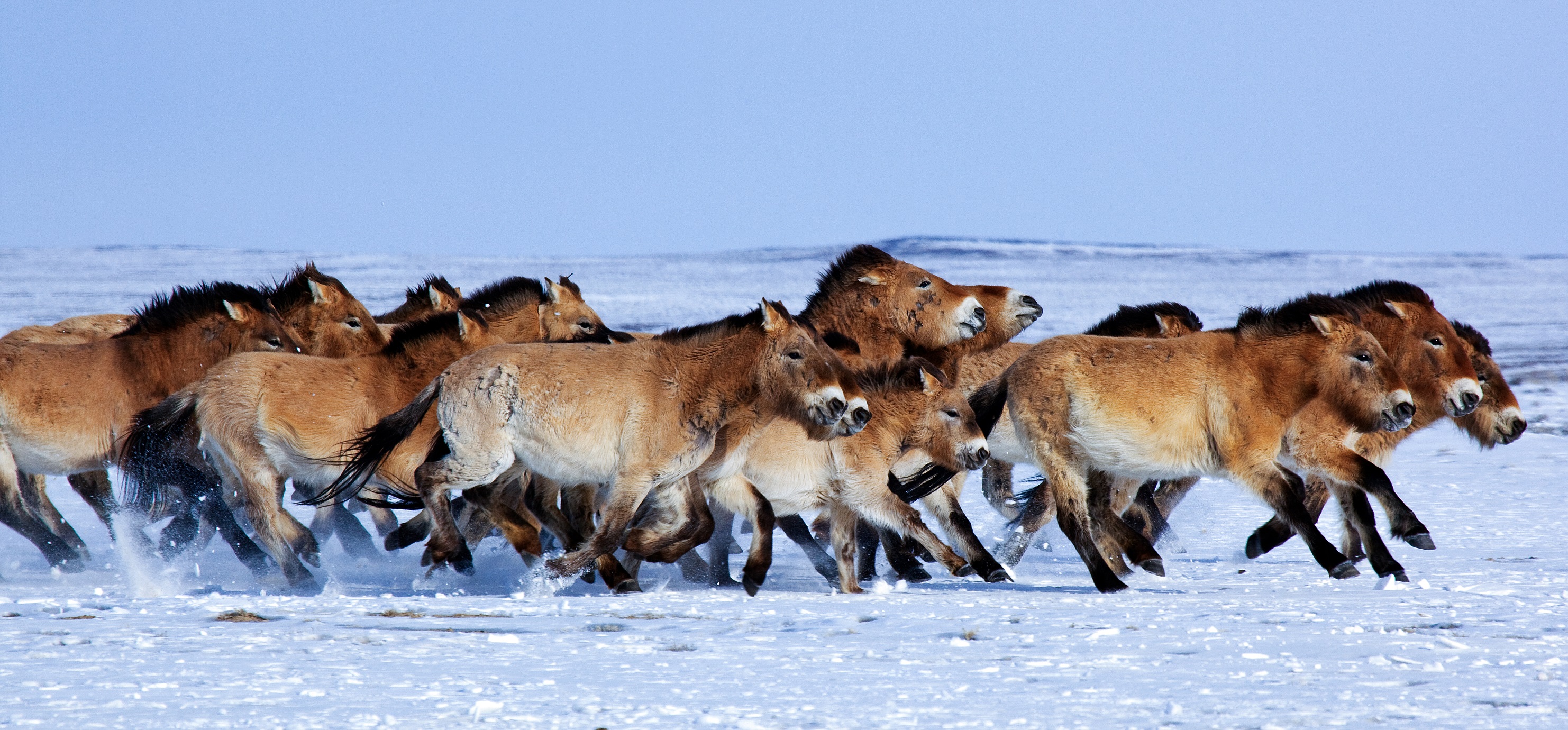
Group 1 - The core theme of the article highlights the successful integration of the Przewalski's horse as a mascot for the 2026 Spring Festival Gala, symbolizing ecological conservation efforts in Xinjiang [3][4] - The Przewalski's horse is the only existing wild horse species, with significant conservation efforts initiated in 1985, leading to the establishment of a breeding base in Xinjiang [4] - The Karamayli Mountain Nature Reserve has become a core habitat for the Przewalski's horse, with over 900 horses bred, representing one-third of the global population [5][4] Group 2 - The article discusses the ecological and economic benefits of the "land + forest" resource asset combination project in Luzhou, Sichuan, which has successfully generated significant revenue and employment for local farmers [6][7] - The project involved the integration of collective forest land and construction land, resulting in a total area of 727.8 acres, and generated a total revenue of 321.5 million yuan [7] - The initiative has created job opportunities for around 110 local workers, with an average annual income increase of nearly 10,000 yuan per worker [7] Group 3 - The article describes the transformation of abandoned coal mines in Pingdingshan, Henan, into an ecological tourism complex, showcasing a successful model of ecological restoration and economic development [10][12] - The project has attracted approximately 2.7 billion yuan in social capital for ecological restoration, effectively addressing geological hazards and soil pollution [10] - The "Xiaoyao Miaojing" rural homestay cultural park has received nearly 100,000 visitors, creating over 400 job opportunities for local residents [12] Group 4 - The article outlines the comprehensive land reform project in Jingxian, Anhui, which aims to enhance agricultural productivity and improve living conditions for residents [17][20] - The project has a total investment of approximately 3.77 billion yuan, focusing on land consolidation, ecological protection, and infrastructure development [17] - The relocation of residents to new housing has been well-received, with various compensation options provided to ensure satisfaction among the displaced households [20][21] Group 5 - The article highlights the booming peony industry in Heze, Shandong, with an expected production of over 600,000 pots of forced peonies for the 2026 Spring Festival [23][25] - The industry has developed a collaborative production system involving leading enterprises, cooperatives, and individual farmers, enhancing overall efficiency [25] - The shift towards online sales and e-commerce has transformed the marketing strategy for peonies, contributing to increased income for flower farmers and promoting rural revitalization [25][26]

红树林十年“长”五成的背后
Zhong Guo Zi Ran Zi Yuan Bao· 2025-12-05 07:15
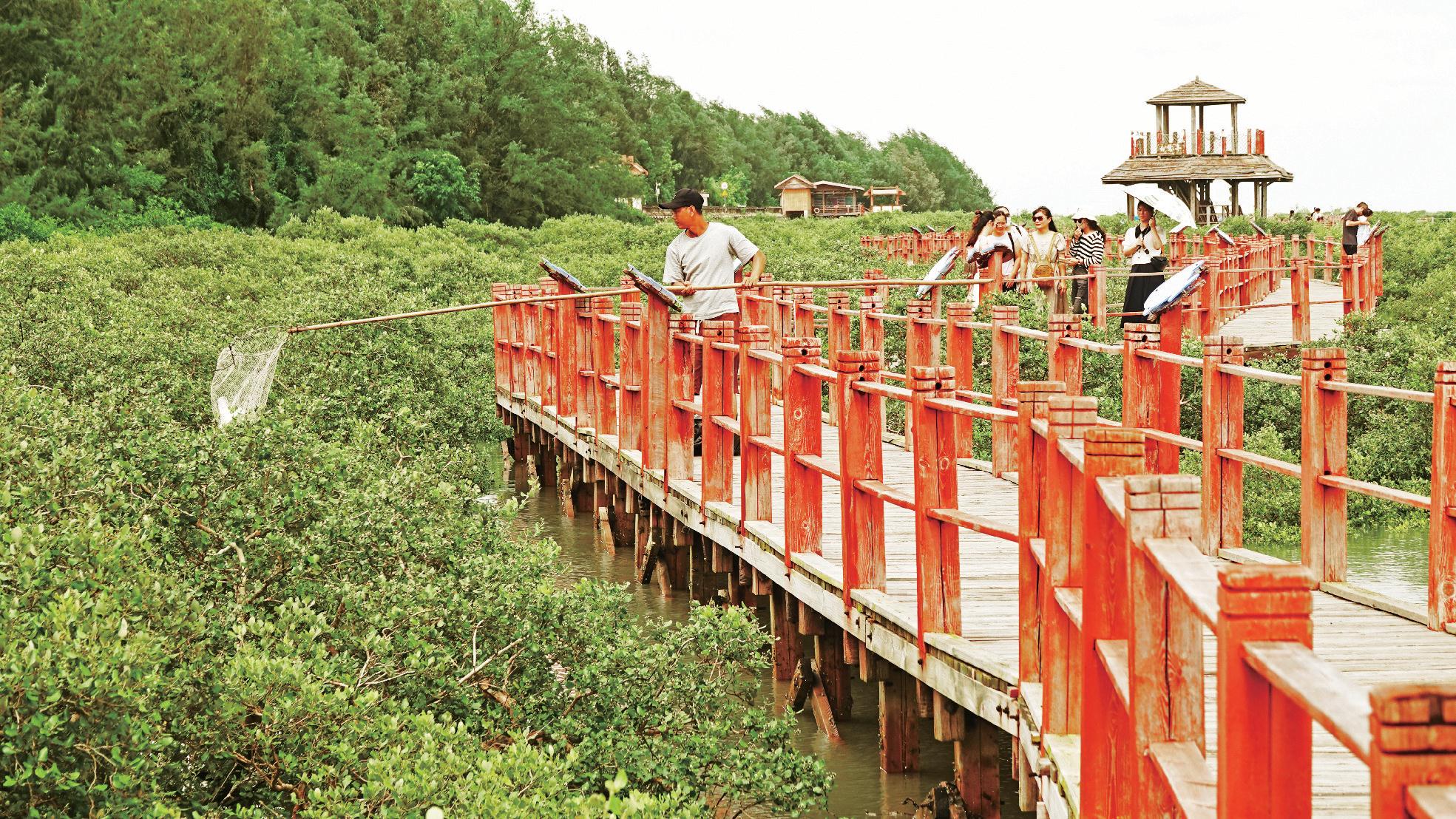
Core Viewpoint - The Guangxi Zhuang Autonomous Region has successfully increased its mangrove area to 10,800 hectares, exceeding its target by 8% and achieving a 47.95% growth over the past decade, making it the province with the fastest growth in mangrove resources in China [2][3]. Group 1: Legislative and Planning Framework - The introduction of the "Guangxi Zhuang Autonomous Region Mangrove Resource Protection Regulations" in 2018 marked a significant step in legal protection for mangroves, becoming the second such law in China [4]. - A comprehensive mangrove protection plan for 2020-2030 was issued in July 2020, which will be updated in 2025 to include a multi-dimensional assessment for restoration and development [4]. Group 2: Infrastructure Development and Environmental Protection - The Longmen Bridge, with a total investment of 5.71 billion yuan, was designed to avoid mangrove areas, showcasing a commitment to environmental protection during its construction [5]. - The bridge project required the relocation of mangroves, with a requirement to plant three times the number of trees that were removed, ensuring a net gain in mangrove coverage [5][6]. Group 3: Innovative Restoration Techniques - The Guangxi Mangrove Research Institute has successfully transplanted 24,693 mature mangrove trees with an average survival rate exceeding 60%, demonstrating innovative techniques in mangrove restoration [6]. - New methods, such as the use of buried pipe systems for ecological aquaculture, have been developed to enhance both mangrove restoration and aquaculture productivity [11]. Group 4: Monitoring and Enforcement - A comprehensive monitoring system utilizing satellite imagery, drones, and ground inspections has been established to ensure the protection of mangrove wetlands, leading to effective enforcement actions against illegal activities [13]. - The case of the illegal occupation of mangrove wetlands by the Baisha River project serves as a precedent for strict enforcement of environmental laws, highlighting the importance of accountability in ecological protection [13].
深圳要在市中心打造“超大号中央公园”
2 1 Shi Ji Jing Ji Bao Dao· 2025-10-28 08:29
Core Insights - The Shenzhen government has launched the "Dawutong Ecological Integration Zone Spatial Planning Outline," aiming to create an "urban central park" that integrates ecology and industry [1][2] - The total planned area for the Dawutong Ecological Integration Zone is approximately 50 square kilometers, featuring various functional spaces such as forest conservation, cultural tourism, and green technology industries [1][2] - The Dawutong area is designated as Shenzhen's only key area focused on ecology, potentially serving as a model for urban ecological zone development in other cities [1][2] Planning and Development - The planning area stretches from the Hong Kong New Territories to the administrative boundary of Luohu District, encompassing notable natural and cultural landmarks [2] - The project aims to create a large central park in the city, enhancing accessibility for citizens through green pathways and waterway restoration [2][3] - The ecological integration zone will also focus on developing green industries such as ecological tourism, health and wellness, and low-altitude economy [2][5] Ecological and Biodiversity Considerations - Emphasis is placed on ecological restoration and biodiversity protection, with high standards set for the preservation of natural landscapes and ecosystems [3] - The area includes significant natural features like Wutong Mountain and various rivers, which are crucial for regional ecological connectivity [3] Collaboration and Events - Future plans include connecting the Wutong Mountain to Hong Kong's scenic areas and hosting events like the "Cross-Shenzhen-Hong Kong City Cycling Challenge" [4] - The collaboration between Shenzhen and Hong Kong will focus on ecological space co-development, scientific innovation, and cultural sharing [4] Tourism and Economic Goals - The Dawutong Ecological Integration Zone aims to become a model for ecological tourism in the Guangdong-Hong Kong-Macao Greater Bay Area [5] - Plans include developing high-quality micro-vacation destinations, such as luxury resorts and themed camping areas, to attract visitors from the Greater Bay Area [5] Infrastructure Development - Upcoming infrastructure projects include the completion of the Longguoshu Interchange by February 2027, which will improve connectivity to urban expressways [6] - Additional plans involve constructing new interchanges and upgrading access roads to enhance transportation to key areas within the Dawutong zone [6]
有鲜则名,有水则灵——央视《走遍中国》走进清远
Nan Fang Nong Cun Bao· 2025-06-04 02:34
Core Viewpoint - Qingyuan is highlighted as a region rich in natural resources and cultural heritage, leveraging its ecological advantages to promote rural revitalization and economic growth through sustainable practices and local specialties [5][8][46]. Group 1: Agricultural Development - Qingyuan's chicken industry has a comprehensive output value exceeding 11.1 billion, with an annual output of 158 million chickens, making it a leading product in the region's agricultural sector [13][14]. - The tea industry in Yingde, known as the "World Red Tea Hometown," has a brand value surpassing 5.178 billion, with one in six residents engaged in tea-related work [19][20]. - The bamboo shoot industry in Qingyuan has a comprehensive output value projected to exceed 10.965 billion by the end of 2024, with an annual production of 1.5136 million tons [27][28]. Group 2: Economic Transformation - The North River, as Qingyuan's main waterway, is being transformed into an economic driver, with local initiatives enhancing tourism and local businesses, leading to a collective economic income increase from 6.9 million to 15.9 million in a year [35][36]. - The integration of agriculture and tourism in San Keng Town is revitalizing the local economy, with various specialty industries flourishing alongside hot spring tourism [39][40]. - The region's focus on ecological preservation and sustainable development is creating a model for modern Chinese urbanization, balancing economic growth with environmental stewardship [46][48].
